
How to Specify Automotive Connectors for Vibration, Salt Fog and Thermal Cycling
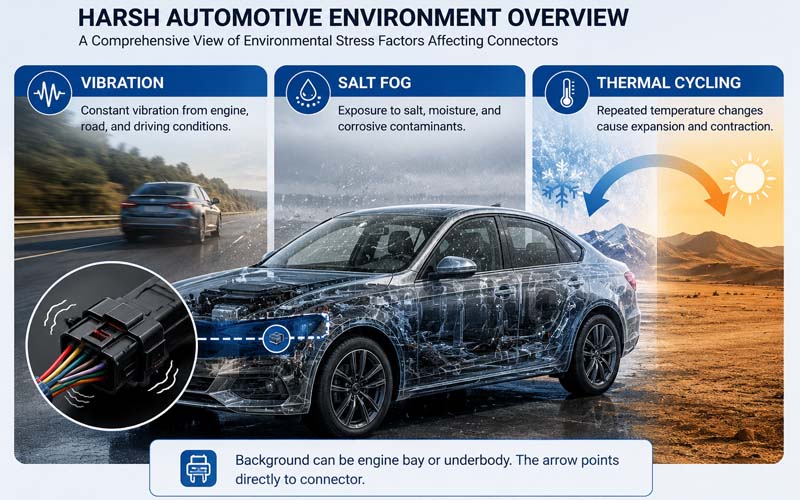
Automotive connectors operate in some of the harshest electrical environments found in modern products. Unlike controlled laboratory conditions, real vehicles expose connectors to continuous vibration, moisture, road salt, thermal cycling, and mechanical stress over many years of operation.
Selecting connectors based only on current rating or pin count is no longer sufficient. Engineers must specify connectors according to the actual environmental stresses they will experience throughout the vehicle lifecycle.
This article explains how to specify automotive connectors for vibration, salt fog, and thermal cycling, and how these factors influence long-term reliability.
Why Environmental Specification Matters
Many connector failures are not caused by immediate design flaws, but by gradual degradation under combined environmental stress.
Typical field failures include:
- intermittent electrical signals
- increased contact resistance
- corrosion-related failures
- seal degradation
- terminal back-out or loosening
In many cases, connectors pass standard validation tests but still fail in real vehicle environments because environmental conditions were underestimated during specification.
Understanding the Three Key Stress Factors
1.Vibration
Why Vibration Is Critical
Vehicles generate continuous vibration from:
- road conditions
- engine operation
- chassis movement
- electric drive systems
This vibration creates micro-motion at the contact interface.
Over time, this can lead to:
- fretting corrosion
- plating wear
- contact resistance drift
- terminal loosening
Key Connector Features for Vibration Resistance
When specifying connectors for vibration-prone areas, consider:
- terminal retention strength
- contact spring stability
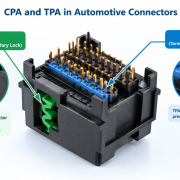
- CPA/TPA secondary locking
- anti-vibration contact design
- robust housing structure
High-Risk Installation Areas
- engine compartment
- chassis-mounted systems
- underbody harnesses
- seat systems with repeated movement
2.Salt Fog and Corrosion Exposure
Why Salt Fog Matters
Road salt and coastal environments introduce highly corrosive conditions.
Salt fog exposure can accelerate:
- terminal oxidation
- plating degradation
- seal deterioration
- leakage current formation
Corrosion often begins microscopically before visible damage appears.
What to Consider During Specification
Connector Sealing
Use appropriate sealing levels based on installation zone:
- IP67 for splash-prone environments
- IP69K for high-pressure wash exposure
Material and Plating Selection
Material choice strongly affects corrosion resistance.
Common options:
- tin plating → cost-effective but more sensitive to fretting
- gold plating → better signal stability and corrosion resistance
- nickel underplating → improved durability
Venting and Drainage
Poor drainage design can trap moisture and accelerate corrosion even in sealed systems.
3.Thermal Cycling
What Is Thermal Cycling?
Thermal cycling refers to repeated heating and cooling during operation.
Typical automotive conditions include:
- sub-zero winter startup
- high engine bay temperatures
- rapid load changes in EV systems
Effects on Connector Reliability
Thermal expansion and contraction can cause:
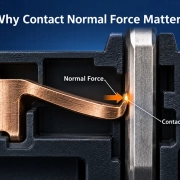
- loss of contact force
- seal fatigue
- housing deformation
- micro-cracking in materials
Thermal cycling also accelerates aging of polymers and elastomers.
Important Design Considerations
When specifying connectors:
- verify operating temperature range
- evaluate material compatibility
- consider long-term stress relaxation behavior
- review current derating at elevated temperatures
Why Combined Stress Matters More Than Individual Tests
In real vehicles, vibration, moisture, and temperature do not occur independently.
Example:
- vibration damages plating
- moisture accelerates oxidation
- thermal cycling weakens contact stability
This creates compounded degradation mechanisms that are much more severe than isolated stress conditions.
This is why combined-environment validation is increasingly important.
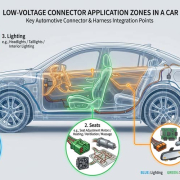
Connector Specification by Installation Zone
| Installation Zone | Main Risk Factors | Recommended Connector Strategy |
|---|---|---|
| Engine Bay | Heat + vibration + moisture | Sealed high-temperature connector |
| Underbody | Salt fog + water + debris | IP67/IP69K sealed connector |
| Cabin Electronics | Low environmental exposure | Cost-optimized unsealed connector |
| Seat Systems | Repeated movement + vibration | High-retention LV connector |
| EV Battery Area | Thermal cycling + HV safety | HV sealed connector with CPA/TPA |
Common Specification Mistakes
Over-Specification
Using overly complex sealed connectors in low-risk zones can:
- increase cost
- complicate assembly
- reduce serviceability
Under-Specification
Using insufficient protection in harsh environments can lead to:
- premature corrosion
- intermittent failures
- warranty issues
Focusing Only on Datasheets
Connector reliability depends on:
- harness routing
- installation orientation
- strain relief
- assembly quality
System-level factors are often underestimated.
Validation Recommendations
A robust validation plan should include:
- vibration testing with electrical monitoring
- thermal cycling under load
- salt fog exposure testing
- combined environmental testing
- post-test contact resistance evaluation
Real installation conditions should be replicated whenever possible.
How FPIC Supports Harsh-Environment Connector Applications
FPIC supports automotive and industrial customers with:
- connector selection by installation environment
- custom harness integration
- sealing and routing optimization
- validation support for harsh conditions
- manufacturing consistency control
By aligning connector specification with real-world operating environments, long-term reliability risks can be significantly reduced.
Final Thoughts
Automotive connector specification is no longer just about electrical parameters. Environmental durability has become equally important.
Vibration, salt fog, and thermal cycling create long-term stresses that gradually degrade connector performance.
- A successful specification strategy requires:
- understanding installation environments
- selecting appropriate materials and sealing
- validating under combined stress conditions
- considering system-level integration
The best connector is not the most expensive one—it is the connector correctly matched to the real application environment.
FAQ
Why is vibration harmful to connectors?
Because it creates micro-motion at contact interfaces, leading to fretting corrosion and resistance increase.
What does salt fog testing evaluate?
It evaluates corrosion resistance under simulated harsh environmental exposure.
Why is thermal cycling important?
Repeated expansion and contraction can weaken contact force and degrade materials over time.
Are sealed connectors always necessary?
No. Connector type should match the installation zone and environmental exposure level.
What is the biggest connector specification mistake?
Ignoring real-world combined stress conditions during design and validation.
Improve Connector Reliability in Harsh Environments
Choosing the right connector for vibration, corrosion, and thermal stress is essential for long-term reliability.
FPIC provides automotive connector and wire harness solutions optimized for real-world operating conditions.
Contact us to discuss your application requirements.
Resources
- USCAR-2 – Automotive Connector Performance Specification: defines environmental and durability testing requirements for automotive connectors.
- IEC 60068 – Environmental Testing Standards: covers vibration, thermal cycling, and environmental stress testing methods.
- TE Connectivity – Harsh Environment Connector Design: explains connector design strategies for vibration and corrosion resistance.
- Molex – Automotive Connector Reliability: discusses environmental durability and sealing technologies.
- Amphenol – Connector Solutions for Harsh Environments: covers material and design considerations for automotive applications.
 FPIC
FPIC 