
Connector Fundamentals
A strong connector decision starts with a clear understanding of how connectors work and what affects their performance. This section explains the essential principles behind connector structure, contact systems, mating design, and long-term reliability.
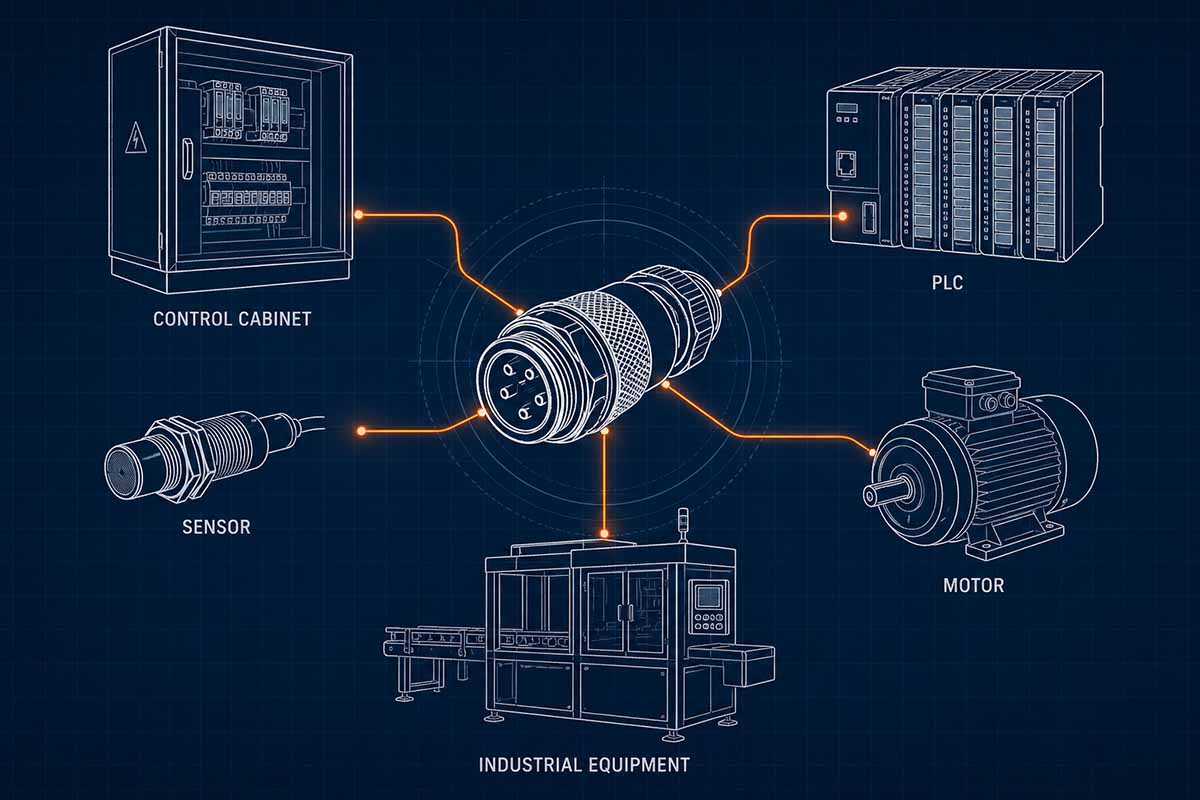
Learn what a connector does in industrial and electronic systems, and why reliable interconnection matters for power, signal, and data transmission across complex equipment.
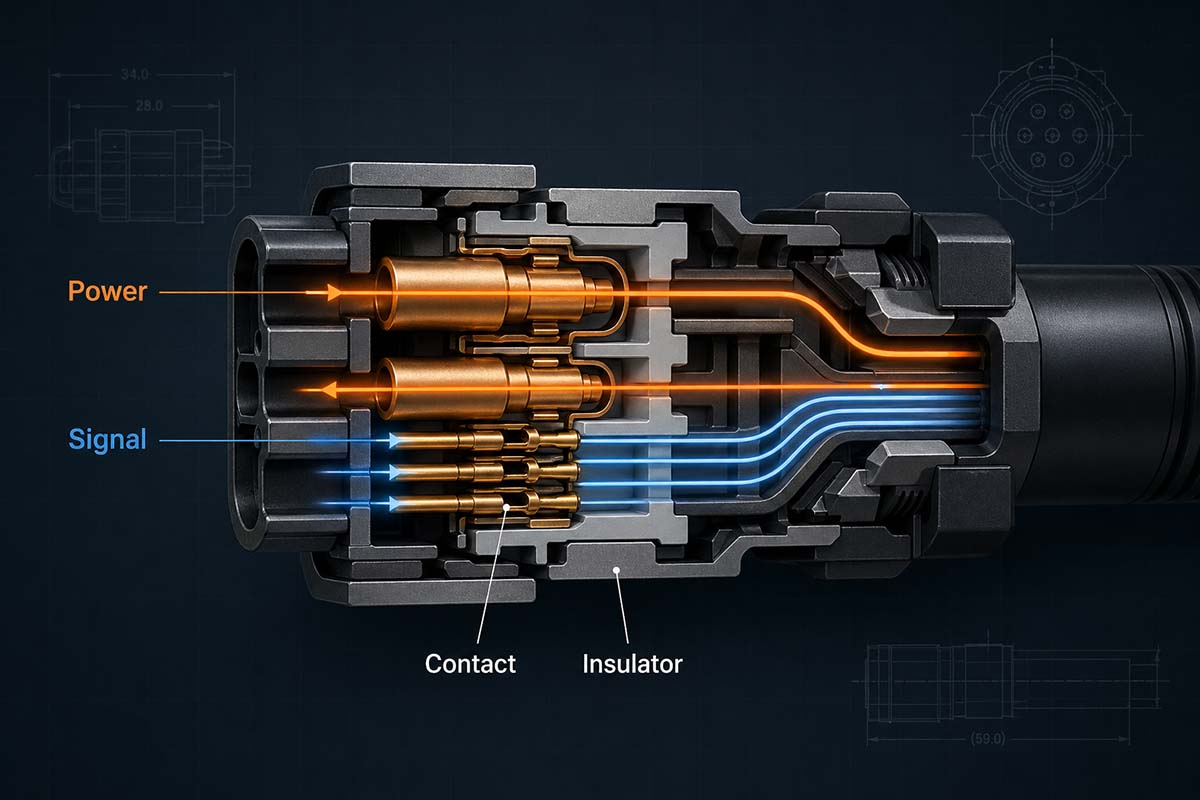
Understand how contacts, terminals, insulation, and mating force work together to create stable electrical paths and support reliable system performance.
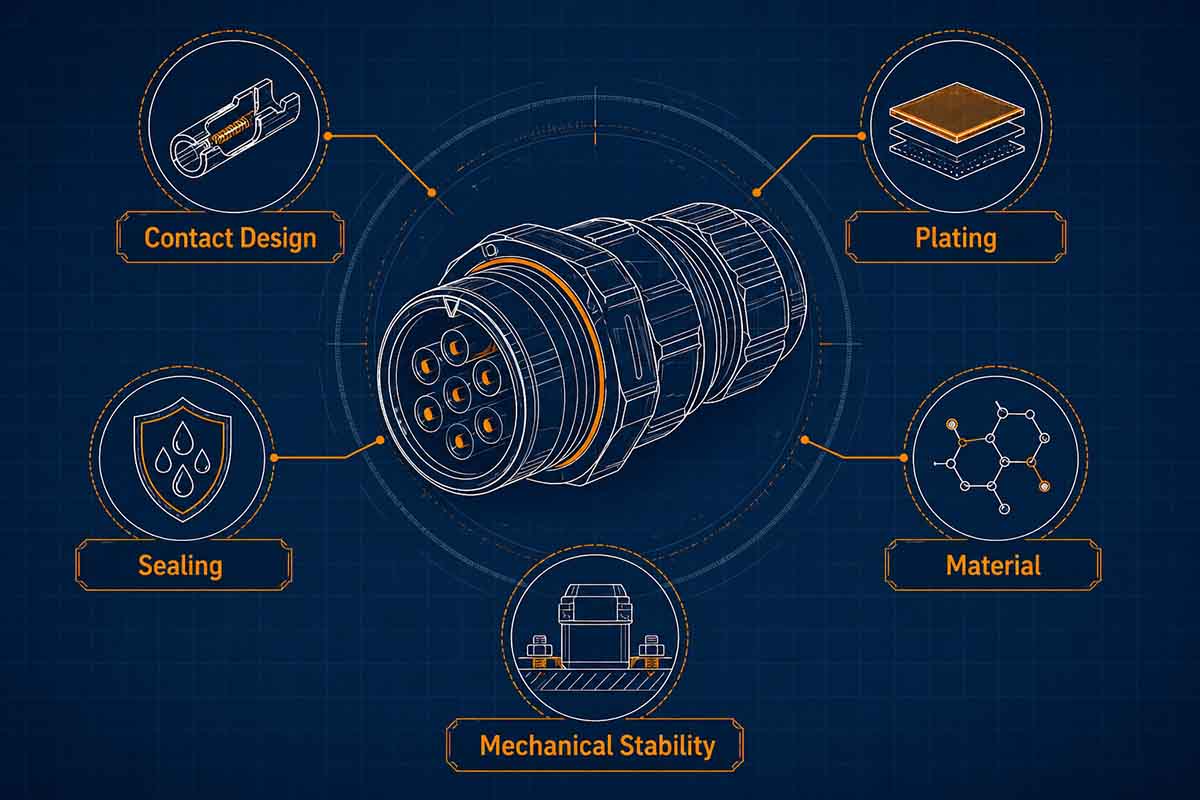
See how contact design, plating, sealing, materials, and structural stability influence connector reliability in real industrial and automotive applications.
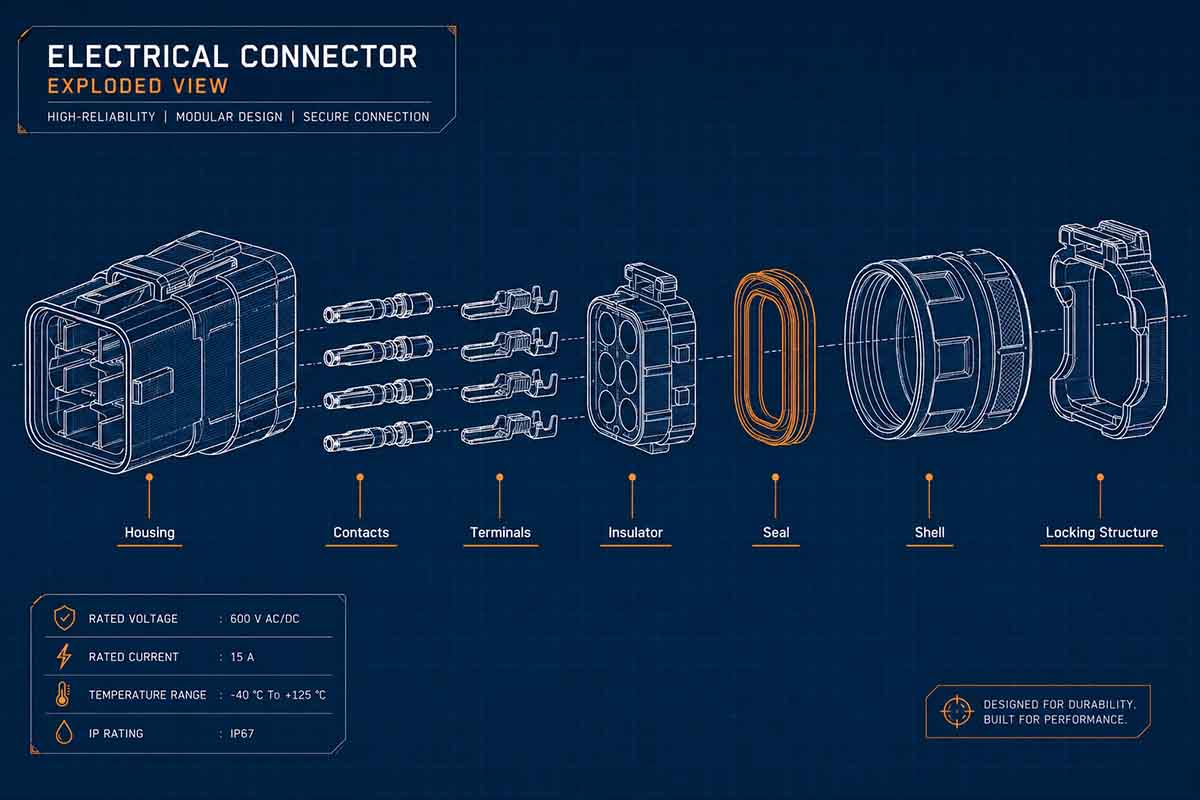
Explore the key parts of a connector, including contacts, housings, shells, and terminals, and see how each element affects durability and performance.
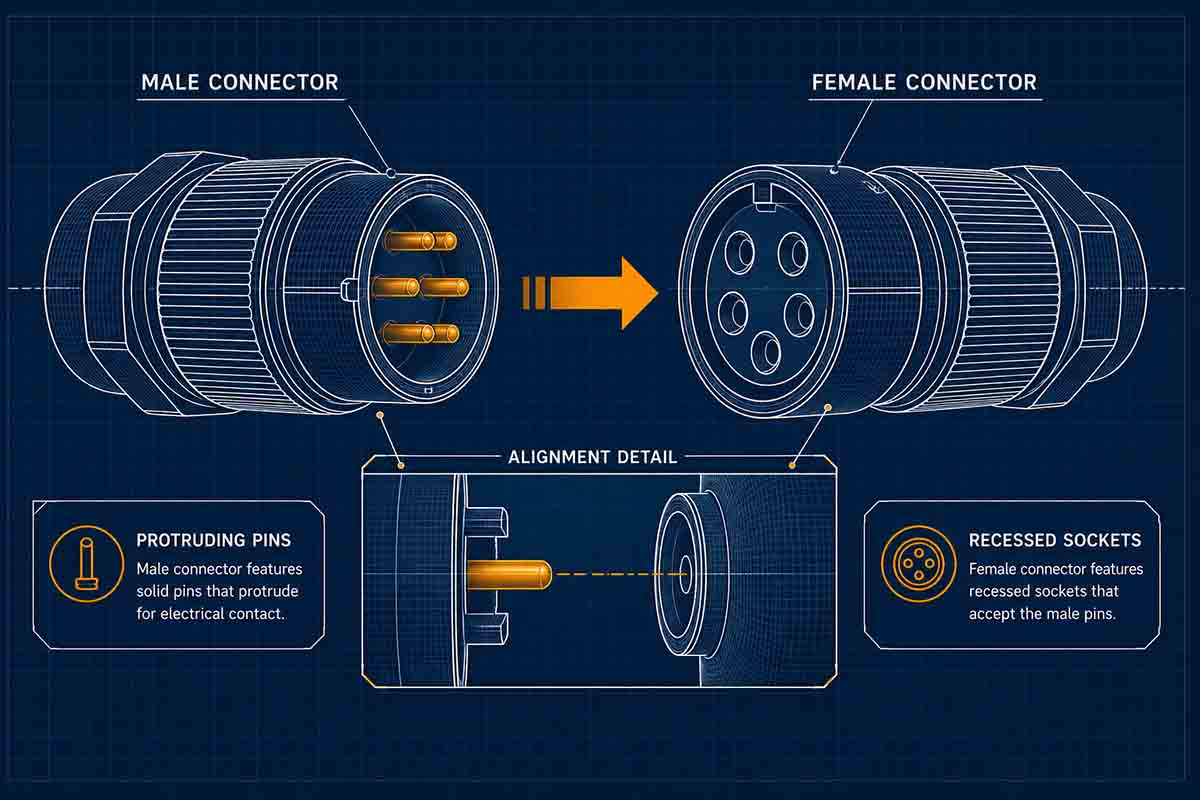
Review the difference between male and female connectors, how they mate, and why correct interface matching is essential for safe and stable operation.
Connector Types
Different applications require different connector structures. This section introduces the main connector families used in industrial, automotive, and electronic systems, with a focus on the product categories FPIC supports.
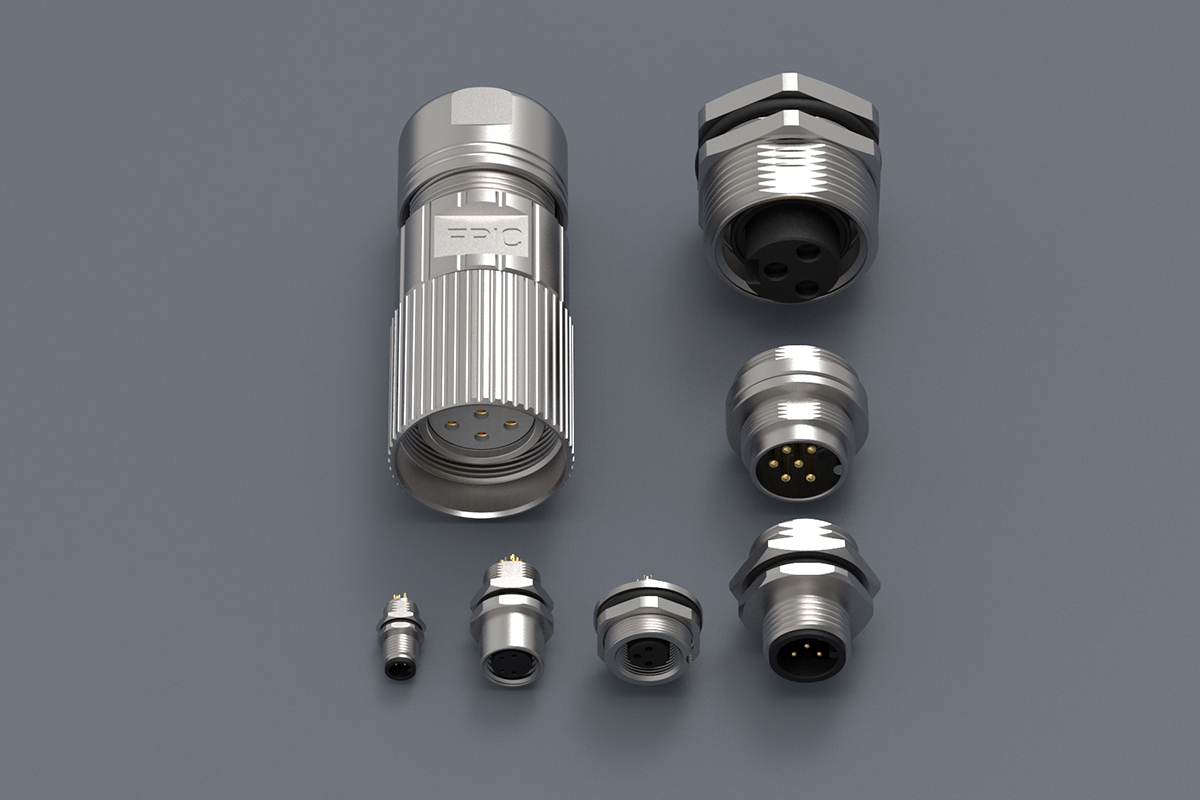
Discover why circular connectors are widely used in automation, sensors, and industrial control systems where secure locking and environmental protection matter.
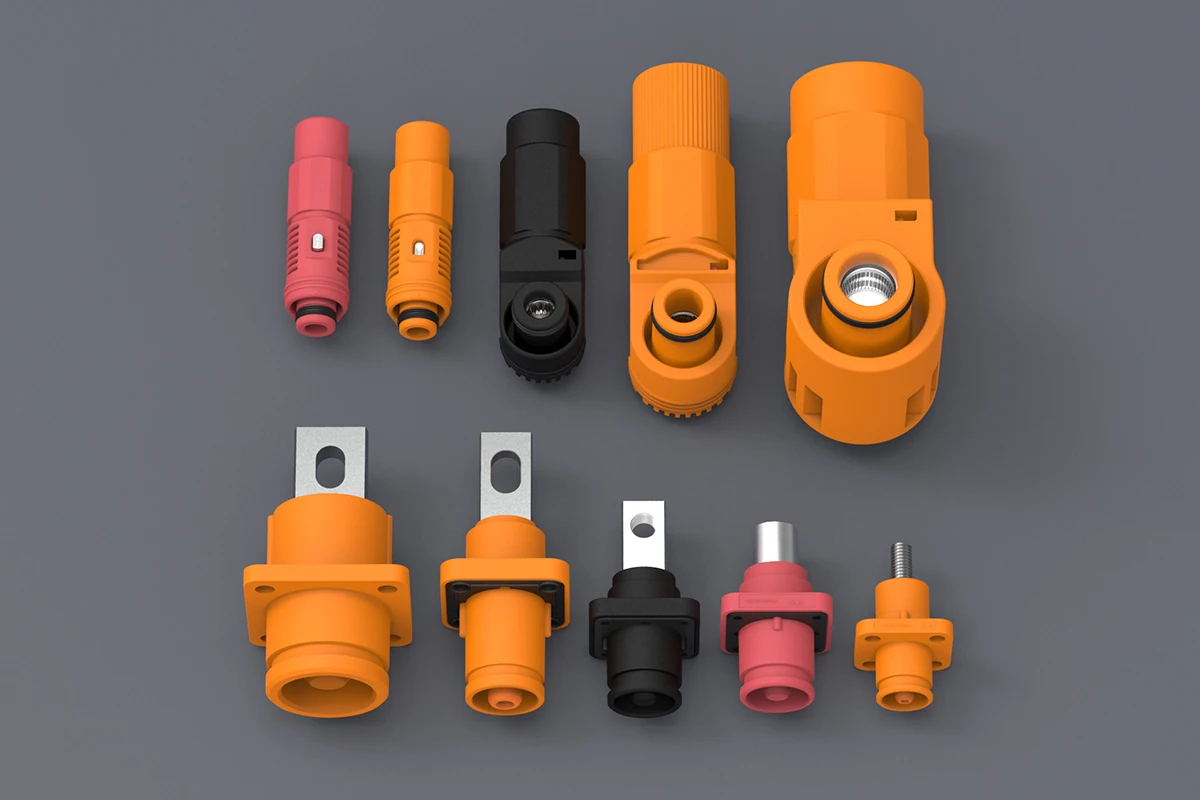
Understand the connector types used in energy storage systems, where current capacity, locking safety, and stable long-term power transmission are critical.
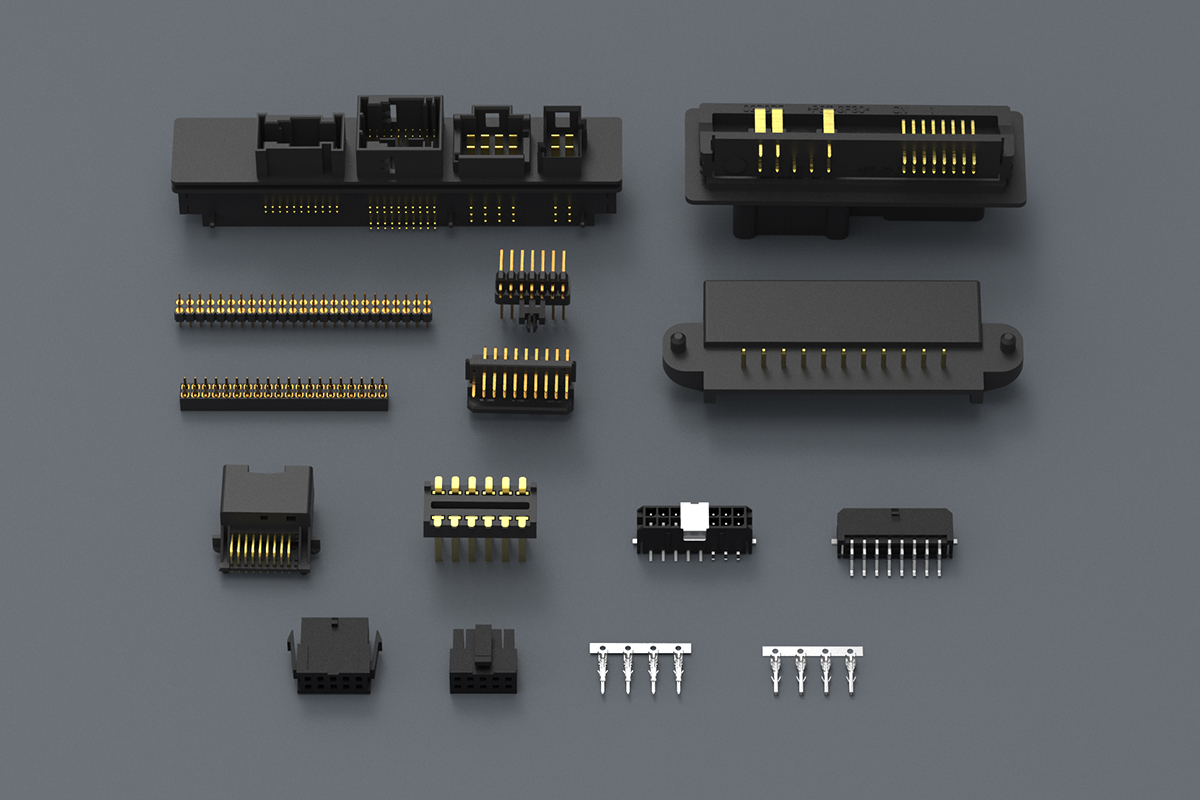
Explore the connector types used in automotive systems, including lighting, seats, windows, multimedia modules, and other in-vehicle electronics.
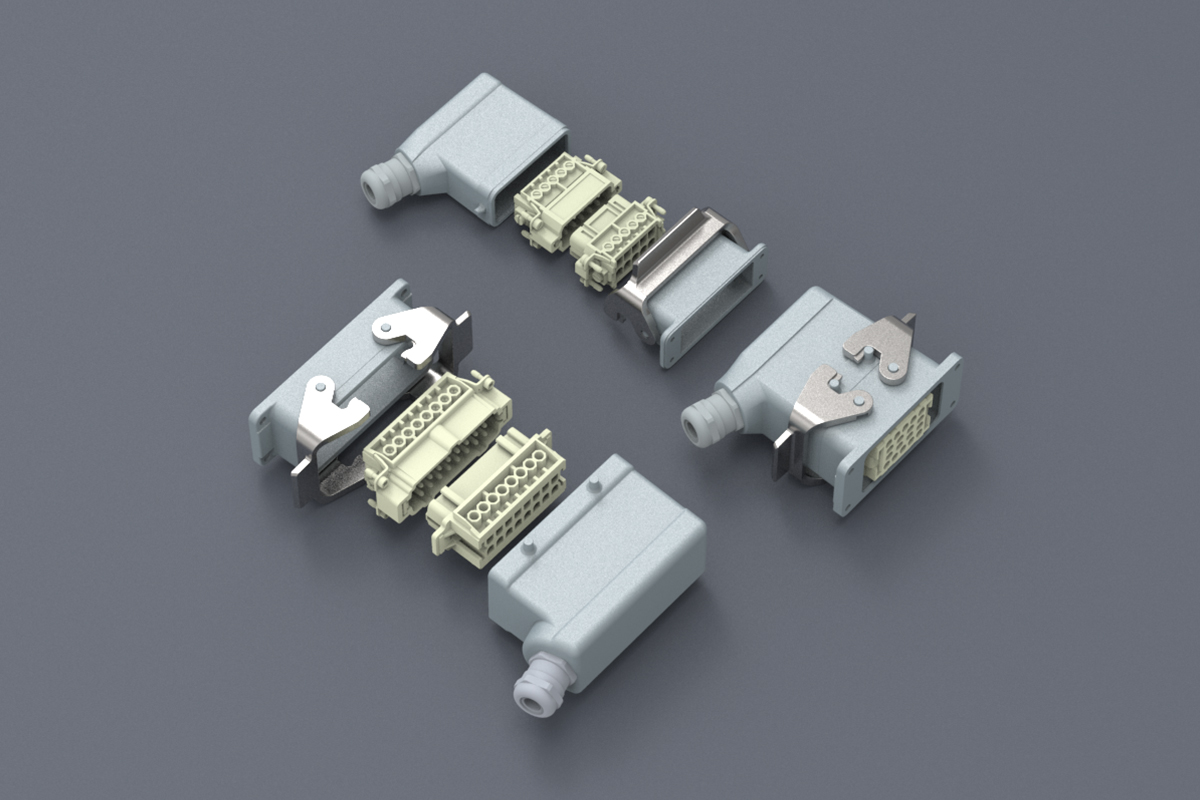
Learn how heavy-duty connectors support reliable power and signal transmission in machinery, industrial equipment, and other harsh-environment applications.
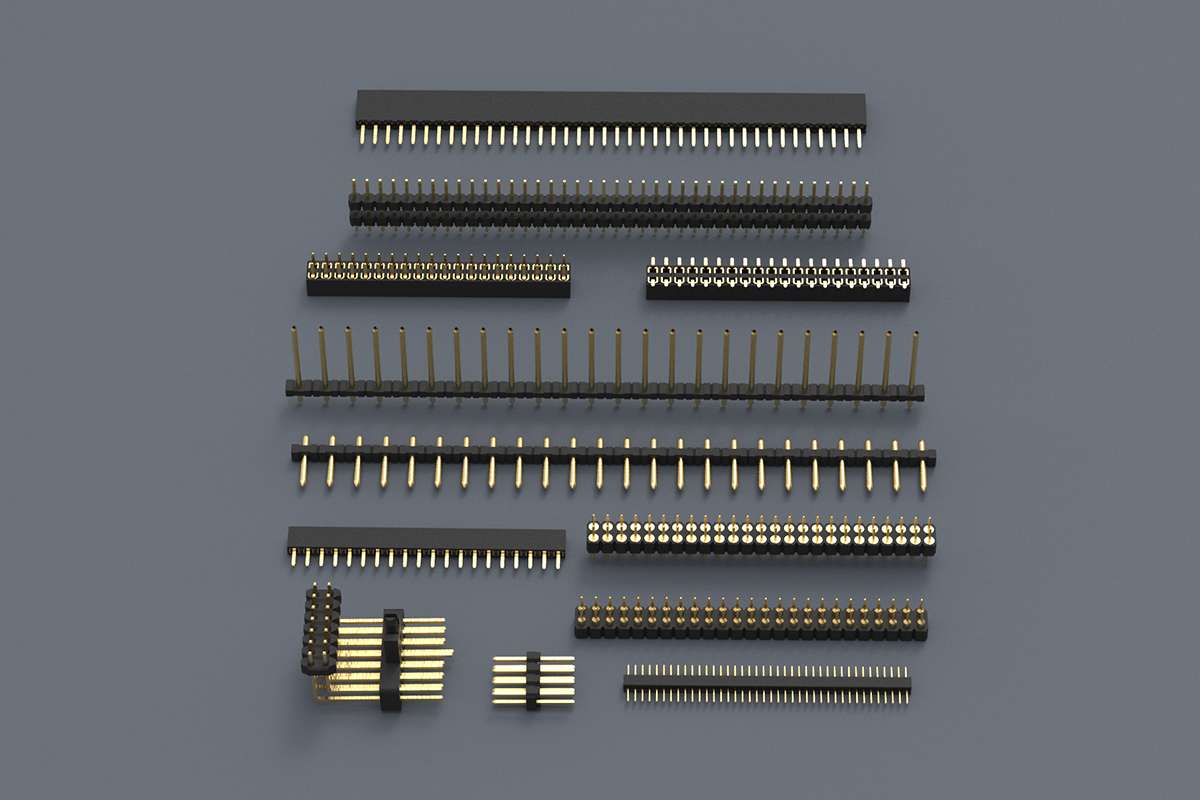
See how board-to-board connectors support compact PCB interconnection in devices that require reliable alignment and efficient use of space.
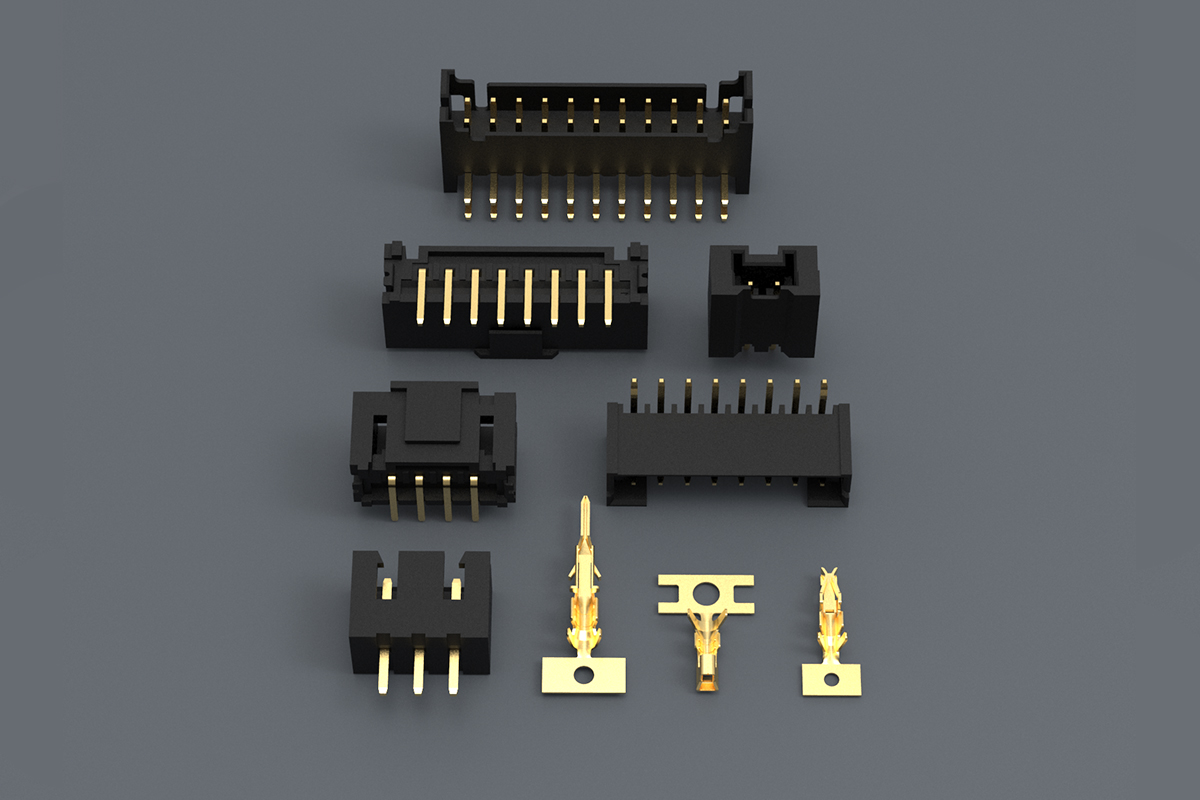
Learn how wire-to-board connectors connect cable assemblies to PCBs across industrial, consumer, and automotive electronic systems.
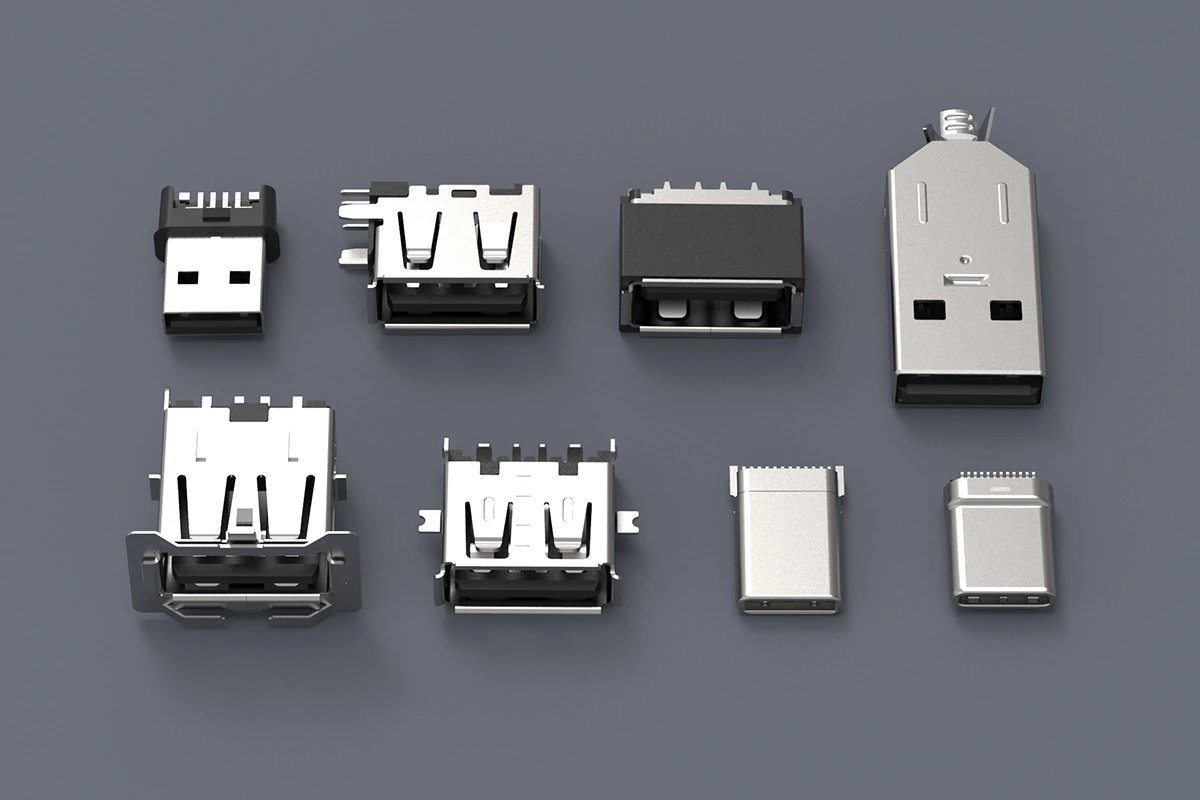
I/O connectors provide external connection points for data, charging, signal, and communication interfaces across consumer electronics, industrial devices, and smart systems.
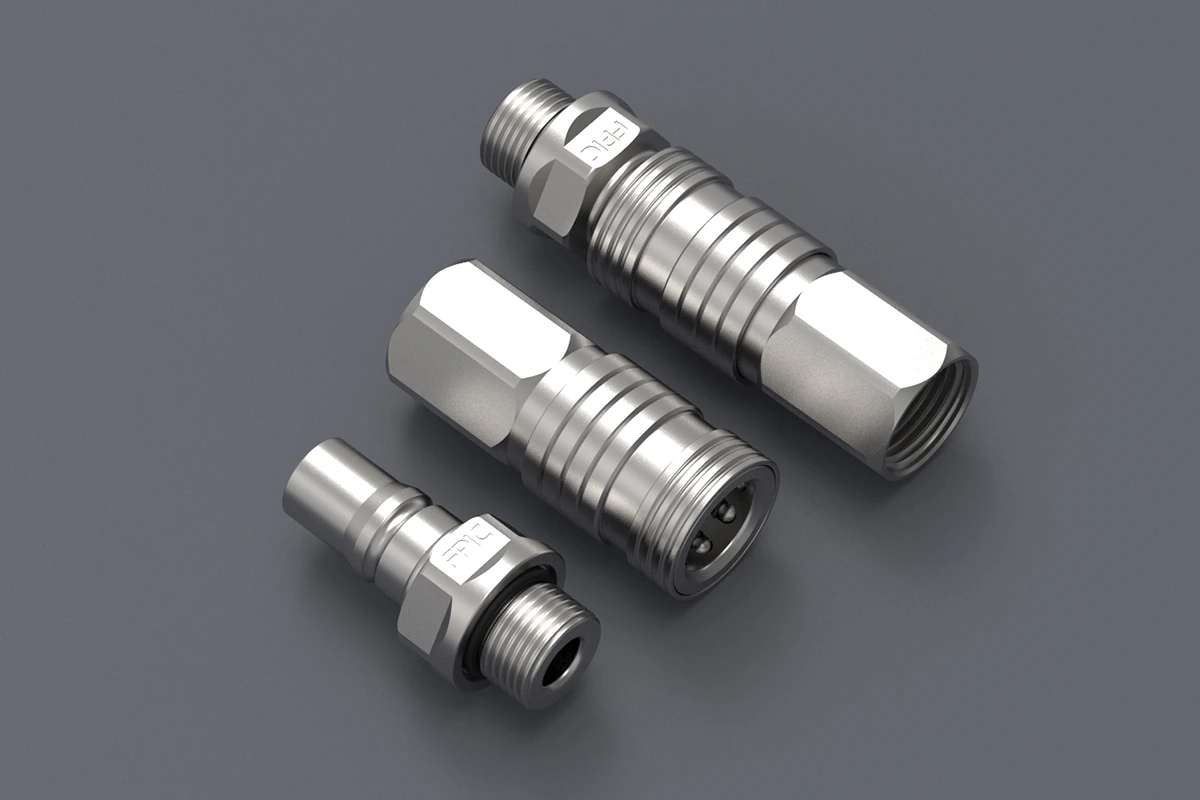
Understand how fluid connectors support safe and controlled liquid transfer in industrial and medical systems requiring sealing and reliability.
Connector Selection Guide
Selecting the right connector is critical to ensure reliable electrical performance and long-term system stability. Engineers must consider multiple factors including current capacity, voltage requirements, environmental protection, connector size and installation conditions.
This section provides practical guides to help engineers understand key connector specifications and choose the most suitable connector solutions for different applications.
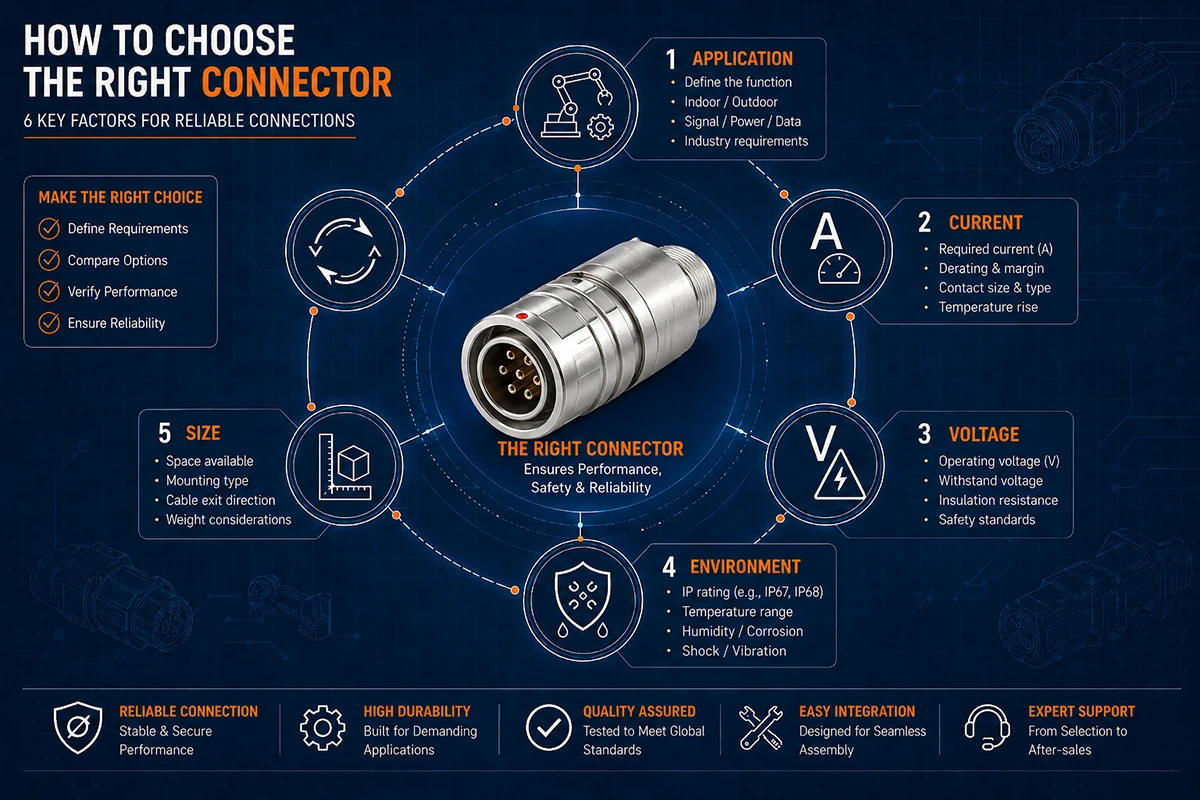
A practical guide to selecting the right connector based on electrical load, environment, mating method, and product design requirements.
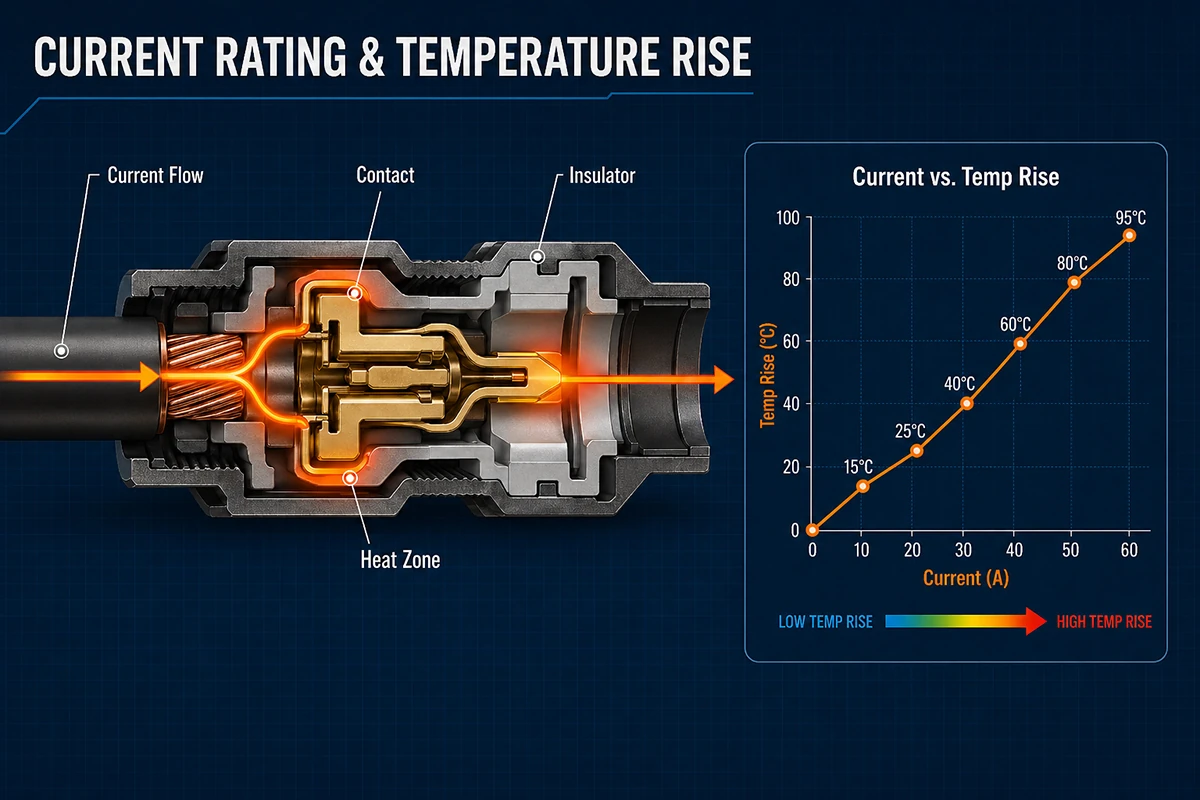
Learn how current rating affects temperature rise, conductivity, and safe long-term operation in industrial and power applications.
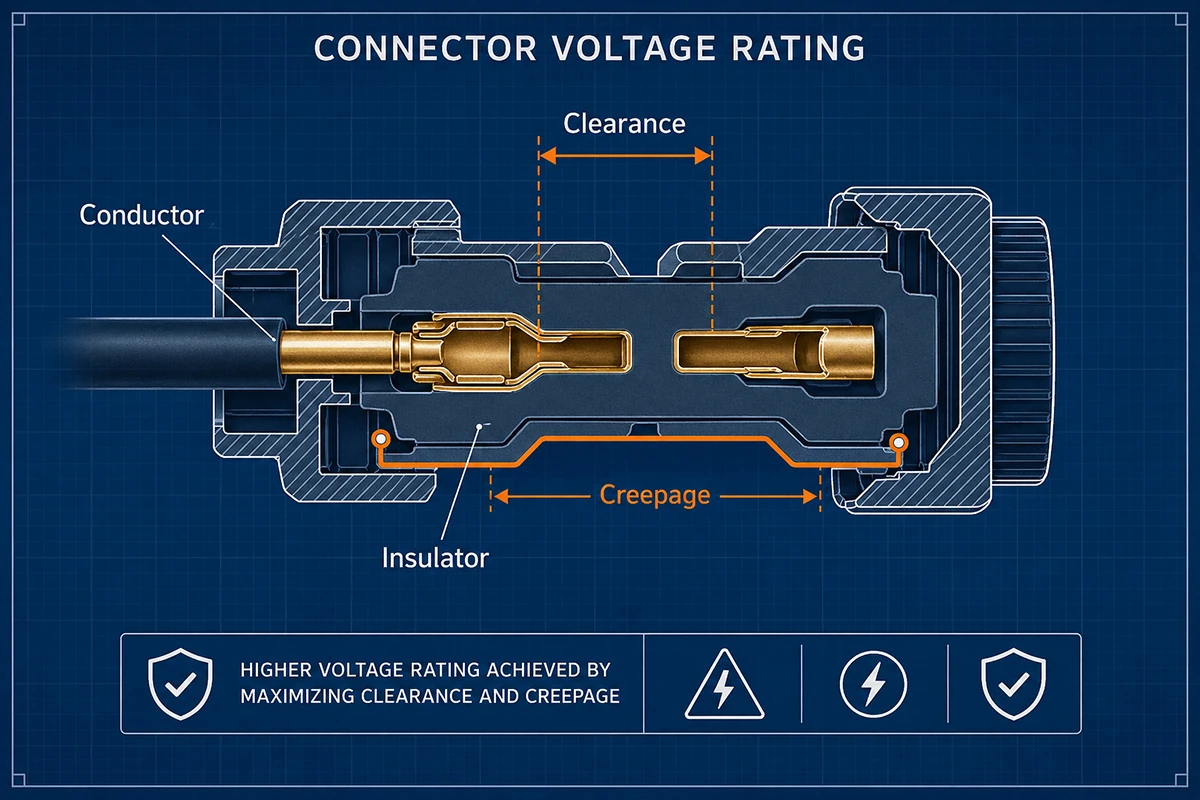
Understand how voltage rating relates to insulation, creepage distance, clearance, and electrical safety in connector selection.
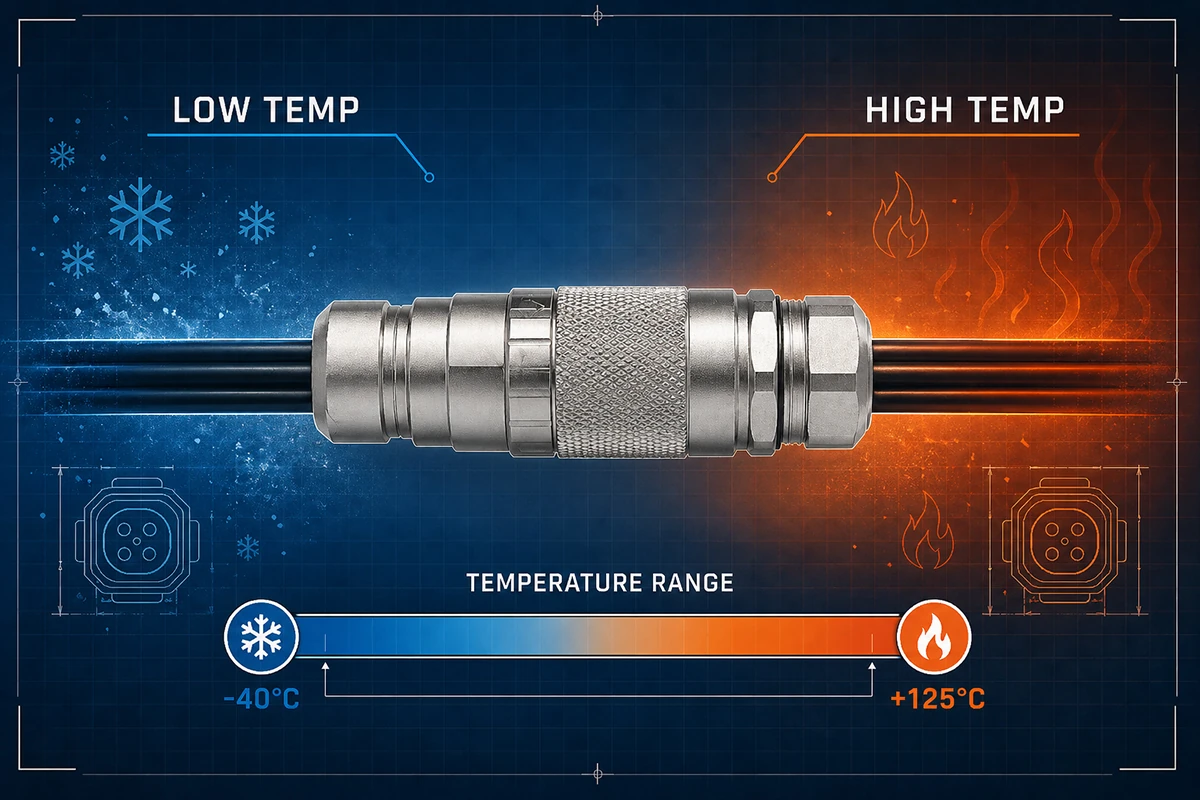
Review how connector materials and structure determine temperature resistance and long-term stability in demanding applications.
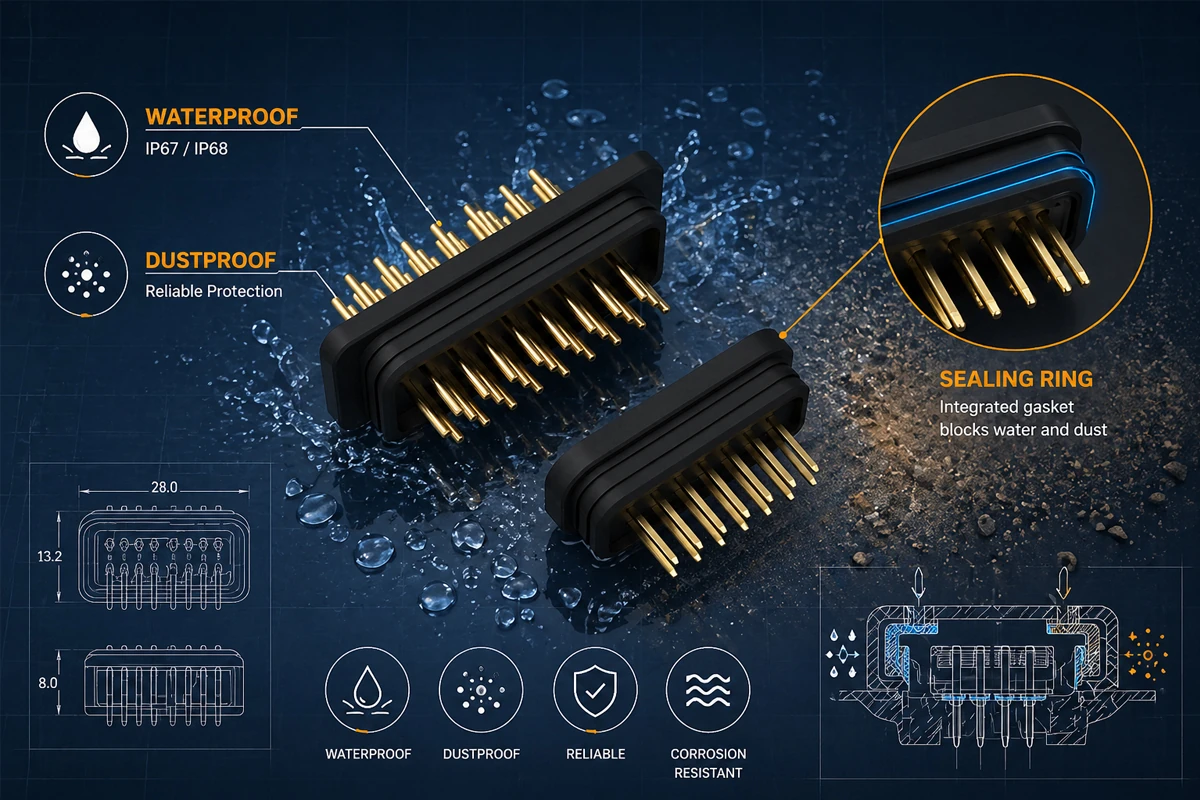
Explore how sealing design and IP protection help connectors operate reliably in outdoor, humid, and dust-prone environments.
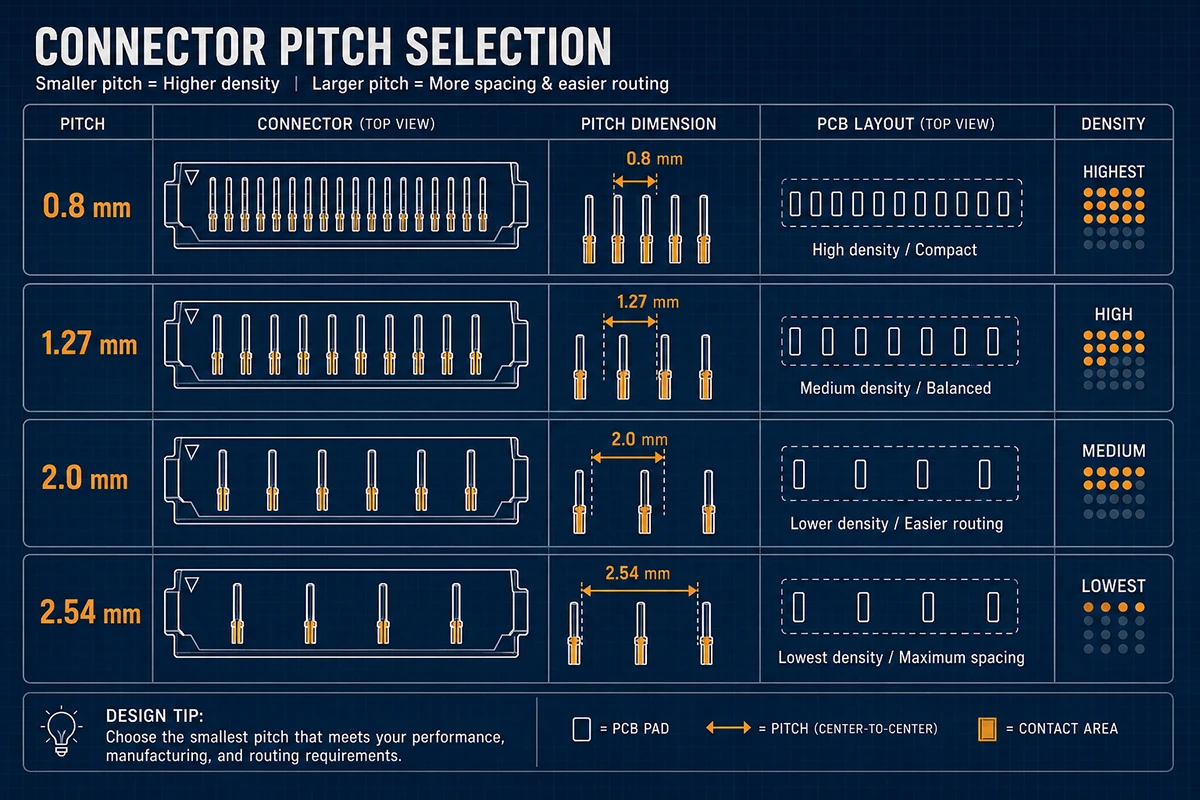
See how pitch affects PCB density, assembly structure, current capacity, and overall connector performance in compact designs.
Connector Applications
Connectors are selected to solve application problems, not just to meet abstract specifications. This section connects product knowledge to real use cases across the industries FPIC serves.
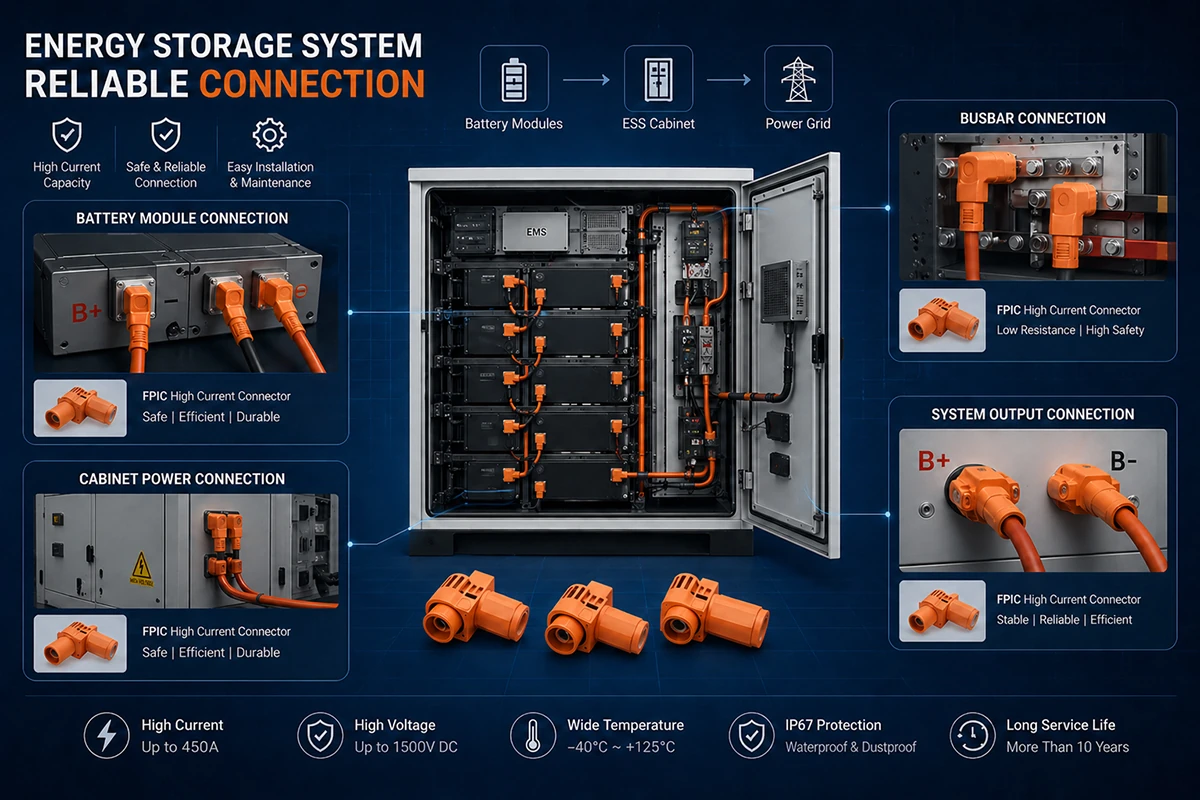
Connectors in Energy Storage Systems
Energy storage systems require connectors capable of handling high current, stable power transmission and long-term operational safety. In battery energy storage applications, connectors are used to connect battery modules, power distribution units, inverters and control systems.
Reliable energy storage connectors help improve system efficiency, reduce power loss and ensure secure electrical connections in demanding environments such as battery cabinets, ESS modules and renewable energy storage equipment.
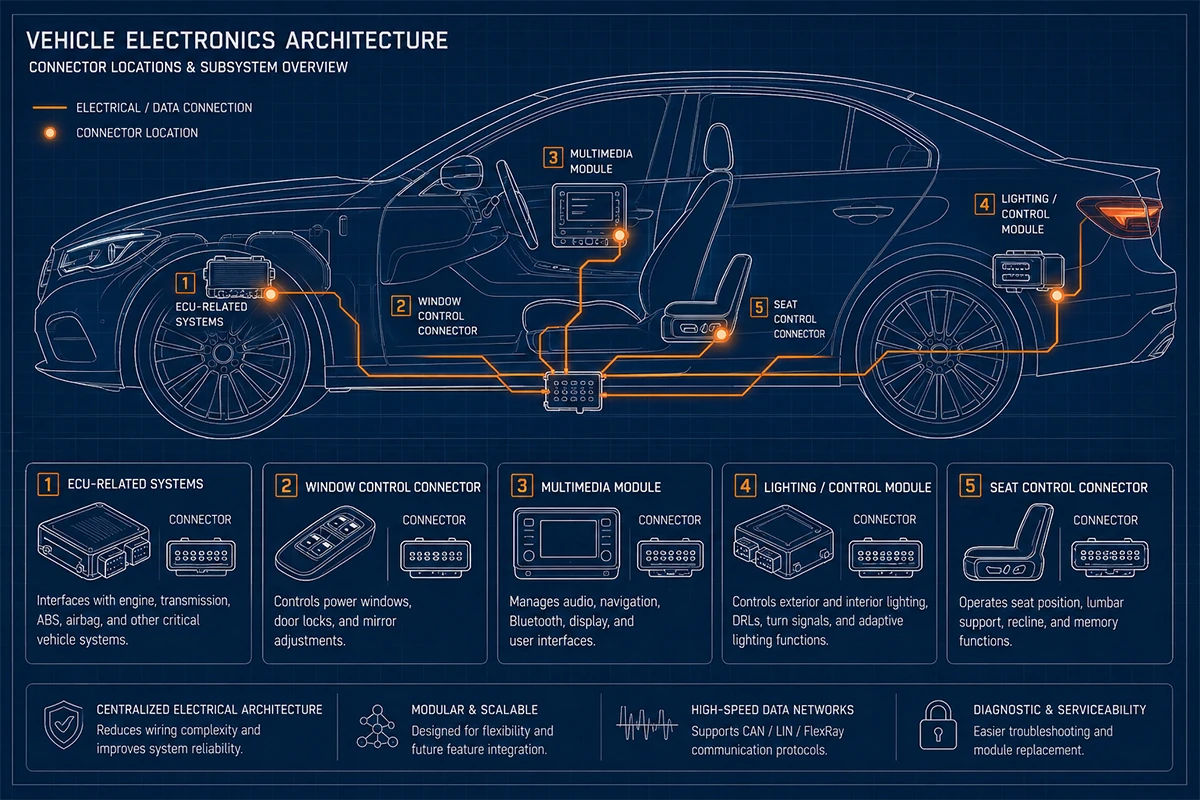
Automotive Electronics Connectors
Automotive electronic systems rely on connectors to link sensors, control modules, lighting systems, infotainment units and other in-vehicle electronic components. These connectors must deliver stable signal transmission, compact installation and reliable performance under temperature changes, vibration and long service life requirements.
Automotive electronics connectors are commonly used in dashboard systems, window control modules, seat control systems, lighting systems and various low-voltage vehicle electronic applications.
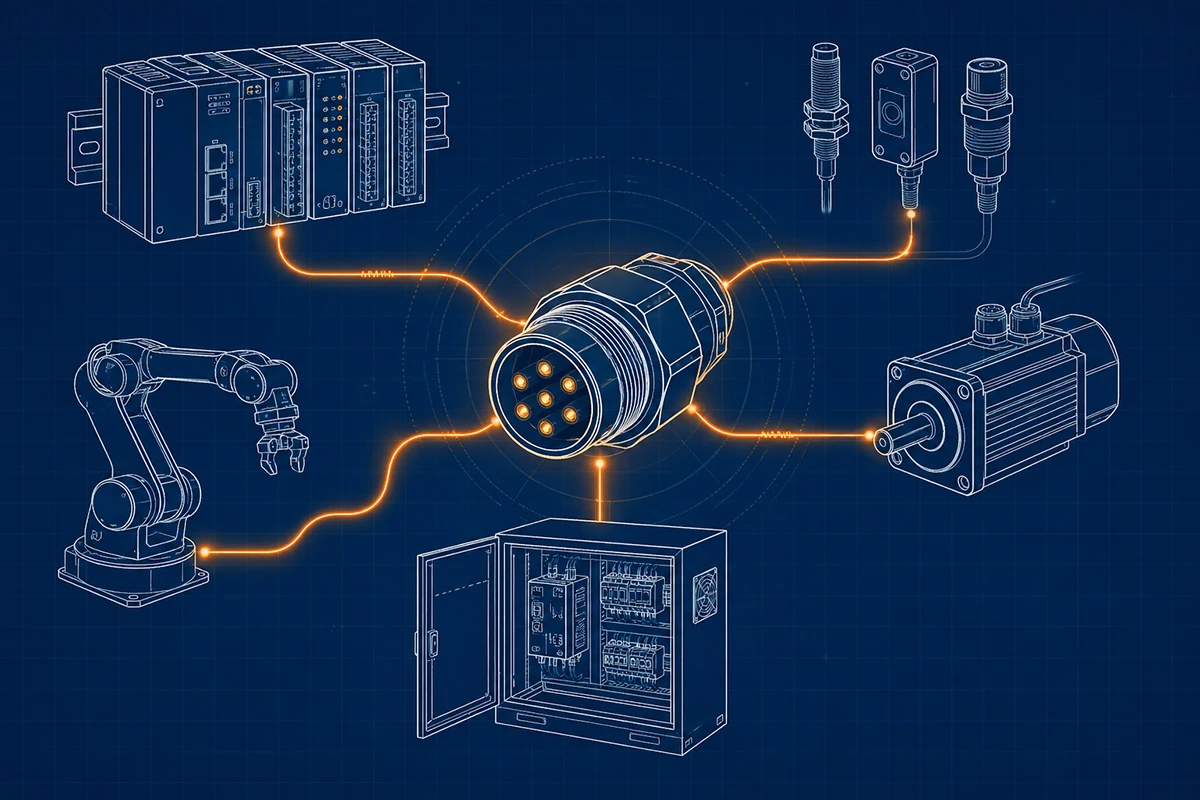
Connectors in Industrial Automation
Industrial automation systems rely on connectors to transmit power, control signals and data between machines, sensors, PLCs and control units. In these environments, connectors must provide stable electrical performance, strong vibration resistance and reliable operation over long production cycles.
Industrial connectors are widely used in automation equipment, control cabinets, conveyors, packaging systems and smart manufacturing lines where consistent connectivity is critical to system efficiency.
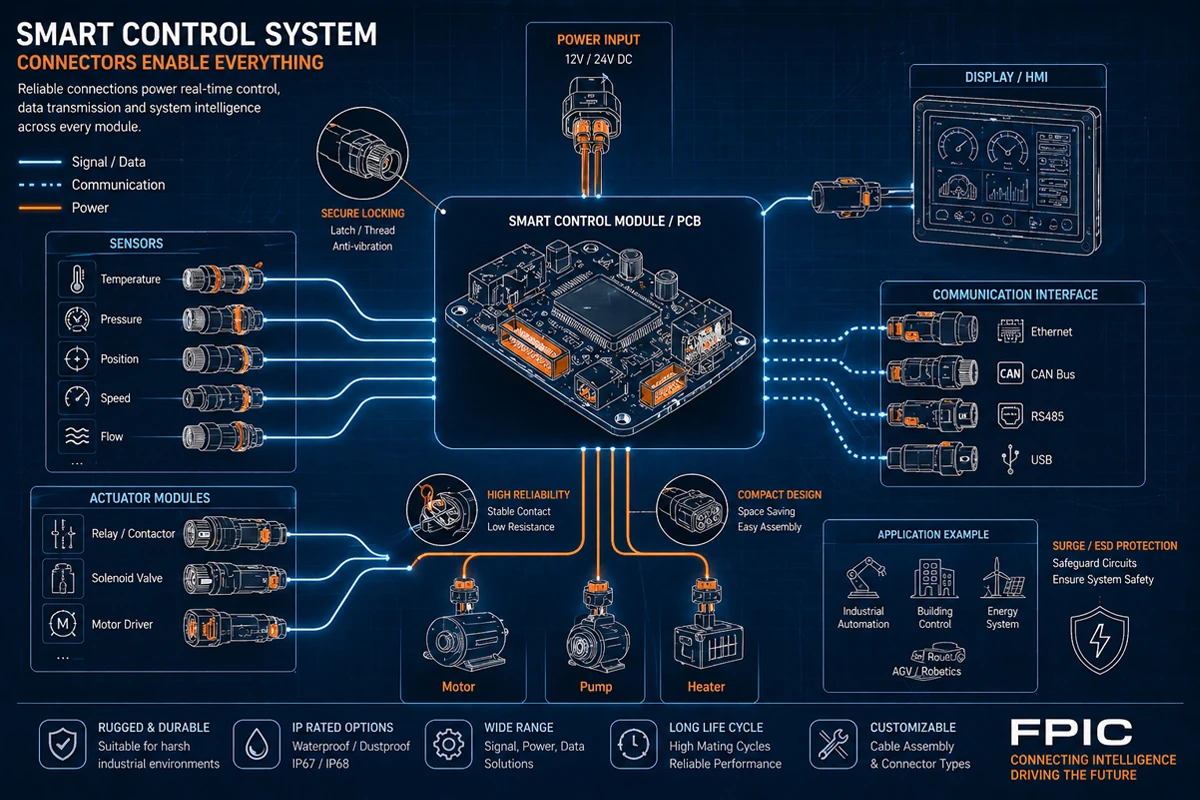
Connectors for Smart Control Systems
Smart control systems require connectors that support stable signal and power transmission in compact and integrated designs. The right connector helps improve system reliability, simplify assembly, and ensure consistent performance across control modules, sensors, and communication interfaces.
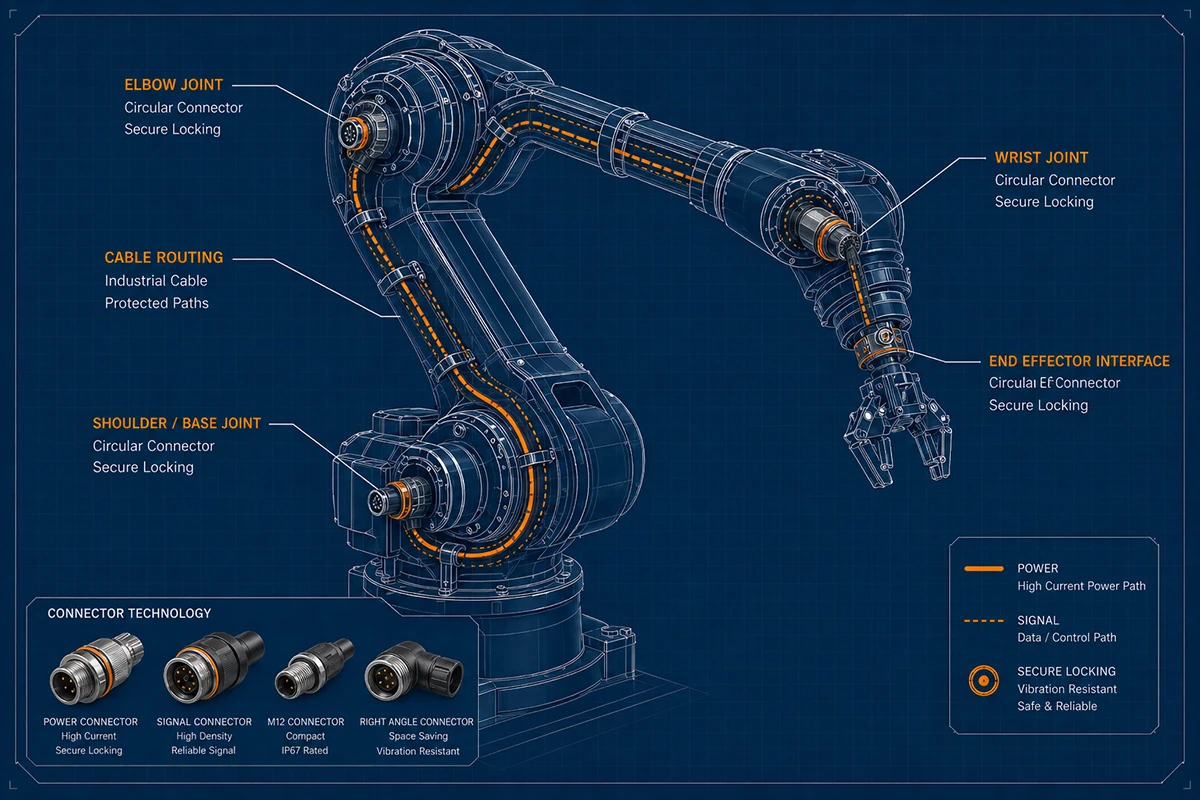
Connectors in Robotics
Robotics systems require connectors that can maintain stable signal and power transmission under constant motion, vibration and repeated mechanical stress. Connectors used in robotics must support high reliability, compact design and durable performance in dynamic operating conditions.
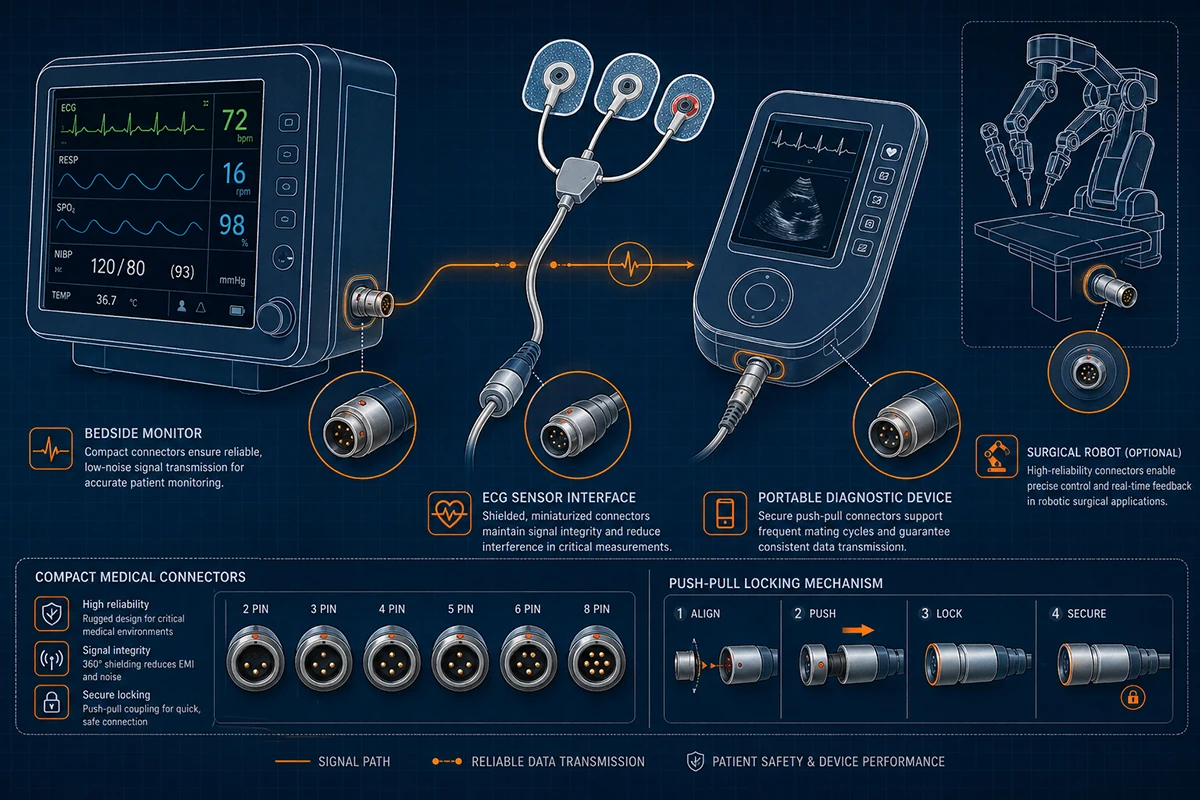
Connectors for Medical Devices
Medical devices require connectors that provide stable signal and power transmission, compact design, and dependable long-term performance. In applications such as diagnostic equipment, monitoring systems, and portable medical devices, the right connector helps support precision, reliability, and efficient system integration.
Engineering & Reliability
Connector engineering involves critical design considerations such as electrical performance, material selection, plating technology and long-term reliability.
Understanding engineering principles behind connectors helps engineers design more stable electronic systems and ensure consistent signal and power transmission in demanding environments.
This section explores the key technical factors that influence connector performance, durability and reliability.
Follow a manual added link
Why Salt Spray Testing Matters
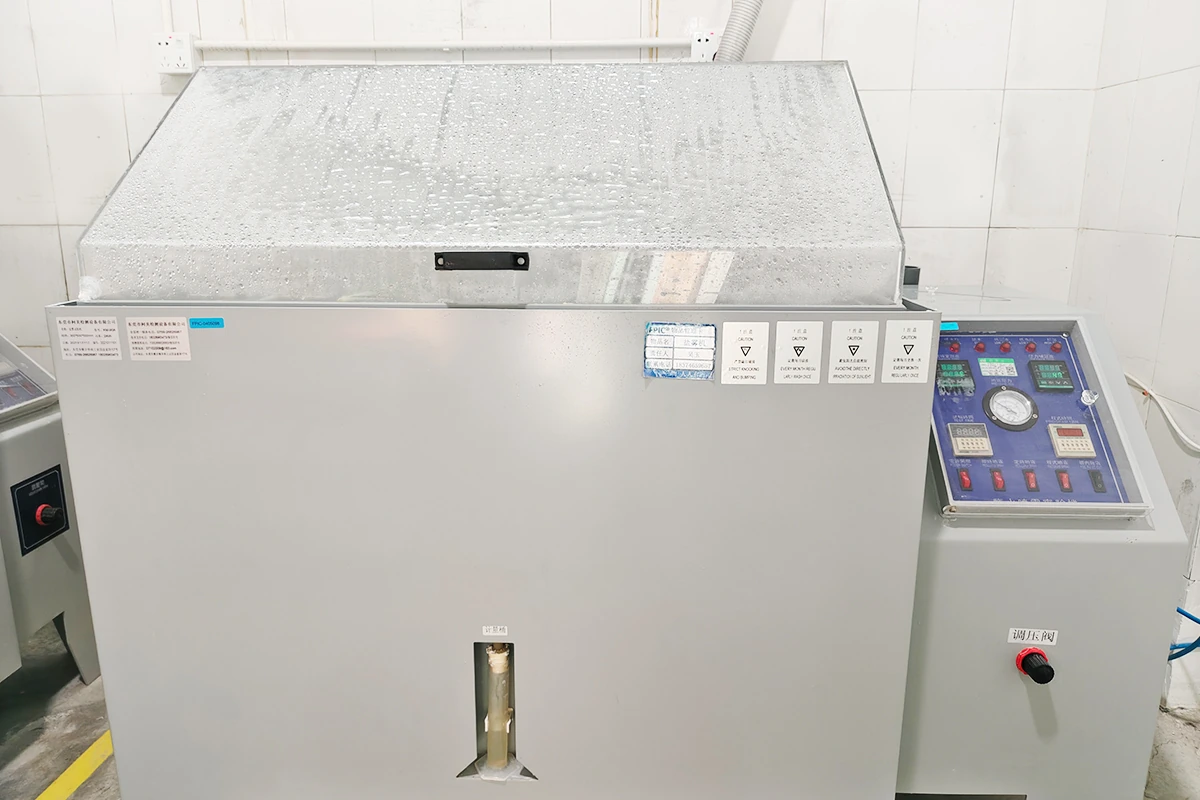
Learn why corrosion resistance is critical in automotive and industrial connector applications and how testing supports long-term reliability.
Follow a manual added link
Connector Contact Resistance Explained
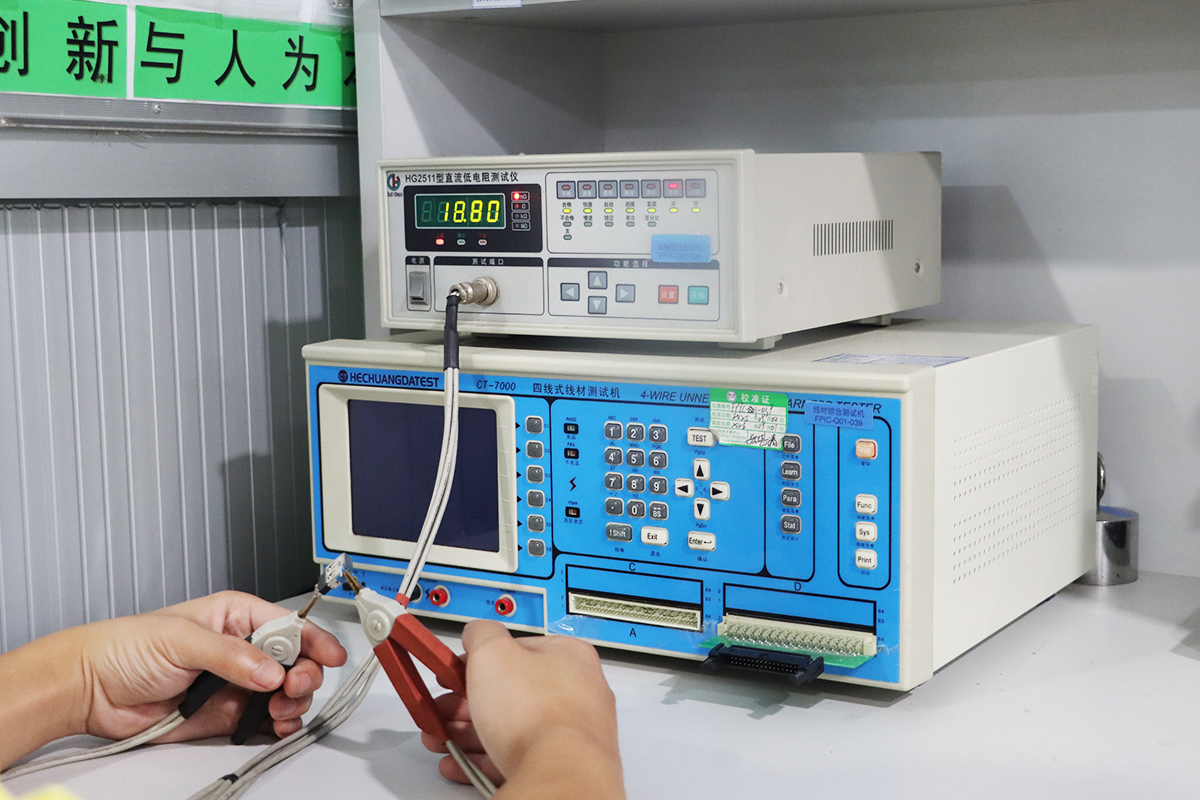
Contact resistance is a key parameter affecting connector performance. This guide explains how contact resistance forms and how materials and surface plating influence electrical stability.
Follow a manual added link
Connector Plating and Performance
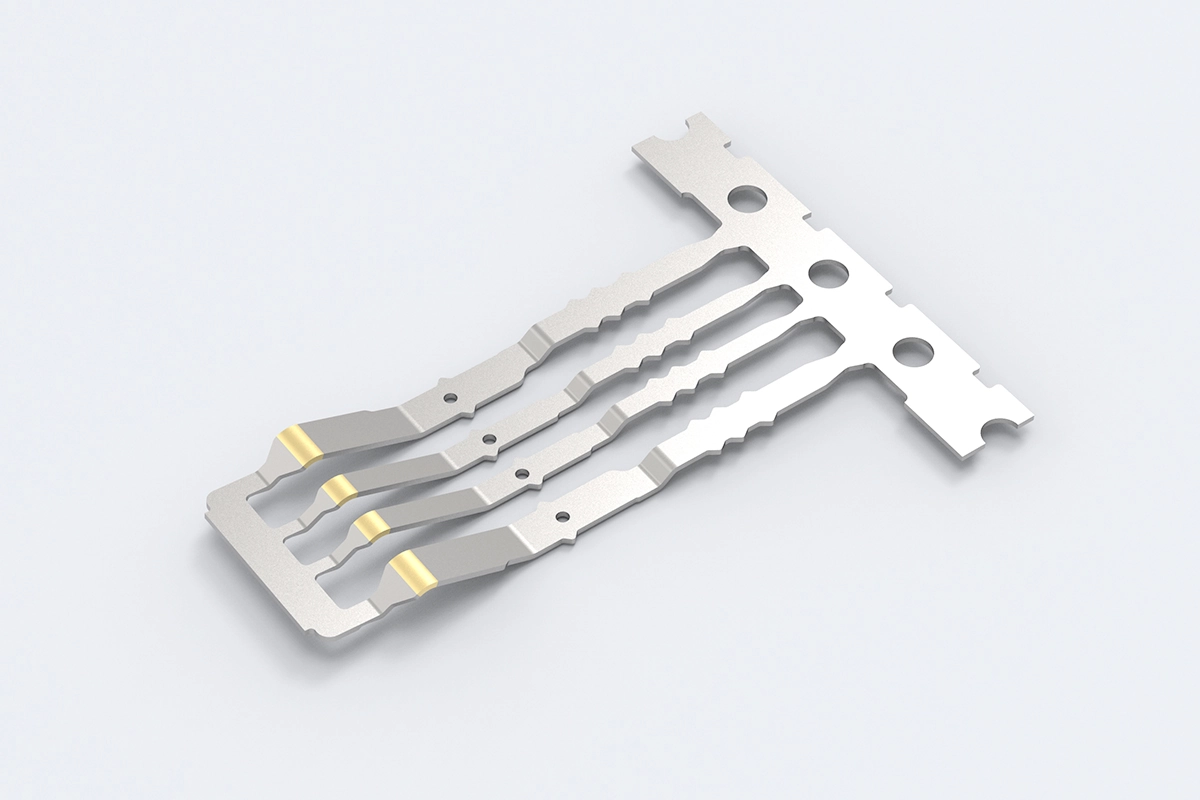
Connector plating materials such as gold, tin and nickel affect conductivity, corrosion resistance and durability. Understanding plating options helps improve connector reliability.
Follow a manual added link
Plastic Mold Design Standardization

Understand how mold design standardization supports stable connector component production, better manufacturability, and more consistent quality.
Follow a manual added link
Connector Automation Design Standardization
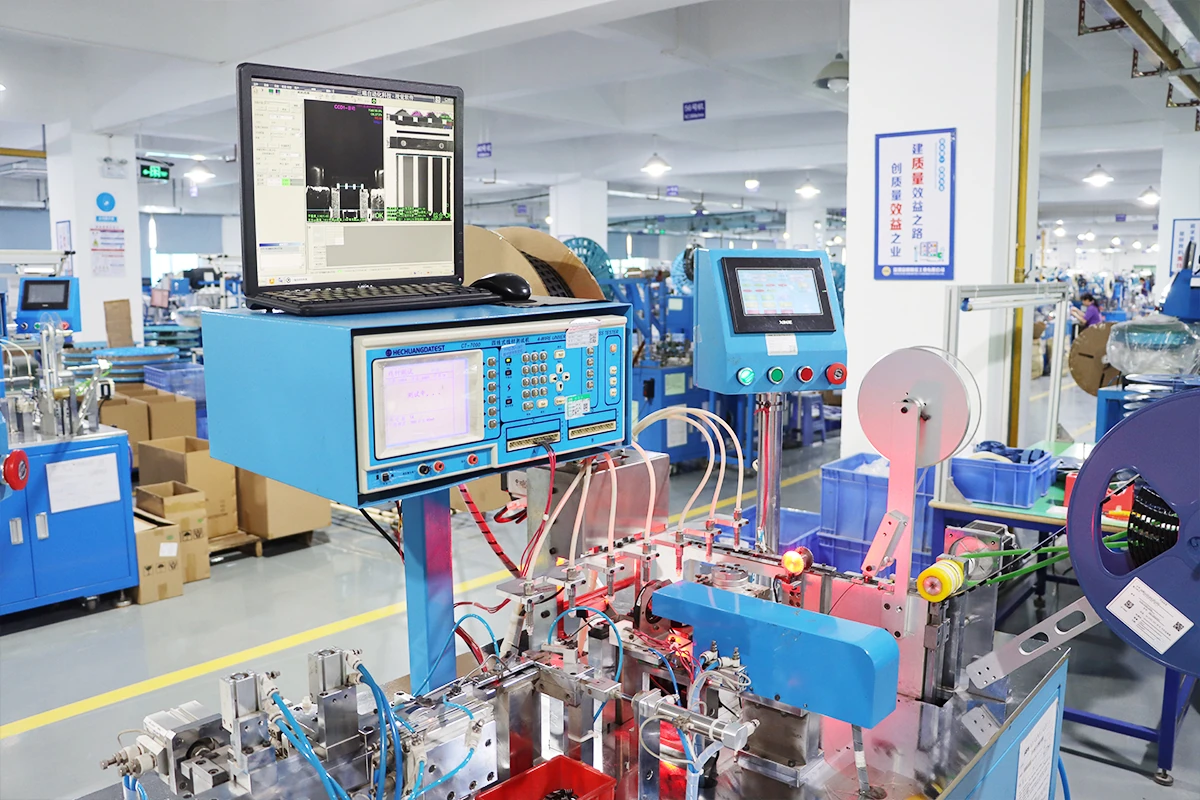
Explore how standardized automation equipment improves stability, changeover efficiency, and scalable production for connector manufacturing.
Follow a manual added link
Quality Control in Mass Production
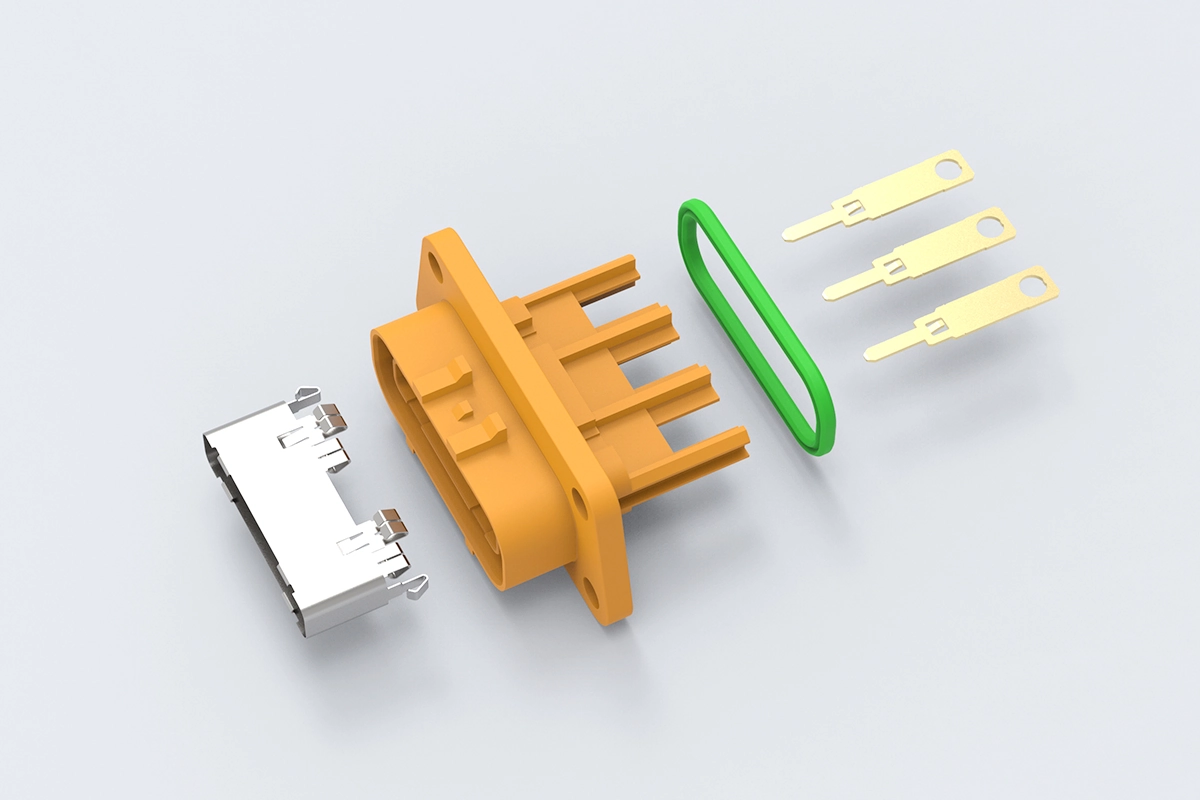
Review the key factors behind stable connector manufacturing, including dimensional control, appearance inspection, and electrical testing.
Connector Comparisons
Electrical connectors come in many designs, each optimized for different electrical, mechanical and environmental requirements. Comparing connector types helps engineers understand the advantages, limitations and best use cases of each design.
In this section, we compare common connector categories to help engineers and designers choose the most suitable connector solutions for their applications.
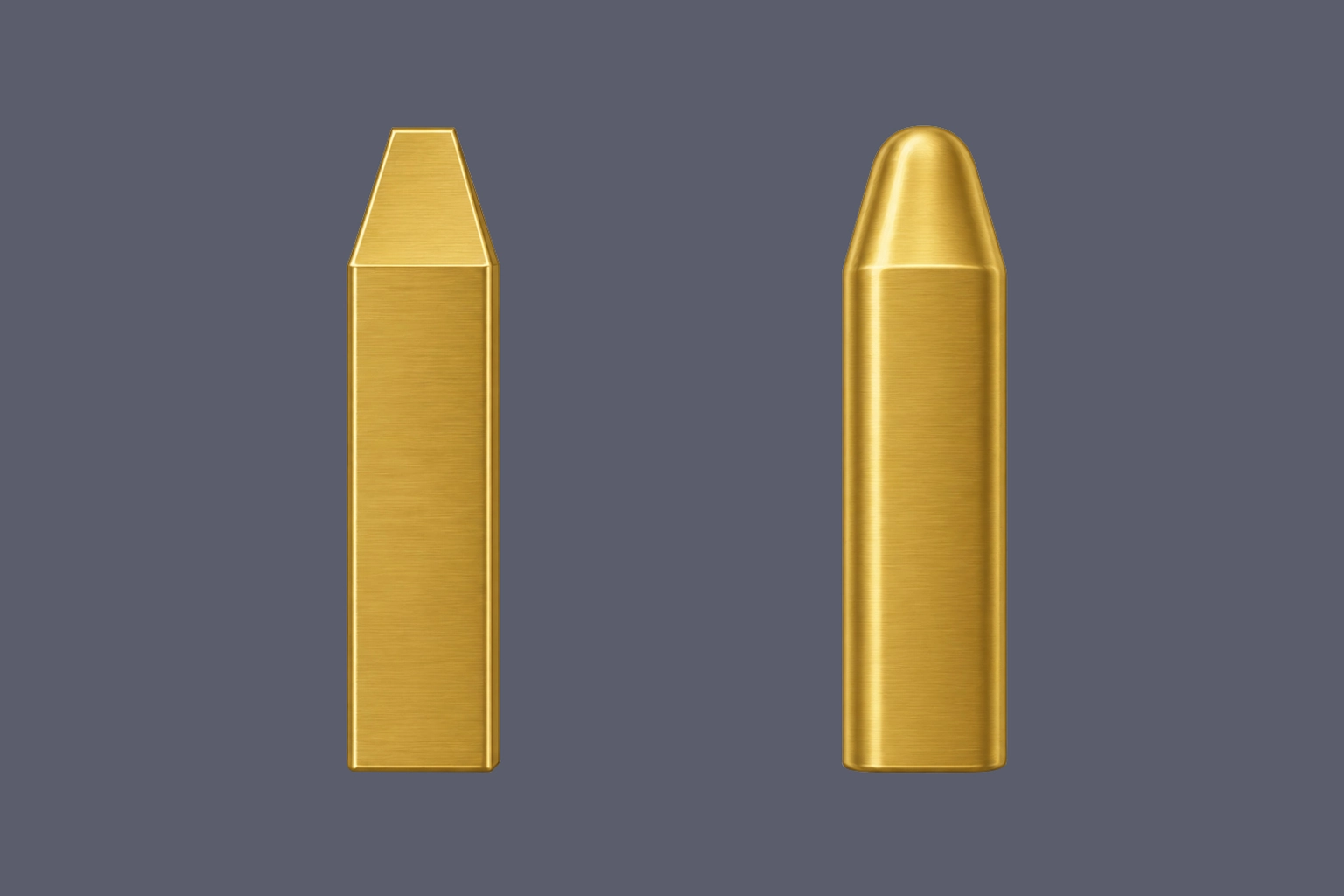
Automotive Terminal Pin vs Standard Pin Headers
Automotive low-voltage terminals use rounded bullet-shaped contact tips for stronger guiding, vibration resistance, and long-term reliability. Standard pin headers are mainly suited for low-vibration PCB connections and basic consumer electronics applications.
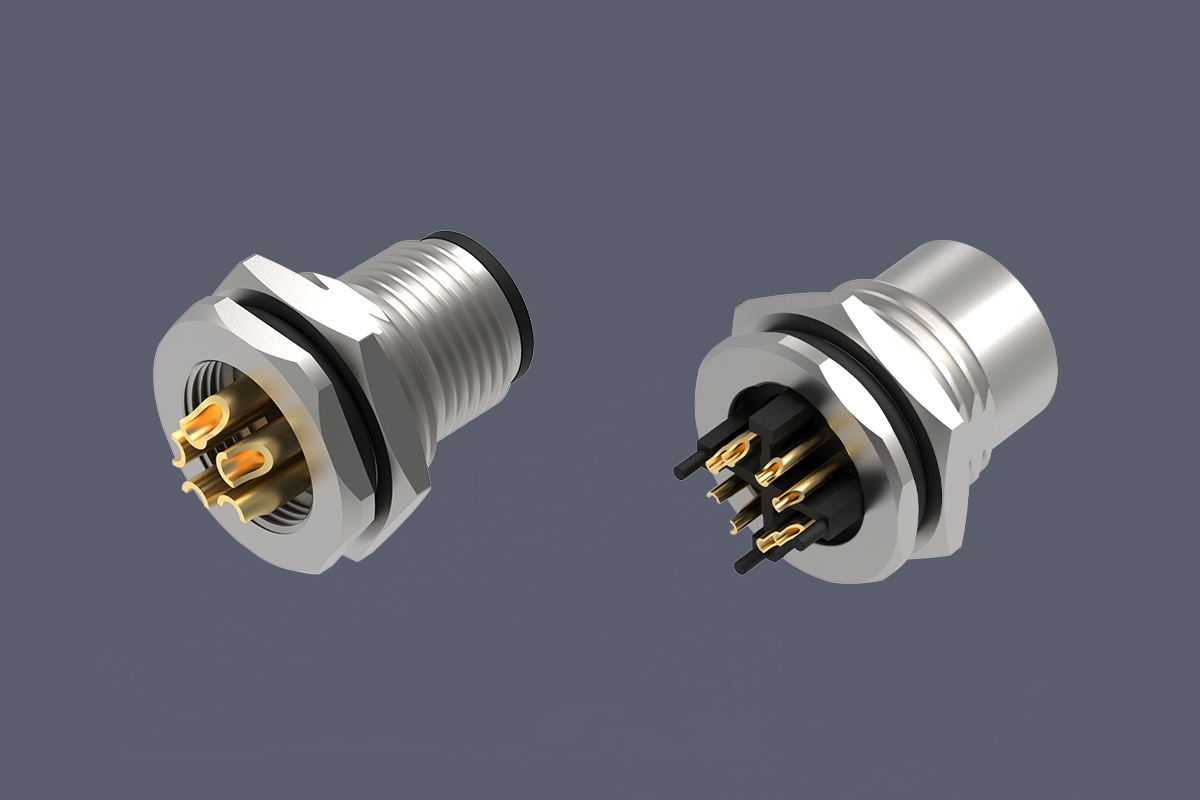
Power Connectors vs Signal Connectors
Power connectors transmit electrical power, while signal connectors carry data or control signals. This guide explains their design differences and common application environments.
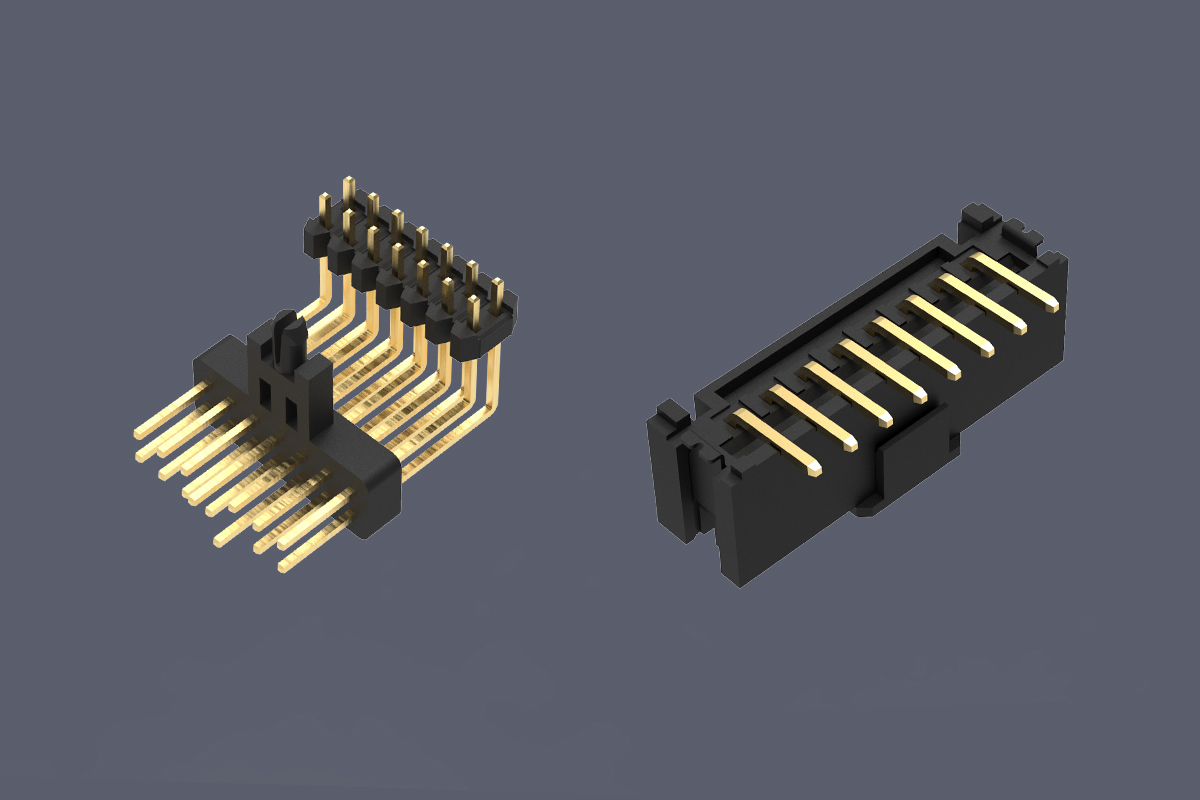
Board-to-Board vs Wire-to-Board Connectors
Board-to-board connectors connect PCBs directly, while wire-to-board connectors link cables to circuit boards. Understanding their differences helps engineers choose the right solution for PCB design.
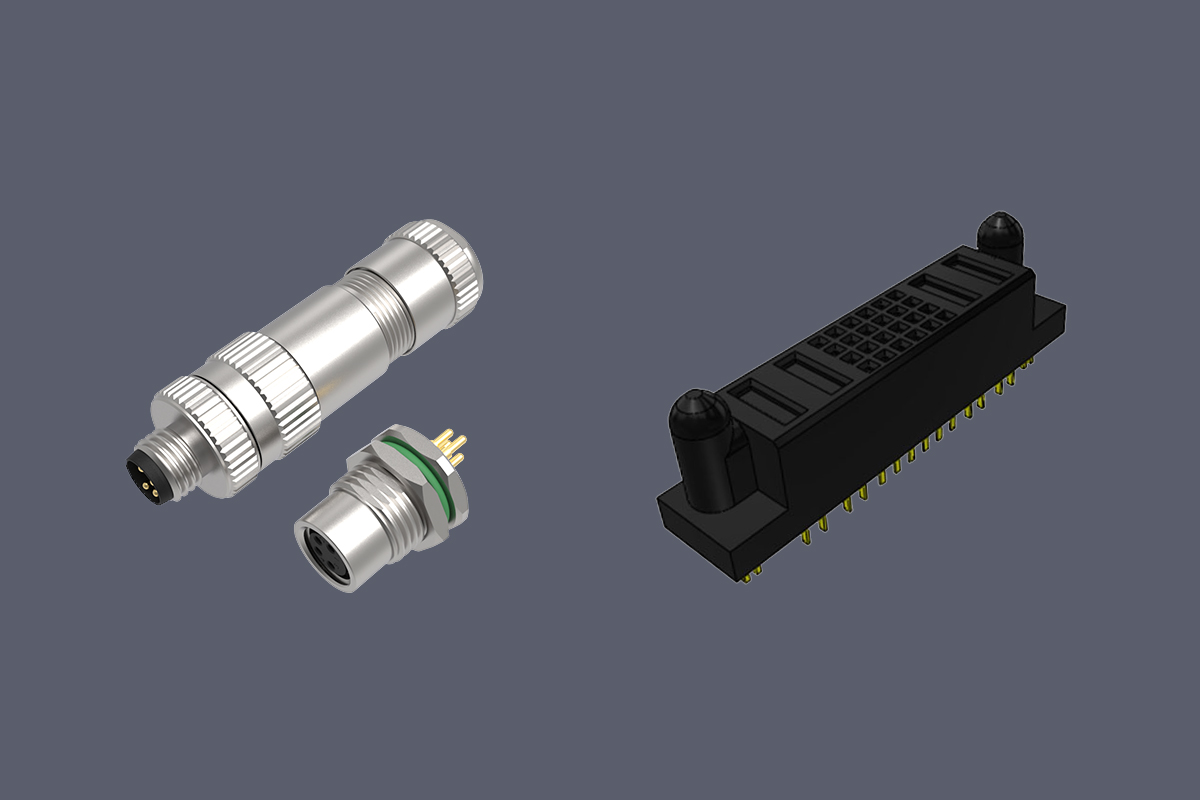
Circular Connector vs Rectangular Connector
Circular connectors and rectangular connectors are widely used in industrial and electronic systems. This guide compares their structures, electrical capabilities and typical application scenarios.
Why Learn from FPIC
FPIC’s connector knowledge content is built from real manufacturing, engineering, and customer project experience. With 23 years of experience in connector and cable assembly manufacturing, FPIC supports industries including automotive, industrial automation, energy storage, and precision electronics.
This knowledge center is designed not only to explain connector theory, but also to help readers understand the practical design, performance, and production factors that affect real applications.
If you are developing a new product, evaluating connector options, or looking for a manufacturing partner with both engineering and production capability, FPIC is ready to support your project.