R&D Capability
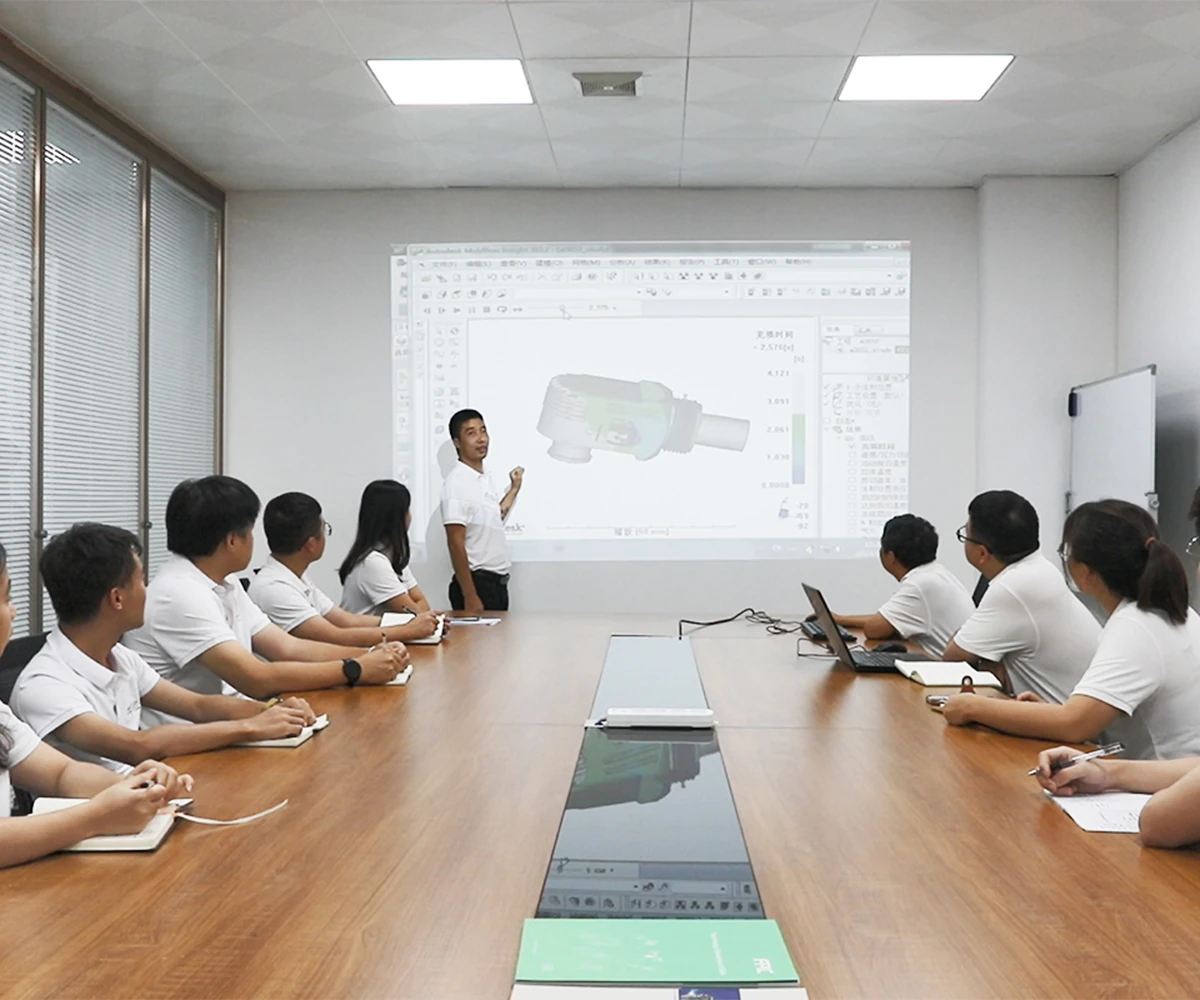
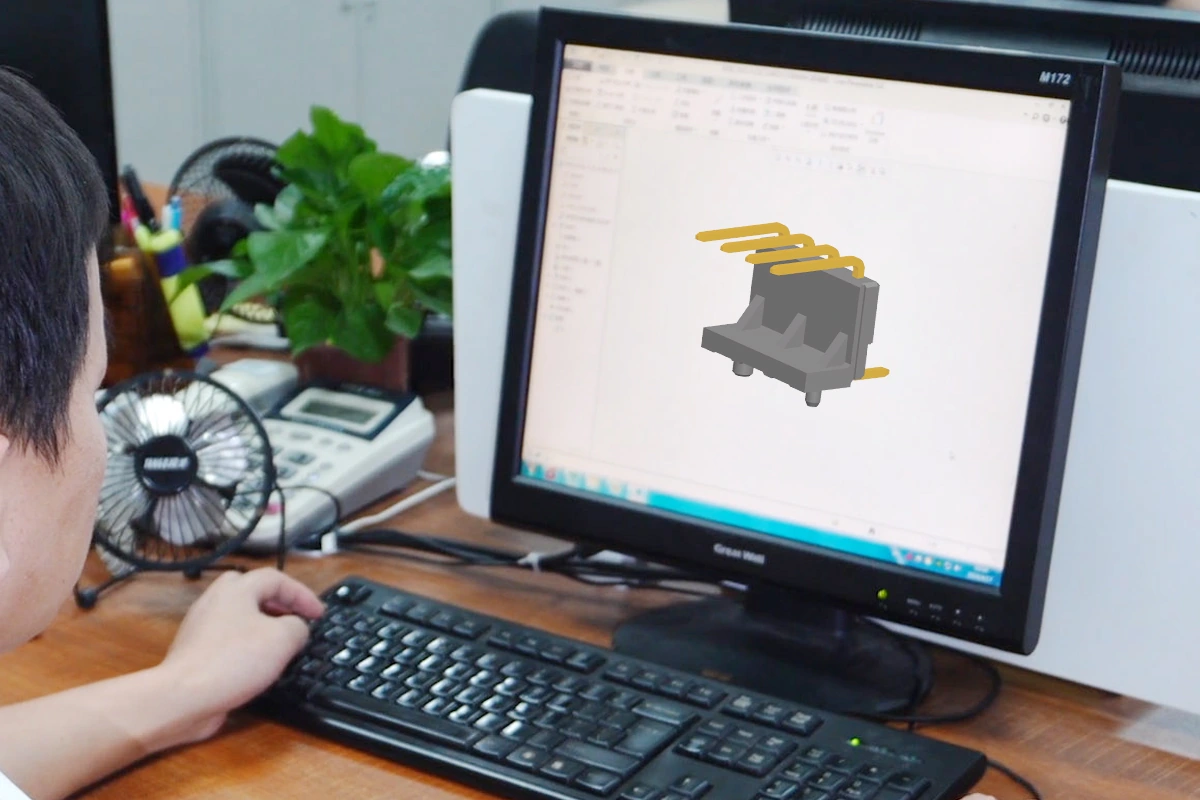
FPIC supports custom connector and precision component development through engineering design, CAE simulation, tooling development, and laboratory validation.
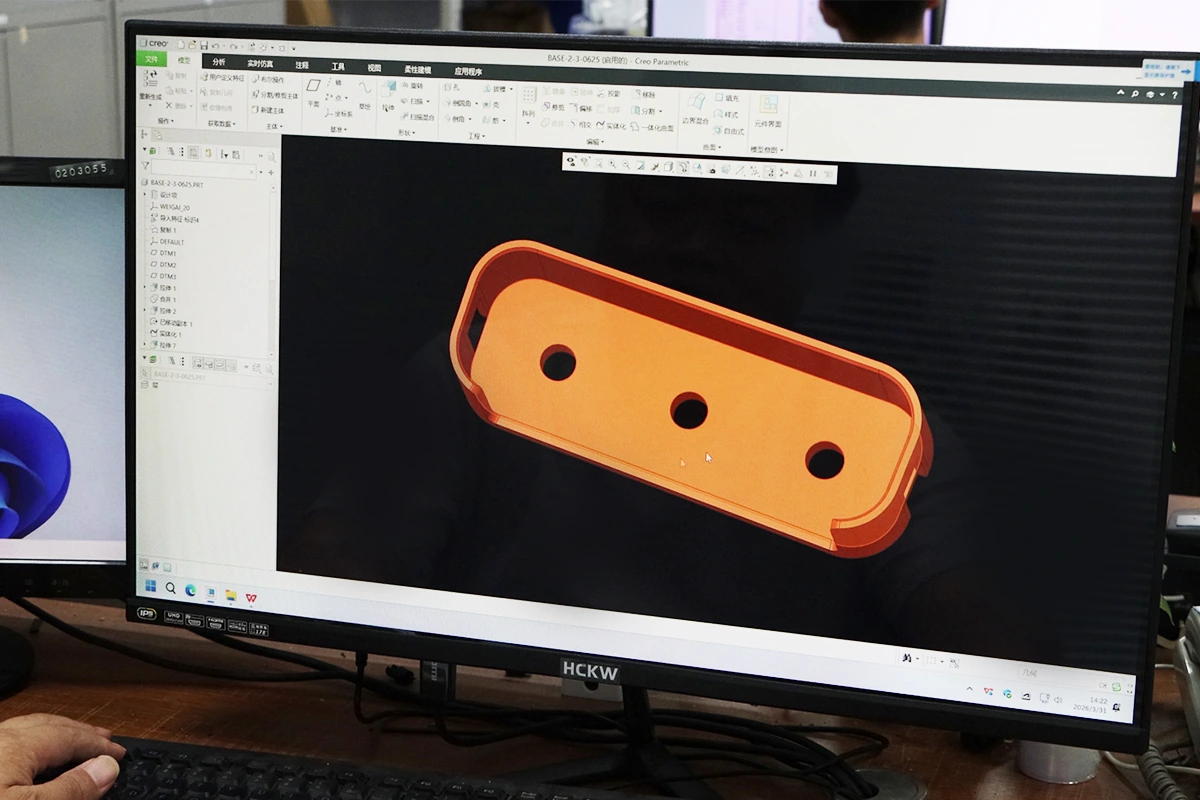
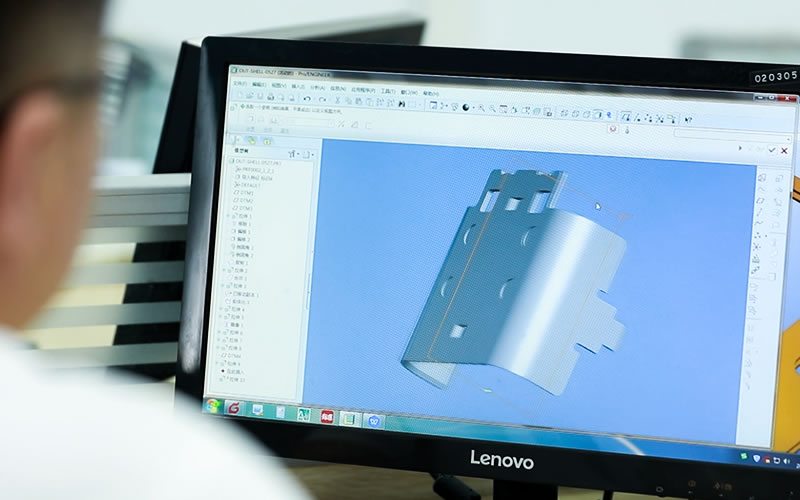
FPIC’s R&D capability combines engineering design, simulation analysis, tooling development, and product validation to support both standard products and custom OEM/ODM projects.
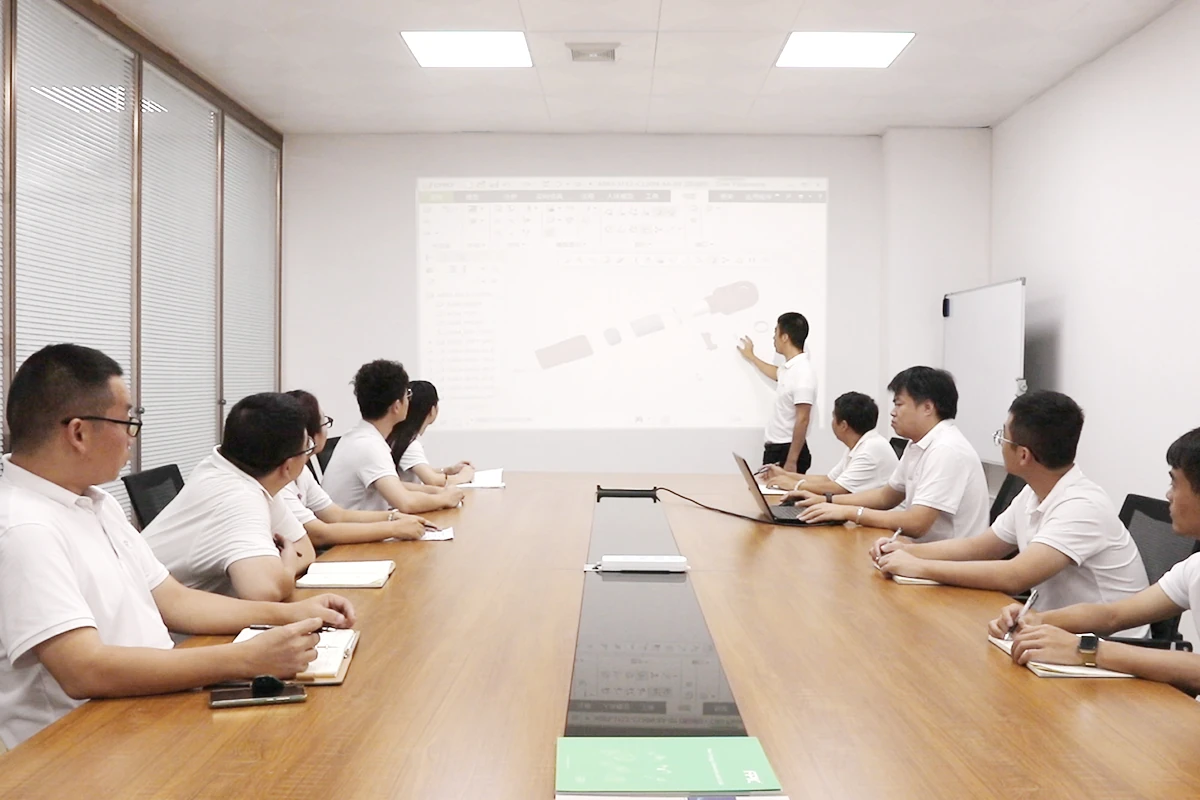
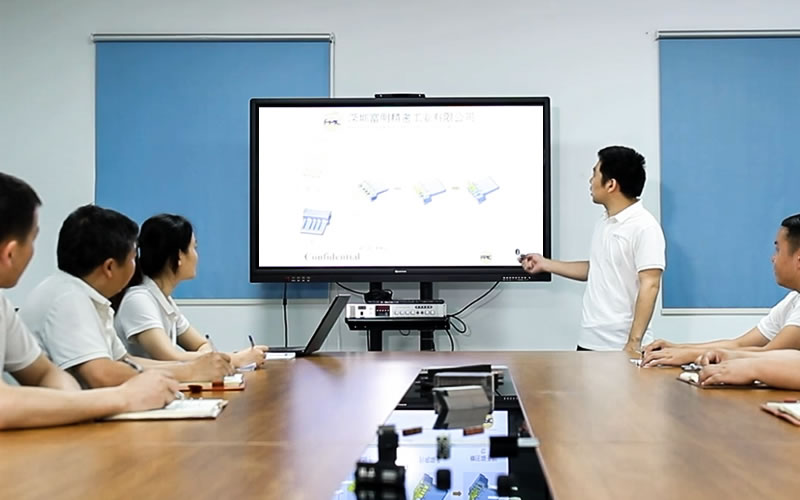
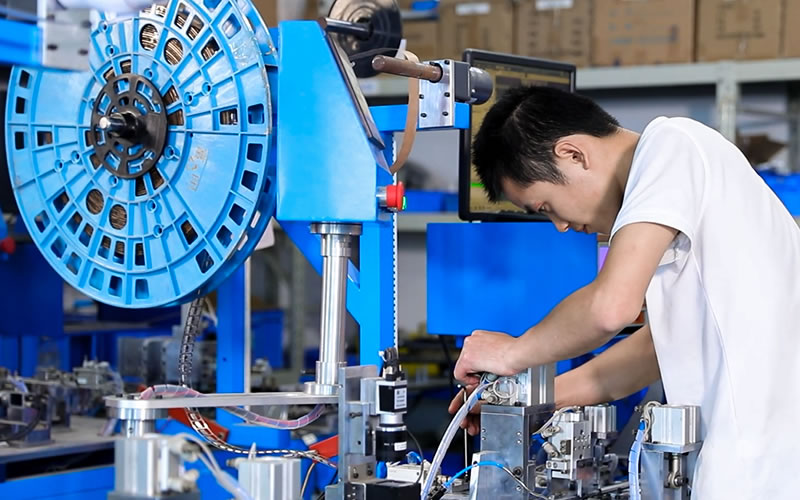
Our engineering team works closely with product, tooling, and manufacturing departments to improve development efficiency and reduce project risk. From initial concept review to prototype validation and mass production support, FPIC provides structured technical support for connector and component projects.
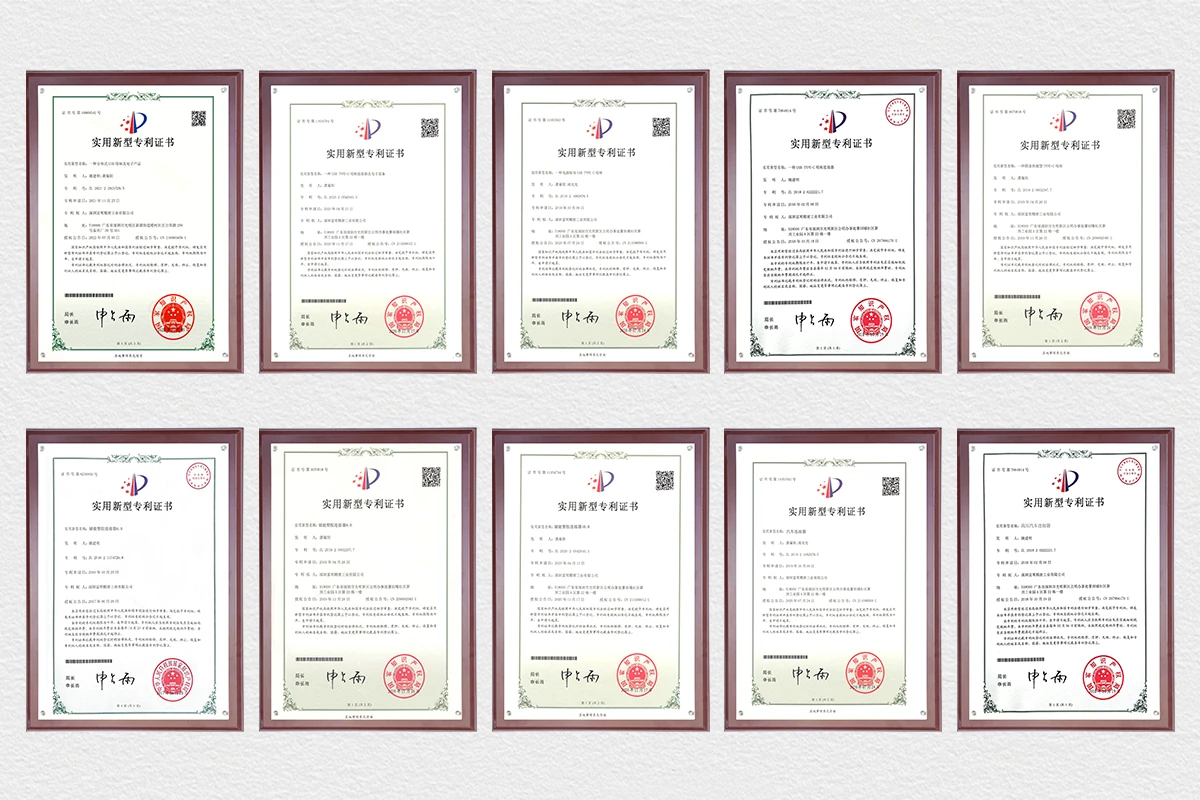
FPIC continues to invest in product innovation and engineering capability to support long-term technology development.
These achievements reflect our long-term focus on product structure optimization, technical innovation, and manufacturable engineering design.
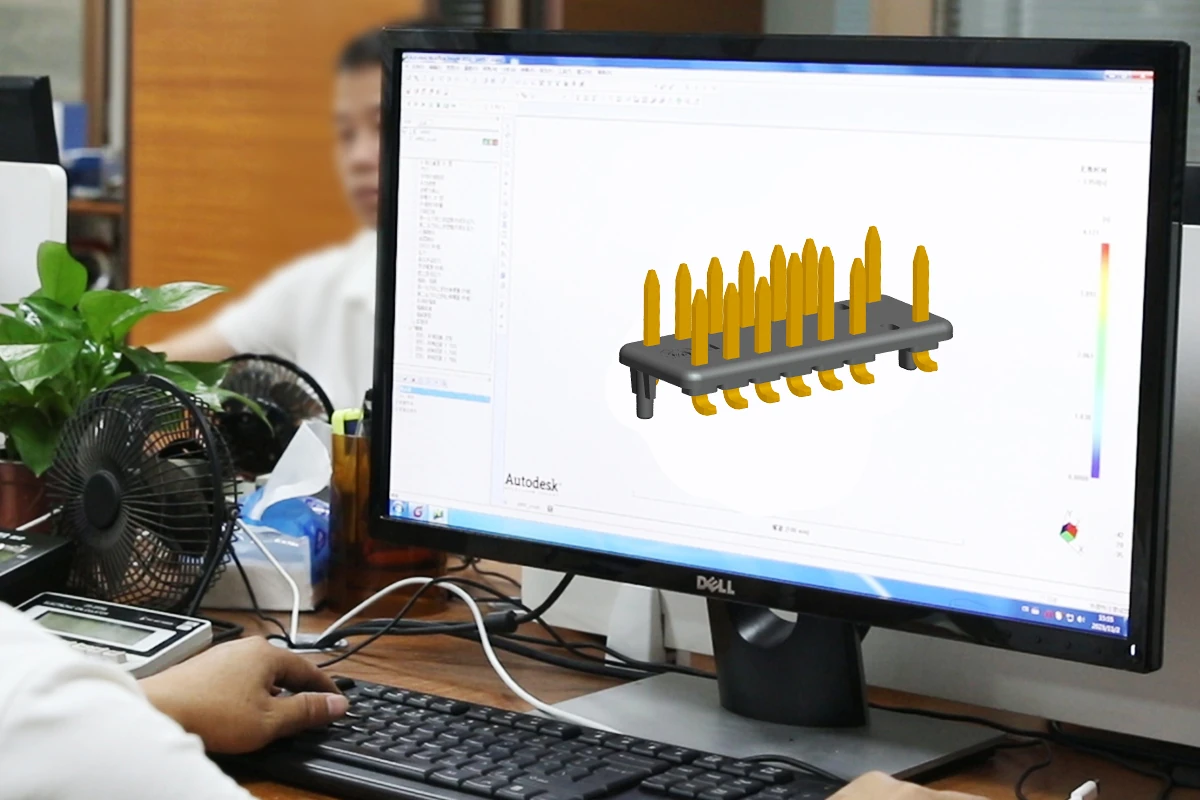
FPIC uses engineering simulation and design support to evaluate product structure, tooling feasibility, and electrical behavior before full-scale production.
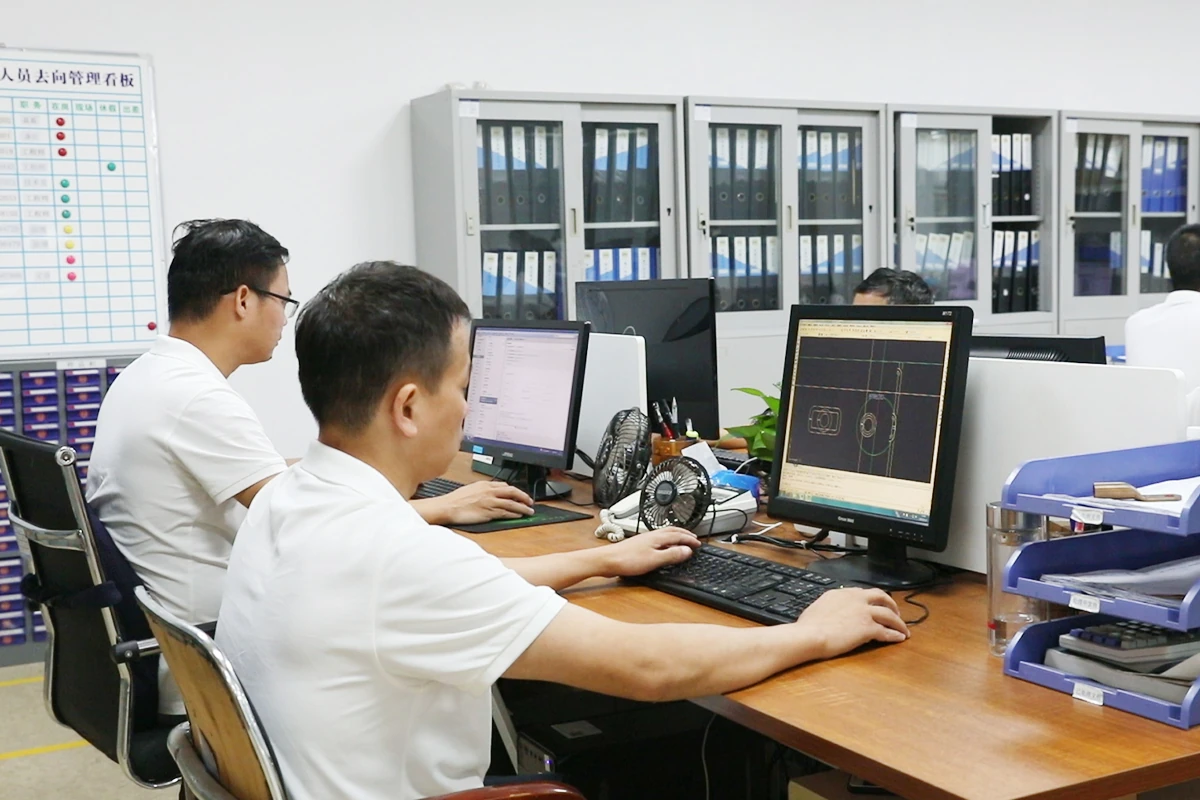
Our engineering team supports product structure design together with tooling development, helping improve manufacturability and shorten the development cycle from concept to production.
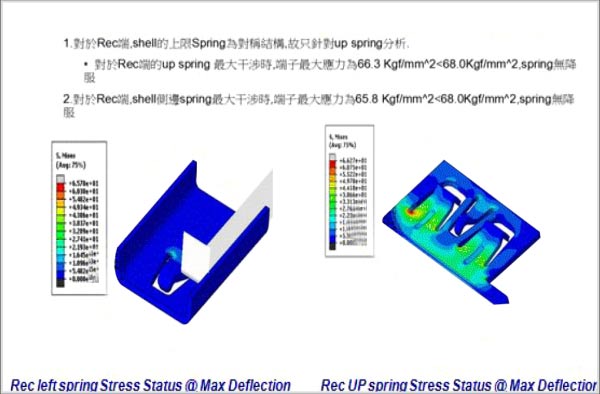
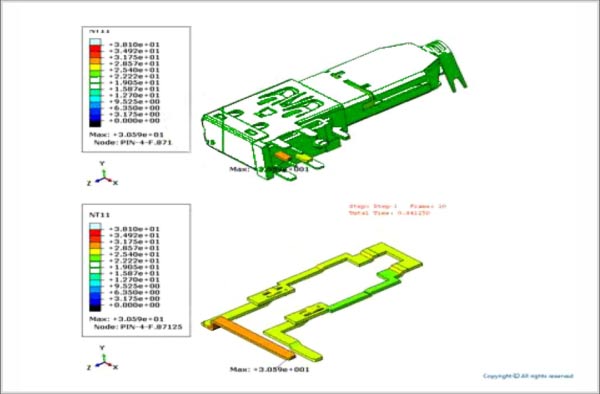
Stress simulation helps evaluate housing and spring structure behavior under design conditions.
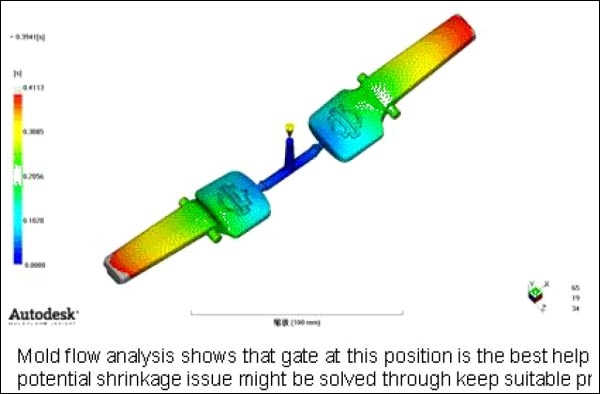
Mold flow analysis supports better tooling design, resin behavior evaluation, and manufacturability optimization.
Electrical simulation helps assess current-carrying behavior and supports safer, more reliable connector design.
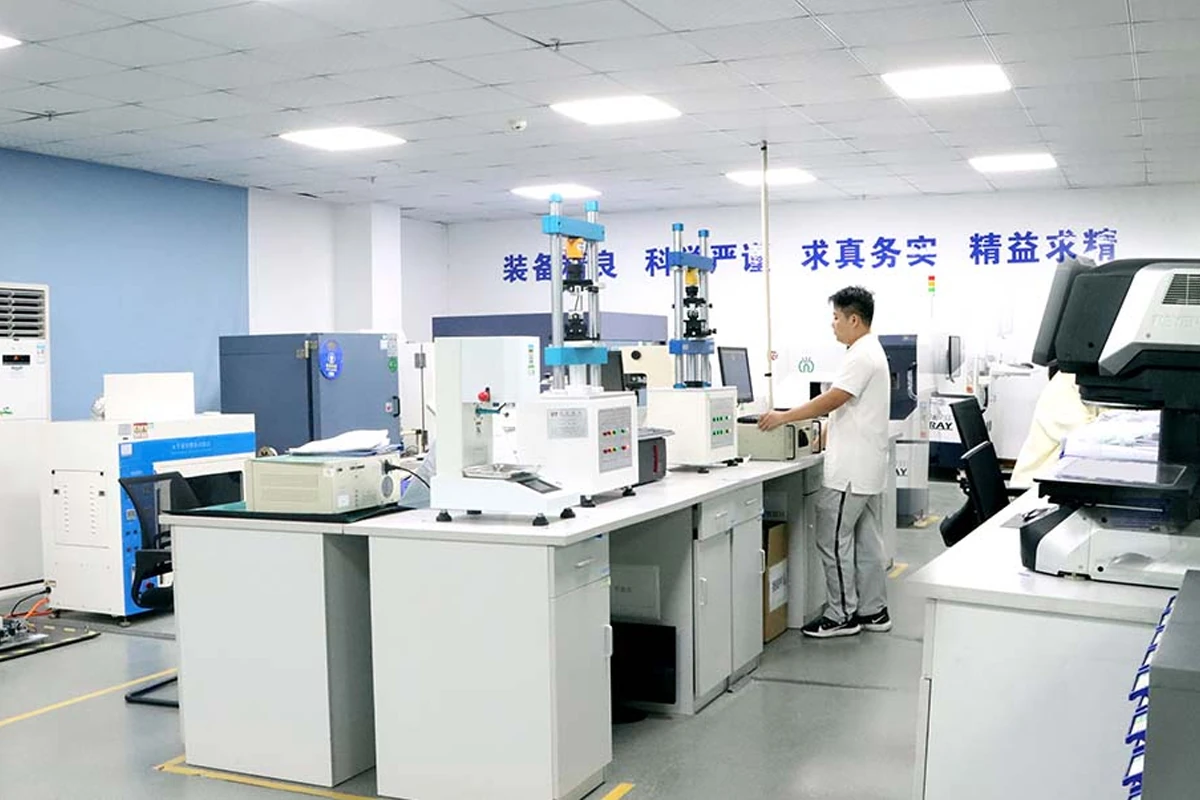
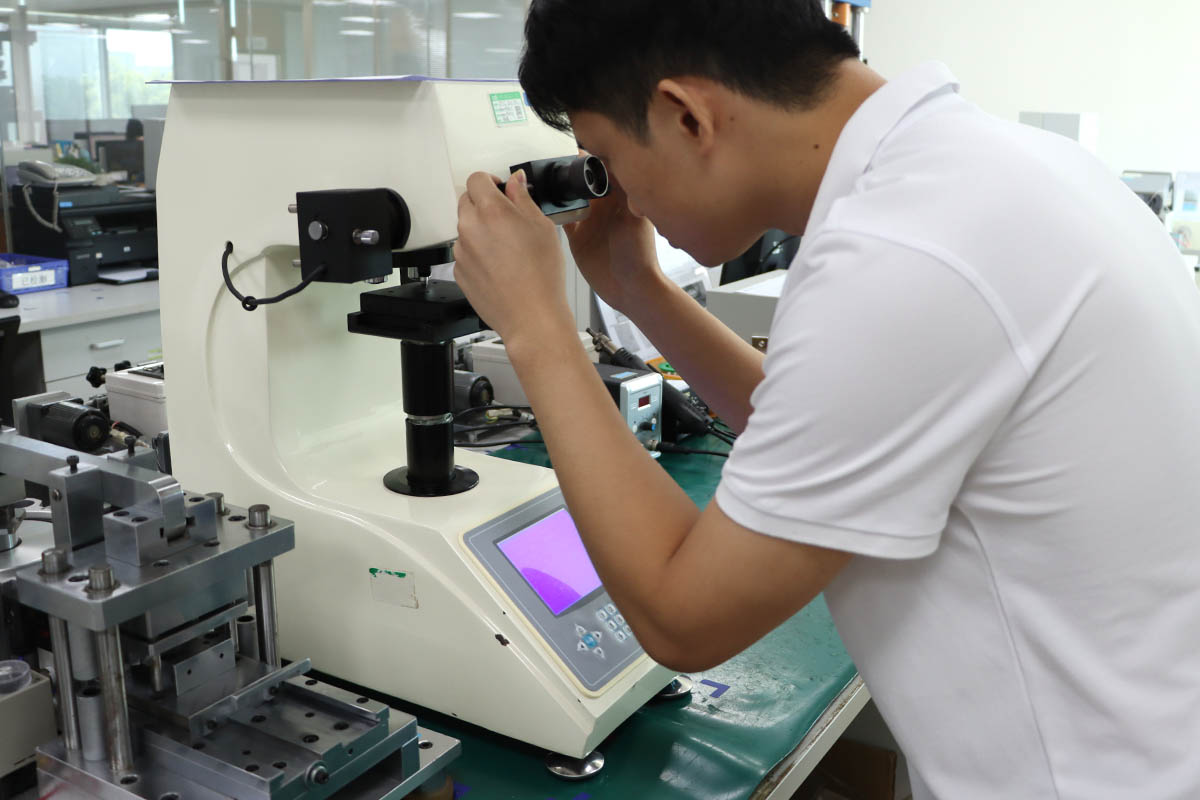
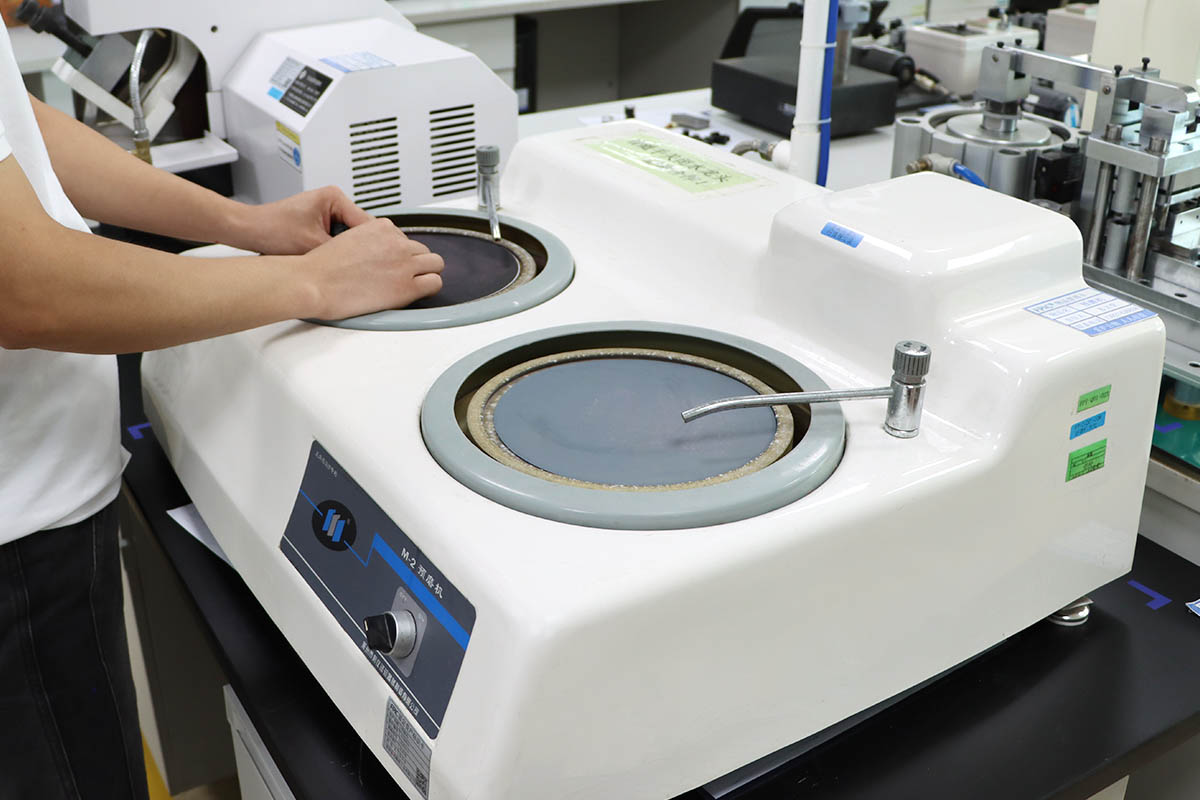
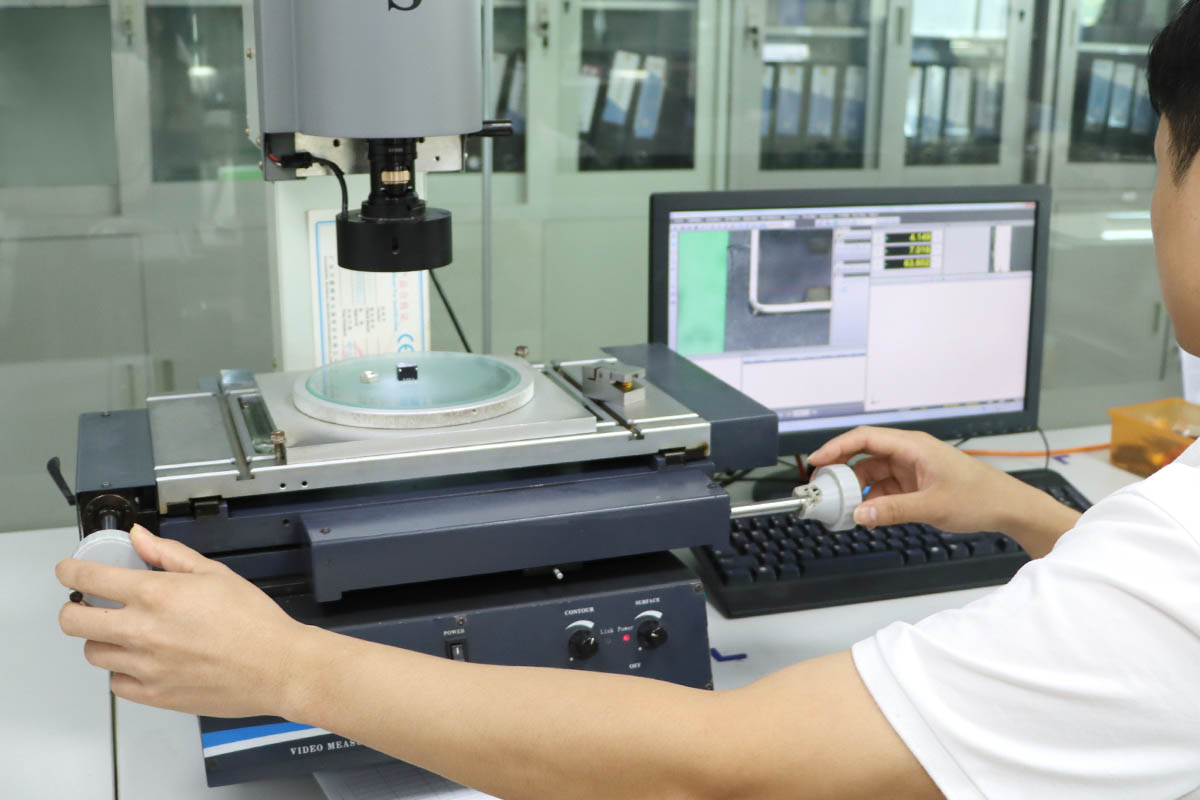
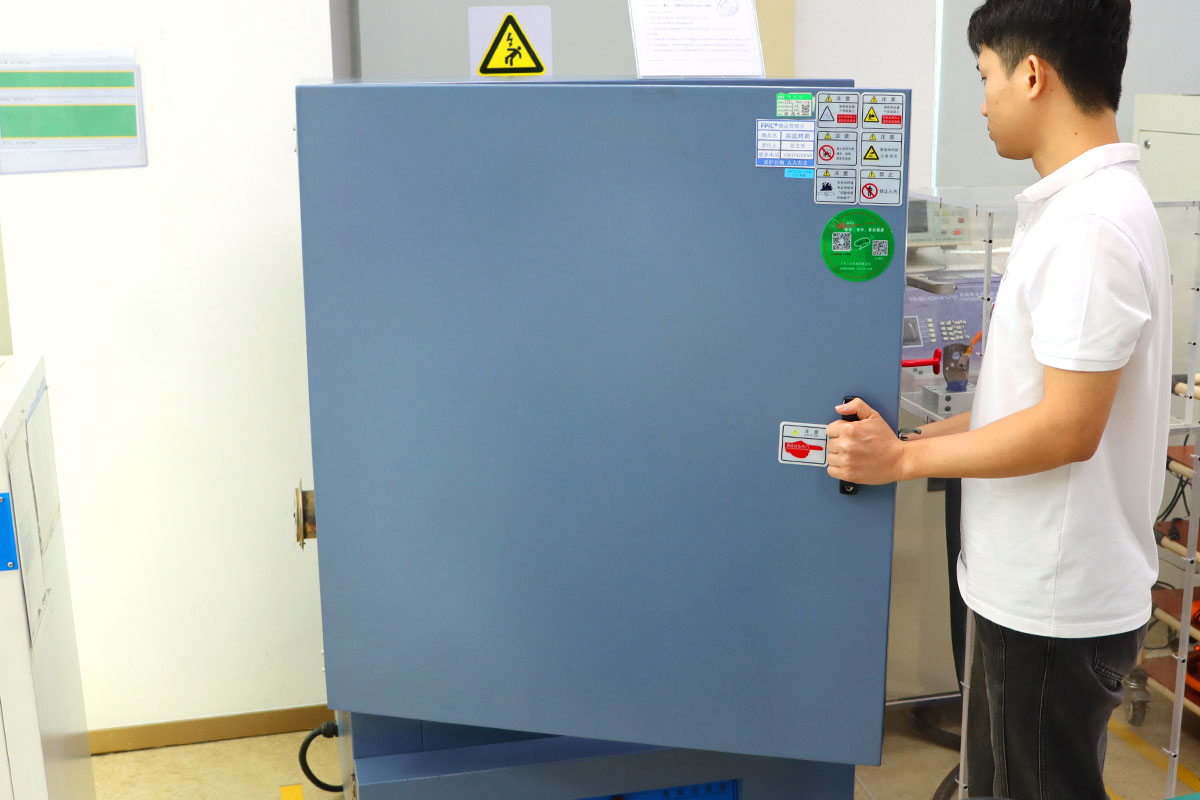
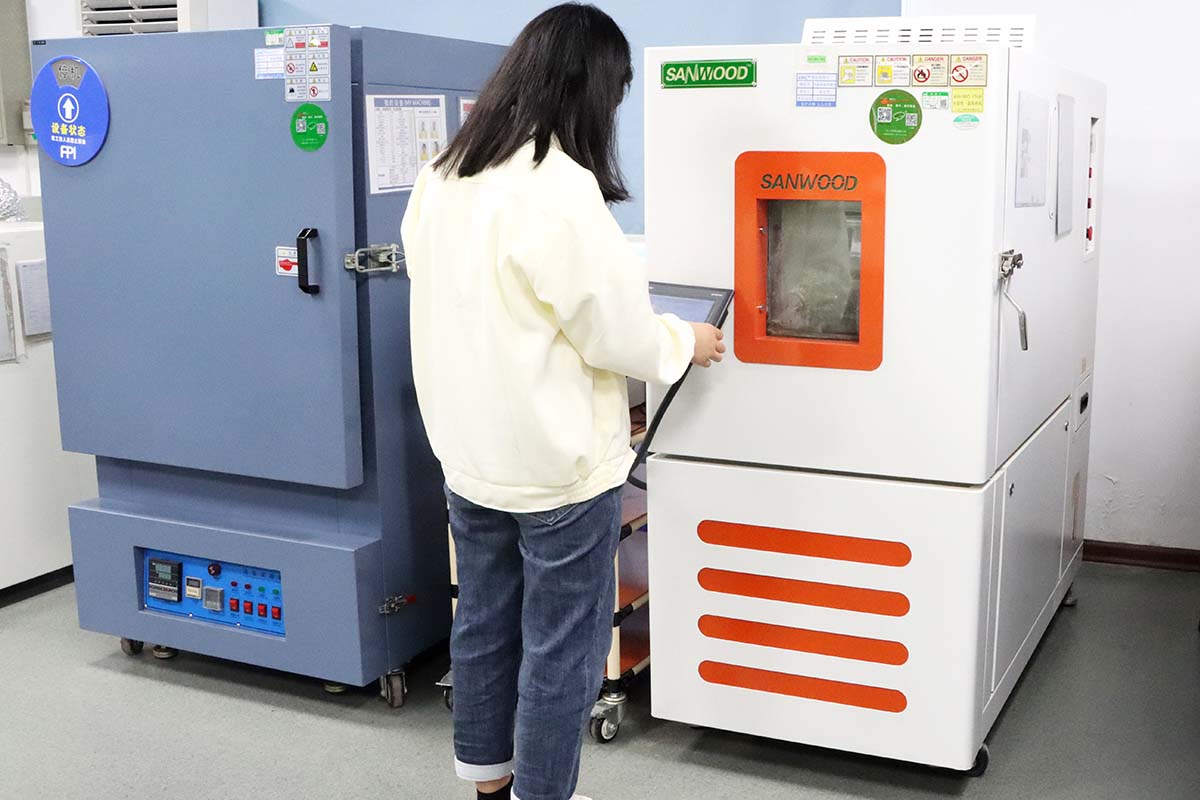
FPIC’s in-house laboratory supports product validation through environmental testing, mechanical testing, electrical performance testing, dimensional verification, and internal structure analysis. Our testing capability helps verify connector and component quality during development, sample approval, process validation, and mass production support.
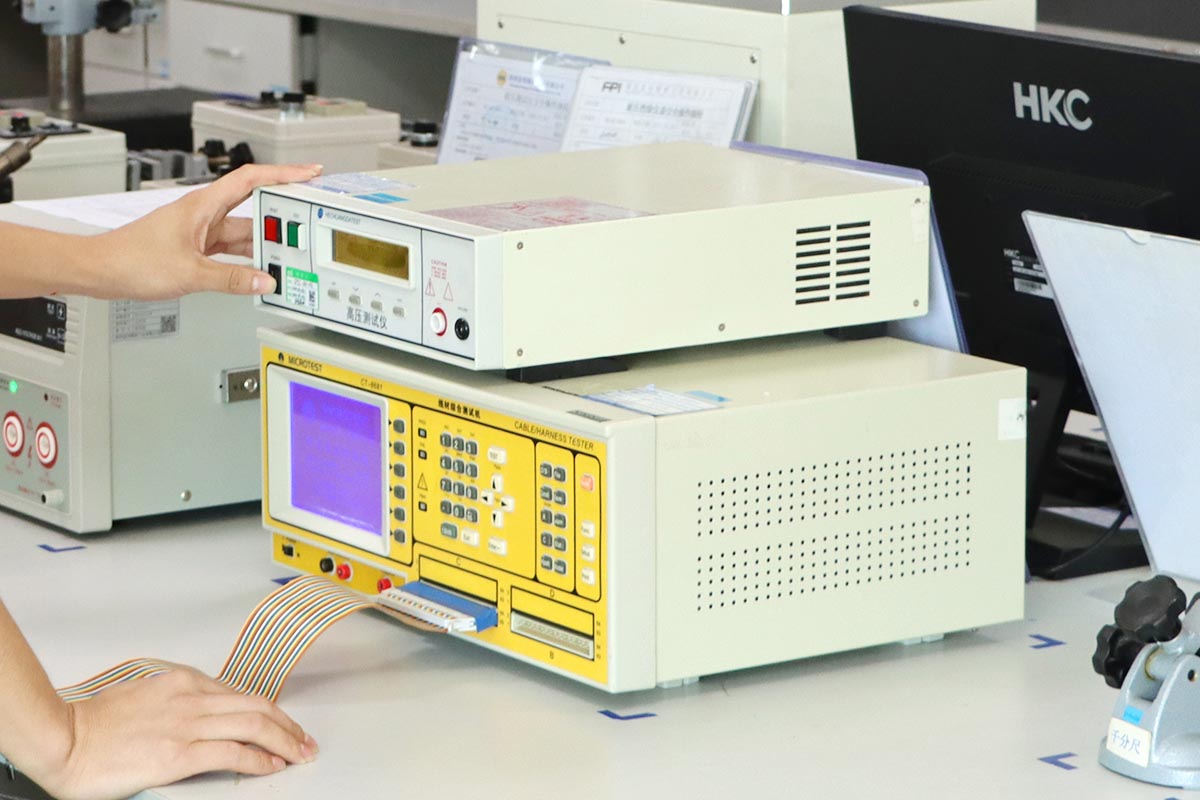
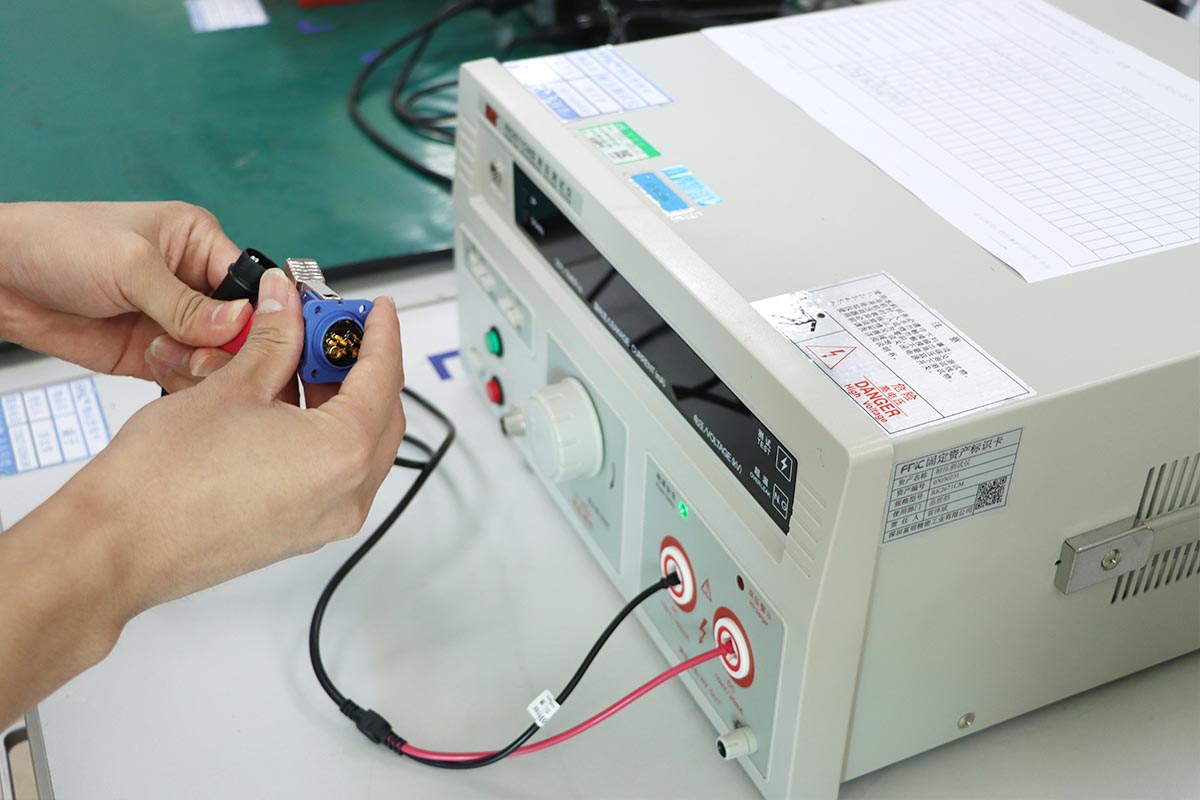
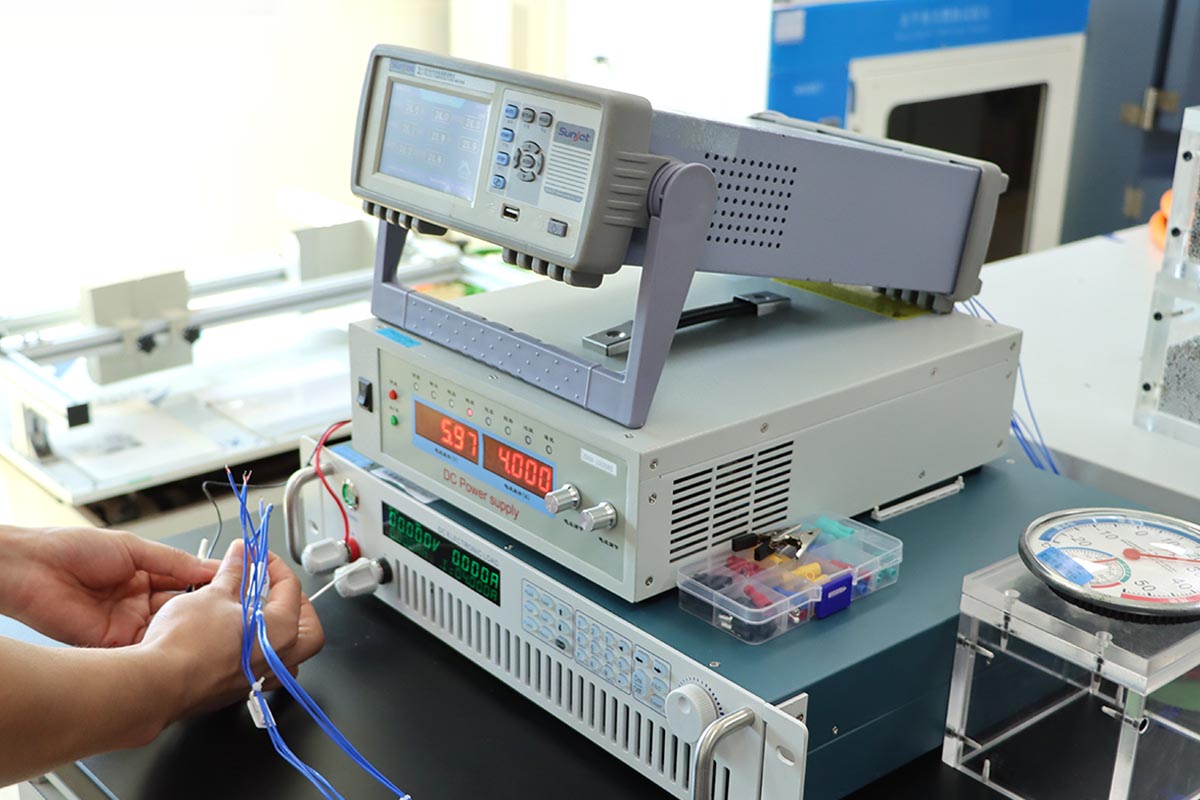
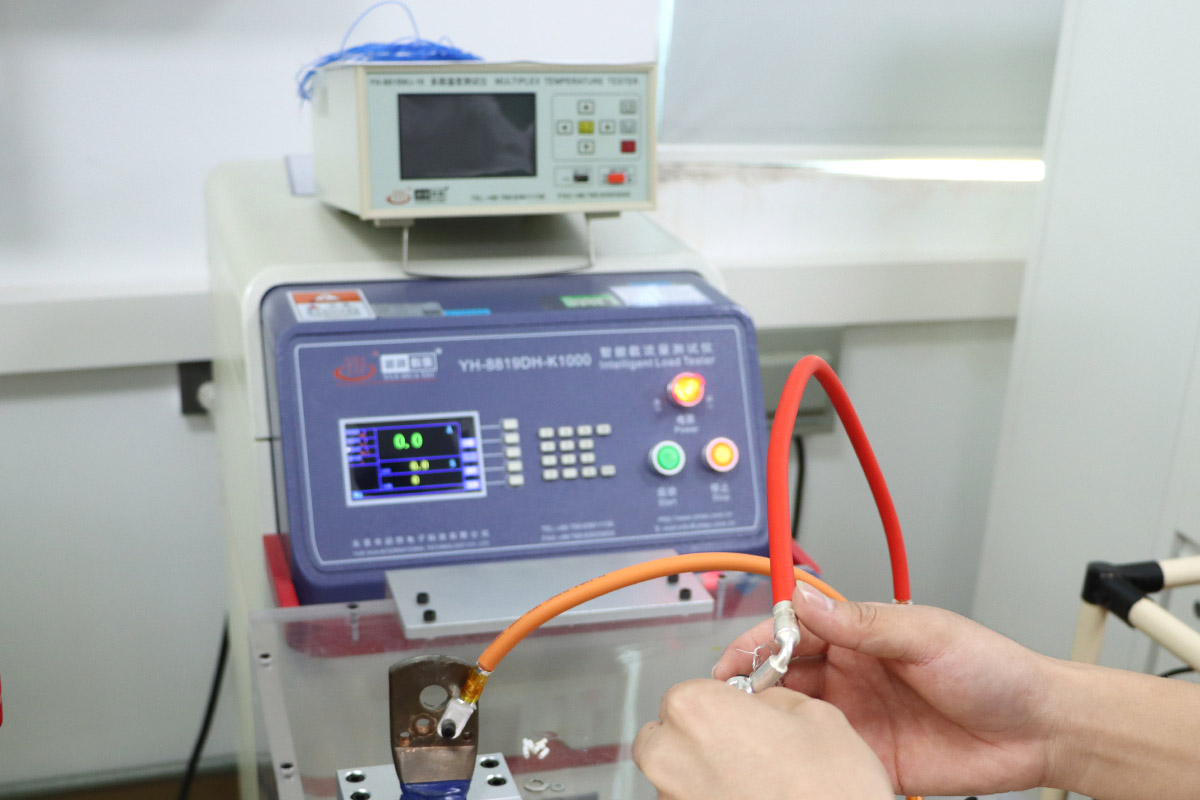
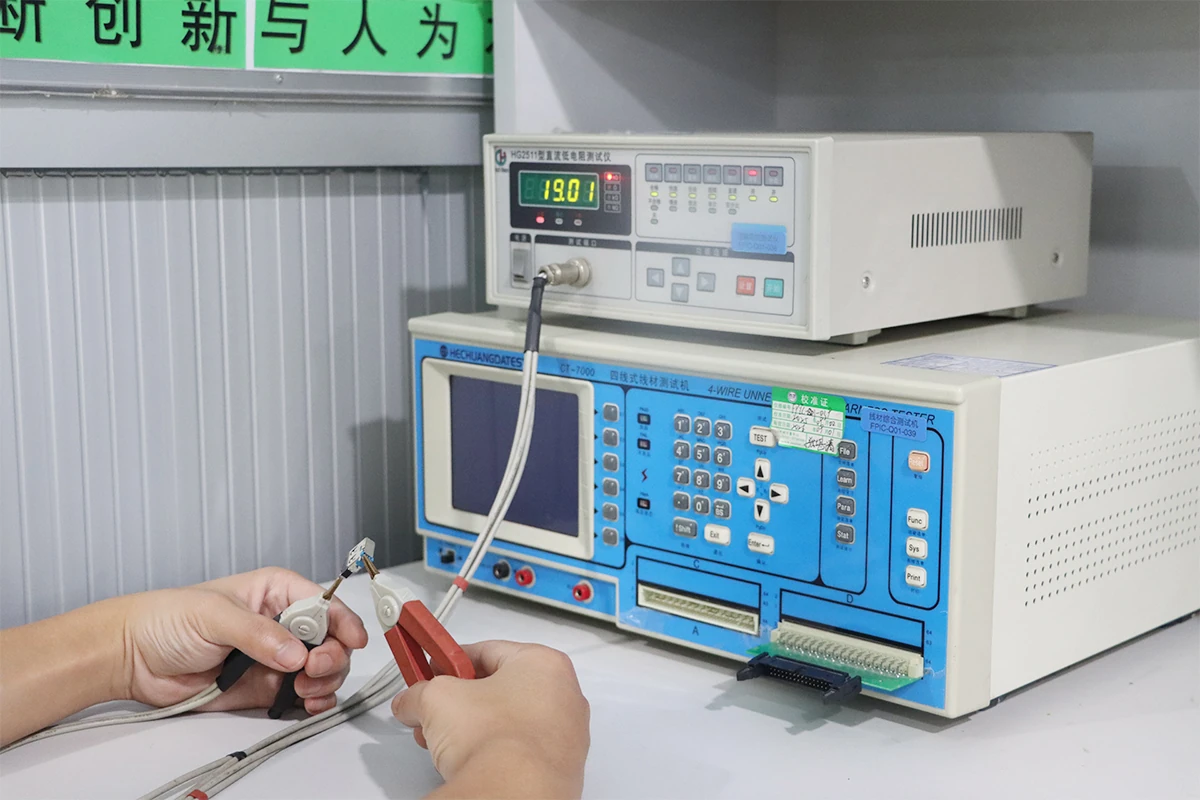
FPIC performs electrical performance testing to verify conductivity, current-carrying behavior, temperature rise, and other critical connector characteristics. Our intelligent current-carrying test equipment is especially suitable for evaluating high-current temperature rise in energy storage and new energy applications, helping improve confidence in power transmission performance and product reliability.
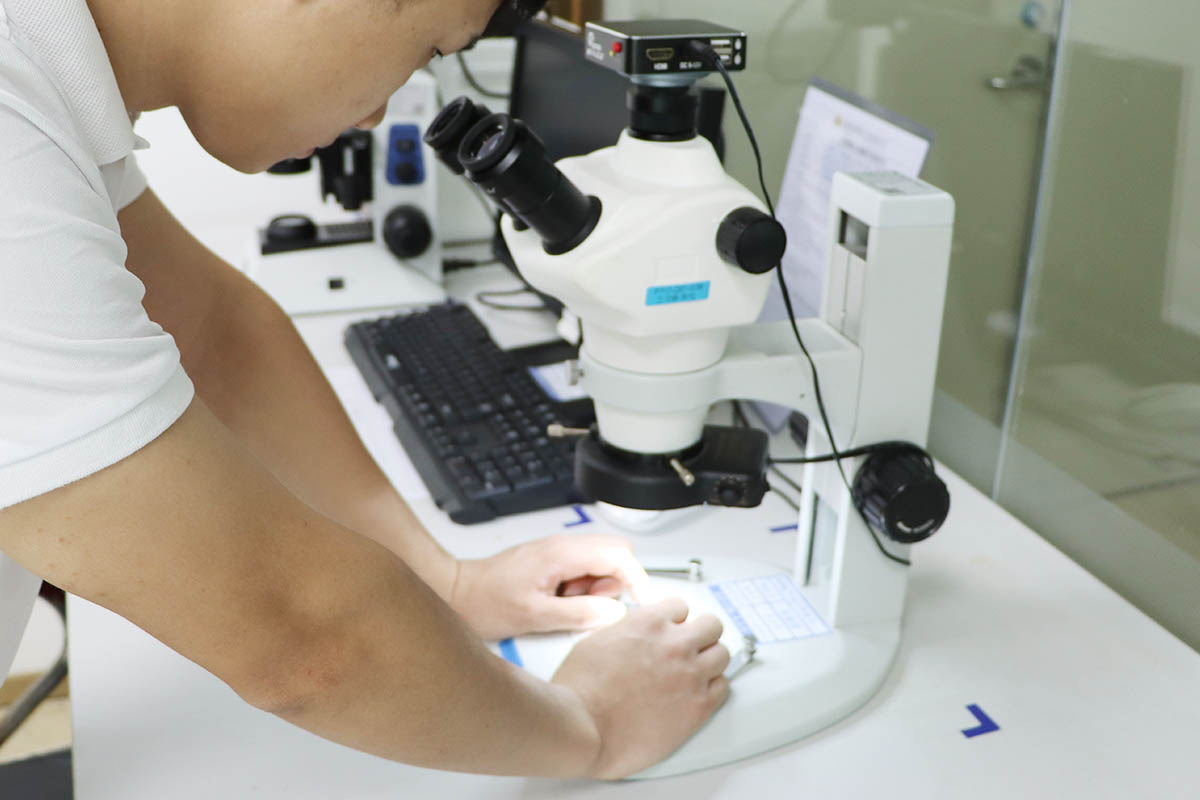
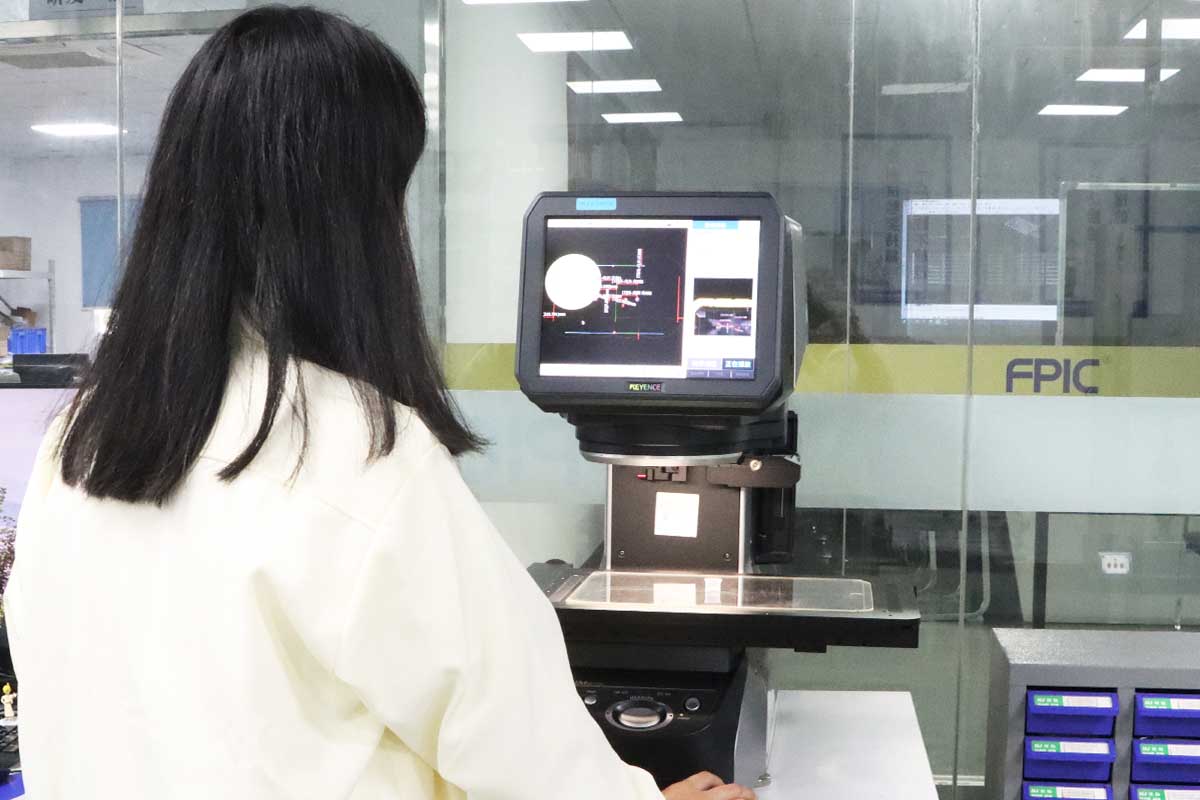
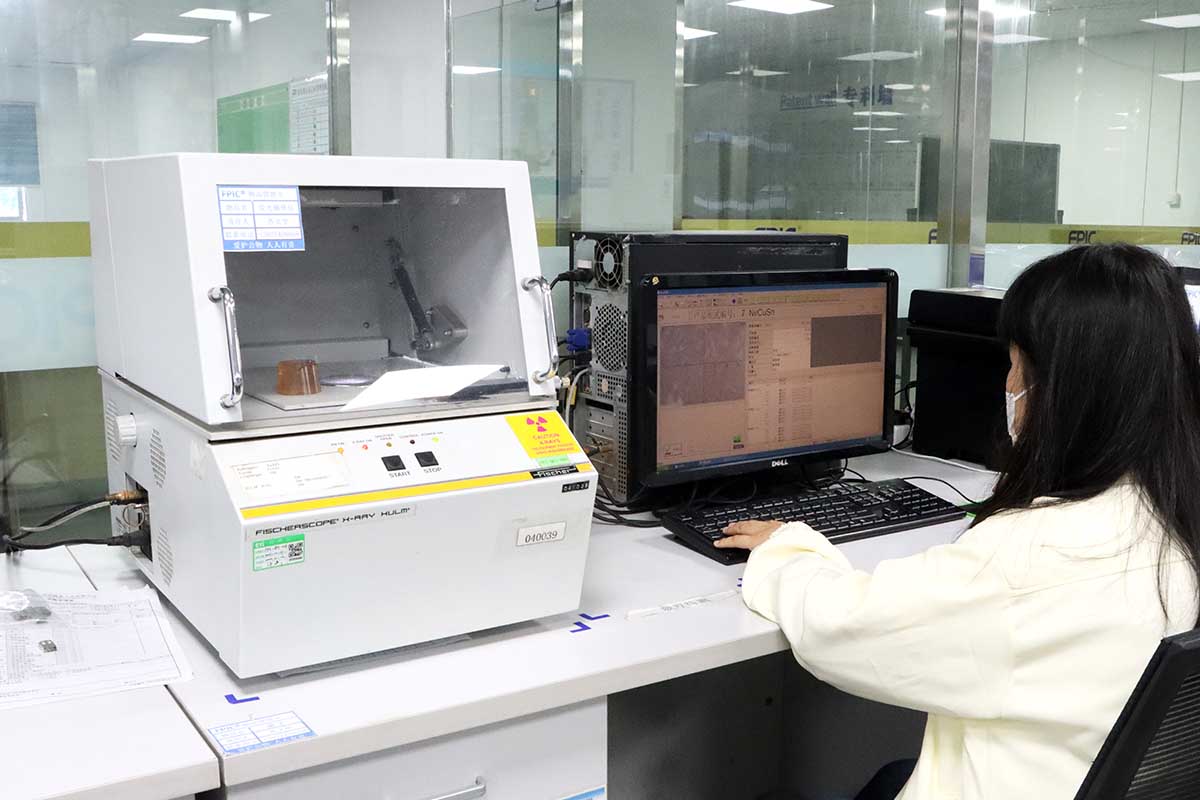
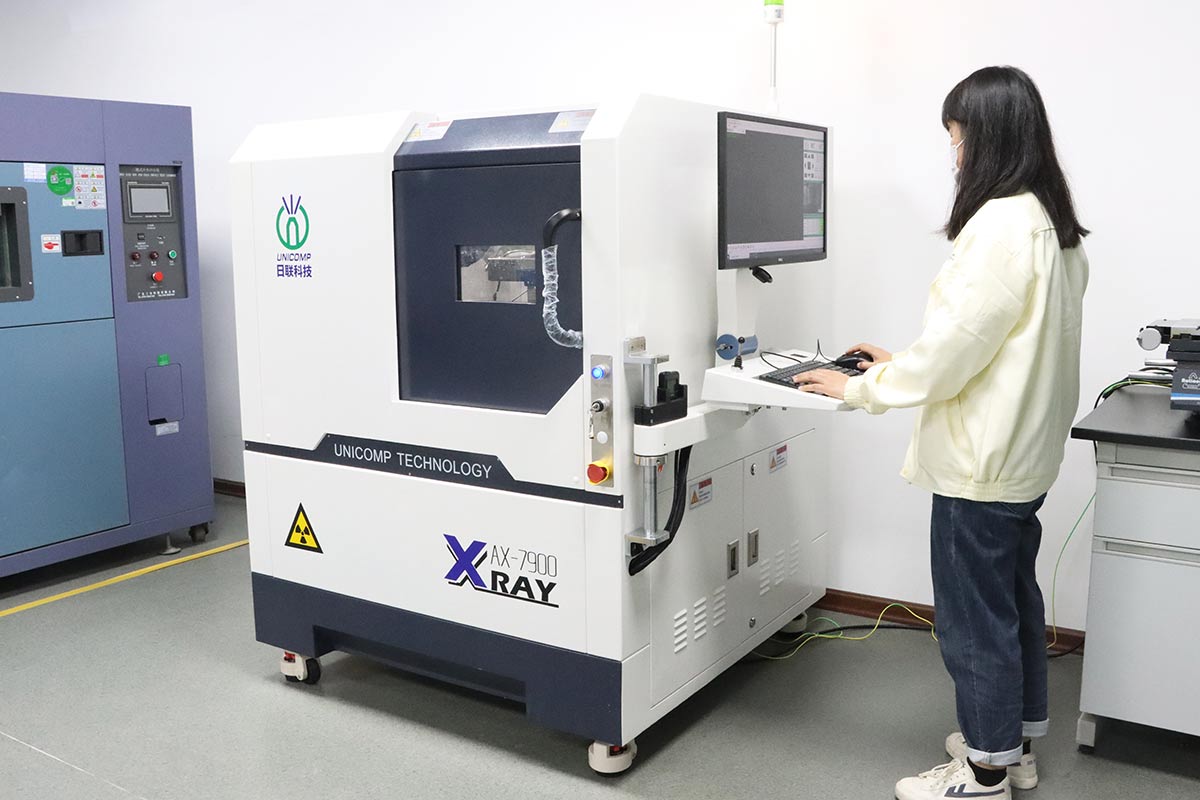
Dimensional consistency and internal structure quality are essential for reliable manufacturing and assembly. FPIC uses KEYENCE one-click measurement equipment for programmable dimensional testing and X-ray inspection equipment for internal structure analysis. These tools help verify dimensional accuracy, assembly condition, and internal product integrity more efficiently.
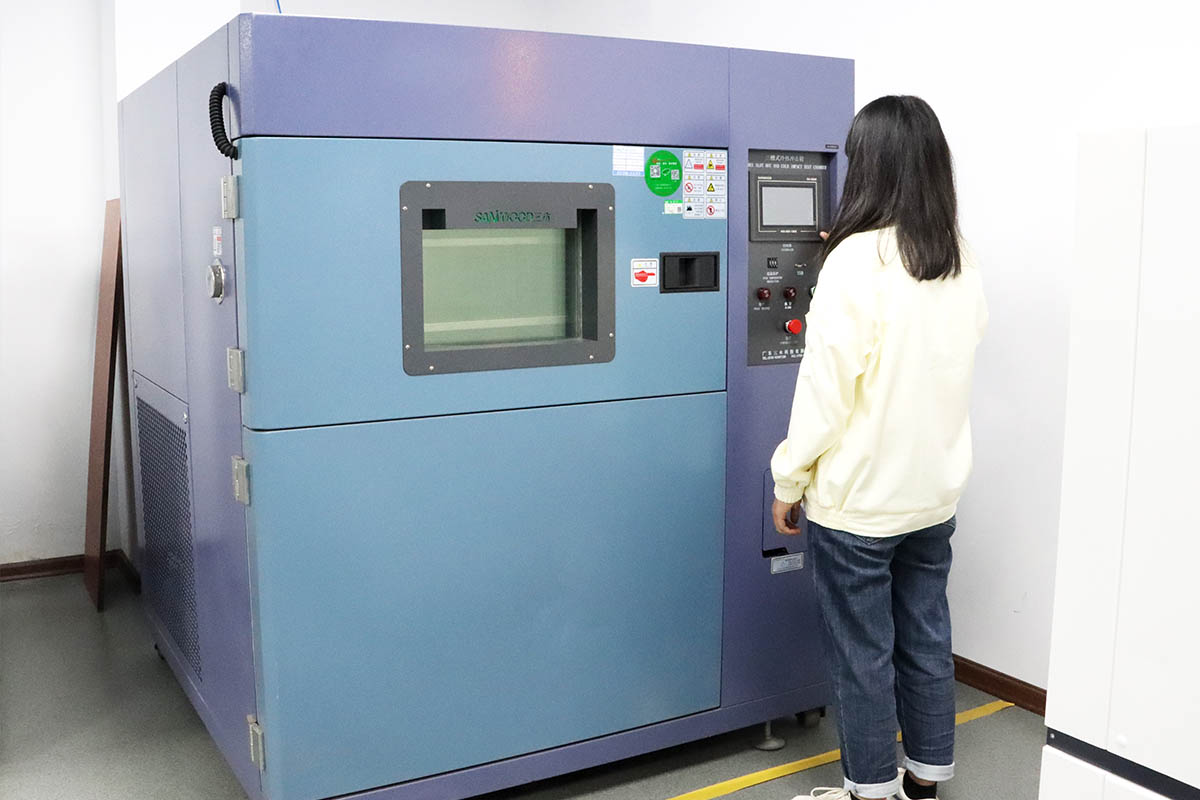
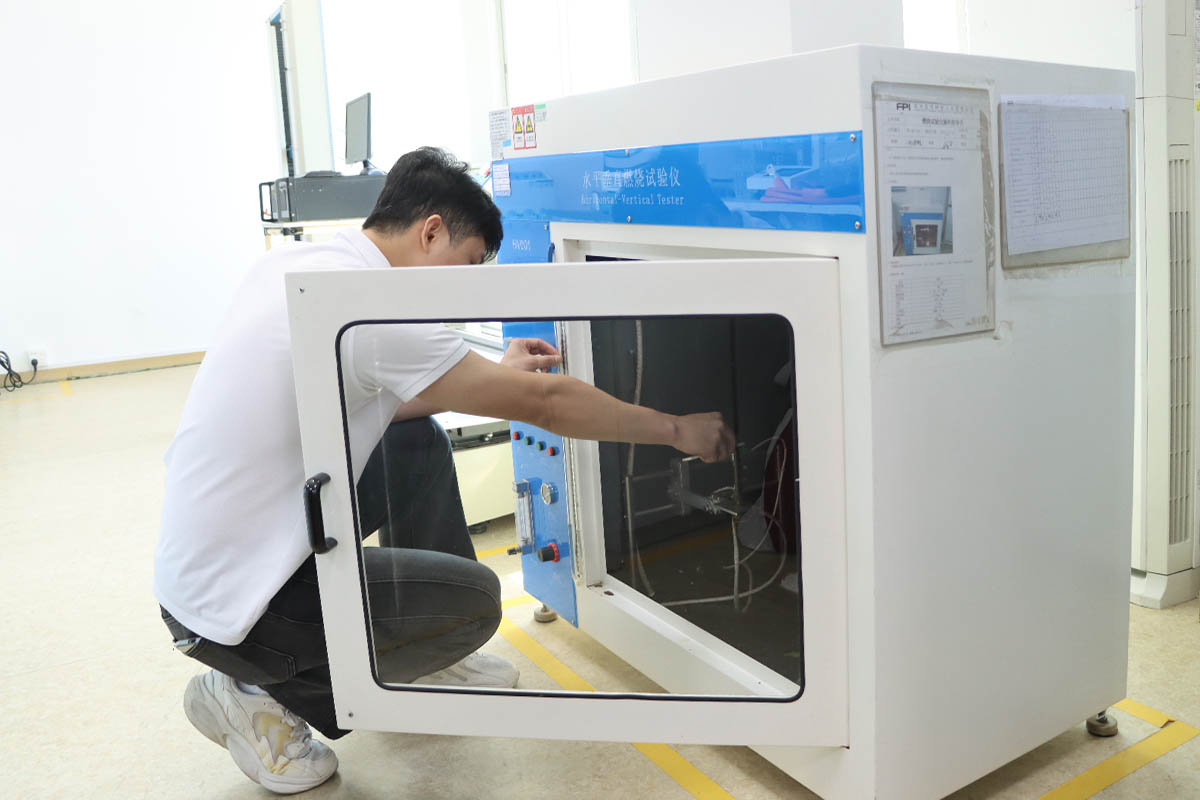
FPIC’s laboratory supports environmental validation through thermal shock testing, high-temperature reflow soldering evaluation, horizontal and vertical flammability testing, and related reliability checks. These tests help assess product stability under temperature variation, heat exposure, and material performance requirements in demanding applications.
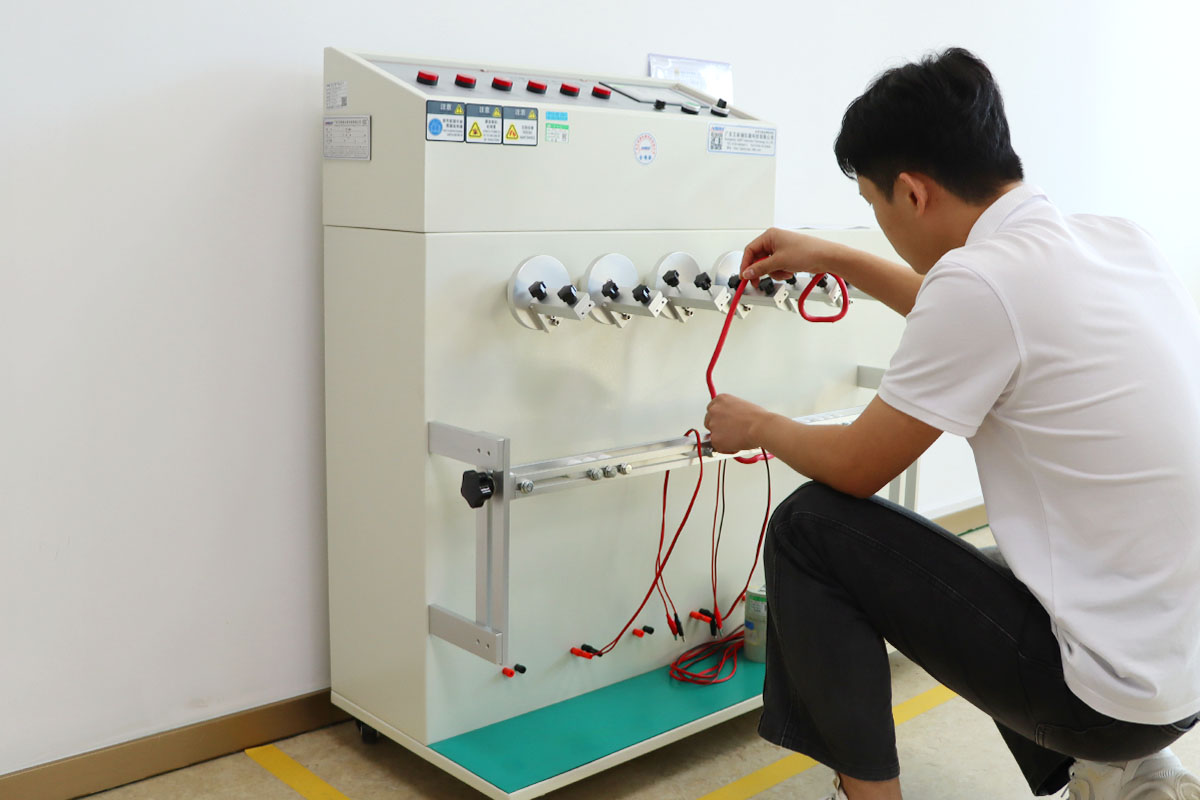
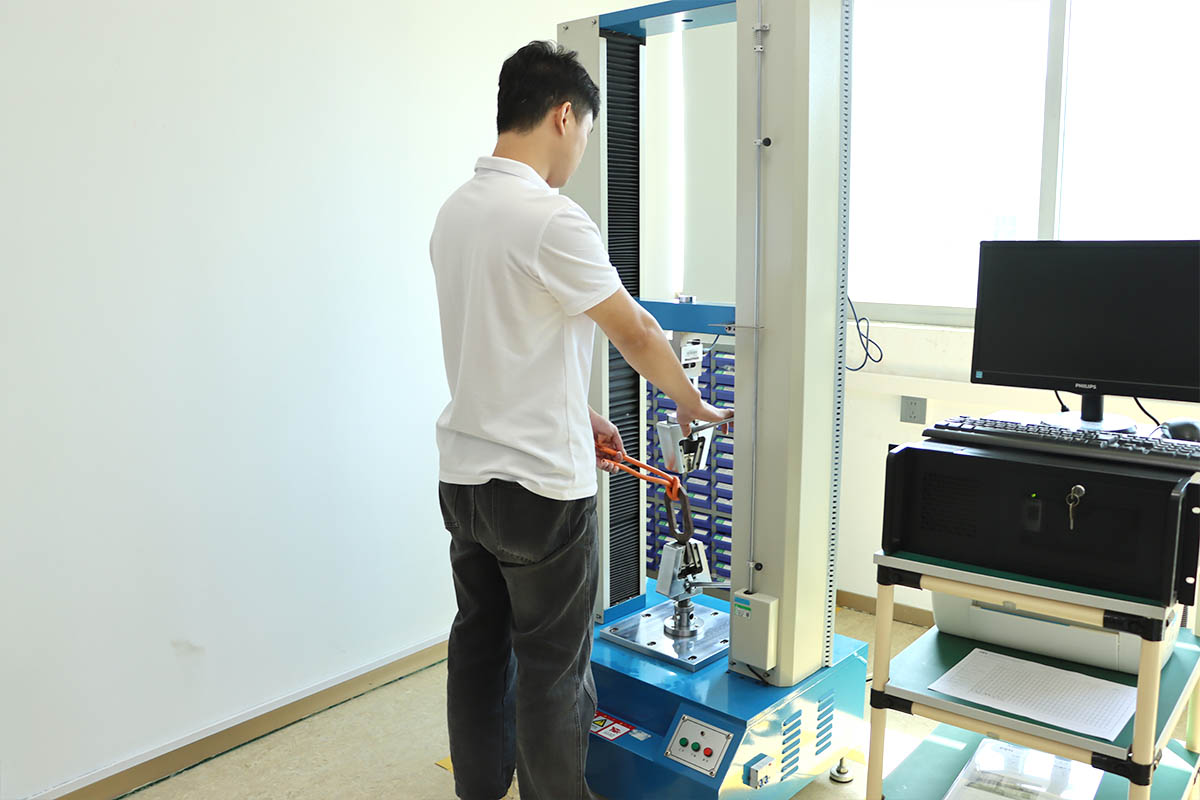
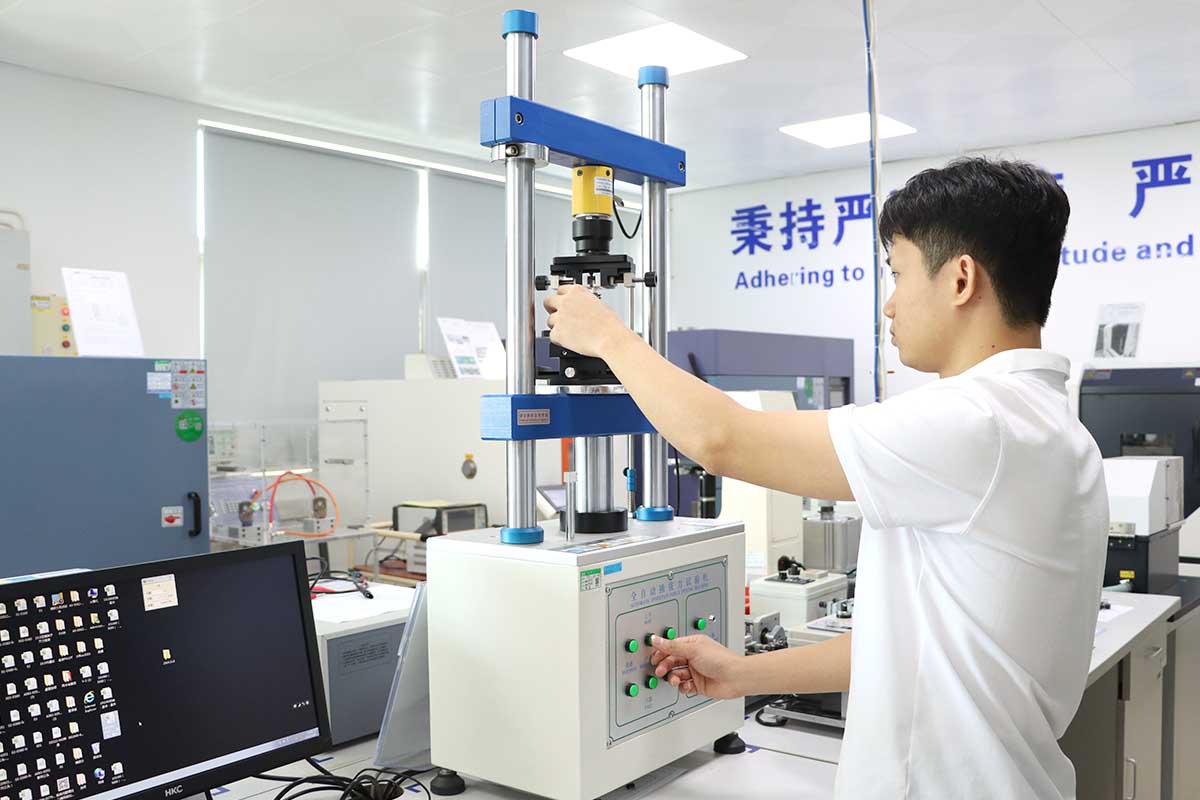
Mechanical testing helps verify insertion and withdrawal force, cable durability, drop resistance, vibration resistance, and overall structural performance during use and transportation. FPIC uses insertion force testing equipment, wire bending test equipment, drop testing equipment, and transportation vibration testing equipment to evaluate connector and harness durability under realistic handling and operating conditions.
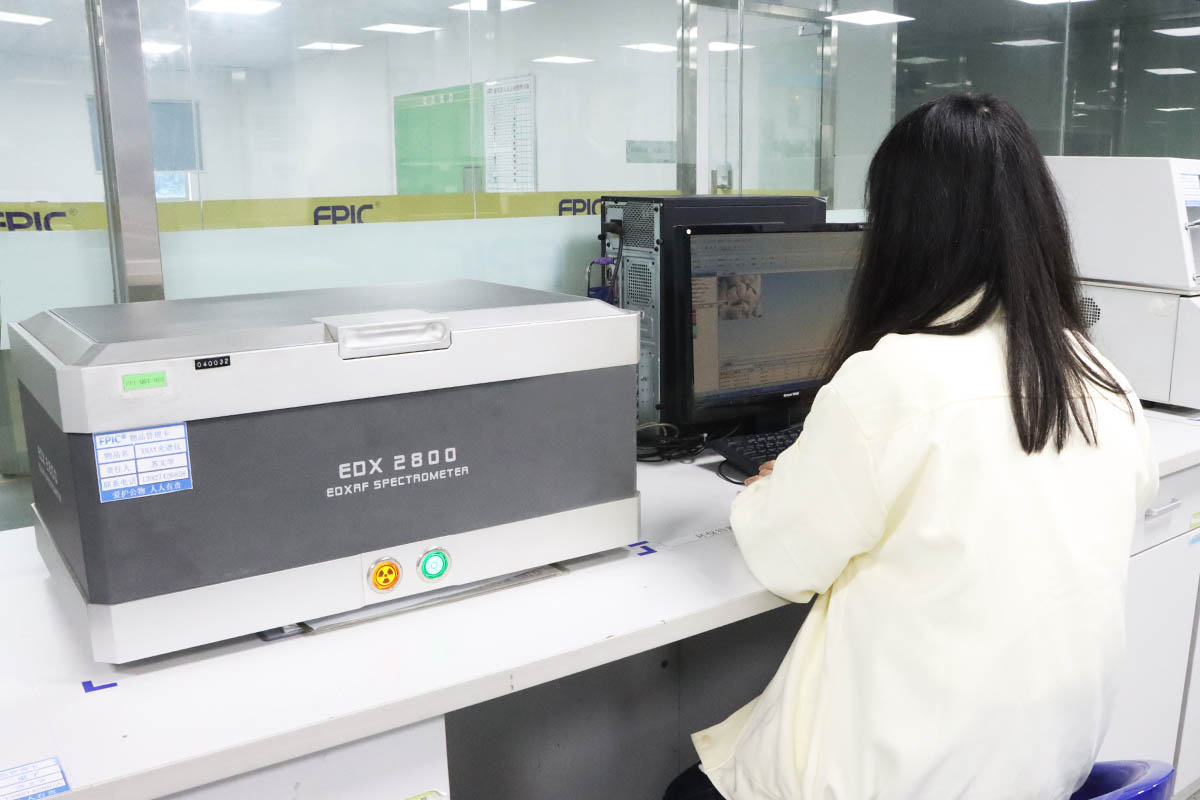
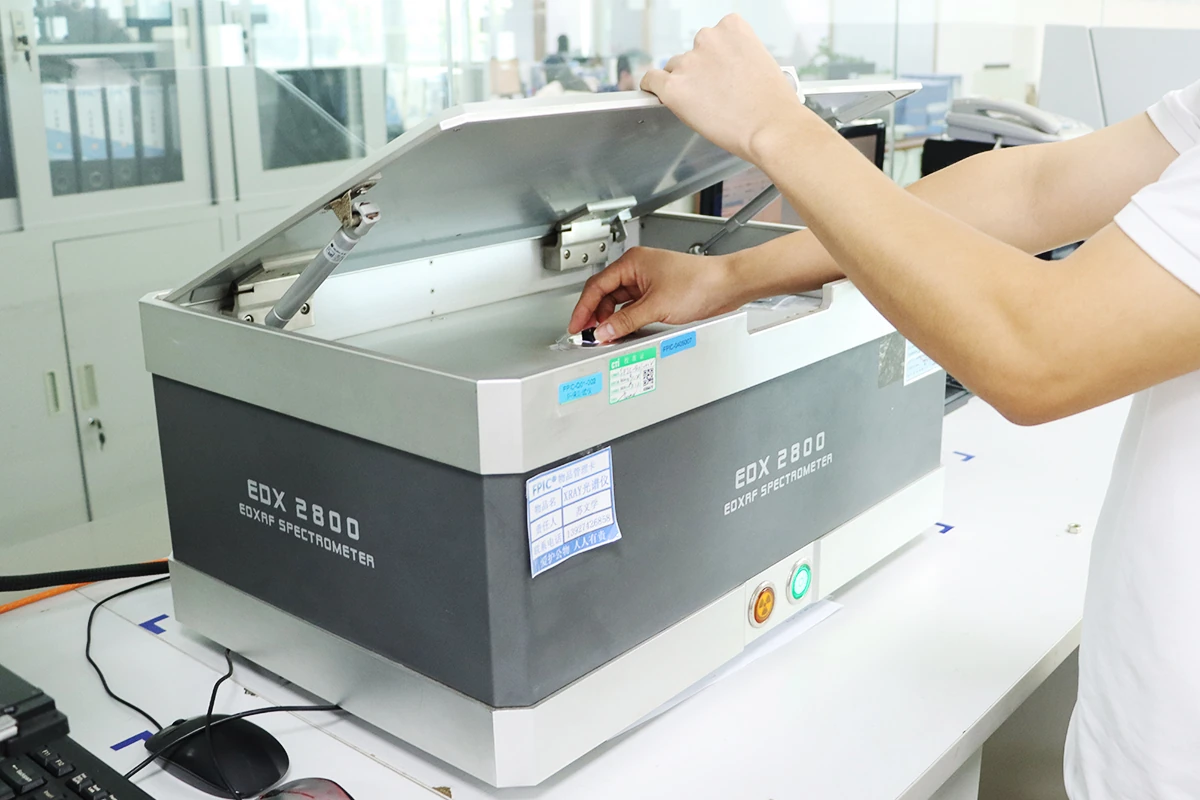
FPIC also uses a fluorescence coating thickness gauge and X-ray spectrometer to support plating thickness verification and material-related analysis. Together with X-ray fluoroscopy equipment and high-cleanliness inspection equipment, these tools improve our ability to evaluate product quality from both external and internal perspectives.
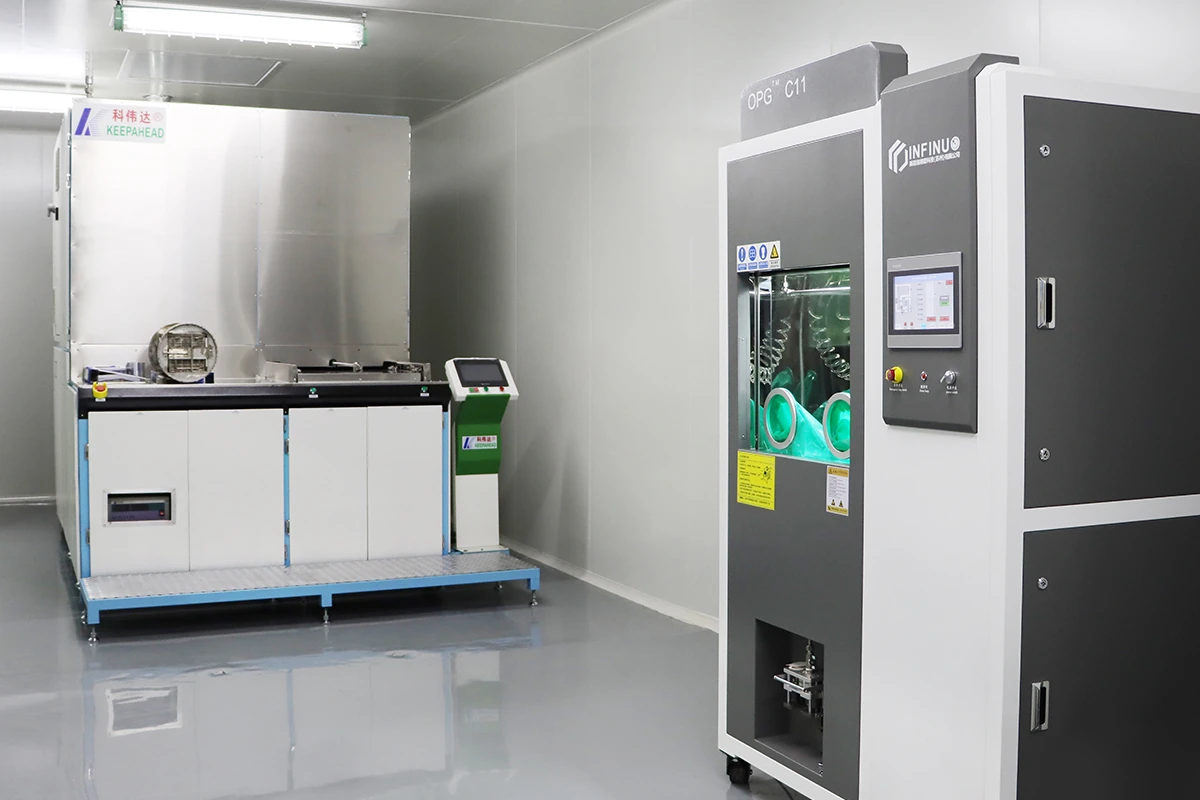
For products requiring better contamination control and stricter quality standards, FPIC is equipped with high-cleanliness inspection equipment to help verify product cleanliness and support more stable manufacturing quality. This capability is especially valuable for applications requiring stronger control over foreign particles and assembly cleanliness.
In addition to standard products, FPIC supports custom connector and precision component development for OEM and project-based applications.
Our support includes product structure evaluation, tooling coordination, cable assembly integration, technical optimization, and drawing-based development according to project requirements. With integrated capabilities in connectors, terminals, metal parts, plastic parts, and assembly, FPIC can support development from concept to scalable production.
FPIC combines engineering support, integrated production capability, and validation-oriented development to help customers move projects forward with more confidence and efficiency.
Structured technical review helps customers evaluate design requirements, feasibility, and development direction more effectively.
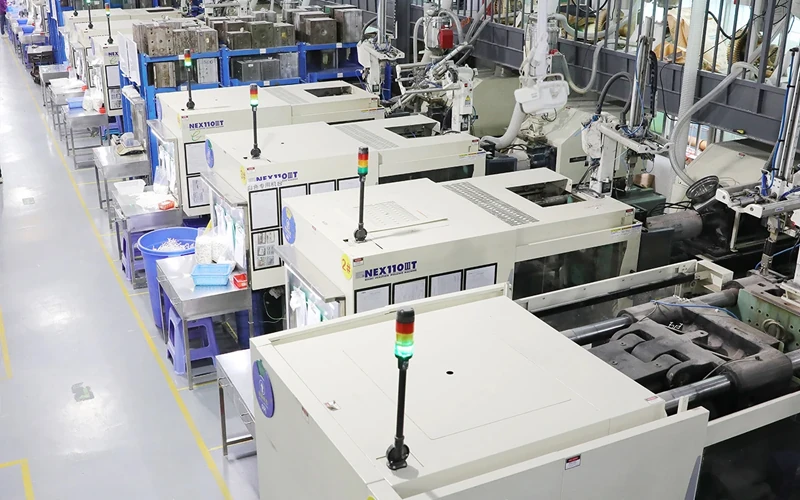
R&D, tooling, metal processing, plastic molding, assembly, and testing work within one coordinated manufacturing system.
Simulation tools and laboratory testing support better technical decisions before and during development.
Engineering decisions are aligned with real production capability, helping shorten the path from development to mass manufacturing.
Looking for technical support for a connector or precision component project?
FPIC can support: concept review, CAE-assisted development, tooling coordination, laboratory validation, OEM/ODM engineering support.
Contact us to discuss your project with our engineering team.