Automotive Sealed vs Unsealed Connectors: How to Choose by Installation Zone
In automotive electrical systems, connectors selection is not only about current rating or pin count. One of the most critical decisions is whether to use a sealed or unsealed connector.
This choice directly affects reliability, cost, assembly complexity, and long-term performance. Selecting the wrong type for a given installation zone can lead to corrosion, signal issues, or premature failure.
This article explains the differences between sealed and unsealed connectors, and how to select the right type based on real automotive installation environments.
What Are Sealed and Unsealed Connectors?
Sealed Connectors
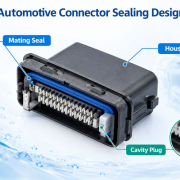
Sealed connectors are designed to prevent the ingress of water, dust, and contaminants. They typically include:
- wire seals (grommets)
- interface seals (between connector halves)
- housing features that maintain compression
They are commonly rated using IP (Ingress Protection) standards such as IP67 or IP69K.
Unsealed Connectors
Unsealed connectors do not include environmental sealing features. They are:
- simpler in design
- easier to assemble
- more cost-effective
They rely on installation in protected environments where exposure to moisture or contaminants is minimal.
Why Installation Zone Matters
The key factor in connector selection is not the connector itself—but where it is installed.
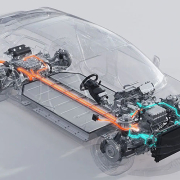
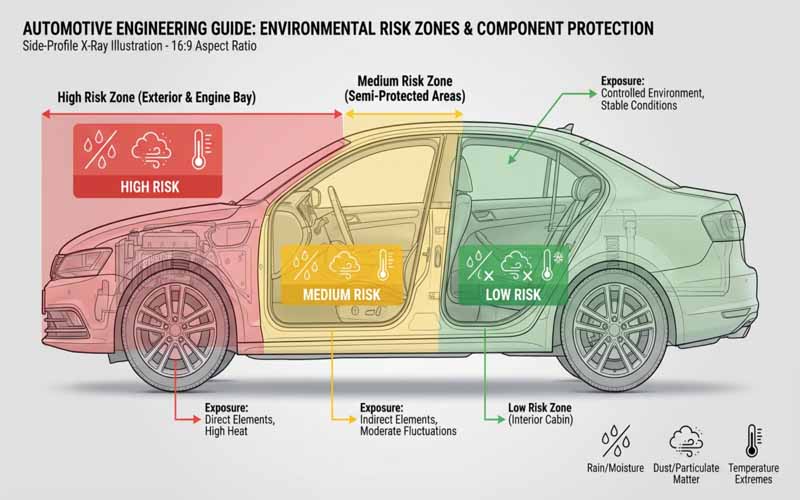
Automotive systems can be divided into several environmental zones, each with different risk levels.
Typical Automotive Installation Zones
Zone 1: Exterior / Underbody / Engine Bay
Examples:
- engine compartment
- underbody harnesses
- wheel area sensors
Environmental Conditions:
- water splash and immersion
- mud, salt, and chemicals
- high temperature variation
- strong vibration
Recommendation:
Use sealed connectors with high IP ratings (IP67 or higher).
Failure to use sealing in this zone will almost certainly lead to corrosion and electrical failure.
Zone 2: Semi-Protected Areas
Examples:
- trunk area
- door interiors
- near HVAC systems
Environmental Conditions:
- occasional moisture
- condensation
- moderate temperature variation
Recommendation:
Use sealed connectors or partially sealed designs, depending on risk level.
Designers should consider worst-case conditions such as water ingress or condensation buildup.
Zone 3: Interior Cabin (Protected Zone)
Examples:
- dashboard electronics
- infotainment systems
- interior wiring
Environmental Conditions:
- stable temperature
- minimal moisture
- low contamination risk
Recommendation:
Use unsealed connectors for cost efficiency and ease of assembly.
Sealed connectors in this zone may increase cost without providing meaningful benefits.
Understanding IP Ratings
Sealed connectors are often classified using IP ratings.
For example:
- IP67: protected against dust and temporary water immersion
- IP68: protected against continuous immersion (depending on specification)
- IP69K: resistant to high-pressure, high-temperature water spray
However, IP rating alone does not guarantee long-term reliability. It reflects test conditions, not full lifecycle performance.
Trade-Offs Between Sealed and Unsealed Connectors
Sealed Connectors
Advantages:
- protection against water and contaminants
- improved long-term reliability in harsh environments
- reduced risk of corrosion
Challenges:
- higher cost
- more complex assembly
- higher insertion force
- more difficult serviceability
Unsealed Connectors
Advantages:
- lower cost
- easier assembly and maintenance
- lower insertion force
- simpler design
Challenges:
- limited environmental protection
- higher risk if used in incorrect location
Common Design Mistakes
Over-Specifying Sealing
Using sealed connectors in low-risk environments:
- increases cost unnecessarily
- complicates assembly
- reduces efficiency
Under-Specifying Protection
Using unsealed connectors in harsh environments:
- leads to corrosion and failure
- causes intermittent electrical issues
- increases warranty risk
Ignoring Real Installation Conditions
Design decisions based only on CAD layout rather than real-world exposure can lead to incorrect connector selection.
Beyond Sealing: System-Level Considerations
Connector reliability depends on more than sealing alone.
Other critical factors include:
- harness routing (water accumulation risk)
- drainage paths
- connector orientation
- strain relief and fixation
- ventilation vs sealing balance
A sealed connector installed incorrectly can still fail.
How FPIC Supports Connector Selection
Selecting the right connector requires understanding both the product and the application environment.
FPIC supports customers with:
- connector selection based on installation zones
- custom wire harness integration
- sealing and protection strategy review
- design for manufacturability (DFM)
- validation support under real conditions
By aligning connector design with real-world usage, reliability risks can be significantly reduced.
Final Thoughts
Choosing between sealed and unsealed connectors is a fundamental decision in automotive design.
The correct approach is not to always choose the most robust option—but to match the connector type to the installation environment.
A well-balanced design considers:
- environmental exposure
- cost efficiency
- assembly complexity
- long-term reliability
Understanding installation zones is the key to making the right decision.
FAQ
What is the main difference between sealed and unsealed connectors?
Sealed connectors include features that prevent water and dust ingress, while unsealed connectors do not.
Are sealed connectors always better?
No. They are necessary in harsh environments but may add unnecessary cost and complexity in protected areas.
What IP rating is typically required for automotive applications?
IP67 is common for exterior applications, while higher ratings like IP69K may be required for extreme conditions.
Can unsealed connectors be used in vehicles?
Yes, they are widely used in interior and protected zones.
What is the biggest risk in connector selection?
Using the wrong connector type for the installation environment.
Choose the Right Connector for Your Application
Selecting the correct connector type early in the design process can prevent costly failures and redesigns.
FPIC provides connector and wire harness solutions tailored to real automotive environments, balancing reliability, cost, and manufacturability.
Contact us to discuss your project requirements.
Resources
- IEC 60529 – IP Rating Standard: defines ingress protection levels for dust and water resistance.
- USCAR-2 – Automotive Connector Performance Specification: includes environmental and durability testing requirements.
- TE Connectivity – Sealed vs Unsealed Connector Design: explains design differences and application scenarios.
- Molex – Automotive Sealed Connector Systems: provides examples of sealed connector technologies and applications.
- Amphenol – Automotive Interconnect Solutions: covers connector design considerations for harsh environments.