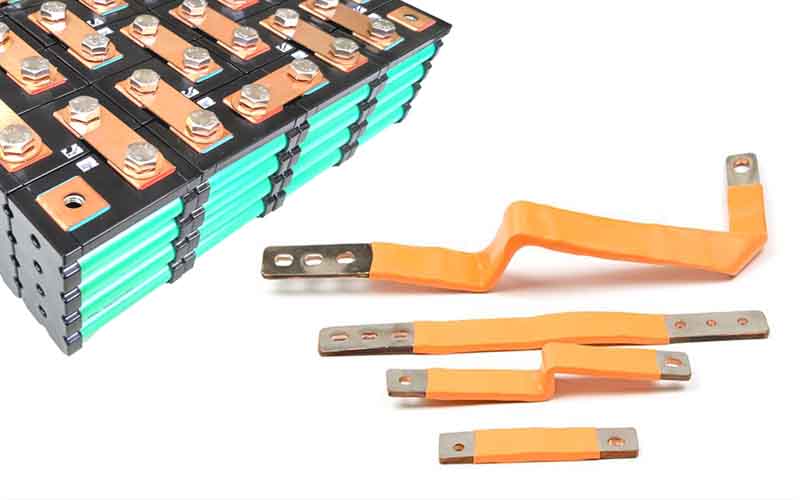

energy storage connector application

As the demand for energy storage systems (ESS) grows rapidly across renewable energy, electric vehicles, and industrial sectors, the importance of reliable, high-performance connectors cannot be overstated. Energy storage connectors are critical to ensuring safe, efficient, and durable operation of these complex systems.

In this article, we’ll walk you through the best practices for selecting and installing energy storage connectors to help maximize system performance and longevity.

energy storage connector application


1. Understand Your Application Requirements

Before selecting a connector, you must clearly define the operational conditions and performance needs of your energy storage system.

? Voltage and Current Ratings
Choose connectors that can handle the system’s maximum voltage and current levels without overheating or degradation. For instance, in large battery packs, you may need 1500V high-voltage connectors capable of managing hundreds of amperes safely.

? Operating Environment
Consider environmental factors like:

  • Temperature range

  • Vibration and mechanical stress

  • Exposure to moisture, dust, or chemicals

Look for connectors with IP67/IP68 ratings and corrosion-resistant materials for outdoor or industrial settings.

? Standards and Certifications
Ensure connectors comply with relevant standards such as UL, TUV, CE, and RoHS for quality, safety, and environmental protection.


2. Choose the Right Connector Type

Depending on your system design, different types of energy storage connectors may be needed:

? High Voltage Energy Storage Connectors
Designed for large ESS systems, capable of handling high power safely and efficiently.

? Battery Storage Connectors
Specially built for modular battery pack connections, ensuring low resistance and secure locking mechanisms.

? Power Connectors for Batteries
Robust designs that handle high currents with minimal heat generation and maximum efficiency.

Tip: Always consider using shielded connectors in environments where electromagnetic interference (EMI) may be a concern.


3. Pay Attention to Connector Materials

Material selection impacts the performance, safety, and durability of connectors:

Contact Materials: Look for connectors with silver or gold-plated contacts to enhance conductivity and prevent corrosion.
Housing Materials: Choose housings made of high-grade plastics or thermoset composites for mechanical strength and thermal resistance.
Sealing Materials: Ensure sealing materials are compatible with operating temperatures and chemical exposure.


4. Best Practices for Installing Energy Storage Connectors

Proper installation is just as crucial as selecting the right connector:

? Follow Manufacturer Guidelines
Always refer to the manufacturer’s installation instructions to prevent damaging the connectors or compromising system performance.

? Secure Connections
Use proper torque specifications when tightening connectors to ensure solid, vibration-resistant electrical contact. Avoid over-tightening, which could crack housings or damage contacts.

? Inspect and Clean Mating Surfaces
Before mating, clean connectors thoroughly to remove dust, oils, or debris that could affect conductivity or sealing.

? Use Appropriate Tools
Employ recommended crimping, assembly, and installation tools to achieve proper fits and to avoid physical stress on cables and terminals.

? Double-Check Polarity and Wiring
Incorrect wiring can cause system failures or safety hazards. Always double-check wiring diagrams and polarity before final installation.


5. Plan for Maintenance and Serviceability

When designing your energy storage system, choose connectors that allow easy access for maintenance, replacement, and upgrades. Quick-connect/disconnect features can significantly reduce downtime during servicing.

Regular inspections should include:

  • Checking for signs of wear, corrosion, or overheating

  • Verifying locking mechanisms remain secure

  • Testing for electrical continuity and insulation integrity


Conclusion

Selecting and installing the right energy storage connectors is critical to ensuring the safety, efficiency, and longevity of modern energy systems. By following these best practices, manufacturers, integrators, and system designers can deliver more reliable and cost-effective energy storage solutions.

At Forman (FPIC), we specialize in high-voltage connectors, battery storage connectors, and customized energy storage solutions designed to meet the most demanding industrial and renewable energy applications.

? Need expert advice or custom connector solutions? Contact us today at info@fpiconn.com! ?
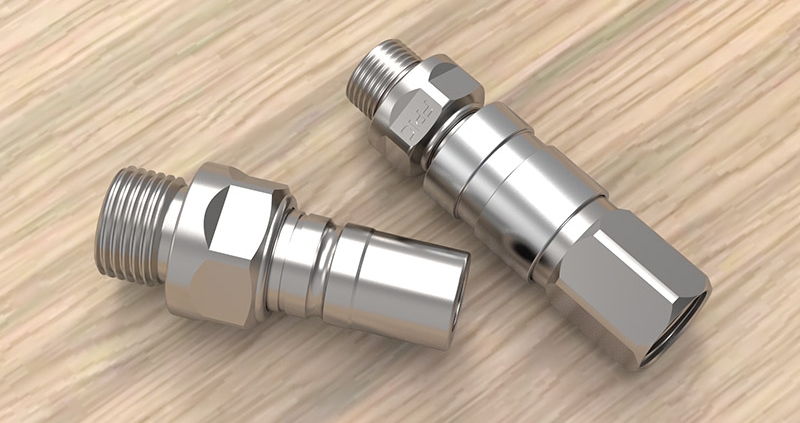
FPIC Fluid Connectors

Introduction

In industrial settings, fluid transfer plays a crucial role in ensuring the smooth operation of machinery, cooling systems, hydraulic controls, and fuel delivery. Whether in automotive manufacturing, aerospace, energy storage, or medical equipment, the efficiency and reliability of fluid connectors directly impact performance, safety, and maintenance costs.

At Shenzhen Forman Precision Industry Co., LTD (Forman), we specialize in high-quality fluid connectors designed to meet the demanding requirements of industrial and high-performance applications. But why are these connectors so essential? Let’s explore their importance and impact on various industries.


1. Key Features of Fluid Connectors

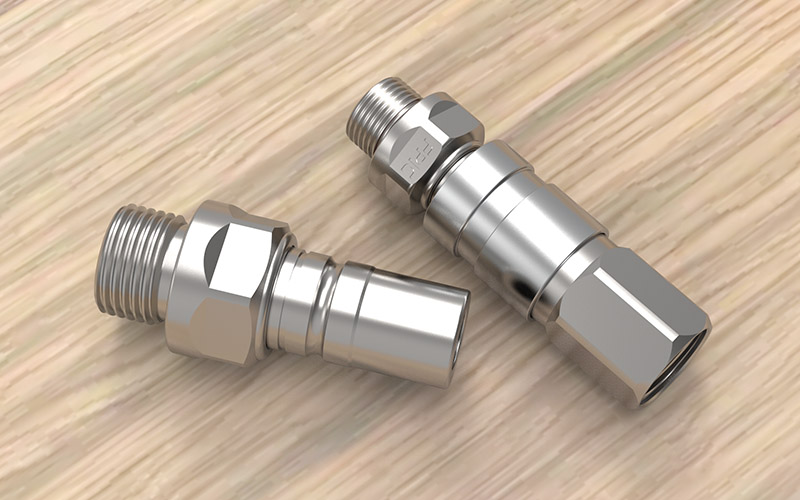
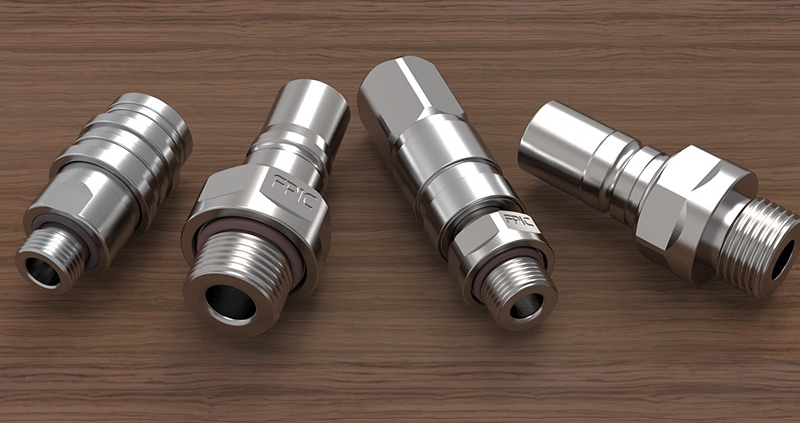
Push-Pull Locking – Enables quick, one-handed connection and disconnection, improving efficiency.
Stainless Steel Build – Corrosion-resistant and highly durable for long-term use.
Long Lifespan – Withstands 1,000+ hours of salt spray and 5,000+ mating cycles, ensuring long-term reliability.
Leak-Free & Reliable – Ensures secure, safe fluid transfer to prevent system failures.
Easy InstallationPlug-and-play design for fast, tool-free assembly, minimizing downtime.
Clear Identification – Color-coded or labeled ports for accurate, hassle-free connections.

? Applications: Military, Defense, Aerospace, Industrial.

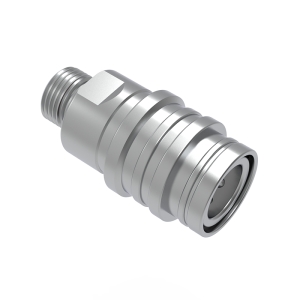
FPIC Fluid Connectors


2. Ensuring Leak-Free and Efficient Fluid Transfer

One of the primary functions of fluid connectors is to provide a secure, leak-proof connection between pipes, hoses, and components in fluid transfer systems. Leaks can cause pressure drops, energy loss, contamination, and even system failures, leading to costly downtime and repairs.

By using precision-engineered fluid connectors, industries can enhance efficiency, reduce waste, and minimize risks.


3. Enhancing Safety in High-Pressure Environments

Many industrial systems operate under extreme pressure and temperature conditions, making safety a top priority. Poor-quality or improperly installed connectors increase the risk of leaks, bursts, or hazardous spills, which can lead to equipment damage or workplace accidents.

How Forman’s Fluid Connectors Improve Safety:

? Robust Construction – Built with high-strength stainless steel to withstand extreme conditions.
? High-Temperature Resistance – Suitable for cooling and thermal management systems in energy and automotive applications.
? Self-Sealing FeaturesPrevents fluid loss during disconnection, reducing contamination risks.

In industries such as aerospace, defense, and energy, where system failure is not an option, having reliable fluid connectors is critical.


4. Reducing Downtime with Quick-Connect Solutions

Time is money in industrial operations, and downtime due to maintenance or repairs can be costly. Traditional fluid connectors often require manual tightening, specialized tools, and time-consuming inspections.

Advantages of Quick-Connect Fluid Connectors:

Fast, Tool-Free InstallationPush-pull self-locking mechanisms allow one-handed connection and disconnection, saving time.
Minimized Maintenance Efforts – Durable designs mean fewer replacements and longer service life.
Clear IdentificationColor-coded or labeled inlets and outlets reduce connection errors and improve efficiency.

At Forman, our quick-connect fluid connectors are designed to simplify installation, increase productivity, and lower long-term maintenance costs.


5. Meeting Industry Standards for Cleanliness & Performance

Industrial applications demand high levels of cleanliness and performance, especially in medical devices, fuel systems, and hydraulic equipment. Contaminants in fluid connectors can lead to blockages, reduced efficiency, and premature wear.

Forman’s Fluid Connectors Meet the Highest Standards:

VDA 19.1 & ISO 16232-10 Compliance – Ensuring technical cleanliness in automotive and industrial systems.
ISO 9001 & IATF 16949 Certified – Adhering to strict quality management for reliable performance.
Rigorous Testing & Inspection – Every connector undergoes leak, pressure, and durability testing before shipment.

By ensuring clean, high-performance fluid transfer, our connectors help industries avoid costly failures and maintain optimal efficiency.


6. Versatility Across Multiple Industries

Fluid connectors are used in a wide range of industrial applications, ensuring smooth and reliable operation across multiple sectors:

Key Industries & Applications:

✔️ Automotive & EVs – Used in battery cooling, fuel lines, and thermal management systems.
✔️ Aerospace & Defense – Critical for hydraulic, cooling, and fuel systems in aircraft and military vehicles.
✔️ Energy & Power Storage – Essential in energy storage systems and renewable energy applications.
✔️ Medical & Laboratory Equipment – Enables precise fluid control in diagnostic machines and sterilization systems.
✔️ Industrial Automation – Supports pneumatic and hydraulic power transmission in factories and machinery.

By choosing high-quality fluid connectors, businesses can improve efficiency, safety, and longevity across a variety of industries.


7. Why Choose Forman’s Fluid Connectors?

At Forman, we take pride in delivering precision-engineered fluid connectors designed for performance, durability, and ease of use. Our connectors provide:

? Reliable, leak-proof connections for industrial applications.
? Fast, tool-free installation with push-pull locking technology.
? Compliance with global standards for cleanliness and safety.
? Customization options to meet unique customer requirements.

? Need high-performance fluid connectors? Forman has the perfect solution for you! ?

? Contact us today! info@fpiconn.com
? Learn more about our products: [Fluid Connectors]


Conclusion

Fluid connectors play a vital role in industrial applications, ensuring safe, efficient, and reliable fluid transfer. Whether it’s for automotive, aerospace, medical, or energy systems, having high-quality, precision-engineered connectors makes all the difference.

At Forman, we are committed to delivering superior fluid connector solutions that meet the highest industry standards for performance, cleanliness, and durability.

? Upgrade your fluid transfer systems today with Forman’s cutting-edge fluid connectors!

? Get in touch with us! info@fpiconn.com
? Explore our solutions: [Fluid Connectors Solutions]

fluid connectors

1. Introduction: The Critical Role of Liquid Connectors

Liquid connectors are vital components in fluid transfer systems, ensuring leak-proof seals and optimal flow in hydraulic connectors, pneumatic connectors, and industrial fluid connections. These connectors are designed to withstand high-pressure fittings, temperature fluctuations, and corrosive environments, making them essential in medical-grade liquid connectors, aerospace fluid connectors, and chemical-resistant connectors.

A single leak in a liquid connector can lead to pressure loss, contamination, and system failure. Understanding how these connectors work and how they prevent leaks is crucial for industries relying on self-sealing connectors, quick-connect fittings, and high-temperature fluid connectors. This guide explores the engineering principles, failure points, and best practices for achieving long-term system integrity.


2. Engineering Principles of Liquid Connectors

Sealing Technology and Material Selection

Liquid connectors use advanced sealing technology to prevent leaks. Common sealing methods include:

  • O-rings and Gasket Seals: Used in compression fittings to create a secure, flexible seal.
  • Metal-to-Metal Seals: Found in high-temperature fluid connectors for extreme environments.
  • Threaded and Quick-Connect Fittings: Provide robust industrial fluid connections resistant to vibration.

Material selection is crucial for leak prevention. Engineers consider factors like:

  • Corrosion-resistant fittings (stainless steel, brass, polymer composites)
  • Chemical-resistant connectors for compatibility with transported fluids
  • Thermal stability to prevent expansion-related leaks

3. Common Causes of Fluid Leaks in Liquid Connectors

1. Poor Sealing and Improper Installation

Improperly seated push-to-connect fittings or misaligned compression fittings can create micro-leaks.

2. Material Degradation and Wear

Exposure to high-temperature fluid connectors or harsh chemicals degrades sealing materials over time.

3. Vibration and Mechanical Stress

Constant movement in hydraulic connectors and pneumatic connectors can loosen fittings and cause leaks.

4. Misalignment During Installation

Poor alignment creates gaps that weaken the leak-proof seals, leading to eventual failure.

5. Contaminants in Fluid Lines

Particles damage self-sealing connectors, leading to pressure loss and fluid escape.


4. Advanced Leak Prevention Features in Liquid Connectors

1. Self-Sealing Valves

These quick-connect fittings automatically seal upon disconnection, preventing leaks and fluid loss.

2. Dual O-Ring Systems

Enhanced sealing technology for high-pressure fittings, ensuring durability under extreme stress.

3. Swivel Joints and Flexible Couplings

Allow movement while maintaining leak-proof seals in fluid transfer systems.

4. Leak Detection in Fluid Systems

Modern aerospace fluid connectors and medical-grade liquid connectors now integrate leak detection in fluid systems for real-time monitoring.


5. Best Practices for Leak-Free Liquid Connector Installation

Installation Guidelines

  1. Inspect Components – Ensure connectors and compression fittings are undamaged.
  2. Ensure Proper Alignment – Essential for hydraulic connectors and industrial fluid connections.
  3. Use the Correct Torque – Over-tightening damages sealing technology, while under-tightening leads to leaks.
  4. Select the Right Material – Use chemical-resistant connectors for aggressive fluids.
  5. Perform Pressure Testing – Detect potential leaks before operation begins.

6. Maintenance Strategies to Prevent Leaks

Routine Inspection Checklist

  • Check for corrosion on corrosion-resistant fittings.
  • Replace degraded leak-proof seals.
  • Clean liquid connectors to prevent contamination.
  • Monitor pressure fluctuations using leak detection in fluid systems.

7. Industry-Specific Considerations for Leak Prevention

Medical and Pharmaceutical Systems

  • Use medical-grade liquid connectors with sterile sealing mechanisms.

Aerospace and Defense Applications

  • Rely on aerospace fluid connectors with vibration-resistant high-pressure fittings.

Chemical and Industrial Automation

  • Require chemical-resistant connectors to withstand harsh chemicals.

Hydraulic and Heavy Machinery

  • Depend on hydraulic connectors with high-temperature fluid connectors to prevent failures.

8. The Future of Leak-Free Liquid Connector Technology

Smart Connectors and IoT Integration

  • Leak detection in fluid systems using real-time monitoring and alerts.

Advanced Sealing Materials

  • Innovations in self-sealing connectors with extended lifespans.

Sustainable Connector Design

  • Eco-friendly industrial fluid connections with reduced environmental impact.

9. Conclusion: Ensuring Leak-Free Liquid Connector Performance

Liquid connectors are essential for maintaining efficient fluid transfer systems. By using self-sealing connectors, push-to-connect fittings, and high-pressure fittings, industries can achieve leak-proof seals and long-term system reliability.

Key Takeaways:

✔ Choose precision-engineered liquid connectors for superior leak prevention.
✔ Implement routine maintenance to detect and resolve leaks early.
✔ Utilize leak detection in fluid systems for real-time monitoring.

Investing in high-quality liquid connectors ensures optimal system performance, reduced operational costs, and enhanced safety.

car electrical connectors

Car electrical connectors are critical components of modern vehicles, enabling seamless electrical transmission between various systems. These connectors serve as a bridge for communication and power flow between automotive subsystems, such as lighting, infotainment, engine control, and safety systems. Without them, the performance and functionality of modern vehicles would be severely impacted.

In this article, we’ll discuss what car electrical connectors are, their importance, and how they significantly enhance vehicle performance. We’ll also highlight why Forman Precision Industry Co., Ltd. (FPIC) is a trusted partner for automotive connector solutions with IATF 16949 certification.


What Are Car Electrical Connectors?

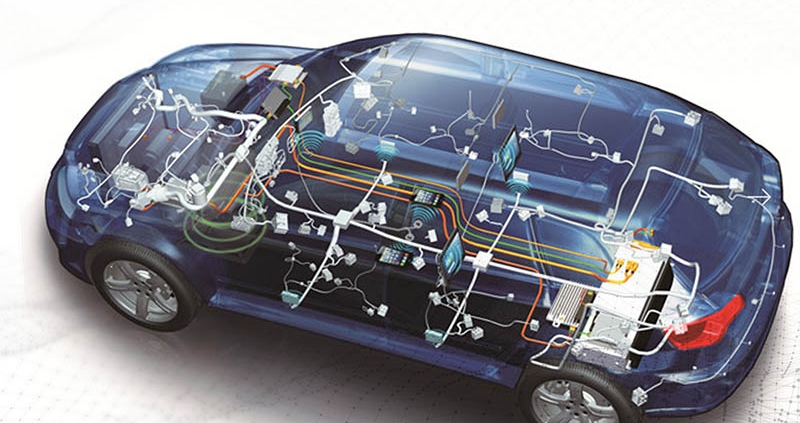
Car electrical connectors are mechanical and electrical devices used to link the various electrical systems within a vehicle. They are composed of three primary elements:

  1. Contacts or Terminals: These are the conductive elements that carry electrical signals or power.
  2. Insulated Housing: The housing protects the internal conductive components from physical damage, moisture, and environmental factors.
  3. Sealing and Locking Mechanisms: Seals and locks provide resistance to vibration, dust, and water while ensuring a secure connection.

They are available in various configurations, such as pin connectors, multi-pin connectors, and waterproof automotive connectors, depending on their intended application.

car electrical connectors


How Do Car Electrical Connectors Improve Vehicle Performance?

  1. Ensuring Reliable Electrical Transmission
    High-quality electrical connectors ensure uninterrupted power and data transfer between subsystems. This reliability is essential for systems like engine control units (ECUs) and advanced driver-assistance systems (ADAS).
  2. Durability in Harsh Environments
    Automotive connectors are designed to withstand extreme temperatures, vibrations, and environmental conditions. Features like waterproof and weatherproof connectors enhance vehicle reliability in harsh driving conditions.
  3. Optimizing System Performance
    Automotive connectors allow for the integration of complex vehicle systems, ensuring they work in harmony. For instance, modern engine management relies on precise sensor readings transmitted via secure connectors.
  4. Facilitating Electrification
    With the rise of electric vehicles (EVs), automotive connectors now play a crucial role in high-voltage and fast-charging systems, ensuring efficient power transmission.
  5. Enhancing Safety Systems
    Reliable connectors are critical to systems like airbags, ABS, and electronic stability control. A malfunction in these systems due to poor connectors can compromise vehicle safety.
  6. Customization for Diverse Applications
    Automotive connectors can be customized to suit specific requirements, ensuring maximum compatibility and performance. At Forman Precision Industry Co., Ltd., we offer tailored solutions for a variety of applications.
  7. Reducing Maintenance and Repair Costs
    High-quality connectors minimize system failures, reducing repair costs and vehicle downtime over the long term.

Applications of Car Electrical Connectors

Car electrical connectors are widely used across a vehicle’s subsystems, including:

  • Engine Management Systems: To link ECUs, sensors, and actuators for optimal engine performance.
  • Infotainment and Connectivity: Connectors for Bluetooth, GPS, and audio systems.
  • Safety Features: Supporting airbags, seatbelt pre-tensioners, and parking assistance systems.
  • Battery and Power Distribution Systems: For secure connections in conventional and electric vehicle systems.
  • Lighting and Indicators: LED headlights, taillights, and turn signals rely on robust connectors.

Why Choose Forman Precision Industry Co., Ltd.?

As a leading manufacturer of automotive electrical connectors, Forman Precision Industry Co., Ltd. (FPIC) offers unparalleled expertise and solutions. Here’s why you should choose us:

  1. IATF 16949 Certified: We adhere to the highest global standards for automotive quality and reliability.
  2. Customized Solutions: Tailored connectors for various automotive applications.
  3. Extensive Experience: With decades of manufacturing expertise, we deliver high-performance products for global markets.
  4. Comprehensive Product Range: From waterproof connectors to multi-pin solutions, we cater to diverse requirements.
  5. Commitment to Innovation: We stay at the forefront of connector technology to meet evolving automotive trends.

Contact Us Today

For premium car electrical connectors that enhance vehicle performance and reliability, trust Forman Precision Industry Co., Ltd. Contact us at info@fpiconn.com to learn more about our innovative solutions.


References

  1. Mouser Electronics. (2023). Automotive connectors: Types, features, and applications. Retrieved from www.mouser.com.
  2. Kumar, R., & Singh, S. (2021). Automotive electrical systems and their integration in modern vehicles. International Journal of Automotive Engineering, 19(3), 102-120.
  3. Marinello, F., & Bariani, P. (2019). Wiring harness manufacturing: A survey on technologies and applications. Journal of Manufacturing Systems, 53, 168-186.
reliable automotive connectors

In today’s rapidly advancing automotive industry, the role of automotive connectors has become increasingly crucial. Modern vehicles are equipped with a myriad of electrical and electronic systems, ranging from basic lighting circuits to advanced driver-assistance systems (ADAS), infotainment, and electric powertrains. The seamless integration and operation of these systems depend heavily on reliable automotive connectors, which serve as the backbone of a vehicle’s electrical architecture.

At Shenzhen Forman Precision Industry Co., Ltd., we are proud to be a trusted partner in delivering high-quality automotive connector solutions. As an IATF 16949-certified manufacturer, we are committed to providing innovative, reliable, and customizable connector solutions tailored to meet the specific needs of the automotive industry.


What Are Automotive Connectors?

Automotive connectors are essential components designed to link electrical and electronic systems within a vehicle. They are responsible for transmitting power, signals, and data between various subsystems and components, ensuring smooth functionality. These connectors are engineered to endure harsh environmental conditions such as high temperatures, vibrations, moisture, and corrosion, all while maintaining reliable performance over the vehicle’s lifespan.

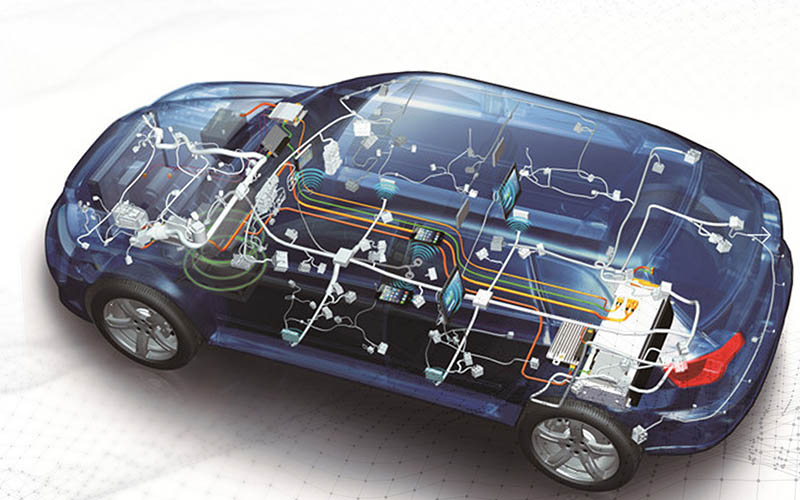
reliable automotive connectors


Types of Automotive Connectors

  1. Wire-to-Wire Connectors: Used for joining two wires in a secure and reliable manner.
  2. Wire-to-Board Connectors: Designed to connect a wire to a printed circuit board (PCB).
  3. Board-to-Board Connectors: Used to connect two PCBs for data and power transfer.
  4. High-Voltage Connectors: Critical in electric vehicles (EVs) and hybrid electric vehicles (HEVs) for powertrain and battery connections.
  5. Sealed Connectors: Waterproof and weatherproof connectors designed for outdoor and harsh-environment applications.

At Forman Precision, we specialize in manufacturing a wide variety of automotive connectors, including customized solutions for unique design and performance requirements.


Why Are Automotive Connectors Vital for Modern Vehicles?

  1. Ensuring Safety and Reliability:
    Automotive connectors play a critical role in ensuring the safe and reliable operation of a vehicle’s electrical systems. From airbags to braking systems, dependable connections are essential for safety-critical applications.
  2. Enhancing Performance:
    Connectors enable the smooth flow of power and data, ensuring that components like sensors, actuators, and controllers function optimally.
  3. Enabling Advanced Technologies:
    Modern vehicles feature cutting-edge technologies such as ADAS, IoT integration, and autonomous driving systems. Automotive connectors are the enablers of these complex systems, ensuring seamless communication and power transfer.
  4. Supporting Electrification:
    The transition to electric vehicles (EVs) has heightened the demand for high-performance connectors capable of handling high voltages and currents. High-voltage connectors ensure efficient power delivery to batteries and motors while maintaining safety standards.
  5. Durability in Harsh Environments:
    Automotive connectors are built to withstand extreme environmental conditions, including heat, moisture, and vibration, ensuring long-term reliability in demanding applications.

Why Choose Forman for Your Automotive Connector Solutions?

  1. Expertise and Innovation:
    With years of experience in the automotive connector industry, we understand the unique challenges and demands of the automotive sector. Our team is dedicated to developing cutting-edge solutions that meet and exceed customer expectations.
  2. IATF 16949 Certification:
    As an IATF 16949-certified manufacturer, we adhere to the highest quality standards in the automotive industry. This certification demonstrates our commitment to producing reliable and safe products for our clients.
  3. Customizable Solutions:
    We offer tailored connector solutions designed to meet specific customer requirements. Whether you need waterproof automotive connectors, high-voltage connectors, or board-to-board solutions, we can deliver.
  4. State-of-the-Art Manufacturing:
    Our factory is equipped with advanced technology and automated production lines, ensuring precision, efficiency, and consistent quality in every product we deliver.
  5. Global Partnerships:
    We have built strong relationships with global automotive manufacturers, making us a trusted name in the industry.

Applications of Automotive Connectors

  1. Infotainment Systems:
    Automotive connectors power and link audio, video, and communication systems for enhanced passenger experience.
  2. Safety Features:
    Connectors are critical in systems such as airbags, ABS, and electronic stability control.
  3. Electric Vehicles (EVs):
    With the rise of EVs, high-voltage connectors are essential for batteries, inverters, and charging systems.
  4. ADAS and Autonomous Driving:
    Reliable connectors are vital for sensor integration and real-time data transfer in advanced driver-assistance systems.
  5. Powertrain and Engine Control:
    Connectors ensure proper communication and power distribution between the engine control unit (ECU), sensors, and actuators.

Partner with Forman for Your Automotive Connector Needs

At Shenzhen Forman Precision Industry Co., Ltd., we bring a combination of innovation, quality, and reliability to every connector we manufacture. Whether you’re looking for standard or custom automotive connector solutions, our team is ready to exceed your expectations.

For inquiries or assistance with your project, contact us today at info@fpiconn.com. Let’s work together to power the future of the automotive industry.


References

  1. Marinello, F., & Bariani, P. (2019). Wiring harness manufacturing: A survey on technologies and applications. Journal of Manufacturing Systems, 53, 168-186.
  2. Bosch, R. (2017). Automotive Handbook. Bosch Automotive Handbook, 10th Edition.
  3. Shrivastava, M., & Kumar, R. (2020). The role of electrical connectors in autonomous and electric vehicles. International Journal of Automotive Engineering and Applications, 15, 78-84.
M12 Connector Applications

The M12 connector is a robust, compact, and versatile interconnect solution that is indispensable across various industries. Its rugged design, high-speed data transmission capabilities, and adaptability make it a trusted choice in challenging environments. This article explores the key applications of M12 connectors and highlights the industries that benefit most from their reliable performance.


1. Industrial Automation

M12 connectors play a vital role in industrial automation, where secure and durable connections are required for seamless operations. They are commonly used to connect sensors, actuators, and field devices to programmable logic controllers (PLCs) and industrial networks.

Benefits for Industrial Automation:

  • IP67-rated protection for harsh environments.
  • High vibration and shock resistance.
  • Compatibility with industrial protocols like PROFINET and EtherCAT.
    M12 Connector Applications

2. Transportation and Railways

The transportation sector relies on M12 connectors for reliable power and data transmission in rugged environments such as trains, buses, and metros. Their ability to withstand extreme conditions, including vibrations and temperature fluctuations, makes them indispensable for railway and transportation systems.

Key Uses:

  • Passenger information systems (PIS).
  • Surveillance and security systems.
  • Train control and monitoring systems (TCMS).

3. Medical Devices

In the medical industry, M12 connectors are used in diagnostic equipment, imaging devices, and patient monitoring systems. Their compact design, durability, and secure connections ensure reliability in high-precision applications.

Applications in Medical Equipment:

  • Imaging systems (MRI, CT scanners).
  • Diagnostic tools.
  • Portable patient monitoring devices.

4. Agriculture and Outdoor Equipment

Modern agriculture increasingly relies on automation, and M12 connectors are essential for connecting GPS systems, sensors, and smart farming equipment. Their rugged design ensures reliable performance in outdoor and wet environments.

Key Benefits for Agriculture:

  • Resistance to dirt, dust, and water ingress.
  • Durability in extreme weather conditions.
  • Reliable data transmission for precision farming.

5. Food and Beverage Industry

The food and beverage industry demands equipment that meets strict hygiene and environmental standards. M12 connectors, especially stainless steel variants, offer excellent protection and durability for automated production lines and packaging systems.

Common Applications:

  • Conveyor systems.
  • Food processing machinery.
  • Inspection and weighing equipment.

6. Robotics

In robotics, M12 connectors provide secure connections for power, data, and signal transmissions. Their ability to handle high-speed data and power in compact spaces makes them suitable for robotic arms and automated systems.

Uses in Robotics:

  • Robotic arm communication and control.
  • Connection to sensors and cameras.
  • Motor and actuator interfaces.

7. Renewable Energy Systems

Renewable energy systems, such as solar farms and wind turbines, rely on M12 connectors for power, data, and control in demanding outdoor environments.

Benefits for Renewable Energy:

  • High resistance to UV, moisture, and temperature fluctuations.
  • Long-term durability for outdoor installations.
  • Compatibility with power and communication systems.

8. Telecommunications and Networking

Telecommunication systems, including 5G networks, use M12 connectors for reliable high-speed data transmission in challenging environments.

Applications in Networking:


Why Choose M12 Connectors?

Key Features:

  • Versatile Configurations: Available in A, B, C, D, and X coding for diverse applications.
  • Rugged Design: Withstands harsh environments with IP-rated protection.
  • High-Speed Data Transfer: Ideal for applications requiring reliable signal integrity.

Conclusion

The M12 connector has proven itself to be a critical component in many industries, from industrial automation to telecommunications, thanks to its versatility, durability, and reliability. Choosing the right M12 connector ensures seamless operations and enhances the efficiency of your systems.

At Shenzhen Forman Precision Industry Co., Ltd., we specialize in custom M12 connector solutions tailored to meet the needs of various industries. Contact us today to learn how our high-quality M12 connectors can benefit your next project. Send inquiry to info@fpiconn.com.


References

  1. Marinello, F., & Bariani, P. (2019). Wiring harness manufacturing: A survey on technologies and applications. Journal of Manufacturing Systems, 53, 168-186.
  2. Huber, T. (2020). Advancements in connector technology for industrial applications. Journal of Electronics and Industrial Systems, 27(3), 45-51.
  3. Anderson, R. (2021). Connector reliability in harsh environments: A guide. Electrical Engineering Today, 34(2), 89-96.
M12 Connector

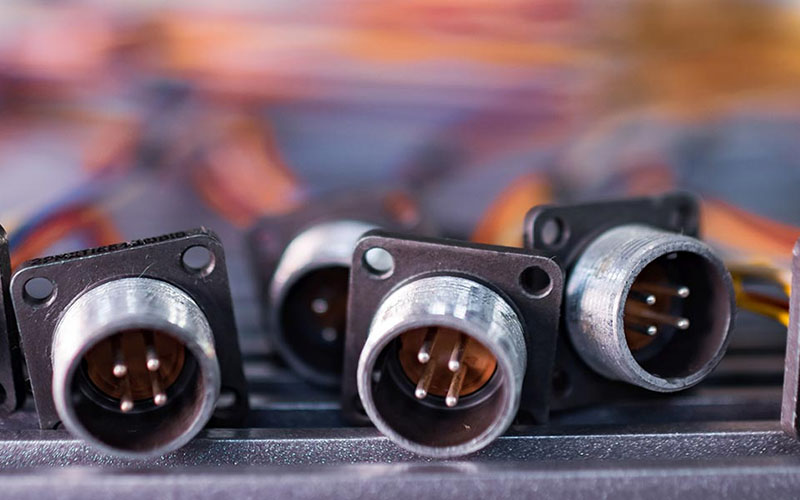
Circular connectors are essential components in various industries due to their robust design, versatility, and reliable performance. These connectors are characterized by their cylindrical shape and multi-pin configuration, which allows for secure and efficient electrical connections. Below, we explore the top applications of circular connectors across different sectors.

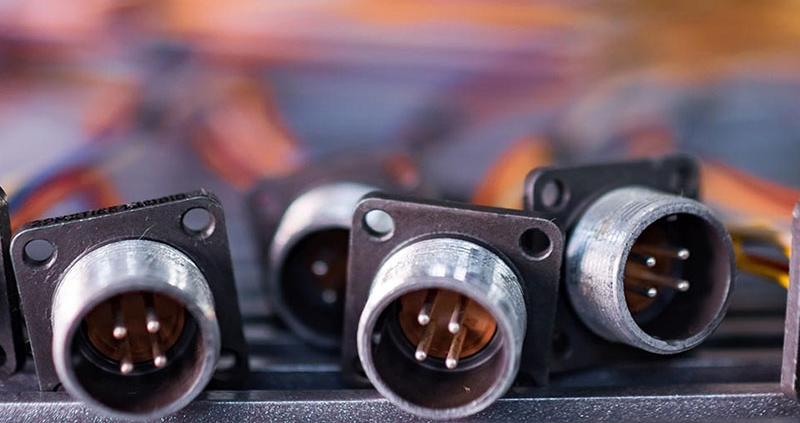
M12 Connector

  1. Military and Aerospace

Military and aerospace applications demand connectors that can withstand extreme conditions, including high vibration, temperature fluctuations, and exposure to harsh environments. Circular connectors are ideal for these applications due to their durability and reliability. They are commonly used in:

  •  Avionics systems: Ensuring reliable connections in aircraft control systems.
  •  Communication equipment: Providing secure connections for military radios and communication devices.
  •  Weapon systems: Facilitating connections in missile guidance and control systems.
  1. Transportation

The transportation sector relies heavily on circular connectors for their robustness and ability to handle high currents and voltages. These connectors are used in:

  •  Automotive applications: Including engine control units, lighting systems, and infotainment systems.
  •  Railway systems: Ensuring reliable connections in signaling and control systems.
  •  Marine applications: Providing secure connections in navigation and communication systems on ships and boats.
  1. Industrial Automation

In industrial automation, circular connectors are essential for connecting sensors, actuators, and control systems. Their rugged design makes them suitable for use in harsh industrial environments. Key applications include:

  •  Robotics: Connecting various components in robotic systems.
  •  Factory automation: Ensuring reliable connections in assembly lines and manufacturing equipment.
  •  Process control: Facilitating connections in monitoring and control systems for industrial processes.
  1. Renewable Energy

The renewable energy sector is experiencing rapid growth, and circular connectors play a crucial role in ensuring reliable connections in various applications. These include:

  •  Solar power systems: Connecting solar panels to inverters and other system components.
  •  Wind turbines: Providing secure connections in turbine control systems and power transmission.
  •  Energy storage systems: Ensuring reliable connections in battery storage systems.
  1. Medical Devices

In the medical field, circular connectors are used in a wide range of devices due to their reliability and ease of use. Applications include:

  •  Diagnostic equipment: Connecting various components in imaging and diagnostic machines.
  •  Patient monitoring systems: Ensuring reliable connections in devices that monitor vital signs.
  •  Therapeutic devices: Providing secure connections in devices used for treatment and therapy.
  1. Telecommunications

The telecommunications industry relies on circular connectors for their ability to handle high data rates and provide secure connections. Key applications include:

  •  Base stations: Connecting various components in cellular base stations.
  •  Networking equipment: Ensuring reliable connections in routers, switches, and other networking devices.
  •  Broadcasting equipment: Providing secure connections in television and radio broadcasting systems.

Conclusion

Circular connectors are indispensable in a wide range of applications due to their durability, versatility, and reliable performance. From military and aerospace to renewable energy and medical devices, these connectors ensure secure and efficient electrical connections in some of the most demanding environments. As technology continues to advance, the importance of circular connectors in various industries will only continue to grow.


Shenzhen Forman Precision Industry CO., LTD is a professional supplier of circular connectors, offering customization with a zero-risk development promise. Our expertise and commitment to quality ensure that we meet the specific needs of our clients across diverse industries.

Threaded connectors

Threaded connectors are essential components in various industries, providing secure and reliable connections in piping systems, machinery, and equipment. Understanding the different types of threaded connectors is crucial for selecting the right one for your application. Here, we demystify the world of threaded connectors by highlighting five key types you should be familiar with.

Threaded connectors

  1. NPT (National Pipe Tapered)

NPT is the most common type of threaded connector in North America. It has a tapered thread that seals by fitting the male and female threads tightly together, creating a mechanical lock. NPT connectors are used in a wide range of applications, from water and gas pipes to hydraulic systems.


  1. BSPT (British Standard Pipe Tapered)

Similar to NPT, BSPT threads are designed to make a tight seal through thread interference. They are commonly used in the UK and other countries that follow British standards. BSPT connectors are suitable for transporting water, steam, and air.


  1. BSPP (British Standard Pipe Parallel)

BSPP connectors, also known as G or Rp threads, have parallel threads and are used with a bonded seal ring that fits between the male and female threads. This type of connector is ideal for applications where a fluid-tight seal is required on the port face.


  1. Metric Tapered

Metric tapered threads are similar to NPT but follow the metric system. They are often used in Europe and Asia and are suitable for a variety of applications, including pneumatic and hydraulic systems.


  1. UN/UNF (Unified National)

UN threads are a series of standardized thread types that include a variety of forms such as UNR (rounded root) and UNJ (aerospace). UNF (Unified National Fine) is a subset with a finer thread pitch than the standard UN. These connectors are used in applications requiring precision and strength.


Conclusion

Threaded connectors are a vital part of many systems, and choosing the right type is essential for ensuring a secure and leak-free connection. Whether you’re working with water pipes, hydraulic systems, or machinery, understanding these five key types of threaded connectors will help you make an informed decision for your specific needs.

circular connectors

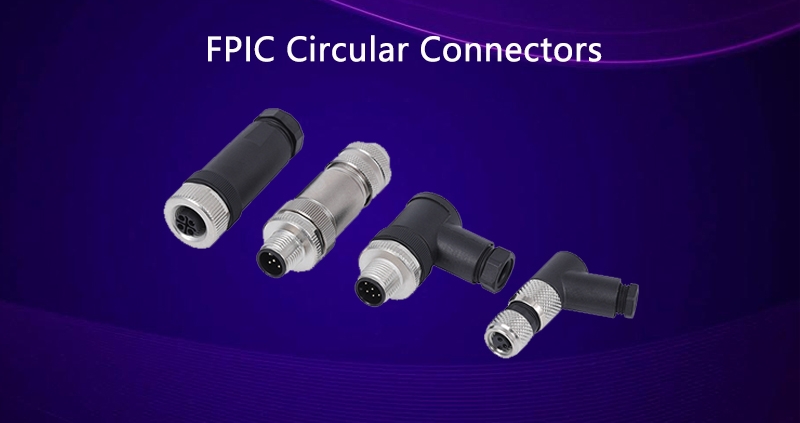
In the realm of industrial connectivity, FPIC presents a comparison between M12 and M8 connectors, shedding light on their unique features and applications.

circular connectors

  1. Size Matters:

M12 Connectors: Renowned for their larger size, M12 connectors offer robustness and high current-carrying capacity, making them suitable for heavy-duty applications.

M8 Connectors: Compact and space-saving, M8 connectors excel in applications where size constraints are paramount, offering impressive performance despite their smaller form factor.


  1. Performance Under Pressure:

M12 Connectors: With a sturdy construction, M12 connectors exhibit superior resistance to mechanical stress, vibration, moisture, and dust, ideal for harsh industrial environments.

M8 Connectors: Despite their smaller size, M8 connectors offer excellent performance under moderate conditions, making them suitable for applications with space constraints.


  1. Flexibility and Versatility:

M12 Connectors: Offering various pin configurations and coding options, M12 connectors provide flexibility to accommodate diverse signal and power requirements across industrial sectors.

M8 Connectors: While they have limited pin configurations compared to M12 connectors, M8 variants excel in applications where simplicity and a smaller footprint are valued.


  1. Future-Proofing Connectivity Solutions:

Both M12 and M8 connectors continue to evolve to meet the changing demands of industrial automation. Manufacturers introduce innovative features and enhancements to ensure these connectors remain at the forefront of industrial connectivity.


Conclusion:

In the battle of industrial titans, FPIC emphasizes the importance of understanding the nuances of M12 and M8 connectors to make informed decisions based on specific application requirements. FPIC offers a comprehensive range of M12 and M8 connectors, along with expert guidance, to maximize performance, reliability, and efficiency in industrial connectivity solutions. Contact FPIC today to explore industry-leading solutions tailored to your needs.

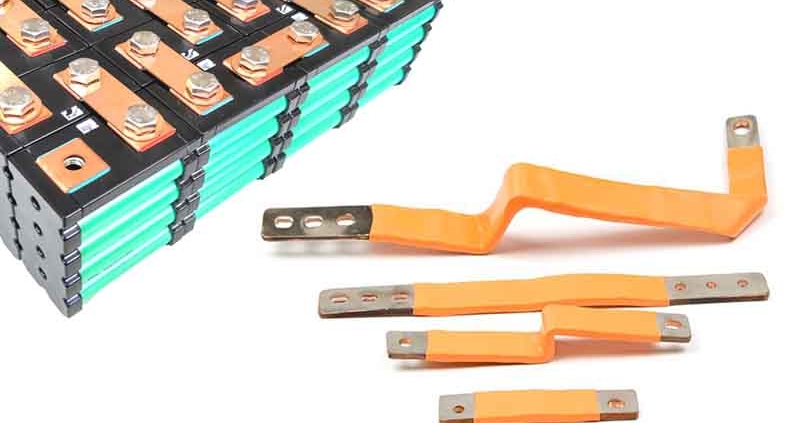
copper busbar

Introduction:

In the realm of electrical engineering, copper busbars stand as unsung heroes, quietly enhancing efficiency and performance. Let’s delve into the intricacies of how these unassuming components play a pivotal role in optimizing electrical systems.

copper busbar

Enhanced Conductivity: Unlocking the Power of Copper

Exploring the innate conductivity of copper and its superiority over other metals.

Delving into the physics behind copper’s ability to efficiently conduct electricity.

Real-life examples showcasing how copper busbars amplify electrical conductivity in various applications.


Minimized Resistance: The Key to Efficiency

Understanding the detrimental effects of electrical resistance on system performance.

Highlighting how copper busbars, with their low resistance properties, mitigate energy loss.

Case studies illustrating the tangible benefits of reduced resistance in industrial settings.


Flexibility and Adaptability: The Versatility of Copper Busbars

Unraveling the flexibility of copper busbars and their adaptability to diverse applications.

Examining how flexible copper busbars seamlessly navigate complex layouts and configurations.

Testimonials from industry experts on the transformative impact of flexible busbars in challenging environments.


Corrosion Resistance: Ensuring Longevity and Reliability

Shedding light on copper’s inherent corrosion-resistant properties and its durability in harsh conditions.

Discussing the importance of corrosion resistance in maintaining electrical system integrity.

Success stories demonstrating how copper busbars outlast alternative materials in corrosive environments.


Environmental Sustainability: Copper Busbars and Eco-Friendly Solutions

Highlighting copper’s eco-friendly credentials as a recyclable and sustainable material.

Analyzing the environmental impact of copper busbars compared to traditional alternatives.

Case studies showcasing how organizations leverage copper busbars to align with sustainability goals.


Conclusion:

From improved conductivity to minimized resistance, enhanced flexibility, and environmental sustainability, copper busbars emerge as indispensable components in modern electrical systems. By harnessing the power of copper, industries can elevate efficiency, reliability, and sustainability, paving the way for a brighter and more electrifying future.