
copper busbars

Copper busbars, play a pivotal role in various industries, serving as essential components in electrical power distribution systems. Let’s delve into the diverse applications of these connectors and how they contribute to the seamless flow of electricity across different sectors.
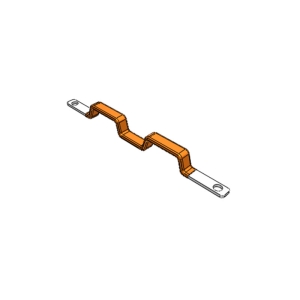
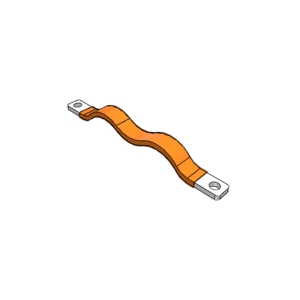
Copper Strip Flexible BusbarSoft Copper Connectors

1. Conduction Material:

One of the primary applications of busbar connectors is as a conduction material. Widely utilized in new energy vehicles, energy storage batteries, distribution equipment, high and low-voltage electrical appliances, aerospace electronics, and large-current electrolytic refining projects, busbar connectors serve as efficient conductors, enabling the smooth transmission of electrical energy.

2. Current Transmission and Electrical Equipment Connection:

Busbar connectors are indispensable in the transmission of electric current and the connection of electrical equipment. They find extensive use in high and low-voltage electrical appliances, switch contacts, and distribution equipment within large current conduction fields. Their primary function is to facilitate the seamless transmission of electric current and establish secure connections between various electrical components.

3. One-time Routing Applications:

In addition to their role in conventional electrical systems, busbar connectors are also utilized in one-time routing applications. Available in both bare copper and tin-plated copper variants, busbars used in electrical cabinets require additional treatments such as tin plating, embossing, or the application of conductive paste at connection points. Furthermore, insulation measures such as heat shrink tubing or the use of insulating paint are employed to ensure the safety and reliability of electrical installations.

Conclusion:

From their fundamental function as conduction materials to their pivotal role in transmitting electric current and connecting electrical equipment, busbar connectors are indispensable components across various industries. Whether in new energy vehicles, distribution systems, or aerospace electronics, these connectors enable the seamless flow of electricity, powering the infrastructure that drives our modern world.

Contact Us:

Curious to learn more about the applications of copper busbars or explore how they can enhance your electrical systems? Reach out to us today to discover our comprehensive range of busbar solutions tailored to meet your specific needs. Let’s empower your projects with reliable and efficient electrical connectivity solutions.
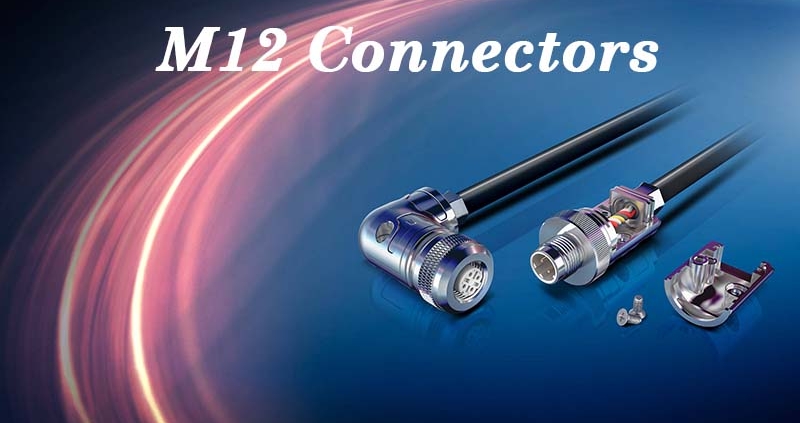
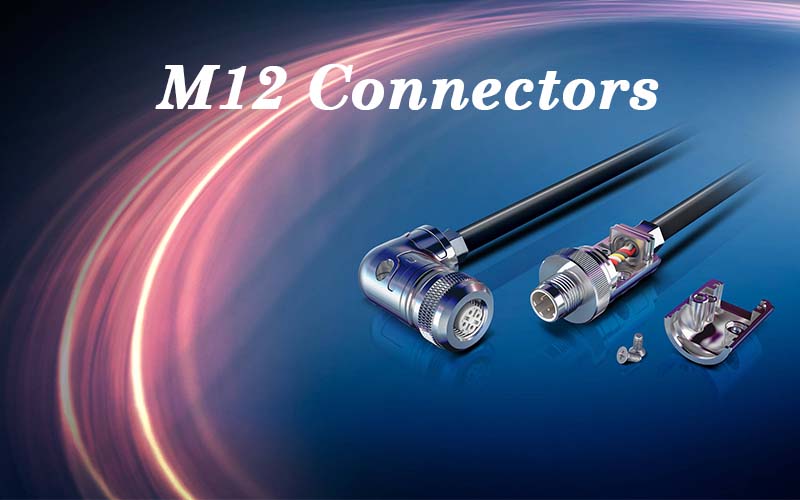
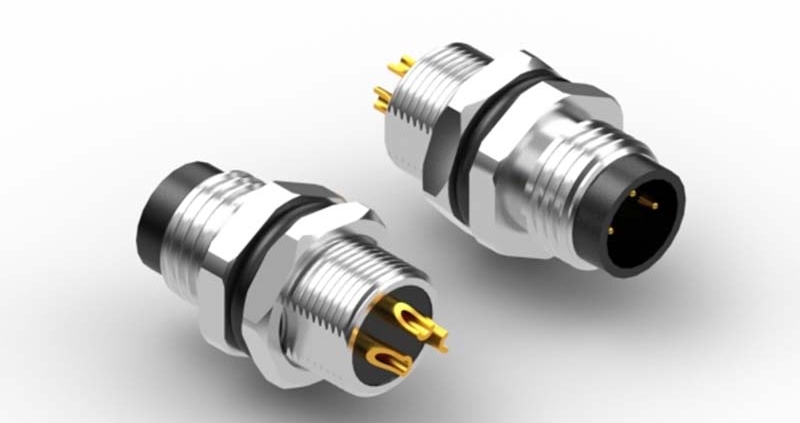
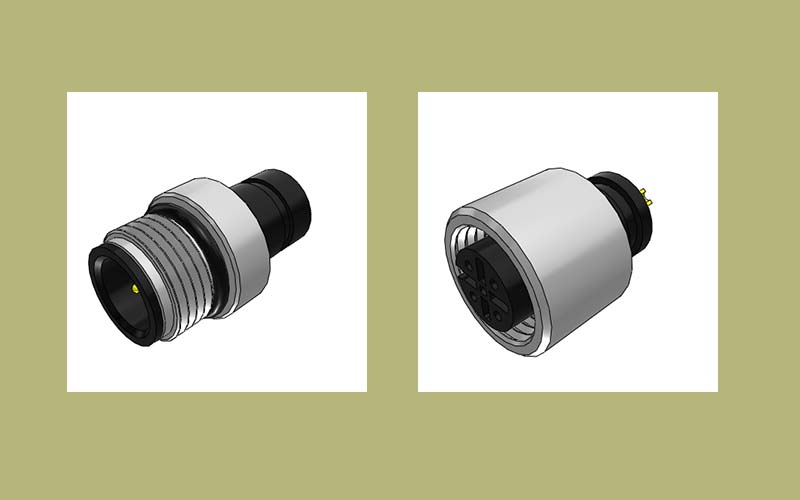
m12 connector

In the intricate web of industrial connectivity, M12 electrical connectors stand out as indispensable components. Their versatility, reliability, and adaptability make them crucial for a myriad of applications. Here, we present the top 10 M12 electrical connectors that have proven their mettle in the industrial landscape.

m12 connector

  1. M12 4-Pin Straight Connector

Ideal for space-constrained environments, this straight connector offers a compact yet robust solution. Its four-pin configuration makes it versatile for various signal and power applications.

  1. M12 8-Pin Angled Connector with LEDs

Designed for enhanced visibility and diagnostics, this angled connector with LED indicators is perfect for applications where quick status checks are essential. The eight-pin layout accommodates complex data transmission needs.

  1. M12 5-Pin Shielded Connector

In environments with electromagnetic interference, the shielded 5-pin connector provides a secure and stable connection. It’s a go-to choice for industrial settings where signal integrity is paramount.

  1. M12 12-Pin Connector for High-Density Applications

For applications demanding a high density of connections, the M12 12-pin connector steps up to the challenge. Its compact design belies its capability to handle intricate data and power requirements.

  1. M12 X-Coded Connector for Ethernet Applications

In the era of Industry 4.0, Ethernet connectivity is a must. The M12 X-coded connector ensures high-speed data transfer, making it indispensable for smart manufacturing and automation.

  1. M12 Power Connector for Heavy-duty Applications

When power requirements are robust, the M12 power connector steps in. With a focus on delivering substantial electrical power, it’s a staple in heavy-duty industrial machinery.

  1. M12 2-Pin Connector for Basic Connectivity

Sometimes simplicity is key. The M12 2-pin connector offers a straightforward solution for basic connectivity needs. Its reliability and ease of use make it a staple in various applications.

  1. M12 4-Pin Connector with Push-Pull Locking

Efficiency meets convenience with the push-pull locking mechanism. This 4-pin connector simplifies installation and removal, perfect for applications where speed is crucial.

  1. M12 5-Pin Connector with IP67 Waterproof Rating

In harsh environments where exposure to moisture is a concern, the M12 5-pin waterproof connector ensures reliability with its IP67 rating, keeping connections secure even in challenging conditions.

  1. M12 Circular Connector for Board-to-Board Applications

When connecting circuit boards is the task at hand, the M12 circular connector designed for board-to-board applications shines. Its precision and reliability make it a favorite in electronic manufacturing.


These top 10 M12 electrical connectors are a testament to the adaptability and reliability of M12 technology in the industrial landscape. Whether it’s transmitting data, powering machinery, or facilitating communication, M12 connectors continue to play a pivotal role in shaping the future of industrial connectivity.

Circular Connector Showdown

In the realm of circular connectors, the choice between M12, M8, and M5 connectors can significantly impact the performance and efficiency of industrial applications. Each size comes with its unique features, strengths, and best-fit scenarios. Let’s dive into the Circular Connector Showdown to explore the strengths and best applications of M12, M8, and M5 connectors.

  1. M12 Connectors: Versatility Personified

Strengths:

Versatility: M12 connectors are renowned for their versatility, accommodating a range of pin counts suitable for diverse applications.

Robustness: Designed to withstand harsh industrial environments, M12 connectors are known for their robustness and durability.

Ethernet Capabilities: M12 connectors are often the go-to choice for industrial Ethernet applications, playing a crucial role in Industry 4.0.

Best Applications:

Factory automation

Industrial Ethernet

Sensor connections

Actuators

Fieldbus systems

  1. M8 Connectors: Space-Efficient Powerhouses

Strengths:

Compact Size: M8 connectors are compact, making them ideal for applications with limited space.

Quick Installation: Known for their quick and easy installation, M8 connectors are efficient in space-constrained environments.

Reliable Power: Despite their small size, M8 connectors can handle power transmission effectively.

Best Applications:

Small sensors

Actuators

Industrial lighting

Compact machinery

  1. M5 Connectors: Precision in Miniature

Strengths:

Miniature Size: M5 connectors are the smallest in this showdown, perfect for applications where space is at a premium.

Precision Connectivity: Ideal for applications requiring precision, M5 connectors are often chosen for their accuracy.

Lightweight: The lightweight design of M5 connectors adds to their appeal in applications where weight is a critical factor.

Best Applications:

Miniature sensors

Medical devices

High-precision instruments

Robotics


Choosing the Right Connector: Factors to Consider

  • Application Requirements: Consider the specific needs of your application, such as data transmission, power requirements, and space constraints.
  • Environmental Conditions: Assess the environmental conditions, including temperature, moisture, and exposure to contaminants, to ensure the chosen connector can withstand these factors.
  • Future-Proofing: Anticipate future needs and technological advancements to ensure the selected connector can adapt to evolving industry standards.


In this Circular Connector Showdown, the choice between M12, M8, and M5 connectors ultimately depends on the unique demands of your industrial application. Each type brings its strengths to the table, offering a tailored solution for various scenarios.

m12 circular connector

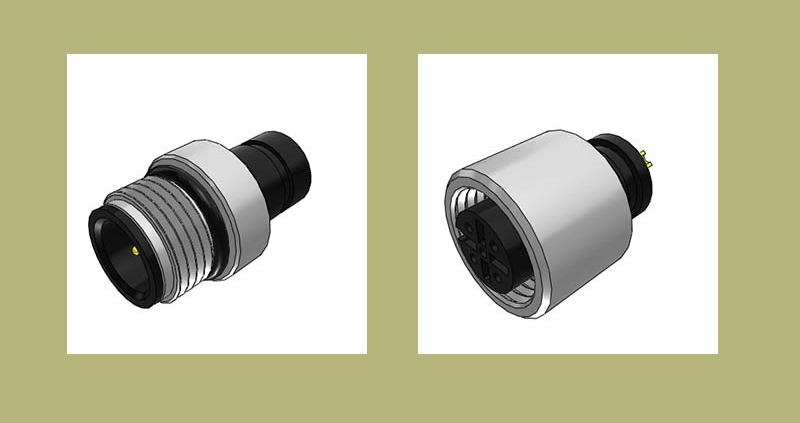
In the realm of industrial connectivity, M12 Circular Connectors play a pivotal role. These compact components provide a robust and reliable solution for various applications. In this comprehensive guide, we’ll delve into the intricacies of M12 connectors, exploring their diverse applications, key features, and the factors to consider when choosing the right connector for your needs.

m12 circular connector

  1. Understanding the Basics

Unravel the fundamentals of M12 Circular Connectors. From their design to the materials used, gain insights into what makes these connectors versatile and enduring.

  1. Applications Across Industries

Explore the wide array of industries that benefit from M12 connectors. From manufacturing and automation to transportation and beyond, discover how these connectors streamline processes.

  1. Varieties of M12 Connectors

Decode the different types of M12 connectors available. Whether you need straight or angled connectors, those with LEDs or shielding, this guide will help you navigate the options.

  1. How to Choose the Right M12 Connector

Dive into the decision-making process. Learn about the factors influencing your choice, including environmental considerations, pin configurations, and the specific requirements of your application.

  1. Installation and Maintenance Tips

Gain practical insights into installing and maintaining M12 Circular Connectors. From cable routing to troubleshooting, understand best practices for ensuring optimal performance.

  1. M12 Connectors in Future Technologies

Explore the role of M12 connectors in emerging technologies. From the Internet of Things (IoT) to advancements in smart manufacturing, understand how these connectors are adapting to meet evolving needs.

  1. Troubleshooting Common Issues

Every technology encounters challenges. Discover common issues with M12 connectors and effective troubleshooting techniques to keep your connections seamless.

  1. The Future of M12 Connectivity

As technology evolves, so does connectivity. Explore future trends and innovations in M12 Circular Connectors, providing a glimpse into the next generation of industrial connectivity.


Whether you’re a seasoned professional or new to the world of connectors, this guide aims to be your go-to resource for understanding, selecting, and optimizing M12 Circular Connectors. Stay tuned for an in-depth exploration of these critical components.

threaded connectors

Threaded connectors are the unsung heroes of the engineering world. These small but mighty components play a vital role in maintaining the integrity of your connections, ensuring a secure and reliable operation. In this guide, we dive into the world of threaded connectors, exploring their production, key considerations, and applications across industries.

threaded connectors

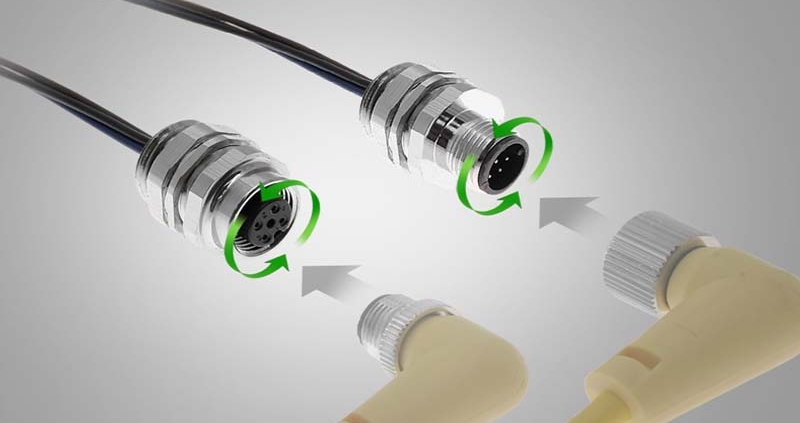
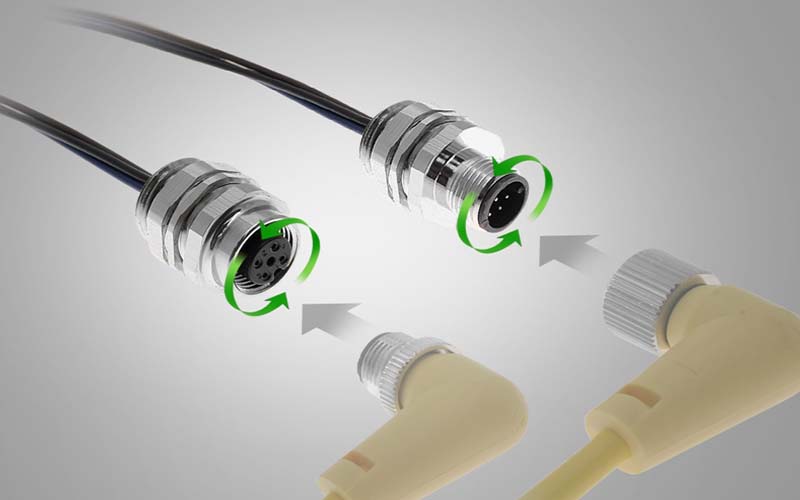
Introduction to Threaded Connectors: Threaded connectors, also known as screw-on connectors, are a type of fastener commonly used in various industrial, electronic, and mechanical applications. They consist of male and female components with threaded sections that join together by twisting, providing a secure and robust connection.

Production Notice for Optimal Performance:

  • Material Matters: The choice of material for threaded connectors is critical. Common materials include stainless steel, brass, and aluminum. Your material choice should align with the connector’s intended environment and the properties you require, such as corrosion resistance or electrical conductivity.
  • Thread Design: The thread design plays a crucial role in connection strength and ease of use. Different thread forms, like fine or coarse threads, are suitable for specific applications. Understanding your application’s demands is key.
  • Thread Lubrication: Proper lubrication of threaded connectors can extend their lifespan and prevent binding. It’s especially crucial in demanding environments where connections may face high temperatures or exposure to corrosive substances.
  • Torque Control: Over-tightening or under-tightening threaded connectors can lead to connection issues. Implementing torque control processes during installation helps ensure connections are secure without risking damage.

Applications Across Industries:

1. Electronics: Threaded connectors are used extensively in electronic devices to secure cables, wires, and components. Common examples include USB connectors, which ensure reliable data transfer, and BNC connectors for coaxial cables.

2. Automotive: Threaded connectors are essential in automotive applications. They secure components in critical systems, such as the engine, transmission, and electrical systems.

3. Aerospace: In aerospace, threaded connectors maintain connections in systems like avionics, flight control, and communication equipment. Their reliability is paramount in these applications.

4. Telecommunications: The telecommunications industry relies on threaded connectors to secure fiber optic cables, ensuring uninterrupted data transmission and communication.

5. Industrial Machinery: Threaded connectors play a pivotal role in heavy machinery and industrial equipment, securing vital components that operate under rigorous conditions.

In conclusion, threaded connectors are the unsung heroes that keep your devices and machinery connected and operating smoothly. Understanding the production nuances and applications of threaded connectors is key to choosing the right connector for your specific needs.

At FPIC (Shenzhen Forman Precision Industry Co., Ltd), we offer a wide range of threaded connectors designed for optimal performance in various industries. Our commitment to quality and precision manufacturing ensures that our connectors meet the highest industry standards. Explore our threaded connector offerings and find the perfect solution for your needs. Get in touch with us today to learn more and secure the connectors that will power your projects.

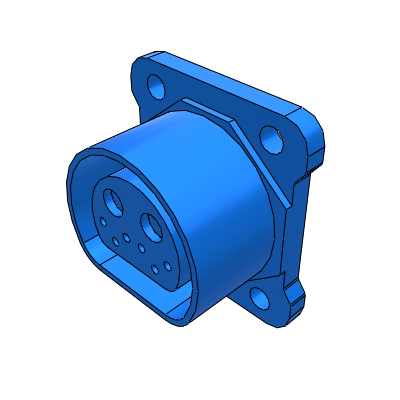
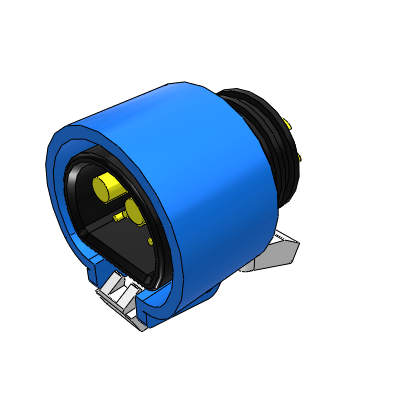
battery interface connectors

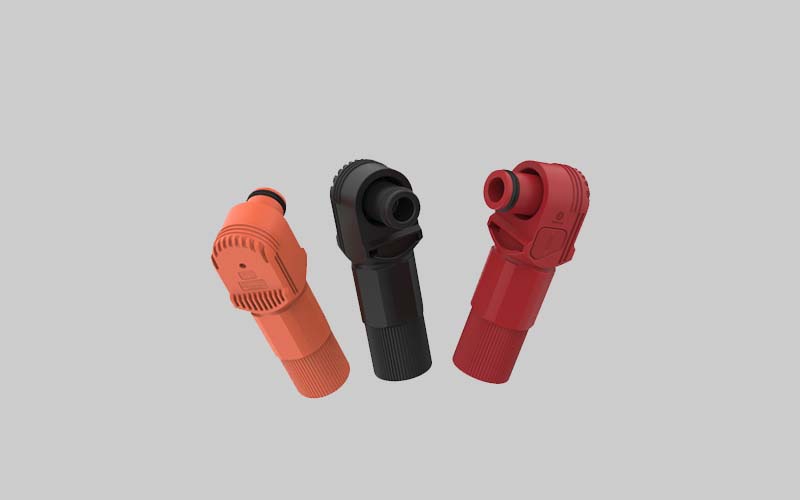
Electric mobility is transforming the way we move. As electric vehicles (EVs) and e-bikes become more popular, the heart of their power lies in the batteries that drive them. The connection between these power sources and the vehicle’s systems is a critical piece of the electric mobility puzzle. At FPIC (Shenzhen Forman Precision Industry Co., Ltd.), we’re leading the charge in providing cutting-edge battery interface connectors that drive the future of electric transportation.

battery interface connectors

The Vital Role of Battery Interface Connectors

Battery interface connectors are the link between a battery and the vehicle’s electrical systems. Whether it’s an electric car, e-bike, or any electric mobility device, these connectors play a pivotal role in ensuring seamless energy transfer and overall system performance. Here’s why these connectors are so crucial:

1. Power Transfer: Electric vehicles rely on high-voltage batteries to operate. Battery interface connectors efficiently transmit this power from the battery to the vehicle’s electrical systems, including the motor, control units, and charging systems.

2. Safety and Reliability: Safety is paramount in electric mobility. Battery interface connectors are rigorously designed and tested to ensure safe and reliable power connections, minimizing risks associated with high-voltage applications.

3. Efficiency: High-quality connectors ensure minimal energy loss during power transmission, optimizing the overall efficiency and range of electric vehicles.

4. Customization: The diversity of electric mobility applications requires connectors that can be tailored to fit various designs and specifications. Customization options allow manufacturers to create connectors that precisely match their requirements.

Why FPIC Battery Interface Connectors Shine

FPIC understands that battery interface connectors must meet the unique needs of the electric mobility industry:

  • High Voltage: Our connectors are designed to handle high-voltage applications safely and efficiently.
  • Robust Construction: They are built to withstand the rigors of electric vehicle use, including exposure to environmental factors like moisture and vibration.
  • Comprehensive Testing: FPIC connectors undergo rigorous testing to ensure they meet safety and performance standards.
  • Customization: We offer flexibility in connector design, allowing manufacturers to adapt our connectors to their specific applications.
  • battery interface connector (2) battery interface connector e-bike connector e-bike connector

Join the Electric Mobility Revolution with FPIC

As electric mobility gains momentum, the role of battery interface connectors is becoming increasingly significant. At FPIC, we’re dedicated to delivering innovative connector solutions that empower electric vehicle manufacturers and e-bike makers to produce cutting-edge electric mobility devices. Our connectors serve as the crucial bridge between the power source and the vehicle’s systems, ensuring safe, efficient, and reliable operation.

To explore our range of battery interface connectors or inquire about customization options, please contact us at info@fpiconn.com. FPIC is your trusted partner in driving the future of electric mobility.

battery storage connector

In the dynamic landscape of renewable energy and power distribution, battery storage solutions have gained prominence for their ability to store and deliver electricity efficiently. At the heart of these systems lie battery storage connectors, essential components that enable seamless energy transfer and play a pivotal role in ensuring the reliability and performance of modern power grids. In this article, we delve into the key features and applications of battery storage connectors, shedding light on their significance in the energy sector.


Key Features of Battery Storage Connectors:

  1. High Voltage Rating: Battery storage systems operate at varying voltage levels, and connectors need to accommodate these fluctuations. Battery storage connectors are engineered with high voltage ratings to ensure compatibility with the power requirements of different setups.
  2. Robust Construction: Given the critical nature of energy storage, connectors must withstand environmental factors, temperature variations, and mechanical stresses. These connectors are designed with robust materials that ensure durability and long-term reliability.
  3. Low Contact Resistance: Efficient energy transfer requires low contact resistance to minimize power loss and heat generation. Battery storage connectors are meticulously crafted to maintain optimal conductivity, ensuring minimal energy wastage.
  4. Safety Mechanisms: Battery systems pose potential safety risks due to high voltages and currents. Battery storage connectors incorporate safety mechanisms like locking systems, touch-proof designs, and insulation to prevent accidental contact, ensuring both user and equipment safety.
  5. Easy Assembly: Connectors used in battery storage setups should facilitate quick and hassle-free assembly. Battery storage connectors often feature intuitive designs with tool-free installation, reducing setup time and effort.

Applications of Battery Storage Connectors:

  1. Renewable Energy Integration: Battery storage connectors play a crucial role in integrating renewable energy sources like solar and wind into the grid. They enable efficient energy storage during periods of excess production and release stored energy during high demand, ensuring a stable power supply.
  2. Grid Stabilization: Battery storage systems, coupled with connectors, contribute to grid stability by providing rapid-response energy injections or withdrawals. This helps manage fluctuations in demand and supply, ensuring a consistent power flow.
  3. Peak Load Management: Battery storage connectors help manage peak loads by storing excess energy during off-peak periods and releasing it during peak demand. This reduces strain on the grid during high-demand hours.
  4. Backup Power Systems: Battery storage connectors are essential components in backup power systems for critical infrastructure. In case of grid failures or emergencies, these connectors enable seamless transition to stored energy, ensuring uninterrupted power supply.
  5. Electric Vehicle Charging: As the adoption of electric vehicles grows, battery storage connectors facilitate fast and efficient charging by connecting the vehicle’s battery to the grid or charging infrastructure.

battery storage connector

In conclusion, battery storage connectors are integral to the modern energy landscape, enabling efficient energy storage, distribution, and utilization. Their advanced features and versatile applications make them indispensable components in renewable energy integration, grid stability, and various other sectors. As the demand for reliable and sustainable energy solutions continues to rise, battery storage connectors will continue to play a pivotal role in shaping the future of power distribution.

1500V 10.0 energy storage connector

In the realm of renewable energy, the quest for higher efficiency and reliability is unceasing. As renewable energy systems evolve to meet the demands of a sustainable future, one critical element stands out: connectors. These unassuming components play a pivotal role in ensuring seamless energy transfer and optimizing the performance of renewable energy systems. In this article, we delve into the world of 1500V10.0 connectors, exploring their significance, features, and how FPIC’s expertise is driving innovation in the realm of energy storage connectors.

Unveiling the Significance of 1500V10.0 Connectors:

Renewable energy systems, particularly those operating at higher voltages, demand connectors that can handle increased power loads while maintaining optimal efficiency. Enter the 1500V10.0 connectors – a breed designed to cater to the unique demands of such systems. These connectors are engineered to facilitate the transfer of energy in environments where high voltage is a norm, making them ideal for large-scale solar arrays, wind farms, and energy storage applications.

1500V10.0 connectors

Key Features of 1500V10.0 Connectors:

High Voltage Capability: One of the defining features of 1500V10.0 connectors is their ability to withstand high voltage levels of up to 1500 volts. This high voltage rating ensures compatibility with systems operating at elevated voltages, a necessity in modern renewable energy infrastructure.

Robust Design: The rugged and durable construction of these connectors makes them well-suited for harsh outdoor environments. They can withstand factors such as temperature fluctuations, moisture, UV radiation, and mechanical stresses, ensuring longevity and consistent performance.

Optimized Efficiency: With the demand for efficient energy conversion and distribution, these connectors are engineered to minimize power loss during energy transfer. This optimization enhances the overall efficiency of the renewable energy system.

Easy Installation: The design of 1500V10.0 connectors prioritizes ease of installation. Connectors that are quick and intuitive to install significantly reduce downtime and labor costs during deployment, contributing to project timelines and budgets.

FPIC‘s Strength in 1500V10.0 Connectors:

Shenzhen Forman Precision Industry Co., Ltd. (FPIC) has firmly established itself as a pioneering force in the realm of energy storage connectors. With an unwavering commitment to innovation and excellence, FPIC brings its expertise to the forefront with the 1500V10.0 connectors.

FPIC’s Strengths in 1500V10.0 Connectors Include:

  1. Engineering Excellence: FPIC’s engineering team combines decades of experience and cutting-edge technology to craft connectors that meet the rigorous demands of renewable energy systems. The 1500V10.0 connectors are a testament to FPIC’s commitment to pushing the boundaries of innovation.
  2. Stringent Quality Assurance: FPIC ensures the highest level of quality through rigorous testing and quality assurance processes. Each 1500V10.0 connector undergoes meticulous testing to guarantee reliability and performance even in the harshest conditions.
  3. Customization Capabilities: Recognizing that each energy system is unique, FPIC offers customization options to tailor connectors to specific project requirements. This flexibility allows for seamless integration into diverse energy infrastructures.

In conclusion, 1500V10.0 connectors play a pivotal role in enhancing the efficiency and reliability of renewable energy systems. FPIC’s expertise in engineering, quality assurance, and customization positions the company as a frontrunner in the development of connectors that drive the future of sustainable energy. As renewable energy continues to reshape the global energy landscape, FPIC’s 1500V10.0 connectors are poised to make a significant impact, powering a greener tomorrow.

2.54mm female header

2.54mm Pitch Female Headers Introduction:

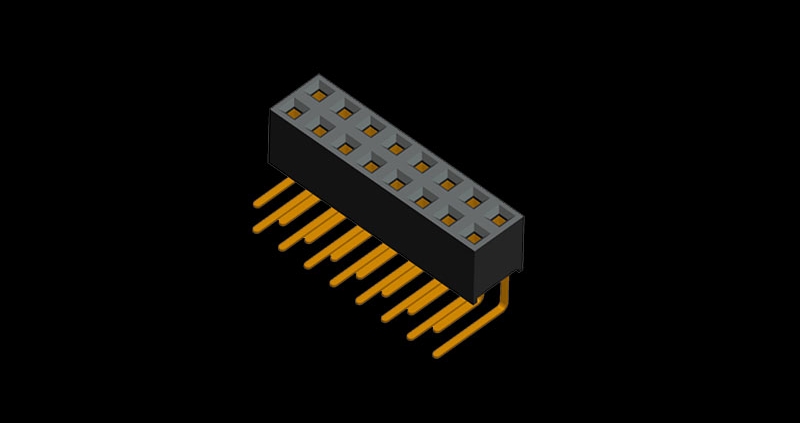
When it comes to creating reliable connections between electronic components, 2.54mm pitch female headers play a vital role. These versatile connectors are commonly used in board-to-board connections, offering seamless integration and robust signal transmission. Whether you need surface mount technology (SMT) or through-hole mounting (DIP) solutions, 2.54mm pitch female headers provide the flexibility and reliability you require.

SMT Type Female Headers:

2.54mm pitch SMT type female headers are designed for surface mount technology applications, enabling efficient and automated assembly processes. These headers feature a compact and streamlined design, allowing for high-density PCB layouts and space-saving solutions. With their fine pitch, they are suitable for various electronic devices where space is a premium. The SMT type female headers ensure secure and stable connections, making them ideal for demanding applications in computer peripherals, communication equipment, and consumer electronics.

DIP Type Female Headers:

For through-hole mounting applications, 2.54mm pitch DIP type female headers are the go-to choice. These headers offer easy manual or automated assembly on circuit boards, providing a reliable and stable connection. With their standardized pitch, they are compatible with standard PCB designs, simplifying integration into electronic projects. The DIP type female headers are commonly used in applications where robustness and durability are crucial, such as automotive electronics, industrial equipment, and power supplies.

Versatility and Applications:

The versatility of 2.54mm pitch female headers extends to a wide range of applications. They are indispensable in board-to-board connectors, allowing seamless connections between PCBs and enabling the transfer of signals and power between different modules. These headers find applications in various industries, including telecommunications, consumer electronics, medical devices, and more.

FPIC’s Commitment to Quality:

As a leading manufacturer of electronic connectors, FPIC is committed to delivering high-quality 2.54mm pitch female headers. With our state-of-the-art manufacturing facilities, stringent quality control processes, and adherence to international standards, we ensure that our female headers meet the highest standards of performance, reliability, and durability.

Conclusion:

In the realm of board-to-board connectors, 2.54mm pitch female headers are indispensable components for creating reliable and efficient connections. Whether you require SMT or DIP type solutions, these headers offer versatility, compatibility, and reliability for a wide range of applications. At FPIC, we pride ourselves on delivering top-notch 2.54mm pitch female headers that meet the diverse needs of our customers. Contact us today to explore our range of connectors and discuss your specific requirements.

Send us inquiry to info@fpiconn.com.

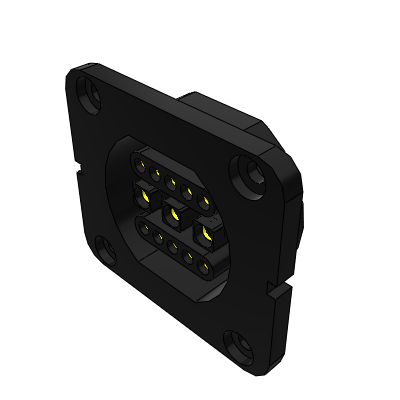
board to board connector

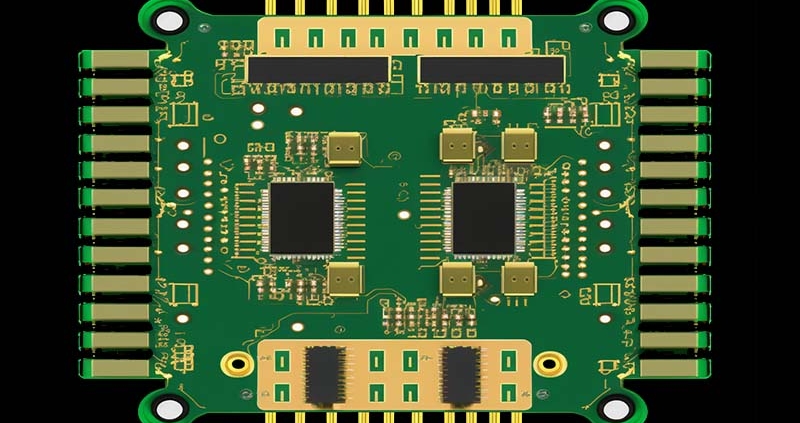
Board to board connector (B2B) are the perfect solution for interconnecting printed circuit boards (PCBs) within electronic equipment and devices. At FPIC, we specialize in the design and manufacture of high-quality B2B connectors that are widely used in various applications, including consumer electronics, medical devices, and automotive electronics.