Grain Rain: Growth and Timing in Spring
What Is Grain Rain?
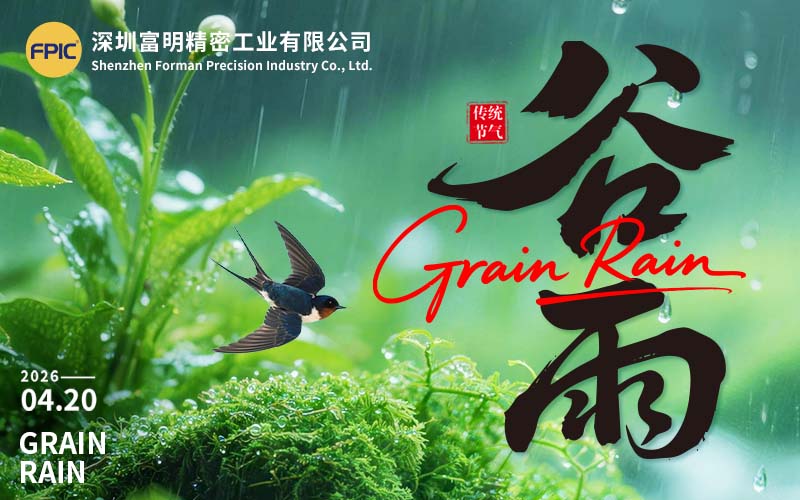
Grain Rain (谷雨, Guyu) is the sixth of China’s 24 Solar Terms and usually occurs around April 20 each year. The name literally means “Rain for Grain,” symbolizing the rainfall that nourishes crops during a critical stage of spring growth.
For international audiences, Grain Rain represents the close relationship between climate, agriculture, and seasonal timing in traditional Chinese culture.
What Does Grain Rain Mean?
In ancient China, rainfall during this period was essential for successful farming. Grain Rain marks a time when:
- Rainfall increases
- Crops begin to grow rapidly
- Farmers enter a key cultivation period
It reflects a simple but powerful idea: timely support leads to strong growth.
The Origin of Grain Rain
The 24 Solar Terms were developed over 2,000 years ago as a way to guide agricultural production based on the sun’s position.
Grain Rain was especially important because it indicated:
- The end of cold weather
- The start of stable spring conditions
- The best time for planting and field management
This system demonstrates early scientific understanding of climate patterns and sustainable farming practices.
Climate and Seasonal Changes
During Grain Rain:
- Temperatures become warmer and more stable
- Rainfall becomes more frequent
- Plants grow faster and stronger
- Natural ecosystems become more active
It is often seen as the final stage of spring, preparing for the transition into early summer.
Traditional Customs and Activities
1. Drinking Spring Tea
Grain Rain is considered the best time to harvest fresh tea leaves. “Grain Rain tea” is known for its rich flavor and freshness.
2. Appreciating Peonies
In some regions, people admire peony flowers, which bloom during this period and symbolize prosperity and elegance.
3. Supporting Agriculture
Historically, communities focused on planting and field management during Grain Rain. It represents diligence, timing, and preparation for future harvests.
Cultural Meaning of Grain Rain
Beyond agriculture, Grain Rain reflects deeper values:
- Growth requires the right conditions
- Timing determines success
- Consistent effort leads to long-term results
- Nature and human activity are interconnected
It highlights the importance of patience, planning, and execution.
Grain Rain and FPIC’s Corporate Culture
At FPIC, the philosophy behind Grain Rain closely aligns with our approach to business.
1. Growth Through Support
Just as rain nurtures crops, we support our customers with:
- Reliable manufacturing capabilities
- Consistent product quality
- Professional technical solutions
2. Timing and Precision
In manufacturing, timing is critical. Grain Rain reminds us that success depends on delivering the right solution at the right time.
At FPIC, we focus on:
- Efficient production scheduling
- Stable supply chain management
- On-time delivery
3. Long-Term Development
Grain Rain represents preparation for future harvest. Similarly, we prioritize:
- Long-term partnerships
- Continuous improvement
- Sustainable growth strategies
We believe that strong results come from steady, well-managed processes.
Relevance for Global Audiences
For Western readers, Grain Rain offers a valuable perspective:
Success is not only about effort—it is also about timing, environment, and consistency.
This idea applies across industries, from agriculture to manufacturing and global business.
Conclusion
Grain Rain is more than a seasonal marker—it is a reminder that growth depends on the right balance of timing, effort, and support.
At FPIC, we embrace this philosophy by continuously improving our processes, strengthening partnerships, and delivering reliable solutions to customers worldwide.
References / Notes
- China National Meteorological Administration – 24 Solar Terms
- Encyclopaedia Britannica – Traditional agricultural calendars
- Ministry of Culture and Tourism of China – Solar term traditions
- This article is written based on publicly available cultural and historical sources for educational purposes.