Tag Archive for: Traditional Festival

National Day

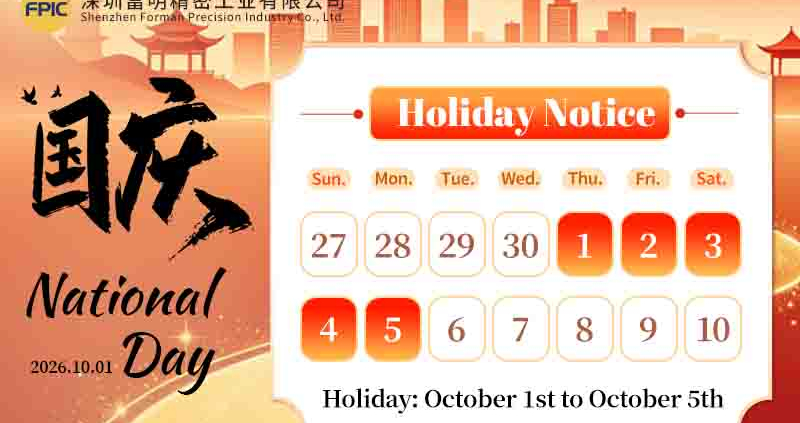
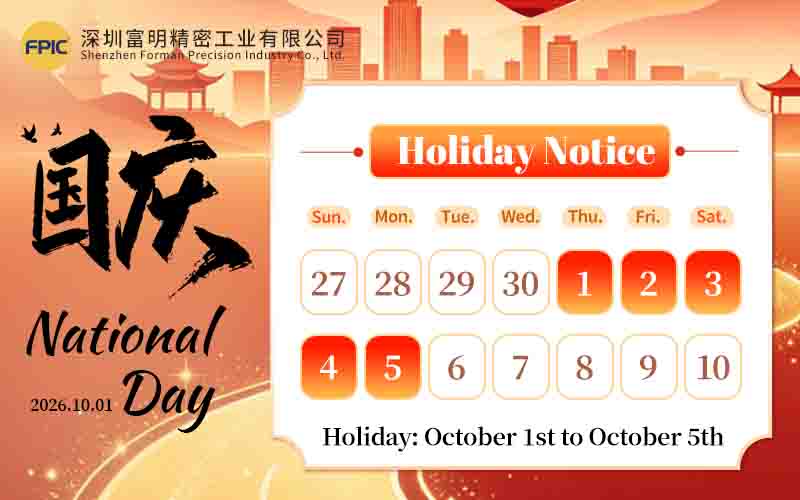
To celebrate China National Day, FPIC will observe the following holiday schedule in accordance with the official 2026 public holiday arrangement:

Holiday Period: October 1–5, 2026

Duration: 5days

Work Resumes: October 6, 2026

According to the official public holiday schedule issued by the General Office of the State Council, the 2026 National Day holiday will run from Thursday, October 1, through Monday, October 5.

During the holiday period, responses to emails, product inquiries, quotations, and customer requests may take longer than usual.

We appreciate your understanding and continued support. FPIC will respond to customer inquiries as soon as our team resumes normal operations.

Thank you for your trust and cooperation.

FPIC Team
National Day


What Is China National Day?

China National Day (国庆节, Guóqìng Jié) is a national holiday observed annually on October 1 in the People’s Republic of China.

The date commemorates the founding of the People’s Republic of China in 1949.

For people outside China, it is useful to understand that National Day is both a public holiday and an important national commemorative occasion.

The holiday is marked by public celebrations, cultural activities, travel, family gatherings, exhibitions, decorations, and other events across the country.

October 1 is also the beginning of a major annual holiday period commonly known as the National Day holiday or Golden Week.


Why Is October 1 China’s National Day?

The date goes back to a historic event in 1949.

On October 1, 1949, the founding ceremony of the People’s Republic of China was held at Tiananmen Square in Beijing.

The Central People’s Government was formally established, and the founding of the People’s Republic of China was proclaimed at the ceremony.

Later that year, on December 2, 1949, the Central People’s Government Committee passed a resolution designating October 1 as the National Day of the People’s Republic of China.

Therefore, October 1 became the fixed annual date for National Day.

The historical event is documented in Chinese government archives and official historical records.


The Historical Background of National Day

To understand why National Day has such importance, it is necessary to look at China’s history during the first half of the 20th century.

China experienced significant political, social, economic, and military changes during this period.

The country went through:

  • The end of the Qing dynasty
  • The establishment of the Republic of China in 1912
  • Political and social transformation
  • The Second Sino-Japanese War
  • The Chinese Civil War
  • The establishment of the People’s Republic of China in 1949

The founding of the People’s Republic of China marked a major political transition in modern Chinese history.

For the Chinese government and official historical narratives, 1949 is regarded as the beginning of a new period in China’s modern development.

For international readers, National Day can therefore be understood as a holiday connected to a major turning point in modern Chinese history, rather than simply a seasonal celebration.


October 1, 1949: The Founding Ceremony

The founding ceremony took place in Tiananmen Square in Beijing on October 1, 1949.

The event included:

  • The formal proclamation of the Central People’s Government
  • The raising of the national flag
  • The playing of the national anthem
  • A military parade
  • A mass procession and public celebrations

The ceremony became one of the most significant events in modern Chinese history.

Historical footage and archival materials from the event have since become important records of this period.

The ceremony also established October 1 as a date with strong historical and national significance.


How Did China National Day Develop?

In its early years, National Day celebrations were closely associated with public ceremonies and commemorative activities.

Over time, the way people experience the holiday expanded.

Today, National Day combines several different dimensions:

National Commemoration

Official ceremonies and public activities commemorate the founding of the People’s Republic of China.

Cultural Activities

Museums, cultural institutions, public spaces, and local communities often organize exhibitions and cultural events around the holiday.

Family Time

For many people, the extended holiday provides an opportunity to return home, visit relatives, or spend time with family.

Travel

The National Day holiday is one of the major travel periods in China’s annual calendar.

Leisure and Recreation

People may visit parks, museums, historical sites, cultural attractions, or tourist destinations during the holiday.

This evolution has made National Day both a historical commemoration and an important period for social and cultural activities.


What Is Golden Week?

The term Golden Week is commonly used to describe the extended National Day holiday period.

The National Day holiday traditionally provides one of the longest continuous public holiday periods in the second half of the year.

The 2026 official arrangement provides seven days of holiday from October 1 to October 7, with adjusted working days before and after the holiday.

For businesses working with Chinese manufacturers and suppliers, understanding this schedule can be useful when planning:

  • Production schedules
  • Customer communication
  • Shipping arrangements
  • Order confirmations
  • Sample development
  • Quality inspections
  • Project milestones
  • International logistics

For international customers, planning ahead can help reduce unnecessary delays around the holiday period.


How Is National Day Celebrated?

National Day celebrations vary between cities, communities, families, and generations.

Common activities may include the following.

1.National Flag Displays

Red national flags and other festive decorations are widely displayed in public areas, buildings, streets, and commercial spaces during the holiday.

The national flag is an important visual symbol of the occasion.


2.Public Ceremonies and Events

National Day may be marked by official ceremonies and public events.

Large cities may organize cultural performances, exhibitions, light shows, or other activities during the holiday period.

The scale and format of celebrations can vary from year to year.


3.Cultural and Historical Visits

National Day is also a popular period for visiting:

  • Museums
  • Historical sites
  • Memorials
  • Cultural institutions
  • Famous landmarks
  • Traditional villages
  • Scenic destinations

For younger generations, these activities can provide opportunities to learn about Chinese history and culture.


4.Family Gatherings

Although National Day has a national historical meaning, the long holiday also has a practical family dimension.

Many people use the holiday to:

  • Return to their hometowns
  • Visit relatives
  • Travel with family
  • Spend time with parents
  • Explore local attractions
  • Rest after a busy working period

This combination of public history and private family life is one reason the holiday is significant in everyday life.


National Day and Travel in China

The National Day holiday is traditionally one of China’s major travel periods.

In recent years, holiday travel has increasingly included cultural tourism, family trips, city breaks, outdoor activities, museums, historical attractions, and local food experiences.

The 2025 National Day and Mid-Autumn Festival holiday period, for example, generated significant domestic travel activity according to China’s Ministry of Culture and Tourism.

For 2026, government and local tourism authorities have again planned cultural and tourism activities around the National Day holiday period.

This demonstrates how the holiday has developed beyond formal ceremonies into a broader period of cultural, family, and leisure activities.


The Cultural Meaning of National Day

National Day has different meanings for different people, but several themes are commonly associated with the holiday.

Historical Memory

The holiday provides an opportunity to remember a major turning point in China’s modern history.

National Development

It is also connected with reflection on China’s development over the decades since 1949.

Family and Community

The extended holiday provides time for people to reconnect with family and communities.

Looking Toward the Future

National Day is also commonly associated with hopes for continued development and a better future.

For international audiences, these dimensions help explain why October 1 is more than simply another public holiday on China’s calendar.


National Day for International Customers

For international customers working with Chinese companies, National Day is also an important cultural and business-calendar event.

China’s National Day holiday can affect:

  • Factory operating schedules
  • Production planning
  • Shipping arrangements
  • Logistics
  • Customer service response times
  • Supplier communication
  • Project delivery schedules

For this reason, international customers are encouraged to communicate important requirements with suppliers before the holiday.

At FPIC, we also see the holiday as an opportunity to appreciate the international relationships that have developed through years of cooperation.


China National Day and FPIC’s Corporate Culture

At FPIC, we believe that sustainable development is built through people, teamwork, responsibility, innovation, and long-term cooperation.

These values provide a natural connection between National Day and our company culture.

Responsibility Creates Long-Term Value

National Day provides an opportunity to reflect on history and development.

For a manufacturing company, development also comes from taking responsibility for everyday work.

At FPIC, responsibility can be seen across different stages of a project:

  • Engineering design
  • Product development
  • Manufacturing
  • Quality control
  • Testing
  • Delivery
  • Customer support

Every stage contributes to the final customer experience.

We believe that taking responsibility for each detail helps build reliable products and sustainable customer relationships.


Teamwork Builds Stronger Solutions

Modern manufacturing is never the work of a single department.

Engineers, production teams, quality professionals, purchasing teams, sales teams, warehouse personnel, and customer service teams all contribute to a successful project.

At FPIC, we value communication and collaboration across teams.

A complex custom connector, cable assembly, or wire harness project may require multiple departments to work together from design to mass production.

Strong teamwork creates stronger solutions.


Continuous Improvement

National Day also provides an opportunity to look back at development and think about the future.

This idea connects closely with FPIC’s approach to continuous improvement.

In manufacturing, improvement can come from many small details:

  • Better process control
  • More efficient production
  • Improved traceability
  • Stronger quality management
  • Better engineering communication
  • More effective testing
  • Faster response to customer requirements

Continuous improvement is not necessarily about making one dramatic change.

It is often about making many practical improvements over time.


Innovation and Future Development

China’s modern development has included major changes in manufacturing, technology, infrastructure, and international trade.

For FPIC, innovation is also an important part of long-term development.

As customer requirements become more complex, manufacturers need to continuously improve engineering capabilities, production processes, quality control, and customization support.

Our focus is not simply on producing components.

We aim to understand application requirements and develop solutions that fit real-world projects.


People Are an Important Part of Company Development

A company’s development ultimately depends on its people.

At FPIC, we believe that a positive workplace should provide employees with opportunities to grow, communicate, contribute, and feel valued.

Employee birthdays, monthly recognition, holiday activities, team events, and other internal activities are part of this people-oriented approach.

These activities may seem simple, but they help create everyday connections between colleagues.

A strong company culture is not created by a slogan alone.

It is built through daily behavior, mutual respect, teamwork, and care for people.


From Connection to Cooperation

FPIC’s products are designed around one fundamental concept: connection.

Connectors connect electrical and electronic systems.

Cable assemblies connect components and equipment.

Wire harnesses organize and connect multiple circuits within a system.

But business relationships also depend on connection.

Communication connects teams.

Trust connects partners.

Quality connects products with customer expectations.

Long-term cooperation connects today’s project with tomorrow’s opportunities.

This is why the idea of connection is meaningful not only to FPIC’s products, but also to our company culture.


Looking Back and Moving Forward

National Day is a moment to look back at an important chapter of China’s modern history.

For businesses, anniversaries and milestones also provide opportunities to reflect on what has been achieved and consider what comes next.

At FPIC, we believe long-term development comes from:

Experience + Responsibility + Innovation + Teamwork + Continuous Improvement

Our manufacturing journey continues to evolve alongside the needs of customers around the world.

Every new project brings new requirements.

Every challenge provides an opportunity to learn.

Every long-term partnership creates another opportunity to grow together.


Our National Day Wishes

As China prepares to celebrate National Day, FPIC would like to extend our warmest wishes to our employees, customers, partners, and friends around the world.

May this holiday provide an opportunity to:

🌱 Reflect on the past

🤝 Strengthen connections

💡 Explore new possibilities

❤️ Spend meaningful time with family

🚀 Look forward to future growth

Thank you for your continued trust, cooperation, and support.

Happy China National Day!


Frequently Asked Questions

When is China National Day?

China National Day is celebrated every year on October 1.

Why is October 1 China’s National Day?

October 1 commemorates the founding ceremony of the People’s Republic of China held in Beijing on October 1, 1949.

Are there adjusted working days in 2026?

Yes. According to the official 2026 holiday arrangement, September 20 and October 10, 2026 are designated as adjusted working days.

What is Golden Week in China?

“Golden Week” is a commonly used term for the extended National Day holiday period. It is one of China’s major annual holiday and travel periods.

Does National Day affect international manufacturing?

It can. Factory schedules, customer service, logistics, shipping, and production planning may be affected during the holiday. International customers are advised to confirm important project requirements in advance.

What does National Day mean in Chinese culture?

National Day commemorates a major event in modern Chinese history and is also a period for public celebrations, family activities, cultural events, travel, and reflection on national development.


Conclusion

China National Day is both a historical commemoration and an important part of modern Chinese life.

October 1 marks the founding of the People’s Republic of China in 1949, while the extended holiday period provides time for cultural activities, travel, family gatherings, and rest.

For international audiences, understanding National Day can provide useful insight into China’s modern history, social culture, and business calendar.

For FPIC, the holiday also offers an opportunity to reflect on the values that support long-term development: responsibility, teamwork, innovation, respect for people, continuous improvement, and lasting partnerships.

As we look back at the past and toward the future, FPIC is grateful to have customers and partners around the world on this journey.

Happy China National Day!


References / Sources

  1. General Office of the State Council of the People’s Republic of China, Notice on Arrangements for Several Public Holidays in 2026 — official 2026 National Day holiday dates and adjusted working days.
  2. The State Council of the People’s Republic of China, National Day — background information on October 1 and the establishment of National Day.
  3. The State Council of the People’s Republic of China, Chronology of Major Events of the People’s Republic of China (October 1949–September 2019) — historical information concerning the founding ceremony and the December 1949 designation of October 1 as National Day.
  4. Ministry of Foreign Affairs of the People’s Republic of China, Color Footage of the Founding Ceremony of the People’s Republic of China — archival information about the October 1, 1949 founding ceremony.
  5. Beijing Municipal Government, Public Holidays — 2026 National Day holiday schedule and adjusted working days.
  6. Ministry of Culture and Tourism / State Council information on National Day tourism and cultural activities.
Mid-Autumn Festival.

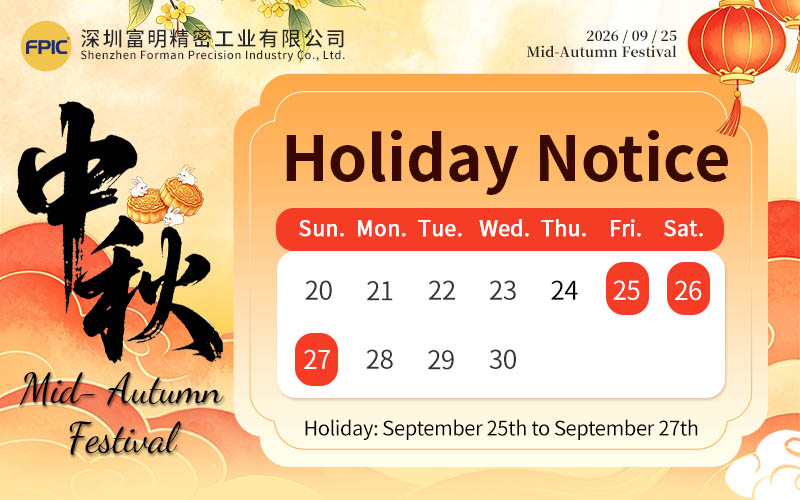
2026 Mid-Autumn Festival Holiday Notice

Dear Customers, Partners, and Friends,

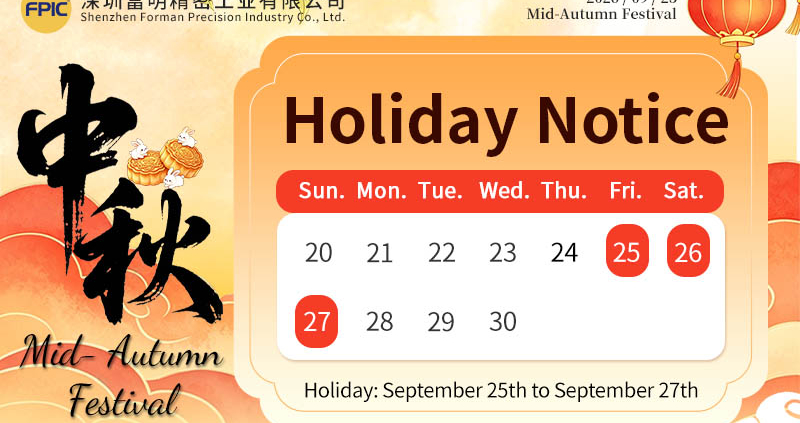
To celebrate the Mid-Autumn Festival, FPIC will observe the following holiday schedule:

Holiday Period: September 25–27, 2026

Duration: 3 days

Work Resumes: September 28, 2026

According to the official 2026 public holiday arrangements issued by the General Office of the State Council, the Mid-Autumn Festival holiday will run from Friday, September 25, through Sunday, September 27, with no additional shifted working day for this holiday.

During the holiday, responses to emails, product inquiries, and customer requests may be delayed. We appreciate your understanding and will respond as soon as possible after the holiday.

For urgent business matters, please contact your regular FPIC account representative.

Thank you for your continued trust and support.

Mid-Autumn Festival.


What Is the Mid-Autumn Festival?

The Mid-Autumn Festival (中秋节, Zhōngqiū Jié) is one of China’s major traditional festivals.

It takes place on the 15th day of the eighth month of the traditional Chinese lunar calendar, when the full moon is traditionally associated with the festival.

The name “Mid-Autumn” comes from its position in the traditional calendar: the eighth lunar month falls in autumn, and the 15th day is approximately in the middle of that month.

For this reason, the festival is closely connected with the ideas of:

  • Family reunion
  • Fullness and completeness
  • Harvest
  • Gratitude
  • Long-distance remembrance
  • Hope for a prosperous future

For people unfamiliar with Chinese culture, the easiest way to understand the Mid-Autumn Festival is as a traditional family and moon festival, with the full moon serving as an important cultural symbol of reunion.


When Is the Mid-Autumn Festival?

Unlike fixed-date holidays in the Gregorian calendar, the Mid-Autumn Festival follows the traditional Chinese lunar calendar.

As a result, its date changes each year on the Gregorian calendar.

In 2026, the Mid-Autumn Festival falls on September 25.

The official Chinese public holiday is September 25–27, 2026.


The Origins of the Mid-Autumn Festival

The history of the Mid-Autumn Festival is closely connected with ancient Chinese traditions of observing and worshipping the moon.

Moon-related ceremonies existed in ancient China long before the festival developed into its modern form. Historical sources describe autumn moon worship and seasonal ceremonies associated with the agricultural cycle.

The tradition gradually developed from an occasion connected with the moon and harvest into a broader cultural festival centered on family gatherings and appreciation of life.

The Mid-Autumn Festival became particularly popular during the Tang and Song dynasties, when moon appreciation, poetry, family gatherings, and nighttime celebrations became increasingly widespread. By the Ming and Qing dynasties, many of the customs familiar today had become deeply established.


Why Is the Full Moon So Important?

One of the most recognizable features of the Mid-Autumn Festival is the full moon.

In Chinese culture, the round shape of the moon is associated with completeness and reunion.

The Chinese concept of “圆” (yuan, roundness) is culturally connected with “团圆” (tuányuán, reunion).

Therefore, families traditionally gather together under the full moon, share food, talk with one another, and express good wishes.

For people who cannot return home, the moon can also become a symbol of connection. Looking at the same moon from different places provides a poetic way of thinking about family and loved ones who are far away.

This is one reason why the Mid-Autumn Festival has such a strong emotional meaning in Chinese culture.


The Legend of Chang’e and the Moon

One of the most famous stories associated with the Mid-Autumn Festival is the legend of Chang’e (嫦娥).

According to the traditional legend, Chang’e became associated with the moon after consuming an elixir of immortality and ascending there. Her story has been retold for centuries and has become one of the best-known Chinese lunar legends.

Other stories and regional traditions are also associated with the festival.

It is important to understand that these stories are traditional legends rather than historical records. They form part of China’s rich mythology and help explain the cultural imagination surrounding the moon.


Traditional Mid-Autumn Festival Customs

1.Eating Mooncakes

Mooncakes (月饼) are probably the most internationally recognizable food associated with the festival.

They are round pastries traditionally made with different fillings, including:

  • Lotus seed paste
  • Red bean paste
  • Mixed nuts
  • Salted egg yolk
  • Five-kernel fillings
  • Modern fruit or chocolate flavors

The round shape of a mooncake echoes the full moon and represents reunion and completeness.

Today, mooncakes are also commonly exchanged between family members, friends, business partners, and colleagues as festival gifts.

Historical sources indicate that mooncakes became strongly associated with Mid-Autumn Festival celebrations over the centuries, with the custom of exchanging mooncakes becoming particularly established in later periods.


2.Appreciating the Moon

Moon appreciation, or 赏月 (shǎngyuè), is one of the central traditions.

Families may gather outdoors, on balconies, in gardens, or in other comfortable places to enjoy the moon while sharing food and conversation.

Historically, moon viewing became particularly popular during the Tang and Song dynasties and inspired generations of Chinese poets and writers.


3.Family Reunion Dinner

For many families, the most important part of the festival is simply being together.

A traditional Mid-Autumn dinner may include regional dishes, seasonal fruits, tea, and mooncakes.

The menu varies considerably across China because different regions have their own culinary traditions.

The deeper meaning, however, is similar: sharing a meal represents connection, gratitude, and family unity.


4.Lanterns

Lanterns are also associated with Mid-Autumn celebrations, particularly among children and in community activities.

In different regions, people may carry, display, or make lanterns in different styles.

Mid-Autumn lantern traditions are generally smaller and more family-oriented than the large-scale lantern celebrations associated with the Lantern Festival.


5.Appreciating Osmanthus Flowers

The osmanthus flower (桂花) is strongly associated with autumn in Chinese culture.

In some regions, people enjoy:

  • Osmanthus tea
  • Osmanthus cakes
  • Osmanthus wine
  • Other seasonal foods flavored with osmanthus

Its fragrance adds another sensory dimension to the festival and reinforces the connection between Mid-Autumn celebrations and the autumn season.


Regional Differences Across China

China is geographically and culturally diverse, so Mid-Autumn traditions are not exactly the same everywhere.

In some areas, people place greater emphasis on family dinners and mooncakes. In others, lanterns, local foods, moon worship, seasonal flowers, or community celebrations may be more prominent.

In Fujian and parts of southern Fujian and Taiwan, for example, a traditional activity known as Bo Bing, or mooncake gambling, developed as a festive group game involving dice and prizes. It has been recognized as a national-level intangible cultural heritage practice in China.

This regional diversity is an important part of Chinese festival culture: the same festival can have different expressions while retaining common themes of reunion and celebration.


Mid-Autumn Festival and Chinese Culture

The festival carries several important cultural ideas.

Reunion

The full moon represents togetherness and family reunion.

Gratitude

The harvest associations of the festival connect it with appreciation for food, family, and the results of hard work.

Connection

People use the festival as an opportunity to reconnect with relatives, friends, and colleagues.

Hope

Traditional festival greetings often express wishes for happiness, health, prosperity, and family harmony.

These ideas help explain why the Mid-Autumn Festival remains meaningful even as lifestyles continue to change.


Mid-Autumn Festival for International Customers

For customers and partners outside China, the festival provides an opportunity to understand an important part of Chinese culture.

In Western countries, the concept of a family reunion holiday may be familiar through celebrations such as Thanksgiving or Christmas, although the traditions and historical backgrounds are different.

The Mid-Autumn Festival similarly creates a moment for people to pause, spend time with loved ones, and express appreciation.

For international business relationships, understanding these cultural traditions can also help build stronger communication and mutual understanding.


Mid-Autumn Festival and FPIC’s Corporate Culture

At FPIC, we believe that strong relationships are built through trust, respect, communication, and long-term commitment.

These values naturally connect with the spirit of the Mid-Autumn Festival.

Connection Matters

The full moon is traditionally a symbol of reunion.

For FPIC, connection is also at the heart of what we do. As a manufacturer of connectors, cable assemblies, and wire harness solutions, our products help establish reliable connections in industrial, automotive, medical, energy, and other applications.

Beyond products, we value the human connections behind every project.


Growing Together

The Mid-Autumn Festival reminds us that meaningful achievements are rarely created alone.

At FPIC, engineers, production teams, quality teams, sales professionals, and support teams work together to serve customers worldwide.

We believe that strong teams create stronger solutions.


Long-Term Partnerships

Just as families come together during the Mid-Autumn Festival, we value long-term relationships with our customers and partners.

Our goal is not simply to complete an individual order. We aim to understand customer requirements, provide professional support, and develop reliable solutions for long-term cooperation.


Caring for Our People

The festival is also an opportunity to appreciate our employees.

Throughout the year, FPIC organizes employee-focused activities such as birthday celebrations, monthly recognition, holiday events, and team activities.

These traditions reflect our people-oriented approach and our belief that a healthy company culture is built through everyday care and respect.


A Festival About Looking Back and Looking Forward

The Mid-Autumn Festival carries a beautiful balance between reflection and hope.

We look back with gratitude for what we have achieved, while looking forward to new opportunities.

For FPIC, this spirit is closely connected with our approach to continuous improvement.

Every project provides an opportunity to learn.

Every customer relationship provides an opportunity to improve.

Every new challenge provides an opportunity to develop better solutions.


Our Mid-Autumn Wishes

As the full moon shines over homes and communities across China, we would like to extend our warmest wishes to our employees, customers, partners, and friends around the world.

May this Mid-Autumn Festival bring:

🌕 Family reunion

🤝 Stronger connections

🌱 Continued growth

💡 New opportunities

❤️ Health and happiness

At FPIC, we look forward to continuing our journey together with our global partners.

Happy Mid-Autumn Festival!


References / Sources

  1. General Office of the State Council of the People’s Republic of China, Notice on Arrangements for Several Public Holidays in 2026 — official 2026 Mid-Autumn Festival holiday dates.
  2. Beijing Municipal Government, Customs Related to the Mid-Autumn Festival — historical moon worship, moon appreciation, mooncakes, lanterns, and regional customs.
  3. Embassy/Consulate sources summarizing the history and development of the Mid-Autumn Festival, including its development during the Tang, Song, Ming, and Qing periods.
  4. Beijing Municipal Government, Mid-Autumn Festival — historical development and traditional customs.
  5. Fujian Provincial People’s Government, National Intangible Cultural Heritage: Mid-Autumn Festival (Mooncake Gambling) — regional Mid-Autumn tradition in Fujian and Taiwan.
Mother’s Day

What Is Mother’s Day?

Mother’s Day is a global celebration dedicated to honoring mothers and expressing gratitude for their love, care, and lifelong support. It is observed in many countries, typically on the second Sunday of May.

For international audiences, Mother’s Day is not only a family celebration—it reflects universal values of care, responsibility, and appreciation.


The Origin of Mother’s Day

Modern Mother’s Day originated in the United States in the early 20th century. It was officially established through the efforts of Anna Jarvis, who wanted to honor her mother and recognize the sacrifices made by mothers everywhere.

In 1914, Mother’s Day became an official national holiday in the United States, later spreading worldwide.

Although modern celebrations are relatively recent, honoring motherhood has deep historical roots across cultures and civilizations.


How Mother’s Day Is Celebrated

Around the world, people celebrate Mother’s Day in many meaningful ways:

  • 🌸 Giving flowers, especially carnations
  • 🎁 Offering gifts and handwritten messages
  • 🍽️ Sharing meals with family
  • ❤️ Expressing gratitude and appreciation

While traditions vary, the core message remains the same:

recognition of love, care, and selfless dedication.

Mother’s Day


The Meaning Behind Mother’s Day

Mother’s Day represents more than a celebration—it reflects values that resonate in both family and professional life:

  • Care and compassion
  • Responsibility and dedication
  • Patience and resilience
  • Support and nurturing growth

These qualities are essential not only in families but also in building strong organizations and communities.


Mother’s Day and FPIC’s Corporate Culture

At FPIC, we believe that the values behind Mother’s Day align closely with our company culture.

1.Care and Respect

Just as mothers provide care and support, we prioritize respect and understanding in our workplace.

2.Responsibility and Commitment

Motherhood reflects long-term dedication—something we also value in our approach to quality, customer service, and teamwork.

3.Supporting Growth

Mothers nurture growth. At FPIC, we support our employees’ development by encouraging learning, collaboration, and continuous improvement.

4.Building a Positive Environment

A supportive environment is essential for both families and organizations. We strive to create a workplace where employees feel valued, connected, and motivated.


Why Mother’s Day Matters Globally

For global audiences, Mother’s Day is a reminder that:

  • Appreciation strengthens relationships
  • Care creates trust
  • Responsibility drives long-term success

These principles are universal and apply across cultures, industries, and communities.


Conclusion

Mother’s Day is a meaningful occasion to recognize the love and dedication of mothers everywhere.

At FPIC, we celebrate not only this special day but also the values it represents—care, responsibility, and growth—which guide us in building strong teams and lasting partnerships.

🌸 Happy Mother’s Day to all the incredible mothers around the world!


References / Notes

Encyclopaedia Britannica – Mother’s Day history

U.S. National Archives – Establishment of Mother’s Day (1914)

Historical sources – Anna Jarvis and modern observance

This article is based on publicly available historical and cultural information.

2026 Lixia.

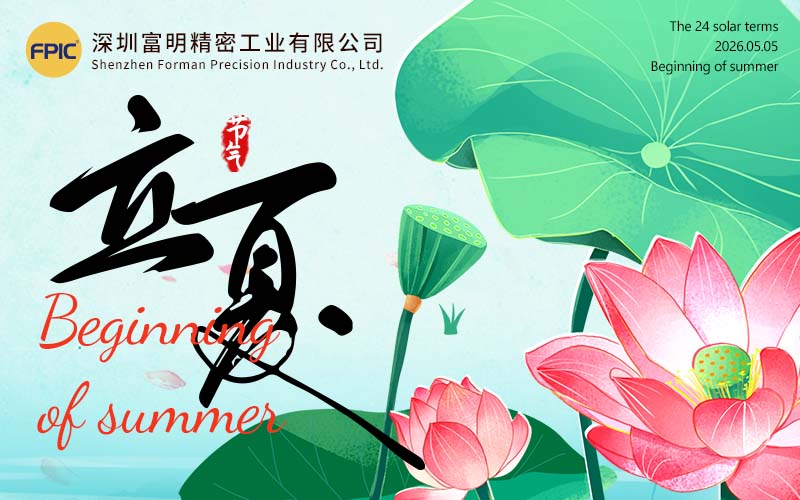
What Is Lixia (Start of Summer)?

Lixia (立夏) is the seventh of China’s 24 Solar Terms and usually falls around May 5–6 each year. Its name means “the beginning of summer,” marking the transition from spring to the warmer season.

For international audiences, Lixia is not just a seasonal change—it represents a shift toward growth, energy, and productivity in both nature and human activity.


The Origin of Lixia

The concept of Lixia comes from ancient Chinese agricultural practices. As recorded in traditional texts, it marks the time when all living things begin to grow rapidly and reach maturity.

Historical descriptions note that during this period:

  • Crops enter a key growth stage
  • Animals become more active
  • Nature becomes vibrant and full of life

Lixia reflects an early understanding of seasonal cycles and their impact on agriculture and daily life.

2026 Lixia.


Climate and Seasonal Changes

During Lixia, noticeable environmental changes occur:

  • Temperatures rise significantly
  • Daylight hours increase
  • Rainfall gradually becomes more frequent
  • Plants grow quickly and reach fuller stages

It is a period when nature shifts from gentle spring growth to energetic summer expansion.


Traditional Customs of Lixia

1.Weighing People (称人)

In some regions, people traditionally weigh themselves on Lixia day. It is believed that maintaining or gaining weight symbolizes health and strength for the coming summer.


2.Eating Eggs

Eating eggs is a well-known custom. Eggs represent:

  • Strength and nourishment
  • Health during the hot season
  • Protection from fatigue

Children sometimes participate in egg-related games, adding a festive atmosphere.


3.Enjoying Seasonal Foods

People eat fresh seasonal foods such as beans, vegetables, and grains, reflecting the agricultural abundance of the season.


4.Observing Nature

Lixia is also a time to observe changes in the natural world—flowers blooming, insects active, and crops developing.


Cultural Meaning of Lixia

Lixia represents several important cultural ideas:

  • Growth and development
  • Energy and vitality
  • Transition and opportunity
  • Preparation for future results

It reminds people that this is a time to act, work, and build momentum.


Lixia and FPIC’s Corporate Culture

At FPIC, the spirit of Lixia closely aligns with our approach to business and development.

1.Growth and Expansion

Just as nature enters a rapid growth phase, we continue to expand our capabilities in connector and cable assembly manufacturing.


2.Energy and Efficiency

Lixia emphasizes vitality. In our operations, this translates into:

  • Efficient production processes
  • Responsive customer support
  • Continuous improvement in performance

3.Building Momentum

Lixia is a time to accelerate progress. At FPIC, we focus on:

  • Strengthening global partnerships
  • Improving product quality
  • Enhancing operational efficiency

4.Long-Term Development

Growth in summer depends on preparation in earlier seasons. Similarly, we believe that sustainable success requires:

  • Strong foundations
  • Consistent effort
  • Strategic planning

Relevance for Global Audiences

For Western readers, Lixia offers a broader perspective:

Success is not only about starting strong—it is about maintaining energy, adapting to change, and building momentum over time.

This philosophy applies across industries, especially in manufacturing and global supply chains.


Conclusion

Lixia, the Start of Summer, marks a powerful transition into a season of growth, energy, and opportunity.

At FPIC, we embrace this spirit by continuously improving, expanding our capabilities, and delivering reliable solutions to customers worldwide.


References / Notes

China National Meteorological Administration – 24 Solar Terms

Encyclopaedia Britannica – Traditional seasonal systems

Ministry of Culture and Tourism of China – Solar term customs

This article is based on publicly available cultural and historical sources for educational purposes.

2026 Labor Day.

Holiday Notice

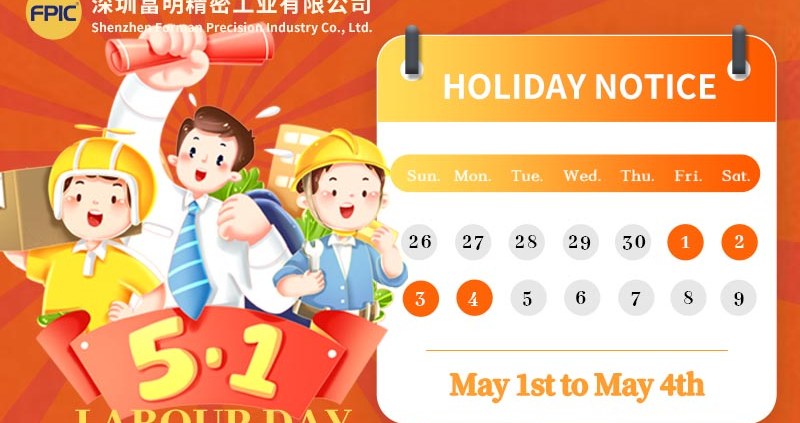
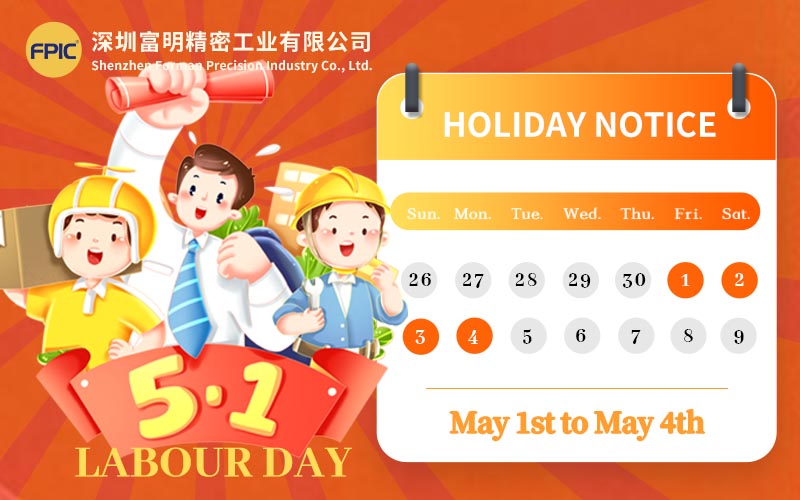
In observance of Labor Day, FPIC will be closed during the following period:

📅 Holiday Schedule: May 1 – May 4
📅 Work Resumes: May 5

During the holiday, responses may be delayed. We appreciate your understanding and will respond to all inquiries as soon as possible after the break.

For urgent matters, please contact your account manager directly.


What Is Labor Day?

Labor Day, also known as International Workers’ Day, is celebrated on May 1 in many countries around the world. It is a day dedicated to recognizing the contributions and achievements of workers across all industries.

For global audiences, Labor Day represents respect for labor, fair working conditions, and the value of human effort in driving economic and social progress.


The Origin of Labor Day

Labor Day traces its roots back to the late 19th century, during a time of rapid industrialization. Workers organized movements advocating for better working conditions, including the establishment of the eight-hour workday.

One of the most significant historical events associated with Labor Day is the Haymarket Affair in Chicago in 1886, which became a symbol of labor rights movements worldwide.

Over time, May 1 was adopted internationally as a day to honor workers and promote fairness, dignity, and respect in the workplace.


How Labor Day Is Celebrated

Across different countries, Labor Day is observed in various ways:

  • Public holidays and time off for employees
  • Community events and parades
  • Recognition of worker contributions
  • Reflection on labor rights and workplace conditions

While the forms may differ, the core message remains the same:
work deserves respect, and people are the foundation of progress.

2026 Labor Day.


Cultural Meaning for Modern Businesses

Labor Day is not only a public holiday—it also carries important values for modern organizations:

  • Respect for employees
  • Recognition of effort and contribution
  • Commitment to fair and supportive work environments
  • Emphasis on teamwork and collaboration

These principles are essential for building sustainable and successful companies.


Labor Day and FPIC’s Corporate Culture

At FPIC, Labor Day reflects the values we practice every day.

1. Respect for Every Employee

We believe that every role matters. From production to engineering to customer service, each employee contributes to our success.


2. Commitment to Quality and Responsibility

Behind every product is the effort and dedication of our team. We uphold high standards in manufacturing and quality control because we respect the work that goes into every detail.


3. Teamwork and Shared Success

Labor Day highlights the importance of collective effort. At FPIC, collaboration across departments enables us to deliver reliable solutions to customers worldwide.


4. Continuous Improvement

Just as labor movements sought progress, we continuously improve our processes, technology, and services to achieve better results.


Looking Ahead

As we take this time to rest and recharge, we also recognize the importance of every team member’s contribution.

FPIC remains committed to creating a workplace that values:

  • People-oriented management
  • Professional growth
  • Stability and reliability
  • Long-term partnerships

Conclusion

Labor Day is a meaningful reminder that behind every achievement is the dedication of people.

As we celebrate this holiday, we extend our sincere appreciation to all employees, partners, and customers for their continued support and trust.


References / Notes

  1. Encyclopaedia Britannica – Labor Day history
  2. International Labour Organization (ILO) – Workers’ rights and history
  3. Historical archives – Haymarket Affair, Chicago 1886
  4. This article is based on publicly available historical and cultural information.
2026 Grain Rain

What Is Grain Rain?

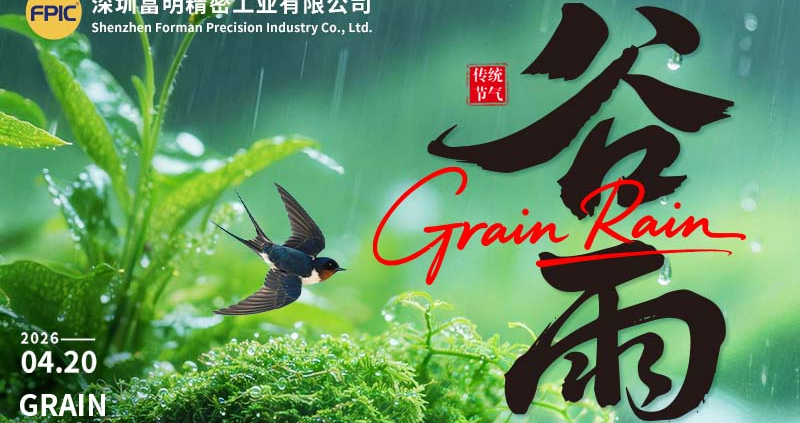
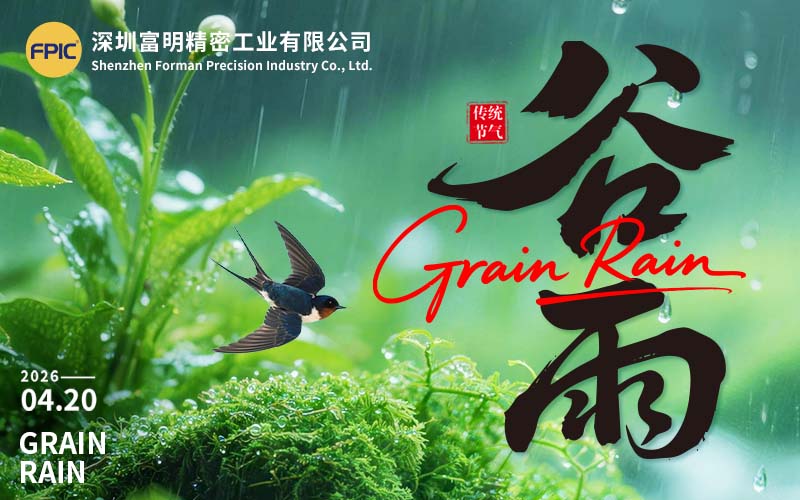
Grain Rain (谷雨, Guyu) is the sixth of China’s 24 Solar Terms and usually occurs around April 20 each year. The name literally means “Rain for Grain,” symbolizing the rainfall that nourishes crops during a critical stage of spring growth.

For international audiences, Grain Rain represents the close relationship between climate, agriculture, and seasonal timing in traditional Chinese culture.


What Does Grain Rain Mean?

In ancient China, rainfall during this period was essential for successful farming. Grain Rain marks a time when:

  • Rainfall increases
  • Crops begin to grow rapidly
  • Farmers enter a key cultivation period

It reflects a simple but powerful idea: timely support leads to strong growth.

2026 Grain Rain


The Origin of Grain Rain

The 24 Solar Terms were developed over 2,000 years ago as a way to guide agricultural production based on the sun’s position.

Grain Rain was especially important because it indicated:

  • The end of cold weather
  • The start of stable spring conditions
  • The best time for planting and field management

This system demonstrates early scientific understanding of climate patterns and sustainable farming practices.


Climate and Seasonal Changes

During Grain Rain:

  • Temperatures become warmer and more stable
  • Rainfall becomes more frequent
  • Plants grow faster and stronger
  • Natural ecosystems become more active

It is often seen as the final stage of spring, preparing for the transition into early summer.


Traditional Customs and Activities

1. Drinking Spring Tea

Grain Rain is considered the best time to harvest fresh tea leaves. “Grain Rain tea” is known for its rich flavor and freshness.


2. Appreciating Peonies

In some regions, people admire peony flowers, which bloom during this period and symbolize prosperity and elegance.


3. Supporting Agriculture

Historically, communities focused on planting and field management during Grain Rain. It represents diligence, timing, and preparation for future harvests.


Cultural Meaning of Grain Rain

Beyond agriculture, Grain Rain reflects deeper values:

  • Growth requires the right conditions
  • Timing determines success
  • Consistent effort leads to long-term results
  • Nature and human activity are interconnected

It highlights the importance of patience, planning, and execution.


Grain Rain and FPIC’s Corporate Culture

At FPIC, the philosophy behind Grain Rain closely aligns with our approach to business.

1. Growth Through Support

Just as rain nurtures crops, we support our customers with:

  • Reliable manufacturing capabilities
  • Consistent product quality
  • Professional technical solutions

2. Timing and Precision

In manufacturing, timing is critical. Grain Rain reminds us that success depends on delivering the right solution at the right time.

At FPIC, we focus on:

  • Efficient production scheduling
  • Stable supply chain management
  • On-time delivery

3. Long-Term Development

Grain Rain represents preparation for future harvest. Similarly, we prioritize:

  • Long-term partnerships
  • Continuous improvement
  • Sustainable growth strategies

We believe that strong results come from steady, well-managed processes.


Relevance for Global Audiences

For Western readers, Grain Rain offers a valuable perspective:

Success is not only about effort—it is also about timing, environment, and consistency.

This idea applies across industries, from agriculture to manufacturing and global business.


Conclusion

Grain Rain is more than a seasonal marker—it is a reminder that growth depends on the right balance of timing, effort, and support.

At FPIC, we embrace this philosophy by continuously improving our processes, strengthening partnerships, and delivering reliable solutions to customers worldwide.


References / Notes

  1. China National Meteorological Administration – 24 Solar Terms
  2. Encyclopaedia Britannica – Traditional agricultural calendars
  3. Ministry of Culture and Tourism of China – Solar term traditions
  4. This article is written based on publicly available cultural and historical sources for educational purposes.
Longtaitou Festival

Introduction

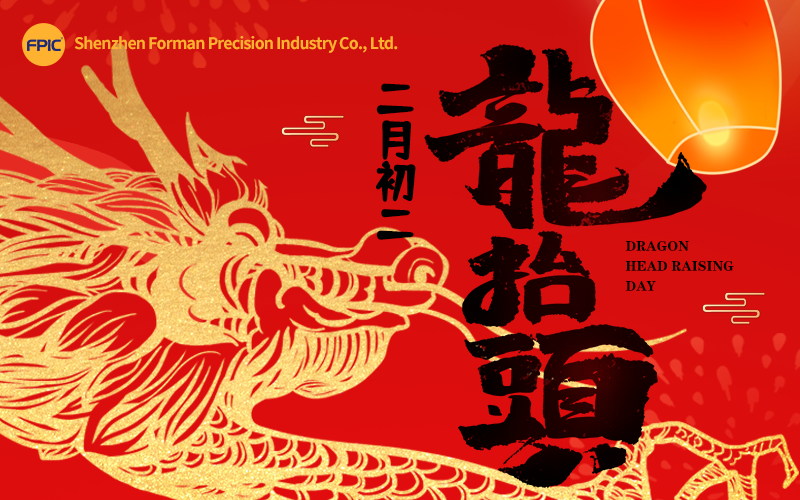
The Longtaitou Festival (龙抬头), also known as “Dragon Raising Its Head” Day, is a traditional Chinese festival celebrated on the second day of the second lunar month. It symbolizes the awakening of the dragon, the mythical ruler of rain and agriculture, bringing prosperity, good fortune, and a fresh start.

In Chinese culture, the dragon is a powerful symbol of strength, renewal, and vitality, and this festival marks the transition from winter to spring, when nature comes alive again. It is a time for worship, rituals, and unique cultural activities that have been passed down for generations.


The Legend and Origins of the Longtaitou Festival

The origins of Longtaitou can be traced back to ancient agricultural societies, where people worshipped the dragon as a deity of rain and harvest. According to legend, after a long winter, the Dragon King would awaken from hibernation and ascend to the sky, bringing spring rain for the crops. Farmers celebrated this day with offerings and ceremonies, praying for abundant rainfall and a prosperous harvest.

Another legend states that during the reign of Emperor Zhenzong of the Song Dynasty (968–1022 AD), severe droughts plagued the land. The emperor prayed for rain, and on the second day of the second lunar month, rainfall finally arrived, saving the crops. From then on, this day was honored as the Dragon Raising Its Head Festival, a celebration of nature’s renewal.

Longtaitou Festival


How Do Chinese People Celebrate Longtaitou?

1. Haircuts for Good Luck (剃龙头, “Cutting the Dragon’s Head”)

One of the most famous traditions on Longtaitou is getting a haircut. It is believed that cutting one’s hair on this day will bring good luck and a fresh start for the year. Many people, especially men and children, visit barbershops for their first haircut of the year, symbolizing new beginnings and growth.

2. Eating Special Foods with “Dragon” Names

Food plays a major role in this festival, with many dishes named after dragons:

  • Dragon Whisker Noodles (龙须面) – Long, thin noodles representing longevity and vitality.
  • Dragon Scales Pancakes (龙鳞饼) – Crispy pancakes resembling dragon scales for good fortune.
  • Dragon Eye Rice (龙眼点, Longan Rice Balls) – Symbolizing family unity and blessings.
  • Popcorn & Fried Beans – Called “Dragon Seeds” (龙子), these symbolize abundance and prosperity.

3. Worshiping the Dragon King & Praying for Rain

In some regions, people light incense and offer sacrifices to the Dragon King (龙王), praying for favorable weather, good harvests, and protection from disasters. Farmers also perform plowing ceremonies, symbolizing the beginning of a new agricultural season.

4. Driving Away Bad Luck (引龙回, “Welcoming the Dragon”)

Many traditional customs aim to ward off evil and invite prosperity:

  • Burning incense to purify homes and bring good energy.
  • Setting off firecrackers to scare away evil spirits and welcome the dragon’s power.
  • Cleaning homes to remove bad luck and prepare for a prosperous year.

5. Special Customs in Different Regions

  • In Northern China, people eat spring pancakes (春饼) and dumplings to celebrate.
  • In Southern China, farmers pray at temples and make offerings to the Dragon King.
  • In some rural areas, people dig the first well of the year, symbolizing new life and fresh water.

Why is the Longtaitou Festival Important?

  1. Agricultural Significance – It marks the arrival of spring, reminding farmers that it’s time to start planting.
  2. Cultural Heritage – It preserves ancient Chinese folklore, honoring the mythical dragon as a guardian of nature.
  3. Spiritual & Personal Renewal – It symbolizes new beginnings, fresh energy, and good fortune for the rest of the year.
  4. Community & Family Bonding – Traditional celebrations bring families and communities together, strengthening cultural identity.

How We Celebrate Longtaitou at FPIC

At Shenzhen Forman Precision Industry Co., LTD (FPIC), we embrace Chinese traditions and value cultural heritage. Each year, we celebrate Longtaitou Festival by:

Sharing Festive Treats – We provide traditional dragon-themed snacks to our employees.
Encouraging Fresh Starts – Just like the “Dragon Head Haircut” tradition, we believe in growth, innovation, and renewal.
Embracing New Beginnings – As we enter a new season, we continue to develop advanced connector solutions for a brighter future.

We take pride in combining modern technology with traditional values, ensuring a harmonious balance between innovation and culture.


Conclusion: A Celebration of Renewal & Prosperity

The Longtaitou Festival is more than just an ancient tradition—it’s a celebration of renewal, fortune, and the changing of seasons. As the dragon raises its head, people embrace new opportunities, prepare for success, and welcome the energy of spring.

Whether you’re enjoying a traditional meal, getting a lucky haircut, or simply appreciating Chinese culture, this festival reminds us that every new season brings fresh possibilities.

Happy Longtaitou Festival! May the dragon bring you strength, prosperity, and good fortune! ✨

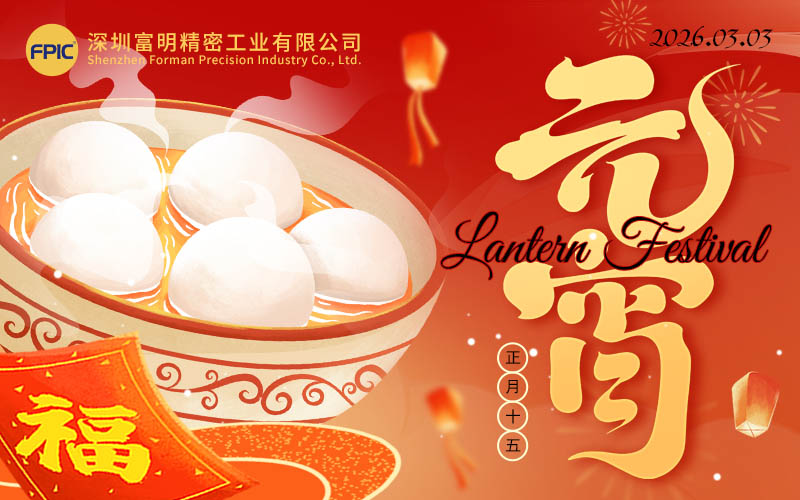
Lantern Festival

What Is the Lantern Festival?

The Lantern Festival (元宵节, Yuanxiao Festival) is celebrated on the 15th day of the first lunar month, marking the final day of the Chinese New Year celebrations. It is the first full moon of the lunar year and symbolizes reunion, harmony, and hope.

For international audiences, the Lantern Festival represents not only a colorful cultural celebration, but also a meaningful expression of light, unity, and renewal in Chinese tradition.


What Is the Origin of the Lantern Festival?

The Lantern Festival dates back over 2,000 years to the Han Dynasty. Historical records suggest that early celebrations were associated with:

  • Worship of celestial deities

  • Prayers for peace and prosperity

  • Lantern lighting ceremonies in imperial courts

Over time, the festival evolved into a public celebration featuring lantern displays, community gatherings, and traditional foods.

The full moon on this day symbolizes completeness and family unity — a powerful cultural theme in Chinese society.

Lantern Festival


Key Traditions of the Lantern Festival

1. Lantern Displays

Colorful lanterns are the most recognizable symbol of the festival. They come in various shapes, including animals, flowers, and zodiac signs.

Lanterns represent:

  • Illumination and wisdom

  • Driving away darkness

  • Guidance toward a brighter future

In modern cities, lantern fairs attract large crowds and showcase artistic craftsmanship.


2. Eating Yuanxiao or Tangyuan

The traditional food of the festival is yuanxiao (元宵) or tangyuan (汤圆) — sweet glutinous rice balls.

Their round shape symbolizes:

  • Family reunion

  • Harmony

  • Completeness

Different regions prepare them with fillings such as sesame paste, red bean paste, or peanuts.


3. Guessing Lantern Riddles

A popular activity involves solving riddles written on lanterns. This tradition promotes:

  • Wisdom

  • Creativity

  • Community interaction

It reflects the cultural appreciation for knowledge and shared joy.


4. Lion and Dragon Dances

In many regions, lion dances and dragon dances are performed to celebrate vitality and bring good fortune. These energetic performances symbolize strength, courage, and collective coordination.


Cultural Meaning of the Lantern Festival

The Lantern Festival carries several core values:

  • Reunion after the New Year celebrations

  • Hope and clarity for the year ahead

  • Light overcoming darkness

  • Community unity

It marks the emotional conclusion of the Spring Festival season and the official return to work and daily life.


Lantern Festival and FPIC’s Corporate Culture

At FPIC, the symbolism of the Lantern Festival resonates deeply with our company values.

1. Light and Clarity

Just as lanterns illuminate the night, we prioritize transparency and precision in our manufacturing processes. Clear communication and strict quality control guide every stage of production.


2. Unity and Teamwork

The round shape of yuanxiao symbolizes unity. At FPIC, teamwork across departments ensures consistent product performance and reliable delivery for global customers.


3. Innovation and Continuous Improvement

Lantern craftsmanship requires creativity and technical skill. Similarly, FPIC continuously improves our connector and cable assembly solutions to meet evolving industry demands.

We believe that sustainable growth comes from:

  • Stable production systems

  • Responsible management

  • Long-term partnerships

  • Respect for every team member


Looking Forward After the Festival

As the Lantern Festival concludes the Chinese New Year season, it represents a transition from celebration to focused action.

At FPIC, we embrace the spirit of renewal and move forward with:

  • Stronger collaboration

  • Higher standards

  • Greater innovation

  • Continued commitment to our customers

The light of the lantern reminds us that clarity, unity, and responsibility lead to lasting success.


Conclusion

The Lantern Festival is more than a traditional celebration — it is a powerful symbol of unity, hope, and forward momentum.

By understanding its history and cultural significance, global audiences can better appreciate the depth of Chinese tradition.

As we celebrate this festival, FPIC remains committed to illuminating the path toward reliable quality and long-term partnership.


References / Notes

  1. Encyclopaedia Britannica – Lantern Festival

  2. China National Museum – Historical records of Yuanxiao Festival

  3. Ministry of Culture and Tourism of China – Traditional festival customs

  4. This article is written based on publicly available historical and cultural sources for educational and informational purposes.

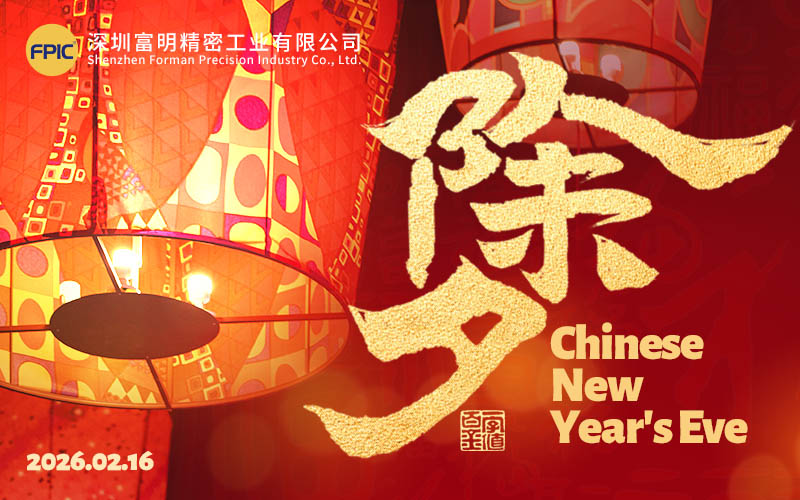
Chinese New Year’s Eve

Introduction

Chinese New Year’s Eve, known as Chuxi (除夕), is one of the most important days in traditional Chinese culture. It marks the final night of the lunar year and serves as the emotional and ceremonial beginning of the Spring Festival.

For Western audiences, Chuxi can be compared to New Year’s Eve celebrations around the world—but with deeper emphasis on family reunion, ancestral respect, and symbolic traditions that have been passed down for thousands of years.


The Meaning and Origin of “Chuxi”

The term “Chuxi” literally means “removing the old night.” It signifies:

  • Saying farewell to the old year

  • Welcoming a new beginning

  • Transition and renewal

Historically, this day was associated with ancient agricultural societies marking the end of a yearly cycle. Over time, it became closely linked to the Lunar New Year and developed rich cultural traditions.

A well-known legend connected to New Year’s Eve is the story of “Nian”, a mythical beast believed to appear at the end of the year. According to folklore, people discovered that loud noises, fire, and the color red could scare the creature away. This legend explains the origins of fireworks, firecrackers, and red decorations that remain central to the celebration today.

Chinese New Year’s Eve


The Reunion Dinner: Heart of the Celebration

The most important tradition of Chuxi is the family reunion dinner.

Regardless of distance, millions of people travel home to share this meal with their families. It is considered the most meaningful dinner of the year.

Common symbolic dishes include:

  • Fish (鱼) – Symbolizing abundance, as the word sounds like “surplus” in Chinese.

  • Dumplings – Especially in northern China, representing wealth.

  • Rice cakes (年糕) – Representing progress and growth year after year.

Every dish carries a symbolic wish for prosperity, harmony, and success.


Other Key Traditions

1. Staying Up Late (Shousui)

Families traditionally stay awake past midnight to welcome the new year. This practice symbolizes longevity and respect for elders.

2. Giving Red Envelopes

Red envelopes containing money are given to children and younger family members as blessings for good fortune and protection.

3. Decorating with Red

Homes are decorated with red lanterns, couplets, and paper cuttings. Red represents happiness, success, and protection against misfortune.

4. Fireworks and Firecrackers

Originally rooted in legend, fireworks today symbolize driving away bad luck and welcoming a prosperous year ahead.


Cultural Values Behind the Celebration

Chinese New Year’s Eve reflects key cultural values:

  • Family unity

  • Gratitude toward ancestors

  • Respect for elders

  • Hope for prosperity

  • Renewal and reflection

Unlike Western New Year celebrations that often focus on parties or countdown events, Chuxi centers strongly on family connection and tradition.


Modern Significance

Even in modern cities, where lifestyles have changed dramatically, Chuxi remains a powerful cultural anchor. It represents:

  • Emotional return home

  • Reflection on the past year

  • Optimism for the future

For global audiences, understanding Chuxi helps reveal the deep importance of family and continuity in Chinese society.


Conclusion

Chinese New Year’s Eve is more than a celebration—it is a moment of reunion, gratitude, and renewal. Rooted in ancient legends and agricultural cycles, it continues to shape modern life and cultural identity.

As the old year ends and a new one begins, Chuxi reminds us that every ending holds the promise of a new beginning.


References / Notes

  1. Encyclopaedia Britannica – Chinese New Year traditions

  2. China Intangible Cultural Heritage Network – Spring Festival customs

  3. China National Museum – Folklore of “Nian” and traditional practices

  4. This article is originally written based on publicly available historical and cultural sources for international readers.

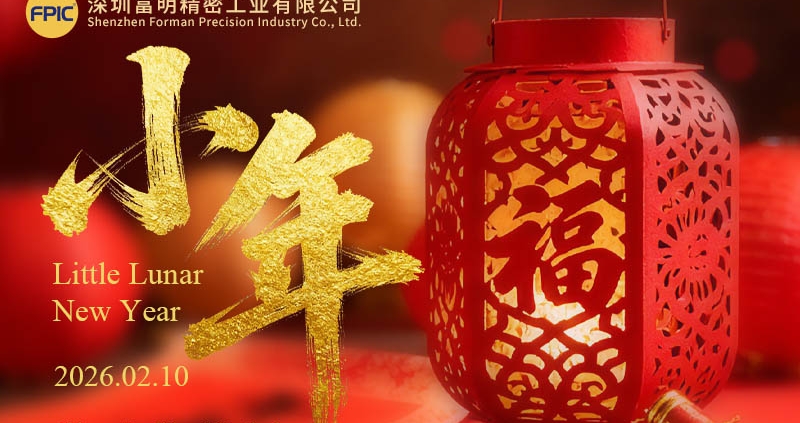
Little New Year

Introduction

Before the Chinese New Year officially begins, there is an important traditional celebration known as the Little New Year (Xiao Nian). Though less known internationally, it plays a meaningful role in Chinese culture as a symbolic starting point of the Spring Festival season.

For Western readers, the Little New Year offers insight into how Chinese families prepare spiritually and practically for the most important holiday of the year.


When Is the Little New Year?

Unlike the fixed date of February 14 for Valentine’s Day, the Little New Year follows the lunar calendar and usually falls about one week before the Lunar New Year.

Traditionally:

  • In northern China, it is celebrated on the 23rd day of the twelfth lunar month.

  • In southern China, it is observed on the 24th day.

This regional difference reflects historical and agricultural variations across China.


The Origin: Worship of the Kitchen God

The most significant tradition of the Little New Year is the worship of the Kitchen God (灶王爷, Zao Wang Ye).

According to folklore:

  • The Kitchen God observes each household throughout the year.

  • On the Little New Year, he ascends to heaven to report the family’s behavior to the Jade Emperor.

To ensure a favorable report, families traditionally offer:

  • Sweets (often sticky candies)

  • Incense and symbolic offerings

The sweetness symbolizes “sweetening” the Kitchen God’s report before he leaves for heaven.

This custom reflects deep cultural values of moral conduct, family harmony, and self-reflection.


Cleaning and Preparation

Another key tradition is thorough house cleaning, often called “sweeping away the dust.”

Symbolically, this represents:

  • Removing bad luck from the previous year

  • Making space for good fortune

  • Preparing for renewal and new beginnings

In many ways, this is similar to “spring cleaning” traditions in Western cultures, though it carries stronger spiritual symbolism.


Regional Customs and Food Traditions

Different regions celebrate the Little New Year in unique ways:

Northern China

  • Eating dumplings

  • Offering sugar melons or sticky candies to the Kitchen God

Southern China

  • Preparing rice cakes (nian gao)

  • Making festive dishes in advance of the New Year

Although the foods vary, the theme remains the same: preparation, unity, and hope for prosperity.


Cultural Meaning and Values

The Little New Year emphasizes:

  • Reflection on the past year

  • Responsibility within the household

  • Preparation for renewal

  • Gratitude and discipline

It marks the emotional transition from ordinary daily life into the festive atmosphere of the Spring Festival.

For many families, it is the moment when the “New Year feeling” truly begins.


Why the Little New Year Matters Today

Even in modern urban life, the Little New Year remains significant. It reminds people to:

  • Pause and reflect

  • Strengthen family bonds

  • Prepare thoughtfully for new opportunities

For international audiences, this tradition highlights a broader cultural principle in Chinese society: renewal begins with preparation.


Conclusion

The Little New Year may be smaller in scale than the Spring Festival, but its meaning is profound. Rooted in folklore and moral reflection, it represents the importance of preparation, responsibility, and hope for a better year ahead.

Understanding the Little New Year helps the world better appreciate the depth and continuity of Chinese cultural traditions.


References / Notes

  1. Encyclopaedia Britannica – Chinese New Year and Lunar Traditions

  2. China Intangible Cultural Heritage Network – Folk customs of Xiao Nian

  3. China National Museum – Traditional beliefs related to the Kitchen God

  4. This article is originally written based on publicly available cultural and historical knowledge for international readers.