2026 Lixia.

What Is Lixia (Start of Summer)?

Lixia (立夏) is the seventh of China’s 24 Solar Terms and usually falls around May 5–6 each year. Its name means “the beginning of summer,” marking the transition from spring to the warmer season.

For international audiences, Lixia is not just a seasonal change—it represents a shift toward growth, energy, and productivity in both nature and human activity.


The Origin of Lixia

The concept of Lixia comes from ancient Chinese agricultural practices. As recorded in traditional texts, it marks the time when all living things begin to grow rapidly and reach maturity.

Historical descriptions note that during this period:

  • Crops enter a key growth stage
  • Animals become more active
  • Nature becomes vibrant and full of life

Lixia reflects an early understanding of seasonal cycles and their impact on agriculture and daily life.
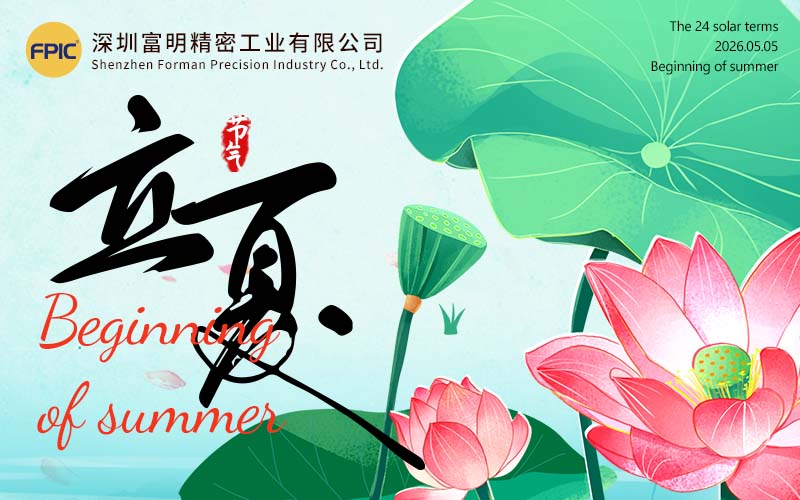
2026 Lixia.


Climate and Seasonal Changes

During Lixia, noticeable environmental changes occur:

  • Temperatures rise significantly
  • Daylight hours increase
  • Rainfall gradually becomes more frequent
  • Plants grow quickly and reach fuller stages

It is a period when nature shifts from gentle spring growth to energetic summer expansion.


Traditional Customs of Lixia

1.Weighing People (称人)

In some regions, people traditionally weigh themselves on Lixia day. It is believed that maintaining or gaining weight symbolizes health and strength for the coming summer.


2.Eating Eggs

Eating eggs is a well-known custom. Eggs represent:

  • Strength and nourishment
  • Health during the hot season
  • Protection from fatigue

Children sometimes participate in egg-related games, adding a festive atmosphere.


3.Enjoying Seasonal Foods

People eat fresh seasonal foods such as beans, vegetables, and grains, reflecting the agricultural abundance of the season.


4.Observing Nature

Lixia is also a time to observe changes in the natural world—flowers blooming, insects active, and crops developing.


Cultural Meaning of Lixia

Lixia represents several important cultural ideas:

  • Growth and development
  • Energy and vitality
  • Transition and opportunity
  • Preparation for future results

It reminds people that this is a time to act, work, and build momentum.


Lixia and FPIC’s Corporate Culture

At FPIC, the spirit of Lixia closely aligns with our approach to business and development.

1.Growth and Expansion

Just as nature enters a rapid growth phase, we continue to expand our capabilities in connector and cable assembly manufacturing.


2.Energy and Efficiency

Lixia emphasizes vitality. In our operations, this translates into:

  • Efficient production processes
  • Responsive customer support
  • Continuous improvement in performance

3.Building Momentum

Lixia is a time to accelerate progress. At FPIC, we focus on:

  • Strengthening global partnerships
  • Improving product quality
  • Enhancing operational efficiency

4.Long-Term Development

Growth in summer depends on preparation in earlier seasons. Similarly, we believe that sustainable success requires:

  • Strong foundations
  • Consistent effort
  • Strategic planning

Relevance for Global Audiences

For Western readers, Lixia offers a broader perspective:

Success is not only about starting strong—it is about maintaining energy, adapting to change, and building momentum over time.

This philosophy applies across industries, especially in manufacturing and global supply chains.


Conclusion

Lixia, the Start of Summer, marks a powerful transition into a season of growth, energy, and opportunity.

At FPIC, we embrace this spirit by continuously improving, expanding our capabilities, and delivering reliable solutions to customers worldwide.


References / Notes

China National Meteorological Administration – 24 Solar Terms

Encyclopaedia Britannica – Traditional seasonal systems

Ministry of Culture and Tourism of China – Solar term customs

This article is based on publicly available cultural and historical sources for educational purposes.
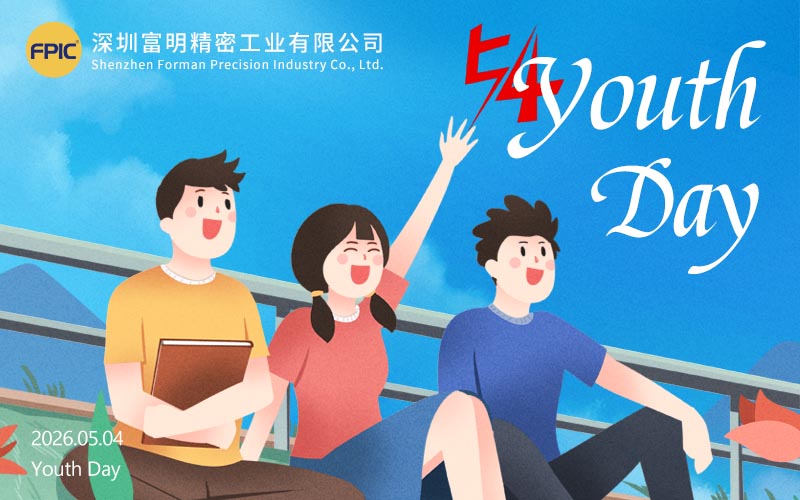
2026 May Fourth Youth Day.

May Fourth Youth Day (五四青年节) is a significant holiday in China that honors the contributions of young people to the nation’s development and reflects on the importance of youth empowerment and social progress. It is celebrated on May 4th every year, commemorating the May Fourth Movement of 1919, which played a pivotal role in shaping modern Chinese history and society.

What Is May Fourth Youth Day?

May Fourth Youth Day traces its roots back to May 4, 1919, when students in Beijing led a nationwide protest against imperialism and the unfair Treaty of Versailles. The movement was not only a political protest but also a call for cultural reform and intellectual awakening. The youth of China demanded modernization, scientific progress, and political change. This movement laid the foundation for China’s New Culture Movement, encouraging critical thinking, modern values, and the promotion of democracy.

To commemorate this landmark event, May 4th has been designated as Youth Day in China, a day to honor the contributions of young people, encourage their involvement in the future of the country, and celebrate their potential in shaping the nation.

Why Do We Celebrate Youth Day?

May Fourth Youth Day is much more than a historical remembrance. It’s a celebration of the vital role youth play in driving change. This day serves as a reminder of the youth’s power in contributing to economic, technological, and cultural advancements. It encourages young people to embrace their potential, engage in innovative thinking, and make a positive impact on society.

The Spirit of May Fourth Youth Day

The spirit of the May Fourth Movement is rooted in ideals of independence, progress, and reform, and this day serves as a constant reminder that the younger generation plays a crucial role in a nation’s development.

It is a day of reflection and action, urging today’s youth to continue pushing for social progress, scientific exploration, and intellectual development—all fundamental elements for a bright future.

2026 May Fourth Youth Day.

How May Fourth Youth Day Is Celebrated

Across China, Youth Day is observed in various ways:

  • Educational events and seminars
  • Community service activities
  • Recognition of outstanding young professionals
  • Cultural programs and discussions

These activities encourage young people to reflect on their role in society and their future development.


What May Fourth Youth Day Means Today

In modern society, Youth Day represents:

  • Innovation and creativity
  • Responsibility and dedication
  • Ambition and continuous learning
  • The drive to create positive change

It highlights the importance of empowering the next generation in a rapidly evolving global environment.


Forman’s Commitment to Innovation and Youth Empowerment

At Forman (FPIC), we believe in empowering young talent and nurturing innovation. As part of our corporate culture, we encourage young professionals to bring fresh perspectives to the table, driving our growth and technological advancements.

On this May Fourth Youth Day, we celebrate the energy, creativity, and drive that young individuals bring to the workforce. It’s through their efforts that we continue to innovate in connector technologies, industrial automation, and sustainable solutions.

Best Wishes for All Young Minds

We wish a happy Youth Day to all the young minds out there! Your creativity, ambition, and determination will continue to shape the future. Let’s continue to work together to build a world filled with innovation, growth, and progress.

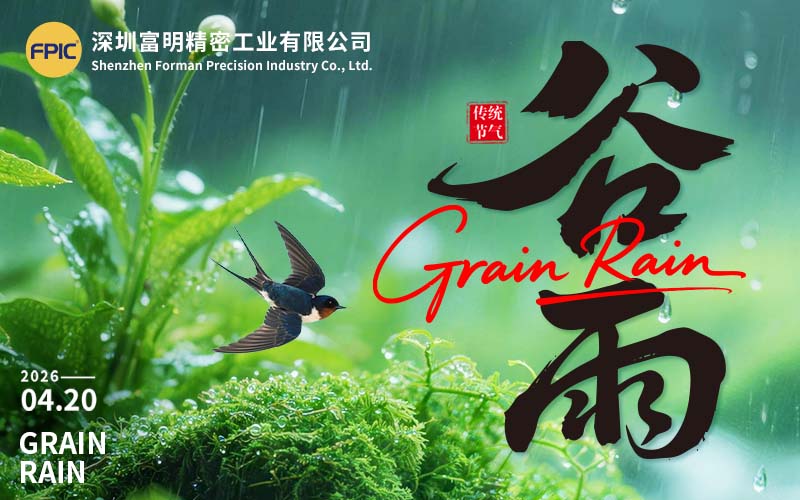
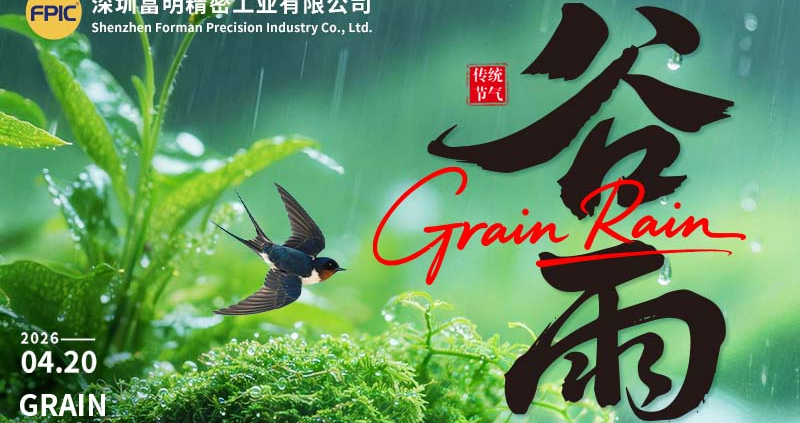
2026 Grain Rain

What Is Grain Rain?

Grain Rain (谷雨, Guyu) is the sixth of China’s 24 Solar Terms and usually occurs around April 20 each year. The name literally means “Rain for Grain,” symbolizing the rainfall that nourishes crops during a critical stage of spring growth.

For international audiences, Grain Rain represents the close relationship between climate, agriculture, and seasonal timing in traditional Chinese culture.


What Does Grain Rain Mean?

In ancient China, rainfall during this period was essential for successful farming. Grain Rain marks a time when:

  • Rainfall increases
  • Crops begin to grow rapidly
  • Farmers enter a key cultivation period

It reflects a simple but powerful idea: timely support leads to strong growth.

2026 Grain Rain


The Origin of Grain Rain

The 24 Solar Terms were developed over 2,000 years ago as a way to guide agricultural production based on the sun’s position.

Grain Rain was especially important because it indicated:

  • The end of cold weather
  • The start of stable spring conditions
  • The best time for planting and field management

This system demonstrates early scientific understanding of climate patterns and sustainable farming practices.


Climate and Seasonal Changes

During Grain Rain:

  • Temperatures become warmer and more stable
  • Rainfall becomes more frequent
  • Plants grow faster and stronger
  • Natural ecosystems become more active

It is often seen as the final stage of spring, preparing for the transition into early summer.


Traditional Customs and Activities

1. Drinking Spring Tea

Grain Rain is considered the best time to harvest fresh tea leaves. “Grain Rain tea” is known for its rich flavor and freshness.


2. Appreciating Peonies

In some regions, people admire peony flowers, which bloom during this period and symbolize prosperity and elegance.


3. Supporting Agriculture

Historically, communities focused on planting and field management during Grain Rain. It represents diligence, timing, and preparation for future harvests.


Cultural Meaning of Grain Rain

Beyond agriculture, Grain Rain reflects deeper values:

  • Growth requires the right conditions
  • Timing determines success
  • Consistent effort leads to long-term results
  • Nature and human activity are interconnected

It highlights the importance of patience, planning, and execution.


Grain Rain and FPIC’s Corporate Culture

At FPIC, the philosophy behind Grain Rain closely aligns with our approach to business.

1. Growth Through Support

Just as rain nurtures crops, we support our customers with:

  • Reliable manufacturing capabilities
  • Consistent product quality
  • Professional technical solutions

2. Timing and Precision

In manufacturing, timing is critical. Grain Rain reminds us that success depends on delivering the right solution at the right time.

At FPIC, we focus on:

  • Efficient production scheduling
  • Stable supply chain management
  • On-time delivery

3. Long-Term Development

Grain Rain represents preparation for future harvest. Similarly, we prioritize:

  • Long-term partnerships
  • Continuous improvement
  • Sustainable growth strategies

We believe that strong results come from steady, well-managed processes.


Relevance for Global Audiences

For Western readers, Grain Rain offers a valuable perspective:

Success is not only about effort—it is also about timing, environment, and consistency.

This idea applies across industries, from agriculture to manufacturing and global business.


Conclusion

Grain Rain is more than a seasonal marker—it is a reminder that growth depends on the right balance of timing, effort, and support.

At FPIC, we embrace this philosophy by continuously improving our processes, strengthening partnerships, and delivering reliable solutions to customers worldwide.


References / Notes

  1. China National Meteorological Administration – 24 Solar Terms
  2. Encyclopaedia Britannica – Traditional agricultural calendars
  3. Ministry of Culture and Tourism of China – Solar term traditions
  4. This article is written based on publicly available cultural and historical sources for educational purposes.
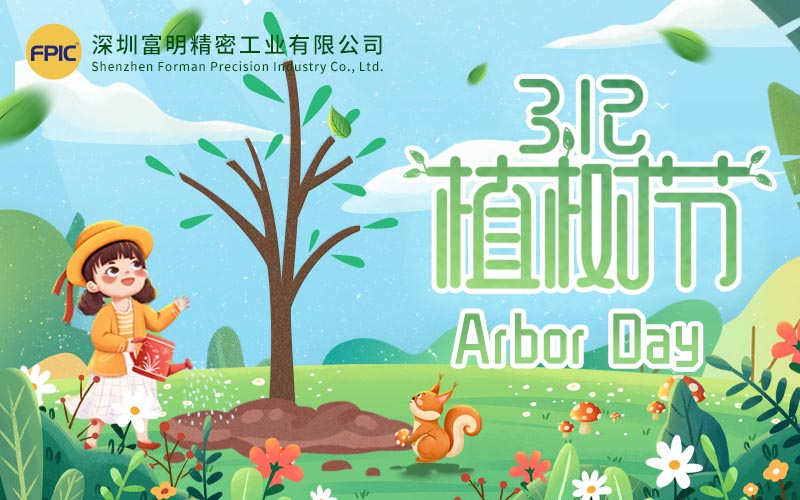
Arbor Day

What Is Arbor Day?

Arbor Day (植树节) in China is celebrated every year on March 12. It is a national day dedicated to planting trees, protecting forests, and promoting environmental awareness. The holiday encourages individuals, communities, and organizations to take part in tree planting and ecological protection.

For many people, Arbor Day is not only about planting trees—it represents a commitment to sustainability, responsibility, and long-term environmental care.


The Origin of Arbor Day in China

China’s Arbor Day has historical roots dating back to the early 20th century. The modern observance of the holiday was established to promote reforestation and ecological restoration.

The date March 12 was chosen to commemorate Sun Yat-sen, a pioneer of modern China who strongly advocated for forestry development and environmental protection. His vision emphasized that forests play a crucial role in improving the climate, protecting soil, and supporting sustainable development.

Over time, Arbor Day became an important national campaign encouraging citizens to participate in tree planting and environmental protection.

Arbor Day


Why Trees Matter

Trees provide essential ecological and social benefits:

  • 🌳 Improving air quality by absorbing carbon dioxide
  • 🌱 Preventing soil erosion and protecting farmland
  • 🌎 Supporting biodiversity and wildlife habitats
  • 🌿 Enhancing urban environments and public well-being

In the context of global sustainability, planting trees is one of the simplest yet most powerful actions individuals and organizations can take to protect the environment.


Arbor Day Traditions and Activities

Across China, Arbor Day is marked by a variety of environmental activities.

1. Community Tree Planting

Schools, companies, and local communities organize tree planting events to encourage environmental awareness.

2. Environmental Education

Educational programs help young people understand ecological protection and sustainable living.

3. Urban Greening Projects

Cities often use this opportunity to promote landscaping projects and improve public green spaces.

These activities reinforce the idea that every small action contributes to a greener future.


Environmental Responsibility in Modern Society

Today, Arbor Day has become more than a symbolic celebration. It reflects growing global attention to environmental protection and sustainable development.

Businesses and industries are increasingly recognizing their role in:

  • Reducing environmental impact
  • Improving resource efficiency
  • Supporting ecological initiatives
  • Promoting responsible manufacturing

Sustainability is no longer just an environmental concept—it is an important part of responsible corporate development.


Arbor Day and FPIC’s Corporate Culture

At FPIC, the spirit of Arbor Day aligns closely with our company values.

Just as trees require time, care, and stable roots to grow, sustainable companies are built on long-term vision, responsibility, and continuous improvement.

Our corporate culture emphasizes:

  • 🌱 Sustainable development in manufacturing and operations
  • ⚙️ Continuous improvement in product quality and efficiency
  • 🤝 Long-term partnerships with customers worldwide
  • 👥 People-centered workplace values

In our daily operations, we strive to optimize production processes, improve resource utilization, and contribute to a more responsible manufacturing environment.


Growing Together for the Future

Planting a tree is a simple act, but its impact can last for decades. Arbor Day reminds us that the choices we make today shape the world of tomorrow.

As we continue to innovate and grow, FPIC remains committed to building a company that values sustainability, responsibility, and long-term progress—just like nurturing a forest that grows stronger over time.

🌳 Happy Arbor Day! Let’s grow a greener future together.


References / Notes

  1. National Forestry and Grassland Administration of China – Arbor Day background

  2. Encyclopaedia Britannica – Arbor Day and global tree-planting traditions

  3. United Nations Environment Programme – Forest and climate initiatives

  4. This article is written based on publicly available historical and environmental information for educational purposes.
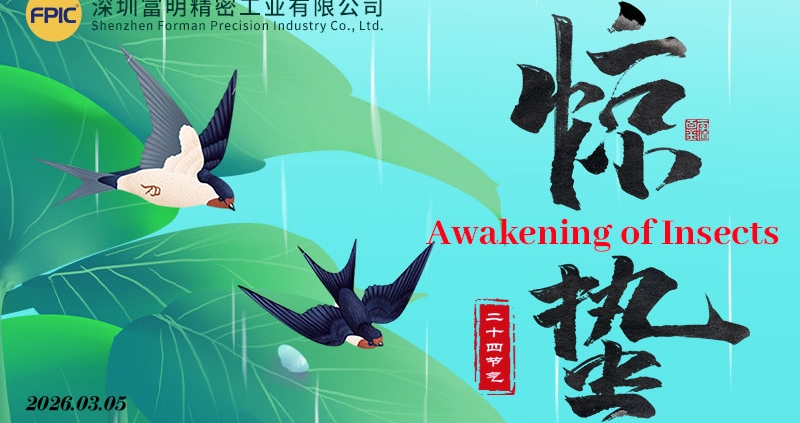
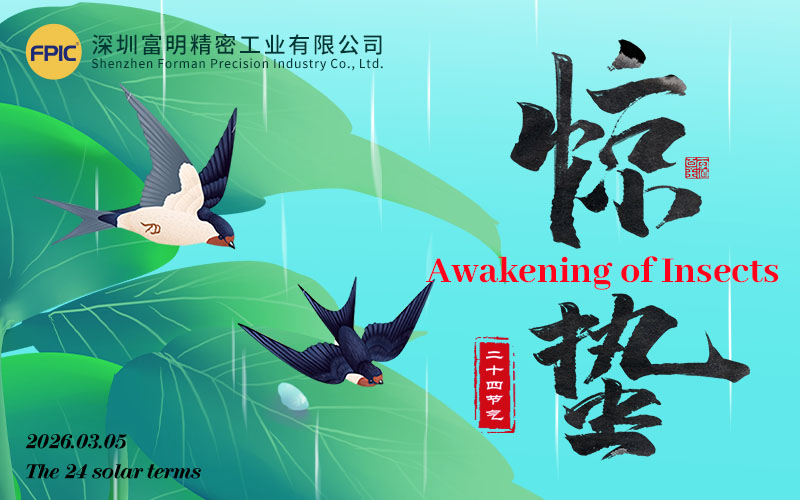
Jingzhe

What Is Jingzhe?

Jingzhe (惊蛰) is the third of China’s 24 Solar Terms and usually falls around March 5 each year. The name literally means “Awakening of Insects.”

It marks the moment when rising spring temperatures and thunderstorms awaken hibernating insects and animals. In traditional agricultural society, Jingzhe signaled the true arrival of early spring and the beginning of active farming.

For international readers, Jingzhe represents renewal, movement, and the transition from dormancy to growth.


What Does Jingzhe Symbolize?

Jingzhe carries several symbolic meanings:

  • Nature awakening from winter
  • Thunder bringing vitality
  • Renewal of life and energy
  • Beginning of spring cultivation

In ancient China, thunder was believed to drive away negative forces and stimulate growth. The first spring thunder was considered a powerful and positive sign.

Jingzhe


Traditional Customs of Jingzhe

1. Eating Pears

In many regions, people eat pears during Jingzhe. In Chinese, “pear” (梨, lí) sounds similar to the word meaning “separate” or “leave.” Symbolically, eating pears means separating from illness and misfortune.


2. Beating the “Villain” (打小人)

In southern China, especially in Guangdong and Hong Kong, some people perform a folk ritual called “beating the villain.” It is meant to drive away bad luck and negative influences.


3. Spring Field Preparation

Farmers traditionally begin plowing and preparing fields during Jingzhe. It marks the start of a busy agricultural season.


Jingzhe Taboos and Health Tips

Traditional beliefs also include certain cautions:

  • Avoid excessive anger, as spring is associated with liver health in traditional Chinese medicine.
  • Protect against sudden temperature changes.
  • Eat light and seasonal foods to support the body’s transition from winter to spring.

While modern life has changed, many families still pay attention to seasonal balance during this time.


Jingzhe Proverbs

Chinese agricultural society developed many proverbs about Jingzhe:

  • “Spring thunder startles all insects.”
  • “When Jingzhe arrives, plowing never stops.”
  • “A warm Jingzhe brings a good harvest.”

These sayings reflect centuries of observation of climate and farming cycles.


Cultural Meaning in Modern Society

Although fewer people today rely directly on agriculture, Jingzhe remains culturally meaningful. It represents:

  • Action after preparation
  • Growth after stillness
  • Energy after patience
  • Opportunity after winter

It reminds people that timing and readiness are essential for success.


Jingzhe and FPIC’s Corporate Culture

At FPIC, the spirit of Jingzhe resonates strongly with our business philosophy.

1. Awakening Innovation

Just as nature awakens in Jingzhe, we continuously activate new ideas and technical improvements in our connector and cable assembly manufacturing.


2. Moving from Preparation to Action

Winter symbolizes planning and foundation. Jingzhe symbolizes execution.
Similarly, at FPIC:

  • Careful design leads to precise production
  • Preparation ensures stable delivery
  • Planning transforms into measurable performance

3. Continuous Growth

Jingzhe marks the start of intensive cultivation. In the same way, we believe sustainable growth requires:

  • Long-term partnerships
  • Strict quality management
  • Ongoing process optimization
  • Strong teamwork

Growth does not happen overnight — it follows rhythm, discipline, and commitment.


Conclusion

Jingzhe, the “Awakening of Insects,” is more than a seasonal marker. It is a cultural reminder that renewal begins with movement and growth requires timely action.

As spring energy rises, FPIC embraces the spirit of Jingzhe — awakening innovation, strengthening collaboration, and moving forward with confidence in the year ahead.


References / Notes

  1. China National Meteorological Administration – 24 Solar Terms

  2. Encyclopaedia Britannica – Traditional Chinese Calendar

  3. Ministry of Culture and Tourism of China – Solar Term traditions

  4. This article is written based on publicly available cultural and historical sources for educational and informational purposes.

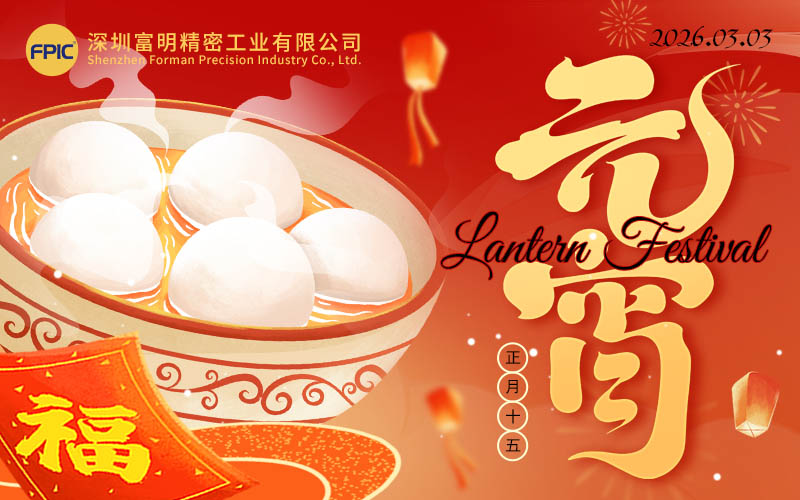
Lantern Festival

What Is the Lantern Festival?

The Lantern Festival (元宵节, Yuanxiao Festival) is celebrated on the 15th day of the first lunar month, marking the final day of the Chinese New Year celebrations. It is the first full moon of the lunar year and symbolizes reunion, harmony, and hope.

For international audiences, the Lantern Festival represents not only a colorful cultural celebration, but also a meaningful expression of light, unity, and renewal in Chinese tradition.


What Is the Origin of the Lantern Festival?

The Lantern Festival dates back over 2,000 years to the Han Dynasty. Historical records suggest that early celebrations were associated with:

  • Worship of celestial deities

  • Prayers for peace and prosperity

  • Lantern lighting ceremonies in imperial courts

Over time, the festival evolved into a public celebration featuring lantern displays, community gatherings, and traditional foods.

The full moon on this day symbolizes completeness and family unity — a powerful cultural theme in Chinese society.

Lantern Festival


Key Traditions of the Lantern Festival

1. Lantern Displays

Colorful lanterns are the most recognizable symbol of the festival. They come in various shapes, including animals, flowers, and zodiac signs.

Lanterns represent:

  • Illumination and wisdom

  • Driving away darkness

  • Guidance toward a brighter future

In modern cities, lantern fairs attract large crowds and showcase artistic craftsmanship.


2. Eating Yuanxiao or Tangyuan

The traditional food of the festival is yuanxiao (元宵) or tangyuan (汤圆) — sweet glutinous rice balls.

Their round shape symbolizes:

  • Family reunion

  • Harmony

  • Completeness

Different regions prepare them with fillings such as sesame paste, red bean paste, or peanuts.


3. Guessing Lantern Riddles

A popular activity involves solving riddles written on lanterns. This tradition promotes:

  • Wisdom

  • Creativity

  • Community interaction

It reflects the cultural appreciation for knowledge and shared joy.


4. Lion and Dragon Dances

In many regions, lion dances and dragon dances are performed to celebrate vitality and bring good fortune. These energetic performances symbolize strength, courage, and collective coordination.


Cultural Meaning of the Lantern Festival

The Lantern Festival carries several core values:

  • Reunion after the New Year celebrations

  • Hope and clarity for the year ahead

  • Light overcoming darkness

  • Community unity

It marks the emotional conclusion of the Spring Festival season and the official return to work and daily life.


Lantern Festival and FPIC’s Corporate Culture

At FPIC, the symbolism of the Lantern Festival resonates deeply with our company values.

1. Light and Clarity

Just as lanterns illuminate the night, we prioritize transparency and precision in our manufacturing processes. Clear communication and strict quality control guide every stage of production.


2. Unity and Teamwork

The round shape of yuanxiao symbolizes unity. At FPIC, teamwork across departments ensures consistent product performance and reliable delivery for global customers.


3. Innovation and Continuous Improvement

Lantern craftsmanship requires creativity and technical skill. Similarly, FPIC continuously improves our connector and cable assembly solutions to meet evolving industry demands.

We believe that sustainable growth comes from:

  • Stable production systems

  • Responsible management

  • Long-term partnerships

  • Respect for every team member


Looking Forward After the Festival

As the Lantern Festival concludes the Chinese New Year season, it represents a transition from celebration to focused action.

At FPIC, we embrace the spirit of renewal and move forward with:

  • Stronger collaboration

  • Higher standards

  • Greater innovation

  • Continued commitment to our customers

The light of the lantern reminds us that clarity, unity, and responsibility lead to lasting success.


Conclusion

The Lantern Festival is more than a traditional celebration — it is a powerful symbol of unity, hope, and forward momentum.

By understanding its history and cultural significance, global audiences can better appreciate the depth of Chinese tradition.

As we celebrate this festival, FPIC remains committed to illuminating the path toward reliable quality and long-term partnership.


References / Notes

  1. Encyclopaedia Britannica – Lantern Festival

  2. China National Museum – Historical records of Yuanxiao Festival

  3. Ministry of Culture and Tourism of China – Traditional festival customs

  4. This article is written based on publicly available historical and cultural sources for educational and informational purposes.

Valentine’s Day

Introduction

Valentine’s Day, celebrated annually on February 14, is widely recognized as a day dedicated to love and affection. While it is often associated with romantic relationships, the holiday has historical roots that extend back centuries and has evolved into a broader celebration of appreciation, friendship, and meaningful connection.

For international audiences, understanding the origins and customs of Valentine’s Day offers insight into how cultural traditions adapt and endure across time.


The Historical Origins of Valentine’s Day

The history of Valentine’s Day is often linked to Saint Valentine, a Christian priest who lived during the Roman Empire. According to one popular legend, Emperor Claudius II banned marriages for young men, believing single soldiers performed better in battle. Valentine defied this order and secretly performed marriage ceremonies, eventually becoming a symbol of devotion and commitment.

Another theory connects the holiday to the ancient Roman festival Lupercalia, a mid-February celebration associated with fertility and the coming of spring. Over time, Christian traditions replaced earlier pagan rituals, and February 14 became associated with Saint Valentine.

By the Middle Ages, the day had gained romantic significance in Europe, partly due to the belief that birds began their mating season in mid-February. This association strengthened the connection between the date and romantic love.

Valentine’s Day


How Valentine’s Day Is Celebrated

Although customs vary by country, several traditions are commonly observed worldwide:

1. Exchanging Cards

The practice of sending “valentines” began with handwritten notes and later developed into printed greeting cards. Today, millions of cards are exchanged annually.

2. Giving Flowers

Red roses are especially popular, symbolizing deep love and passion. Other flowers may represent friendship or admiration.

3. Sharing Chocolates and Gifts

Chocolate became associated with Valentine’s Day in the 19th century. Small gifts such as jewelry or personalized items are also common.

4. Romantic Dinners

Many couples celebrate with a special meal, either at home or at a restaurant.


Valentine’s Day Around the World

Different countries celebrate Valentine’s Day in unique ways:

  • In Japan, women traditionally give chocolates to men on February 14, and men reciprocate one month later on “White Day.”

  • In South Korea, the tradition of White Day is also observed.

  • In some European countries, Valentine’s Day includes exchanging flowers and small tokens of affection among friends and family.

These variations show how a historical tradition can evolve while maintaining its central theme: expressing appreciation and affection.


Beyond Romance: A Modern Perspective

In contemporary society, Valentine’s Day has expanded beyond romantic love. Many people now use the day to express gratitude toward friends, family members, and even colleagues.

At its core, Valentine’s Day emphasizes:

  • Appreciation

  • Communication

  • Emotional connection

  • Thoughtful gestures

These universal values resonate across cultures and generations.


Conclusion

Valentine’s Day is more than a commercial holiday—it is a tradition shaped by history, legend, and evolving cultural practices. From ancient Rome to modern global celebrations, it continues to serve as a reminder of the importance of love, respect, and human connection.


References / Notes

  1. Encyclopaedia Britannica – History of Valentine’s Day

  2. History.com – Origins and Traditions of Valentine’s Day

  3. This article is originally written based on publicly available historical and cultural information for educational purposes.
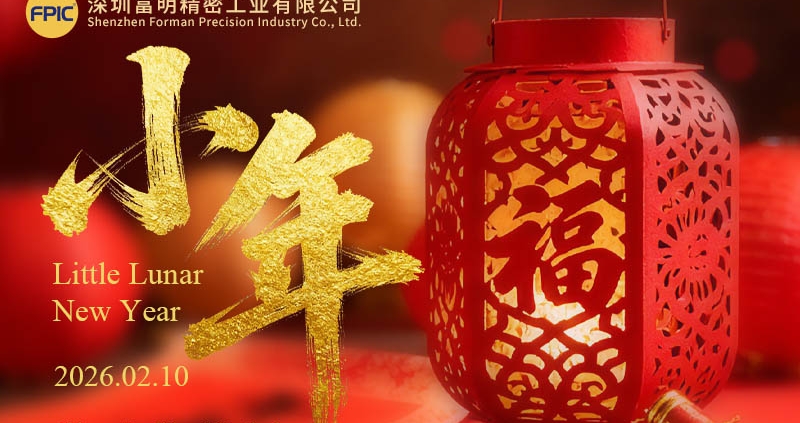
Little New Year

Introduction

Before the Chinese New Year officially begins, there is an important traditional celebration known as the Little New Year (Xiao Nian). Though less known internationally, it plays a meaningful role in Chinese culture as a symbolic starting point of the Spring Festival season.

For Western readers, the Little New Year offers insight into how Chinese families prepare spiritually and practically for the most important holiday of the year.


When Is the Little New Year?

Unlike the fixed date of February 14 for Valentine’s Day, the Little New Year follows the lunar calendar and usually falls about one week before the Lunar New Year.

Traditionally:

  • In northern China, it is celebrated on the 23rd day of the twelfth lunar month.

  • In southern China, it is observed on the 24th day.

This regional difference reflects historical and agricultural variations across China.


The Origin: Worship of the Kitchen God

The most significant tradition of the Little New Year is the worship of the Kitchen God (灶王爷, Zao Wang Ye).

According to folklore:

  • The Kitchen God observes each household throughout the year.

  • On the Little New Year, he ascends to heaven to report the family’s behavior to the Jade Emperor.

To ensure a favorable report, families traditionally offer:

  • Sweets (often sticky candies)

  • Incense and symbolic offerings

The sweetness symbolizes “sweetening” the Kitchen God’s report before he leaves for heaven.

This custom reflects deep cultural values of moral conduct, family harmony, and self-reflection.


Cleaning and Preparation

Another key tradition is thorough house cleaning, often called “sweeping away the dust.”

Symbolically, this represents:

  • Removing bad luck from the previous year

  • Making space for good fortune

  • Preparing for renewal and new beginnings

In many ways, this is similar to “spring cleaning” traditions in Western cultures, though it carries stronger spiritual symbolism.


Regional Customs and Food Traditions

Different regions celebrate the Little New Year in unique ways:

Northern China

  • Eating dumplings

  • Offering sugar melons or sticky candies to the Kitchen God

Southern China

  • Preparing rice cakes (nian gao)

  • Making festive dishes in advance of the New Year

Although the foods vary, the theme remains the same: preparation, unity, and hope for prosperity.


Cultural Meaning and Values

The Little New Year emphasizes:

  • Reflection on the past year

  • Responsibility within the household

  • Preparation for renewal

  • Gratitude and discipline

It marks the emotional transition from ordinary daily life into the festive atmosphere of the Spring Festival.

For many families, it is the moment when the “New Year feeling” truly begins.


Why the Little New Year Matters Today

Even in modern urban life, the Little New Year remains significant. It reminds people to:

  • Pause and reflect

  • Strengthen family bonds

  • Prepare thoughtfully for new opportunities

For international audiences, this tradition highlights a broader cultural principle in Chinese society: renewal begins with preparation.


Conclusion

The Little New Year may be smaller in scale than the Spring Festival, but its meaning is profound. Rooted in folklore and moral reflection, it represents the importance of preparation, responsibility, and hope for a better year ahead.

Understanding the Little New Year helps the world better appreciate the depth and continuity of Chinese cultural traditions.


References / Notes

  1. Encyclopaedia Britannica – Chinese New Year and Lunar Traditions

  2. China Intangible Cultural Heritage Network – Folk customs of Xiao Nian

  3. China National Museum – Traditional beliefs related to the Kitchen God

  4. This article is originally written based on publicly available cultural and historical knowledge for international readers.

Spring Festival Holiday Notice

Introduction: Welcoming the Year of the Horse

As the Chinese New Year approaches, people around the world prepare to welcome the Year of the Horse, one of the twelve animals in the traditional Chinese zodiac. Known for its symbolism of energy, progress, independence, and perseverance, the Horse occupies a special place in Chinese culture.

For international audiences, understanding the Year of the Horse offers valuable insight into how Chinese traditions connect time, nature, personality, and collective celebration.


The Origin of the Chinese Zodiac and the Horse

The Chinese zodiac (Shengxiao) is a 12-year cycle, with each year represented by an animal. According to legend, the order of the animals was determined by a mythical race organized by the Jade Emperor.

The Horse ranks seventh in the zodiac cycle and has historically been associated with:

  • Transportation and communication

  • Military strength and endurance

  • Agricultural labor and productivity

In ancient China, horses were essential to national stability and expansion, making them symbols of power and reliability.

Spring Festival Holiday Notice


Symbolism of the Horse in Chinese Culture

In traditional Chinese philosophy, the Horse represents:

  • Vitality and forward momentum

  • Freedom and independence

  • Loyalty and perseverance

  • Success achieved through effort

The Horse is also closely associated with the Fire element in certain zodiac interpretations, reinforcing its energetic and dynamic character.

These qualities make the Year of the Horse widely viewed as a time suitable for action, growth, and new ventures.


What Is the Spring Festival?

The Spring Festival, commonly known as Chinese New Year, marks the beginning of the lunar calendar. It is the most important traditional festival in China and is deeply rooted in family, gratitude, and renewal.

The celebration typically lasts 15 days, starting from New Year’s Eve and ending with the Lantern Festival.


How the Spring Festival Is Celebrated

1. Family Reunion and New Year’s Eve Dinner

Families gather for a reunion dinner on New Year’s Eve, symbolizing unity and completeness. Dishes are carefully chosen for their auspicious meanings.


2. Cleaning and Decorating

Homes are thoroughly cleaned before the New Year to sweep away bad luck. Red decorations, lanterns, and couplets are displayed to invite good fortune.


3. Red Envelopes (Hongbao)

Red envelopes containing money are traditionally given to children and younger family members as a symbol of blessings and protection.


4. Fireworks and Festivities

Fireworks and firecrackers are set off to drive away negative energy and welcome the New Year with joy and excitement.


5. Visiting Relatives and Friends

During the festival period, people visit relatives and friends to exchange greetings and good wishes.


Special Meanings of the Year of the Horse

In a Horse year, traditional beliefs emphasize:

  • Courage to move forward

  • Diligence and persistence

  • Breaking limitations and embracing change

Many people consider it a favorable year to:

  • Start new projects

  • Expand careers or businesses

  • Travel and explore new opportunities


Auspicious Sayings for the Year of the Horse

Here are common lucky expressions related to the Horse, often used in greetings:

  • “马到成功” (Mǎ dào chéng gōng)Instant success

  • “一马当先” (Yī mǎ dāng xiān)Taking the lead

  • “龙马精神” (Lóng mǎ jīng shén)Vigor and vitality

  • “马年大吉” (Mǎ nián dà jí)Great fortune in the Year of the Horse

These phrases reflect optimism, ambition, and confidence for the year ahead.


Why the Year of the Horse Matters Today

Even in modern society, the Spring Festival and zodiac traditions remain deeply relevant. They emphasize:

  • Respect for heritage

  • Strong family bonds

  • Positive outlook toward the future

For global audiences, the Year of the Horse represents a culture that values resilience, progress, and shared celebration.


Conclusion

The Year of the Horse Spring Festival is more than a celebration—it is a cultural expression of movement, determination, and renewal. By understanding its origins and traditions, international readers gain a deeper appreciation of Chinese values that continue to shape daily life and business culture today.


References / Notes

  1. UNESCOChinese New Year and Traditional Festivals
    https://ich.unesco.org

  2. Encyclopaedia BritannicaChinese Zodiac and Lunar Calendar
    https://www.britannica.com

  3. China National Museum – Historical symbolism of animals in Chinese culture

  4. This article is originally written for international readers based on publicly available cultural and historical knowledge.

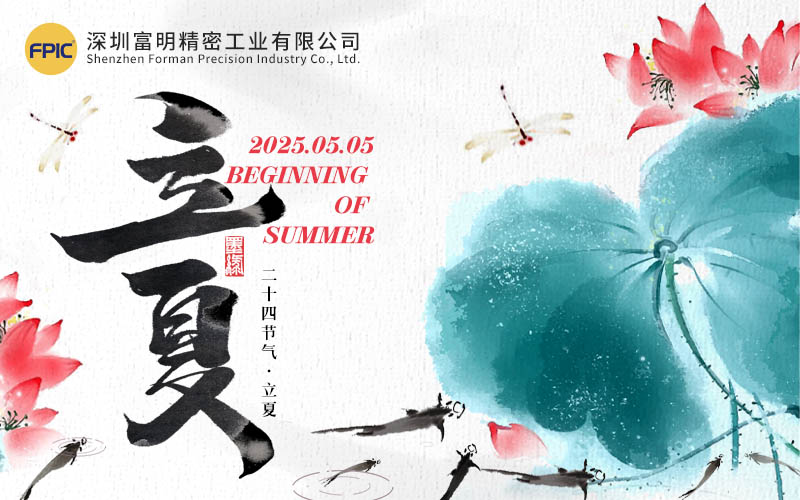
2025 Lixia

Lixia, meaning “Beginning of Summer,” is one of the 24 Solar Terms in the traditional Chinese calendar. It marks the official start of summer and signals the transition from spring’s growth to the vigorous development of early summer.

Rather than indicating extreme heat, Lixia represents the moment when nature enters a phase of rapid expansion, vitality, and maturity.


When Does Lixia Occur?

Lixia usually falls on May 5th or 6th each year, when the sun reaches 45° of celestial longitude. It is the first solar term of summer, followed by Xiaoman (Grain Full) and Mangzhong (Grain in Ear).


Why Is It Called “Beginning of Summer”?

The name Lixia (立夏) literally means “establishing summer.”
Ancient Chinese scholars used the word “Li” (立) to indicate the formal beginning of a season.

According to Yueling Qishierhou Jiejie (《月令七十二候集解》):

“Lixia is the solar term of the fourth lunar month. ‘Li’ signifies establishment, as in spring. ‘Xia’ means ‘growth.’ At this time, all things grow large and flourish.”

This explanation emphasizes that Lixia marks a period when plants, animals, and natural forces begin to expand rapidly, laying the foundation for the peak of summer.


Natural Phenomena During Lixia

Classical literature vividly describes the seasonal changes of early summer.

The Book of Rites · Monthly Ordinances (《礼记·月令》) records:

“Frogs begin to croak, earthworms emerge, creeping gourds grow, and bitter herbs flourish.”

These observations reflect the three phenological stages (三候) of Lixia:

  • Frogs and insects become active and vocal near fields and ponds
  • Earthworms surface to breathe as soil temperatures rise
  • Wild plants and herbs grow rapidly along rural paths

Together, these signs depict the lively ecological scene at the beginning of Mengxia (early summer).


Weather Characteristics of Lixia

Lixia is closely associated with noticeable climate changes:

  • Rising temperatures
  • Longer daylight hours
  • Increased rainfall in many regions
  • Rapid plant growth and stronger biological activity

Although heat waves are not yet dominant, Lixia signals that summer warmth has firmly arrived.

2025 Lixia


What People Traditionally Do During Lixia

1. Seasonal Health Adjustment

In traditional Chinese medicine, Lixia is associated with heart health and emotional balance. People are encouraged to:

  • Maintain a light diet
  • Avoid excessive heat or fatigue
  • Adjust daily routines to longer daylight hours

2. Preparing for Agricultural Growth

Historically, Lixia was a crucial time for farmers to:

  • Manage irrigation
  • Monitor crop growth
  • Control pests and weeds

It marked the beginning of intensive fieldwork leading toward summer harvests.


3. Cultural Awareness of Seasonal Change

Lixia reminds people to:

  • Gradually shift clothing styles
  • Adapt to warmer temperatures
  • Respect the rhythm of natural growth

These practices reflect the traditional philosophy of living in harmony with nature.


Cultural Significance of Lixia

Lixia symbolizes energy, vitality, and expansion. It represents a stage when life accelerates and nature moves toward abundance.

As part of the 24 Solar Terms, Lixia demonstrates how ancient Chinese society closely observed environmental patterns and integrated them into daily life, agriculture, and health practices.


Conclusion

Lixia, the Beginning of Summer, is more than a seasonal marker—it is a reminder of growth, preparation, and balance. By observing the natural signs described in classical texts, people learned to align their actions with the rhythms of the environment.

Today, Lixia continues to enrich our understanding of seasonal change and the enduring wisdom behind the 24 Solar Terms.

References

  1. 《月令七十二候集解》 (Yueling Qishierhou Jiejie) – Traditional explanation of the 24 Solar Terms
  2. 《礼记·月令》 (Book of Rites · Monthly Ordinances) – Classical record of seasonal phenomena
  3. UNESCOThe Twenty-Four Solar Terms: Knowledge and Practices in China. Source: https://ich.unesco.org
  4. China Meteorological Administration (CMA)Introduction to the 24 Solar Terms. Source: https://www.cma.gov.cn