Qingming Festival: Tradition and Remembrance
Introduction
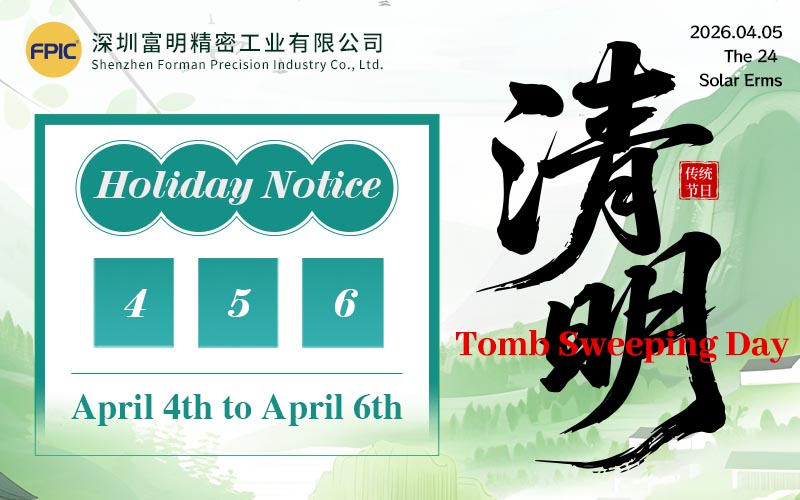
The Qingming Festival, also known as Tomb-Sweeping Day, is one of the most important traditional festivals in China. Celebrated in early April each year, it is a time for people to honor their ancestors, remember loved ones, and reconnect with nature.
For international audiences, Qingming offers a meaningful glimpse into Chinese cultural values—particularly respect for family, history, and continuity.
The Origin of Qingming Festival
Qingming has a history of over 2,500 years and is closely linked to the ancient Cold Food Festival. It later evolved into a formal occasion during which families would visit ancestral graves.
The festival is also one of China’s 24 Solar Terms, marking a time when temperatures rise, rainfall increases, and nature becomes vibrant again. The word “Qingming” means “clear and bright”, reflecting both the weather and the emotional clarity of remembrance.
Traditional Customs and Activities
1. Tomb Sweeping (祭祖)
The most important tradition is visiting ancestral graves to:
- Clean and maintain the tombs
- Offer food, tea, and symbolic items
- Burn incense or paper offerings
- Express respect and remembrance
This practice reflects deep-rooted values of filial piety and gratitude.
2. Spring Outings (踏青)
Qingming is also a time to enjoy the beauty of spring. Families often go outdoors to:
- Walk in nature
- Appreciate blooming flowers
- Spend time together
This activity symbolizes renewal and the continuity of life.
3. Flying Kites
Flying kites during Qingming is a popular tradition. In some regions, people cut the string after the kite rises high, symbolizing:
- Letting go of worries
- Releasing bad luck
- Welcoming new beginnings
4. Eating Traditional Foods
Special foods such as Qingtuan (green rice balls) are enjoyed during the festival. Made from glutinous rice and herbal ingredients, they represent:
- Seasonal freshness
- Cultural heritage
- Family traditions
Cultural Meaning of Qingming
Qingming is more than a festival—it reflects key values in Chinese culture:
- Respect for ancestors and family roots
- Gratitude for past generations
- Connection between people and nature
- Balance between remembrance and renewal
It is a moment to look back with respect while also moving forward with clarity.
Reflection in FPIC’s Corporate Culture
At FPIC, the spirit of Qingming resonates with our core values:
- Respect – honoring experience, knowledge, and contributions
- Responsibility – maintaining high standards in every process
- Continuity – building on a strong foundation for long-term growth
- Renewal – embracing innovation and continuous improvement
Just as Qingming connects past and future, we believe sustainable success comes from respecting tradition while driving innovation.
Why Qingming Matters Globally
For global audiences, Qingming offers a broader understanding of how cultural traditions shape values and behaviors.
It reminds us that:
- Strong roots create stability
- Reflection leads to better decisions
- Respect builds lasting relationships
These principles are not only cultural—but also essential in business and collaboration.
Conclusion
The Qingming Festival is a time of remembrance, reflection, and renewal. It connects generations, honors history, and embraces the future.
At FPIC, we carry these values into our daily work—building strong relationships, respecting every contribution, and moving forward with purpose.
References / Notes
- China National Meteorological Administration – 24 Solar Terms
- Encyclopaedia Britannica – Qingming Festival
- Ministry of Culture and Tourism of China – Traditional festivals
- This article is based on publicly available cultural and historical information.