Little New Year: A Prelude to Spring Festival
Introduction
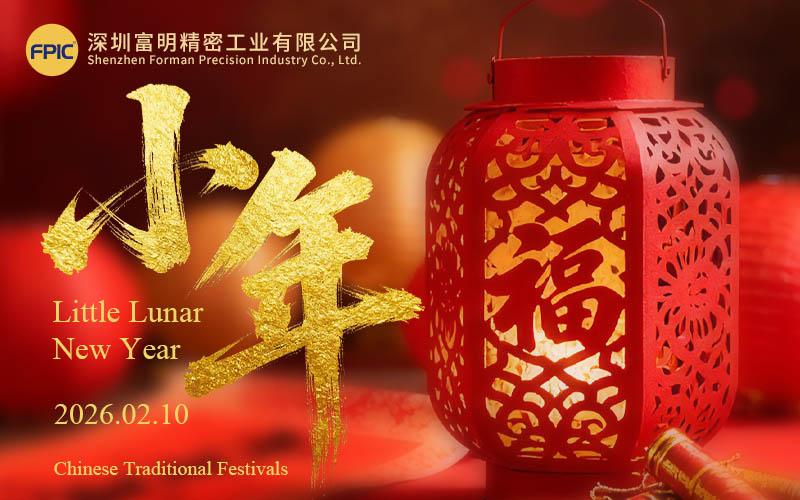
Before the Chinese New Year officially begins, there is an important traditional celebration known as the Little New Year (Xiao Nian). Though less known internationally, it plays a meaningful role in Chinese culture as a symbolic starting point of the Spring Festival season.
For Western readers, the Little New Year offers insight into how Chinese families prepare spiritually and practically for the most important holiday of the year.
When Is the Little New Year?
Unlike the fixed date of February 14 for Valentine’s Day, the Little New Year follows the lunar calendar and usually falls about one week before the Lunar New Year.
Traditionally:
-
In northern China, it is celebrated on the 23rd day of the twelfth lunar month.
-
In southern China, it is observed on the 24th day.
This regional difference reflects historical and agricultural variations across China.
The Origin: Worship of the Kitchen God
The most significant tradition of the Little New Year is the worship of the Kitchen God (灶王爷, Zao Wang Ye).
According to folklore:
-
The Kitchen God observes each household throughout the year.
-
On the Little New Year, he ascends to heaven to report the family’s behavior to the Jade Emperor.
To ensure a favorable report, families traditionally offer:
-
Sweets (often sticky candies)
-
Incense and symbolic offerings
The sweetness symbolizes “sweetening” the Kitchen God’s report before he leaves for heaven.
This custom reflects deep cultural values of moral conduct, family harmony, and self-reflection.
Cleaning and Preparation
Another key tradition is thorough house cleaning, often called “sweeping away the dust.”
Symbolically, this represents:
-
Removing bad luck from the previous year
-
Making space for good fortune
-
Preparing for renewal and new beginnings
In many ways, this is similar to “spring cleaning” traditions in Western cultures, though it carries stronger spiritual symbolism.
Regional Customs and Food Traditions
Different regions celebrate the Little New Year in unique ways:
Northern China
-
Eating dumplings
-
Offering sugar melons or sticky candies to the Kitchen God
Southern China
-
Preparing rice cakes (nian gao)
-
Making festive dishes in advance of the New Year
Although the foods vary, the theme remains the same: preparation, unity, and hope for prosperity.
Cultural Meaning and Values
The Little New Year emphasizes:
-
Reflection on the past year
-
Responsibility within the household
-
Preparation for renewal
-
Gratitude and discipline
It marks the emotional transition from ordinary daily life into the festive atmosphere of the Spring Festival.
For many families, it is the moment when the “New Year feeling” truly begins.
Why the Little New Year Matters Today
Even in modern urban life, the Little New Year remains significant. It reminds people to:
-
Pause and reflect
-
Strengthen family bonds
-
Prepare thoughtfully for new opportunities
For international audiences, this tradition highlights a broader cultural principle in Chinese society: renewal begins with preparation.
Conclusion
The Little New Year may be smaller in scale than the Spring Festival, but its meaning is profound. Rooted in folklore and moral reflection, it represents the importance of preparation, responsibility, and hope for a better year ahead.
Understanding the Little New Year helps the world better appreciate the depth and continuity of Chinese cultural traditions.
References / Notes
-
Encyclopaedia Britannica – Chinese New Year and Lunar Traditions
-
China Intangible Cultural Heritage Network – Folk customs of Xiao Nian
-
China National Museum – Traditional beliefs related to the Kitchen God
-
This article is originally written based on publicly available cultural and historical knowledge for international readers.