Jingzhe: Awakening of Spring Energy
What Is Jingzhe?
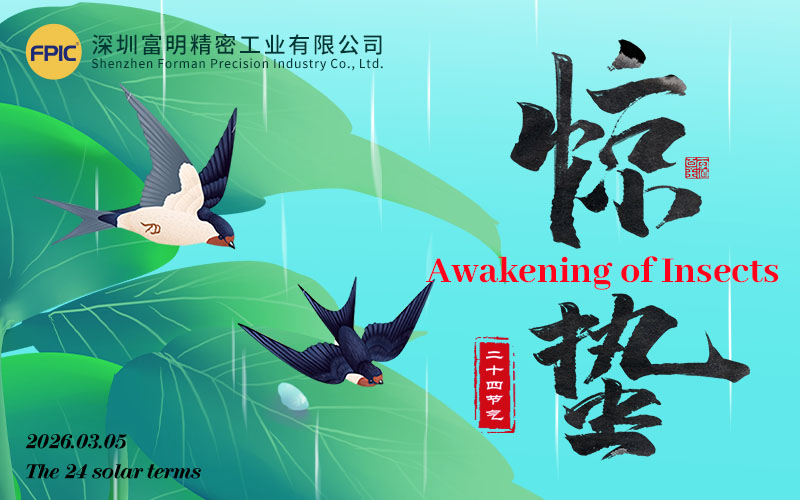
Jingzhe (惊蛰) is the third of China’s 24 Solar Terms and usually falls around March 5 each year. The name literally means “Awakening of Insects.”
It marks the moment when rising spring temperatures and thunderstorms awaken hibernating insects and animals. In traditional agricultural society, Jingzhe signaled the true arrival of early spring and the beginning of active farming.
For international readers, Jingzhe represents renewal, movement, and the transition from dormancy to growth.
What Does Jingzhe Symbolize?
Jingzhe carries several symbolic meanings:
- Nature awakening from winter
- Thunder bringing vitality
- Renewal of life and energy
- Beginning of spring cultivation
In ancient China, thunder was believed to drive away negative forces and stimulate growth. The first spring thunder was considered a powerful and positive sign.
Traditional Customs of Jingzhe
1. Eating Pears
In many regions, people eat pears during Jingzhe. In Chinese, “pear” (梨, lí) sounds similar to the word meaning “separate” or “leave.” Symbolically, eating pears means separating from illness and misfortune.
2. Beating the “Villain” (打小人)
In southern China, especially in Guangdong and Hong Kong, some people perform a folk ritual called “beating the villain.” It is meant to drive away bad luck and negative influences.
3. Spring Field Preparation
Farmers traditionally begin plowing and preparing fields during Jingzhe. It marks the start of a busy agricultural season.
Jingzhe Taboos and Health Tips
Traditional beliefs also include certain cautions:
- Avoid excessive anger, as spring is associated with liver health in traditional Chinese medicine.
- Protect against sudden temperature changes.
- Eat light and seasonal foods to support the body’s transition from winter to spring.
While modern life has changed, many families still pay attention to seasonal balance during this time.
Jingzhe Proverbs
Chinese agricultural society developed many proverbs about Jingzhe:
- “Spring thunder startles all insects.”
- “When Jingzhe arrives, plowing never stops.”
- “A warm Jingzhe brings a good harvest.”
These sayings reflect centuries of observation of climate and farming cycles.
Cultural Meaning in Modern Society
Although fewer people today rely directly on agriculture, Jingzhe remains culturally meaningful. It represents:
- Action after preparation
- Growth after stillness
- Energy after patience
- Opportunity after winter
It reminds people that timing and readiness are essential for success.
Jingzhe and FPIC’s Corporate Culture
At FPIC, the spirit of Jingzhe resonates strongly with our business philosophy.
1. Awakening Innovation
Just as nature awakens in Jingzhe, we continuously activate new ideas and technical improvements in our connector and cable assembly manufacturing.
2. Moving from Preparation to Action
Winter symbolizes planning and foundation. Jingzhe symbolizes execution.
Similarly, at FPIC:
- Careful design leads to precise production
- Preparation ensures stable delivery
- Planning transforms into measurable performance
3. Continuous Growth
Jingzhe marks the start of intensive cultivation. In the same way, we believe sustainable growth requires:
- Long-term partnerships
- Strict quality management
- Ongoing process optimization
- Strong teamwork
Growth does not happen overnight — it follows rhythm, discipline, and commitment.
Conclusion
Jingzhe, the “Awakening of Insects,” is more than a seasonal marker. It is a cultural reminder that renewal begins with movement and growth requires timely action.
As spring energy rises, FPIC embraces the spirit of Jingzhe — awakening innovation, strengthening collaboration, and moving forward with confidence in the year ahead.
References / Notes
-
China National Meteorological Administration – 24 Solar Terms
-
Encyclopaedia Britannica – Traditional Chinese Calendar
-
Ministry of Culture and Tourism of China – Solar Term traditions
-
This article is written based on publicly available cultural and historical sources for educational and informational purposes.