How to Choose Energy Storage Connectors Correctly
As energy storage systems continue to expand across renewable energy, grid stabilization, and industrial applications, selecting the right energy storage connectors has become critical to system safety, efficiency, and long-term reliability.
A connector is more than a simple connection point—it directly affects power transmission stability, thermal performance, installation safety, and maintenance efficiency. Below are key tips to help customers choose the right solution and understand what to look for in a reliable supplier.
1. Understand Current and Voltage Requirements
The first step in choosing an energy storage connector is defining electrical ratings:
-
Rated current and peak current capacity
-
Rated voltage level (low or high voltage systems)
-
Continuous power transmission capability
Connectors must safely handle high current loads over long operating periods without excessive temperature rise. Underrated connectors increase the risk of overheating and power loss.
2. Focus on Safety and Locking Design
Energy storage systems often operate in environments where safety is non-negotiable. Key safety features include:
-
Secure locking or anti-mis-mating design
-
Touch-proof or finger-safe contact structures
-
Reliable grounding solutions
A well-designed locking mechanism ensures stable connections during vibration, transportation, or long-term operation.
3. Consider Environmental Resistance
Energy storage installations may be exposed to:
-
Dust and humidity
-
Temperature variation
-
Outdoor or semi-outdoor conditions
Choosing connectors with appropriate IP protection levels, corrosion-resistant materials, and robust housings helps extend service life and reduce maintenance risks.
4. Evaluate Contact Materials and Conductivity
High-quality contact materials are essential for stable energy transfer. Important factors include:
-
Low contact resistance
-
High conductivity materials
-
Reliable plating for long-term performance
Good contact design improves energy efficiency and reduces heat generation during high-current operation.
5. Think About Installation and Maintenance Efficiency
In large energy storage projects, installation speed and serviceability matter. Consider:
-
Easy mating and unmating
-
Clear polarity and orientation
-
Compatibility with cable assemblies
Efficient connector design reduces installation time and simplifies future maintenance or system upgrades.
FPIC Energy Storage Connector Specifications & Advantages
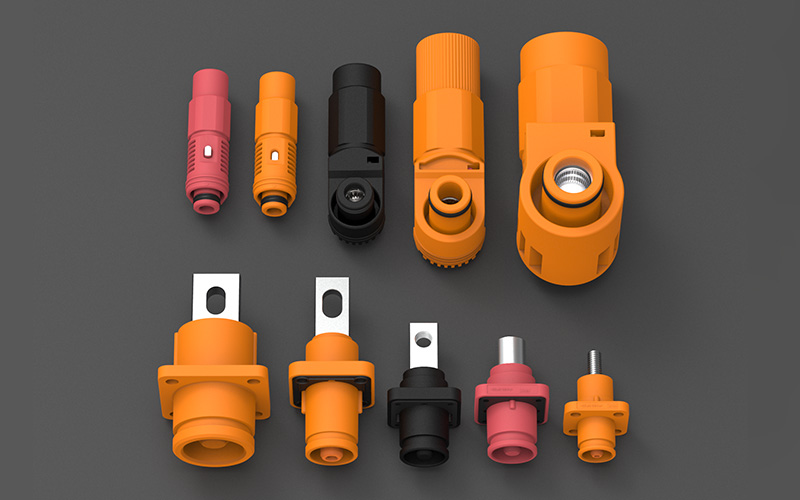
With 23 years of connector and cable assembly manufacturing experience, FPIC provides energy storage connector solutions designed for real-world system demands.
Key Advantages of FPIC Energy Storage Connectors
-
Designed for high-current and stable power transmission
-
Secure and reliable connection structures
-
Durable materials suitable for long-term operation
-
Support for customized connector and cable assembly solutions
-
Stable mass production capability with strict quality control
FPIC energy storage connectors are widely used in battery energy storage systems (BESS), power distribution modules, and integrated energy solutions.
Customization Support for Energy Storage Projects
Every energy storage system has unique requirements. FPIC supports end-to-end customization, including:
-
Connector structure and pin design
-
Cable integration and harness assembly
-
Electrical and mechanical performance optimization
Our engineering team works closely with customers to ensure the connector solution fits the system, not the other way around.
Choose the Right Partner for Long-Term Reliability
Choosing the right energy storage connector is not just about specifications—it’s about choosing a manufacturer with experience, engineering capability, and production stability.
📩 Contact FPIC today to discuss your energy storage connector requirements.
We welcome inquiries and are ready to support your project from design to mass production.