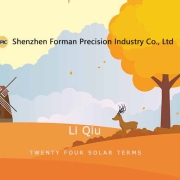
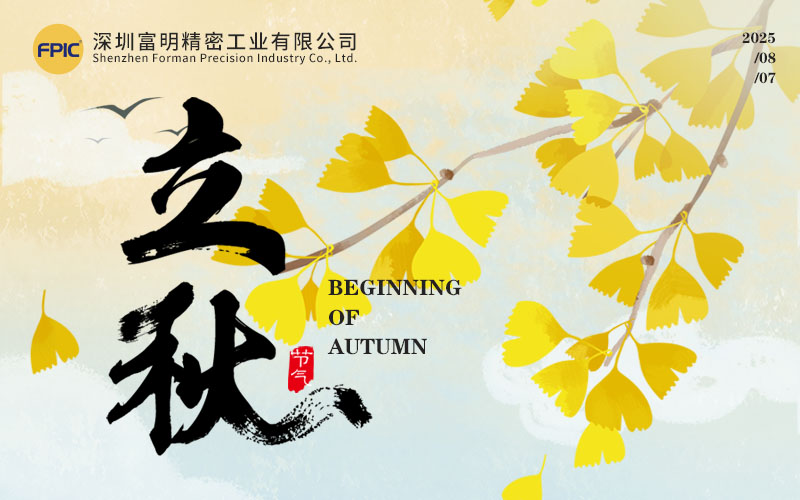
Liqiu (Beginning of Autumn): Marking the Transition from Summer to Autumn
Liqiu, meaning “Beginning of Autumn,” is one of the 24 Solar Terms in the traditional Chinese calendar. It marks the official transition from summer to autumn, reflecting ancient China’s deep understanding of seasonal cycles, climate change, and agricultural rhythms.
While Liqiu does not immediately bring cool weather, it signals a shift in nature’s energy and reminds people to prepare for the gradual changes ahead.
When Does Liqiu Occur?
Liqiu usually falls on August 7th or 8th each year, when the sun reaches 135° of celestial longitude. It is the first solar term of autumn, followed by Chushu (End of Heat) and Bailu (White Dew).
Despite its name, temperatures often remain high during Liqiu, especially in southern regions of China.
Why Is It Called “Beginning of Autumn”?
The word Liqiu (立秋) literally means “establishing autumn.”
Rather than indicating an immediate change in temperature, it represents a seasonal turning point in the traditional calendar.
Ancient observers noticed that:
-
Daylight hours begin to shorten
-
The sun’s angle gradually lowers
-
Crops enter a key maturation stage
These natural signals led to Liqiu being recognized as the start of autumn in agricultural planning.
Weather Characteristics of Liqiu
Liqiu is closely linked to subtle but important climate changes:
-
High temperatures may continue, often called “Autumn Tiger” (late summer heat)
-
Increased temperature difference between day and night
-
Gradual decrease in humidity in some regions
-
Early signs of seasonal wind pattern changes
As a result, Liqiu is seen as a transition phase, not an abrupt seasonal shift.
What People Traditionally Do During Liqiu
Liqiu is associated with several customs and practical activities aimed at adjusting to seasonal change.
1. Adjusting Diet and Health Practices
Traditional Chinese medicine emphasizes maintaining balance during Liqiu. People are advised to:
-
Avoid excessive cold foods
-
Focus on light, nourishing meals
-
Support digestion and lung health
This helps the body adapt to the upcoming cooler and drier climate.
2. “Welcoming Autumn” Traditions
In some regions, people observe simple customs to symbolically welcome autumn, such as:
-
Enjoying seasonal fruits
-
Sharing meals with family
-
Expressing gratitude for the summer harvest
These practices reflect a respect for nature’s rhythm and abundance.
3. Agricultural Preparation
Historically, Liqiu was an important agricultural marker:
-
Farmers inspected crop maturity
-
Prepared tools for harvesting
-
Adjusted irrigation plans
It signaled that the peak growing season was ending and harvest planning should begin.
4. Seasonal Clothing Adjustments
Although the weather remains warm, Liqiu reminds people to prepare for:
-
Cooler mornings and evenings
-
Gradual wardrobe changes
-
Avoiding sudden exposure to cold after sweating
This was especially important before modern climate control.
Cultural Significance of Liqiu
Liqiu represents balance and transition in Chinese philosophy. It emphasizes adapting gradually rather than reacting suddenly—whether in agriculture, health, or daily life.
As one of the most well-known solar terms, Liqiu continues to influence modern lifestyle habits, seasonal awareness, and cultural expression.
Conclusion
Liqiu, or the Beginning of Autumn, marks more than a calendar change—it reflects a philosophy of preparation, balance, and respect for natural cycles. Even today, it encourages people to slow down, observe seasonal signals, and make thoughtful adjustments to daily routines.
Understanding Liqiu enriches our appreciation of the 24 Solar Terms and their lasting relevance in both traditional culture and modern life.
References
-
UNESCO – The Twenty-Four Solar Terms: Knowledge and Practices in China. Source: https://ich.unesco.org
-
China Meteorological Administration (CMA) – Introduction to the 24 Solar Terms. Source: https://www.cma.gov.cn
-
Encyclopaedia Britannica – Chinese Calendar and Solar Terms. Source: https://www.britannica.com
-
China National Commission for UNESCO – Traditional Seasonal Knowledge in China