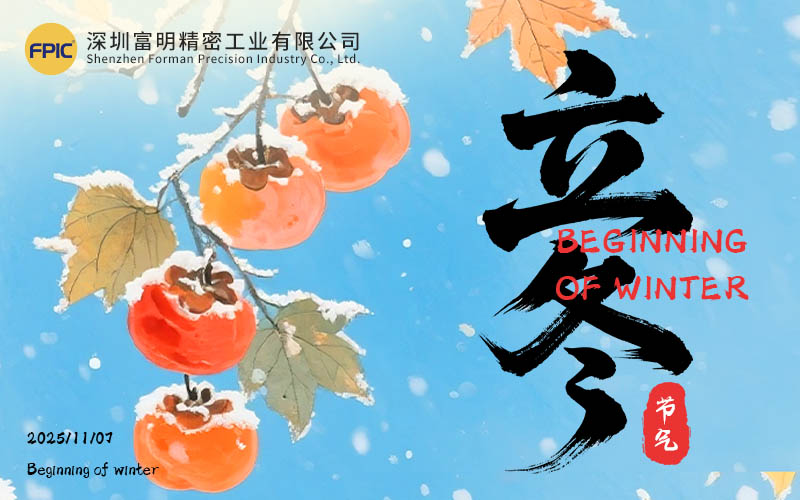
Lidong (Beginning of Winter): Welcoming the Start of Winter in Chinese Culture
Lidong, meaning “Beginning of Winter,” is one of the 24 Solar Terms in the traditional Chinese calendar. It marks the official transition from autumn to winter and reflects the ancient understanding of seasonal change, climate patterns, and lifestyle adjustments.
Rather than signaling the coldest days, Lidong represents a turning point—a time to slow down, store energy, and prepare for the colder months ahead.
When Does Lidong Occur?
Lidong usually falls on November 7th or 8th each year, when the sun reaches 225° of celestial longitude. It is the first solar term of winter, followed by Xiaoxue (Minor Snow) and Daxue (Major Snow).
In traditional Chinese philosophy, Lidong marks the beginning of yin energy dominance, encouraging rest, conservation, and nourishment.
Why Is It Called “Beginning of Winter”?
The word Lidong (立冬) literally means “establishing winter.”
It does not mean winter weather suddenly arrives, but rather that nature enters a new seasonal phase.
Ancient Chinese scholars observed that:
-
Daylight hours become shorter
-
Temperatures gradually decline
-
Plants stop growing and begin dormancy
Lidong was therefore seen as the moment when winter officially “stands in place.”
Weather Characteristics of Lidong
Lidong is closely related to noticeable climate changes:
-
Gradual temperature drop
-
Increased cold air activity
-
Frost in northern regions
-
Cool and dry weather in southern China
While snow is not guaranteed during Lidong, the season signals that colder and harsher conditions are approaching.
Traditional Customs and Folk Practices
Although Lidong is not a major festival, it has several meaningful traditions:
1. Winter Nourishment (补冬)
One of the most well-known customs is “nourishing the body for winter.”
People traditionally eat warm, energy-rich foods such as:
-
Dumplings (especially in northern China)
-
Lamb, beef, and chicken soups
-
Root vegetables and grains
This practice aligns with traditional Chinese medicine, which emphasizes strengthening the body before deep winter.
2. Seasonal Clothing Change
Lidong reminds people to switch to warmer clothing, protecting against cold winds and sudden temperature drops.
3. Agricultural Preparation
Historically, farmers used Lidong as a signal to:
-
Complete autumn harvests
-
Store grains and tools
-
Prepare livestock shelters
It marked a pause in farming activity and the start of winter planning.
Cultural Significance of Lidong
Lidong reflects the traditional Chinese philosophy of living in harmony with nature. Rather than resisting seasonal change, people adjusted their diet, behavior, and daily routines to align with natural rhythms.
Even in modern times, Lidong continues to influence lifestyle choices, reminding people to prioritize health, rest, and balance as winter approaches.
Conclusion
Lidong, or the Beginning of Winter, represents more than a calendar marker—it symbolizes preparation, conservation, and renewal. Rooted in centuries of observation and wisdom, this solar term continues to guide how people respond to seasonal transitions.
Understanding Lidong helps us appreciate how traditional culture connects climate, health, and daily life into a unified system.
META Description (≤155 characters)
Lidong (Beginning of Winter) marks the start of winter in China’s 24 solar terms, reflecting seasonal changes, traditional customs, and climate awareness.
References
-
UNESCO – The Twenty-Four Solar Terms: Knowledge and Practices in China. Source: https://ich.unesco.org
-
China Meteorological Administration (CMA) – Introduction to the 24 Solar Terms. Source: https://www.cma.gov.cn
-
Encyclopaedia Britannica – Chinese Calendar and Solar Terms. Source: https://www.britannica.com