How CPA and TPA Improve Automotive Connector Reliability
In automotive electrical systems, connector reliability is not only determined by material quality or contact design. Assembly accuracy plays an equally important role. Even a well-designed automotive connector can fail if it is not fully seated or if terminals are not properly locked in place.
To address these risks, modern automotive connectors often incorporate CPA (Connector Position Assurance) and TPA (Terminal Position Assurance) features. These mechanisms are designed to prevent assembly errors and ensure that connectors perform reliably under real-world conditions.
This article explains how CPA and TPA work, how they differ, and why they are essential for automotive connector reliability.
Why Assembly Quality Matters in Connector Performance
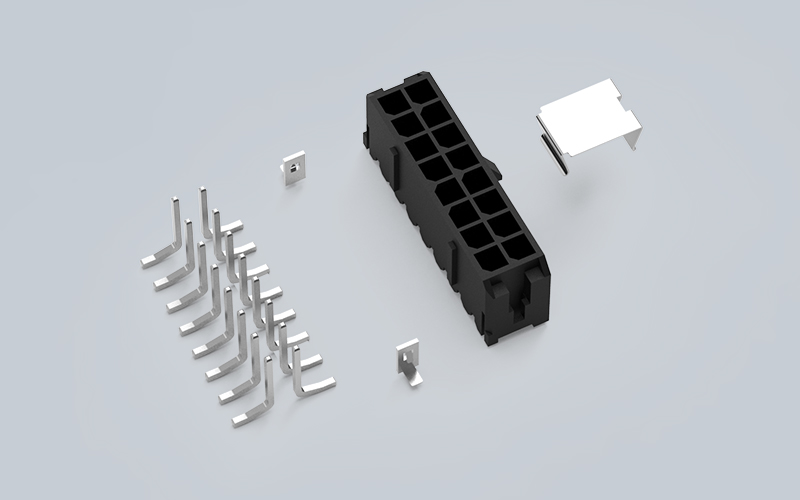
Connector failures are often traced back to assembly-related issues rather than design flaws. Common problems include:
- incomplete connector mating
- terminal back-out during vibration
- improper terminal insertion
- insufficient locking force
These issues can lead to intermittent electrical contact, increased resistance, or complete system failure. In high-vibration automotive environments, even a small assembly defect can develop into a critical failure over time.
CPA and TPA mechanisms are specifically designed to reduce these risks.
What Is CPA (Connector Position Assurance)?
CPA is a secondary locking mechanism that ensures the connector is fully mated.
How CPA Works
The CPA device is typically a sliding or hinged component integrated into the connector housing. It can only be engaged after the connector halves are fully seated.
If the connector is not properly mated:
- the CPA cannot be locked
- visual or tactile feedback indicates incomplete assembly
This provides an additional layer of verification beyond the primary latch.
Key Benefits of CPA
- prevents partial mating
- provides clear assembly confirmation
- reduces risk of disconnection under vibration
- improves assembly consistency in production
CPA is especially important in applications where connectors are difficult to access or inspect after installation.
What Is TPA (Terminal Position Assurance)?
TPA is designed to ensure that individual terminals are fully inserted and properly retained within the connector housing.
How TPA Works
After terminals are inserted into the connector, the TPA component is installed or engaged to lock them in place. It prevents terminals from backing out due to vibration or handling.
If a terminal is not correctly positioned:
- the TPA cannot be fully engaged
- assembly is blocked until correction
This ensures proper terminal seating before final assembly.
Key Benefits of TPA
- prevents terminal back-out
- ensures correct terminal positioning
- improves retention force
- enhances long-term electrical stability
TPA is critical in maintaining contact integrity over the lifecycle of the vehicle.
CPA vs TPA: Key Differences
Although CPA and TPA serve different functions, they are complementary.
- CPA ensures the connector halves are fully mated
- TPA ensures the terminals inside the connector are properly seated
In many automotive connectors, both mechanisms are used together to provide full assembly assurance.
How CPA and TPA Improve Real-World Reliability
Prevent Assembly Errors
Production environments involve manual or semi-automated assembly processes. CPA and TPA reduce human error by making incorrect assembly physically difficult or impossible.
Enhance Vibration Resistance
Automotive systems are exposed to continuous vibration. CPA prevents connectors from loosening, while TPA prevents terminals from shifting inside the housing.
Improve Inspection and Quality Control
Both CPA and TPA provide clear visual or tactile indicators of correct assembly, making inspection faster and more reliable.
Support Long-Term Performance
By ensuring proper initial assembly, CPA and TPA reduce the likelihood of gradual degradation such as fretting corrosion or intermittent contact.
Design Considerations for CPA and TPA Integration
When selecting or designing connectors with CPA and TPA features, engineers should consider:
- ease of assembly and ergonomics
- clear visual confirmation of engagement
- compatibility with automated assembly processes
- durability under repeated service cycles
- space constraints within the system
Proper integration ensures that these features add value without increasing complexity.
How FPIC Supports Connector Reliability Solutions
Connector reliability depends on both component design and integration within the wire harness system. Features such as CPA and TPA must be correctly implemented and matched with appropriate terminals, housings, and assembly processes.
FPIC supports automotive and industrial connector projects with:
- connector selection and application review
- harness integration design
- assembly process optimization
- quality control and inspection support
By focusing on both design and manufacturability, FPIC helps reduce assembly errors and improve long-term reliability.
Final Thoughts
CPA and TPA are small features with a significant impact on automotive connector performance. While they may seem like minor design elements, they play a critical role in preventing assembly errors and maintaining reliable electrical connections.
In modern vehicles, where reliability expectations are extremely high, these mechanisms are essential components of a robust connector design strategy.
FAQ
What does CPA mean in connectors?
CPA stands for Connector Position Assurance, a mechanism that ensures the connector is fully mated.
What does TPA mean in connectors?
TPA stands for Terminal Position Assurance, which ensures terminals are properly inserted and retained.
Do all automotive connectors use CPA and TPA?
Not all connectors include both features, but they are commonly used in critical automotive applications.
Why are CPA and TPA important?
They prevent assembly errors, improve retention, and enhance long-term electrical reliability.
Can CPA and TPA fail?
They are generally reliable, but improper use or damage during assembly can affect their performance.
CTA
Improve Your Connector Reliability Strategy
If your application requires high reliability and consistent assembly quality, selecting connectors with proper assurance mechanisms is critical.
FPIC provides connector and wire harness solutions tailored for automotive and industrial applications.
Contact FPIC to discuss your connector and harness design requirements.
Resources
- TE Connectivity – Automotive Connector Design: explains connector locking systems including CPA and terminal retention mechanisms.
- Molex – Connector Assembly and Retention: covers terminal retention, connector locking, and assembly quality considerations.
- Amphenol Automotive – Connector Solutions: provides insight into connector design features for reliability and harsh environments.
- Aptiv – Connection Systems: discusses advanced automotive connection technologies and reliability improvements.
- Yazaki – Connector Technology: outlines connector design principles and assembly assurance features in automotive systems.