Liqiu (Beginning of Autumn)

Liqiu, meaning “Beginning of Autumn,” is one of the 24 Solar Terms in the traditional Chinese calendar. It marks the official transition from summer to autumn, reflecting ancient China’s deep understanding of seasonal cycles, climate change, and agricultural rhythms.

While Liqiu does not immediately bring cool weather, it signals a shift in nature’s energy and reminds people to prepare for the gradual changes ahead.


When Does Liqiu Occur?

Liqiu usually falls on August 7th or 8th each year, when the sun reaches 135° of celestial longitude. It is the first solar term of autumn, followed by Chushu (End of Heat) and Bailu (White Dew).

Despite its name, temperatures often remain high during Liqiu, especially in southern regions of China.


Why Is It Called “Beginning of Autumn”?

The word Liqiu (立秋) literally means “establishing autumn.”
Rather than indicating an immediate change in temperature, it represents a seasonal turning point in the traditional calendar.

Ancient observers noticed that:

  • Daylight hours begin to shorten

  • The sun’s angle gradually lowers

  • Crops enter a key maturation stage

These natural signals led to Liqiu being recognized as the start of autumn in agricultural planning.
Liqiu (Beginning of Autumn)


Weather Characteristics of Liqiu

Liqiu is closely linked to subtle but important climate changes:

  • High temperatures may continue, often called “Autumn Tiger” (late summer heat)

  • Increased temperature difference between day and night

  • Gradual decrease in humidity in some regions

  • Early signs of seasonal wind pattern changes

As a result, Liqiu is seen as a transition phase, not an abrupt seasonal shift.


What People Traditionally Do During Liqiu

Liqiu is associated with several customs and practical activities aimed at adjusting to seasonal change.

1. Adjusting Diet and Health Practices

Traditional Chinese medicine emphasizes maintaining balance during Liqiu. People are advised to:

  • Avoid excessive cold foods

  • Focus on light, nourishing meals

  • Support digestion and lung health

This helps the body adapt to the upcoming cooler and drier climate.


2. “Welcoming Autumn” Traditions

In some regions, people observe simple customs to symbolically welcome autumn, such as:

  • Enjoying seasonal fruits

  • Sharing meals with family

  • Expressing gratitude for the summer harvest

These practices reflect a respect for nature’s rhythm and abundance.


3. Agricultural Preparation

Historically, Liqiu was an important agricultural marker:

  • Farmers inspected crop maturity

  • Prepared tools for harvesting

  • Adjusted irrigation plans

It signaled that the peak growing season was ending and harvest planning should begin.


4. Seasonal Clothing Adjustments

Although the weather remains warm, Liqiu reminds people to prepare for:

  • Cooler mornings and evenings

  • Gradual wardrobe changes

  • Avoiding sudden exposure to cold after sweating

This was especially important before modern climate control.


Cultural Significance of Liqiu

Liqiu represents balance and transition in Chinese philosophy. It emphasizes adapting gradually rather than reacting suddenly—whether in agriculture, health, or daily life.

As one of the most well-known solar terms, Liqiu continues to influence modern lifestyle habits, seasonal awareness, and cultural expression.


Conclusion

Liqiu, or the Beginning of Autumn, marks more than a calendar change—it reflects a philosophy of preparation, balance, and respect for natural cycles. Even today, it encourages people to slow down, observe seasonal signals, and make thoughtful adjustments to daily routines.

Understanding Liqiu enriches our appreciation of the 24 Solar Terms and their lasting relevance in both traditional culture and modern life.

References

  1. UNESCOThe Twenty-Four Solar Terms: Knowledge and Practices in China. Source: https://ich.unesco.org

  2. China Meteorological Administration (CMA)Introduction to the 24 Solar Terms. Source: https://www.cma.gov.cn

  3. Encyclopaedia BritannicaChinese Calendar and Solar Terms. Source: https://www.britannica.com

  4. China National Commission for UNESCOTraditional Seasonal Knowledge in China
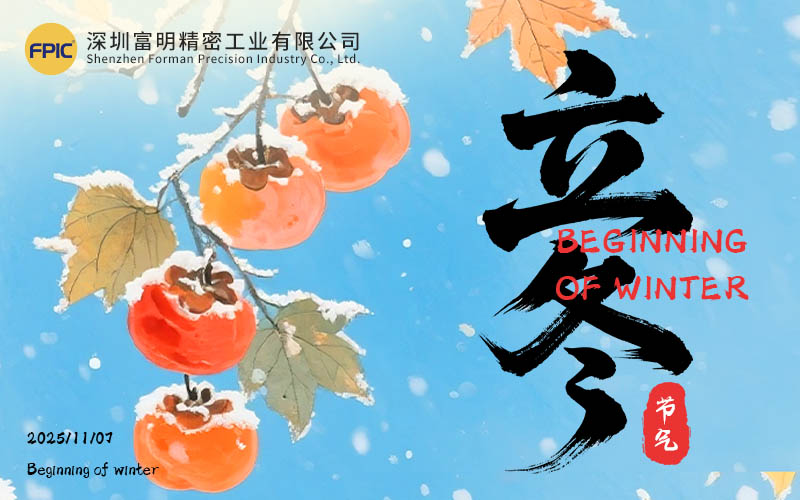
Lidong Begining of Winter

Lidong, meaning “Beginning of Winter,” is one of the 24 Solar Terms in the traditional Chinese calendar. It marks the official transition from autumn to winter and reflects the ancient understanding of seasonal change, climate patterns, and lifestyle adjustments.

Rather than signaling the coldest days, Lidong represents a turning point—a time to slow down, store energy, and prepare for the colder months ahead.


When Does Lidong Occur?

Lidong usually falls on November 7th or 8th each year, when the sun reaches 225° of celestial longitude. It is the first solar term of winter, followed by Xiaoxue (Minor Snow) and Daxue (Major Snow).

In traditional Chinese philosophy, Lidong marks the beginning of yin energy dominance, encouraging rest, conservation, and nourishment.


Why Is It Called “Beginning of Winter”?

The word Lidong (立冬) literally means “establishing winter.”
It does not mean winter weather suddenly arrives, but rather that nature enters a new seasonal phase.

Ancient Chinese scholars observed that:

  • Daylight hours become shorter

  • Temperatures gradually decline

  • Plants stop growing and begin dormancy

Lidong was therefore seen as the moment when winter officially “stands in place.”

Lidong Begining of Winter


Weather Characteristics of Lidong

Lidong is closely related to noticeable climate changes:

  • Gradual temperature drop

  • Increased cold air activity

  • Frost in northern regions

  • Cool and dry weather in southern China

While snow is not guaranteed during Lidong, the season signals that colder and harsher conditions are approaching.


Traditional Customs and Folk Practices

Although Lidong is not a major festival, it has several meaningful traditions:

1. Winter Nourishment (补冬)

One of the most well-known customs is “nourishing the body for winter.”
People traditionally eat warm, energy-rich foods such as:

  • Dumplings (especially in northern China)

  • Lamb, beef, and chicken soups

  • Root vegetables and grains

This practice aligns with traditional Chinese medicine, which emphasizes strengthening the body before deep winter.


2. Seasonal Clothing Change

Lidong reminds people to switch to warmer clothing, protecting against cold winds and sudden temperature drops.


3. Agricultural Preparation

Historically, farmers used Lidong as a signal to:

  • Complete autumn harvests

  • Store grains and tools

  • Prepare livestock shelters

It marked a pause in farming activity and the start of winter planning.


Cultural Significance of Lidong

Lidong reflects the traditional Chinese philosophy of living in harmony with nature. Rather than resisting seasonal change, people adjusted their diet, behavior, and daily routines to align with natural rhythms.

Even in modern times, Lidong continues to influence lifestyle choices, reminding people to prioritize health, rest, and balance as winter approaches.


Conclusion

Lidong, or the Beginning of Winter, represents more than a calendar marker—it symbolizes preparation, conservation, and renewal. Rooted in centuries of observation and wisdom, this solar term continues to guide how people respond to seasonal transitions.

Understanding Lidong helps us appreciate how traditional culture connects climate, health, and daily life into a unified system.


META Description (≤155 characters)

Lidong (Beginning of Winter) marks the start of winter in China’s 24 solar terms, reflecting seasonal changes, traditional customs, and climate awareness.


References

  1. UNESCOThe Twenty-Four Solar Terms: Knowledge and Practices in China.  Source: https://ich.unesco.org

  2. China Meteorological Administration (CMA)Introduction to the 24 Solar Terms. Source: https://www.cma.gov.cn

  3. Encyclopaedia BritannicaChinese Calendar and Solar Terms. Source: https://www.britannica.com

2025 Merry Christmas

As Christmas 2025 approaches, we would like to extend our warmest holiday greetings to all our customers, partners, and friends around the world who celebrate this meaningful festival. We wish you a joyful Christmas and a prosperous, healthy New Year.

The Origin and Meaning of Christmas

Christmas is one of the most important traditional holidays in many countries, especially across Europe, the Americas, and other regions worldwide. It originated as a celebration of the birth of Jesus Christ and has evolved over centuries into a festival symbolizing peace, hope, gratitude, and togetherness. Today, Christmas is widely celebrated not only as a religious occasion, but also as a cultural holiday that brings families and communities together.

2025 Merry Christmas

Cultural Respect and Global Connection

At our company, we deeply respect the diverse cultures and traditions of our global customers. As international communication and cooperation continue to grow, Christmas has also become increasingly popular in China. More people now enjoy the festive atmosphere—decorations, lights, seasonal gatherings, and moments of joy shared with colleagues, friends, and family.

This cultural exchange reflects openness, understanding, and mutual respect—values that align closely with our company’s spirit.

Holiday Wishes to Our Global Family

On this special occasion, we would like to express our sincere appreciation and best wishes to:

  • Our valued customers across all Christmas-celebrating countries

  • Our dedicated employees, whose commitment drives our success

  • Our trusted suppliers and partners, who support us every step of the way

  • And to all your families, who share in your hard work and achievements

May this holiday season bring you warmth, happiness, and memorable moments with loved ones.

Looking Ahead to the New Year

As we step into the New Year, we look forward to continuing our cooperation and exploring new opportunities together. Should you have any new projects, customization needs, or technical inquiries, please feel free to contact us at any time.

📧 Email: info@fpiconn.com

Thank you for your trust and partnership.
Wishing you a Merry Christmas, a Happy New Year, and continued success in 2026.

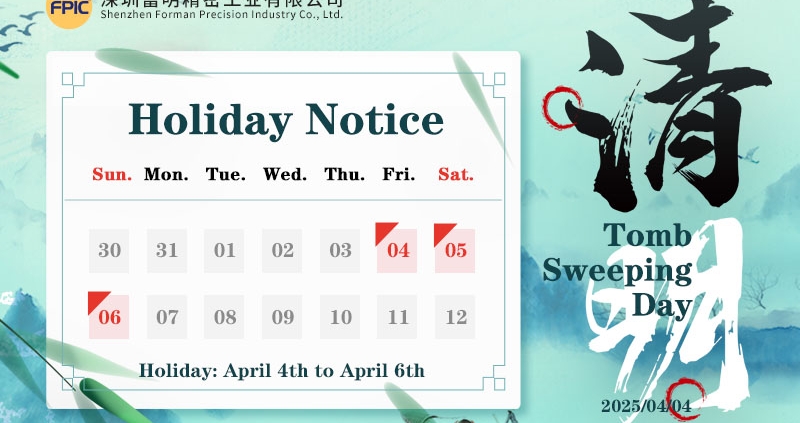
Qingming Festival

Qingming Festival: Honoring Tradition and Embracing Spring

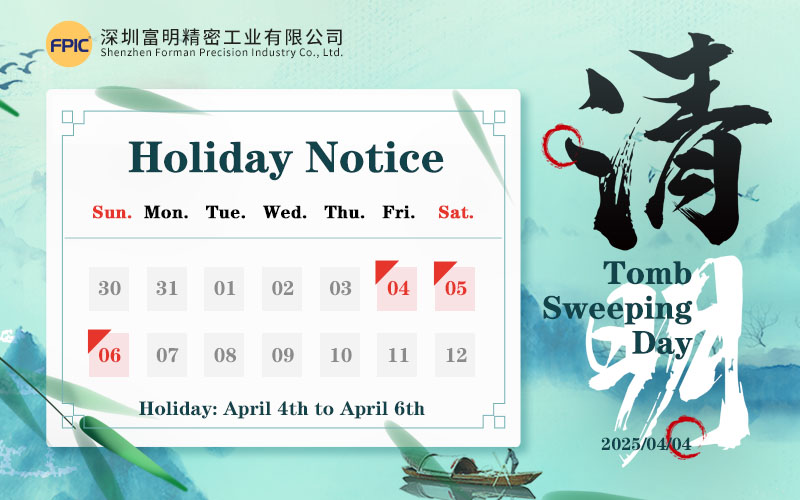
Qingming Festival (清明节), also known as Tomb-Sweeping Day, is one of China’s most important traditional holidays, observed annually on April 4th or 5th. It is a time for families to pay tribute to their ancestors, cherish memories, and welcome the renewal of spring.


The Meaning and Traditions of Qingming Festival

The word “Qingming” translates to “clear and bright,” symbolizing the fresh start that spring brings. The festival dates back over 2,500 years and carries both cultural and seasonal significance.

? Tomb-Sweeping Rituals

One of the core customs is visiting ancestral gravesites to show respect. Families clean the tombstones, place fresh flowers, burn incense, and make symbolic offerings such as food and paper money. This act represents gratitude and remembrance.

? Spring Outings & Nature Appreciation

Apart from honoring ancestors, Qingming is also a time to embrace the beauty of nature. Many people go for spring outings (踏青, tàqīng), fly kites, and enjoy seasonal foods like Qingtuan (青团, sweet green rice balls). These traditions reflect a connection between heritage and the changing seasons.


Forman Wishes You a Peaceful Qingming Festival

At Forman, we respect traditions while looking ahead to the future. As we observe this meaningful festival, our team will take a short break from April 4th to April 6th.
Qingming Festival

We extend our best wishes to our partners, customers, and employees. May this Qingming bring peace, reflection, and cherished moments with loved ones.

For any inquiries, please feel free to reach out to us at info@fpiconn.com.

? Forman – Connecting the Future, Honoring the Past. ?

2025 Spring Festival

The Spring Festival, also known as the Chinese New Year, is the most significant and widely celebrated festival in Chinese tradition. Spanning thousands of years, this occasion is deeply rooted in Chinese culture, symbolizing the values of family, gratitude, renewal, and hope for prosperity. As a company that embraces and honors our cultural heritage, Shenzhen Forman Precision Industry Co., Ltd. (FPIC) is delighted to share the importance of this cherished celebration.

The Origins of the Spring Festival

The history of the Spring Festival dates back over 4,000 years, evolving from ancient harvest rituals. Originally, it marked the end of winter and the beginning of a new planting season, reflecting the agrarian roots of Chinese society. Over time, it became a period of honoring ancestors, deities, and family reunions, with traditions designed to bring good fortune for the year ahead.

Family: The Heart of the Festival

At its core, the Spring Festival is about family. It serves as an annual reunion for millions of Chinese people, as families come together to celebrate and share meals, regardless of the distance between them. The traditional “reunion dinner” on Chinese New Year’s Eve is a highlight, featuring a spread of symbolic dishes such as dumplings, fish (representing abundance), and rice cakes (symbolizing progress).

For FPIC, this emphasis on family aligns closely with our own values. We see our employees, partners, and customers as part of the FPIC family. This festival reminds us to cherish those relationships and express gratitude for the support and collaboration that drives our mutual success.

Traditions and Festivities

The Spring Festival is a 15-day celebration, beginning on Chinese New Year’s Eve and culminating in the Lantern Festival. Key traditions include:

  • Spring Cleaning: Homes are cleaned thoroughly to sweep away bad luck and welcome new blessings.
  • Decorations: Red is the dominant color, symbolizing happiness and good fortune. Red lanterns, couplets, and paper cuttings adorn homes and streets.
  • Firecrackers and Fireworks: These are set off to drive away evil spirits and bring joy to the celebration.
  • Giving Red Envelopes (Hongbao): Elders give children red envelopes filled with money, representing blessings and prosperity.
  • Visiting Relatives and Friends: Strengthening connections with loved ones is an essential aspect of the festival.

At FPIC, we celebrate the Spring Festival by fostering a warm, inclusive atmosphere for our team. This year, we have prepared special holiday gifts for all employees, including traditional treats such as rice cakes and symbolic items, to express our gratitude for their hard work.

2025 Spring Festival

The Symbolism of Renewal

The Spring Festival marks the beginning of a new lunar year and represents a fresh start. It is a time for individuals and businesses alike to reflect on the past year, set goals, and embrace opportunities for growth. For FPIC, this festival serves as a reminder to continue innovating and providing exceptional solutions in the automotive, new energy, and industrial connector industries.

FPIC’s Commitment to Excellence

As we celebrate the Spring Festival, FPIC remains committed to our mission of delivering high-quality, customized connectors, wiring harnesses, and precision components. With over 20 years of experience, certified by ISO 9001, ISO 14001, ISO13485 and IATF 16949, we pride ourselves on being a trusted partner for customers worldwide.

We extend our best wishes to our customers, employees, and partners during this joyous time. May this Spring Festival bring health, happiness, and prosperity to all!

Conclusion

The Spring Festival is not just a celebration but a profound reflection of Chinese values, emphasizing family, gratitude, and new beginnings. At FPIC, we honor this tradition by fostering a culture of care, appreciation, and excellence, ensuring that these values are integrated into everything we do.

If you’d like to learn more about FPIC or explore how we can support your business with our high-quality solutions, feel free to reach out to us at info@fpiconn.com. Let’s make this year a prosperous one together!

Chinese Laba Festival

The Laba Festival (腊八节) is an important traditional Chinese festival that marks the beginning of the Chinese New Year preparations. Falling on the 8th day of the 12th lunar month, the Laba Festival is a time for family gatherings, festive food, and honoring traditions that date back centuries. As the saying goes in China: “After Laba, it’s the New Year.” This marks a transition into the final phase of the year, as people get ready for the most important celebration of the Chinese calendar: Spring Festival (Chinese New Year).

The Origin of Laba Festival

The Laba Festival has its roots in ancient Chinese traditions, particularly related to agriculture and the worship of ancestors. Originally, it was a day for people to offer sacrifices to gods and ancestors to ensure a good harvest in the coming year. Over time, the festival evolved to focus on the celebration of family, health, and prosperity.

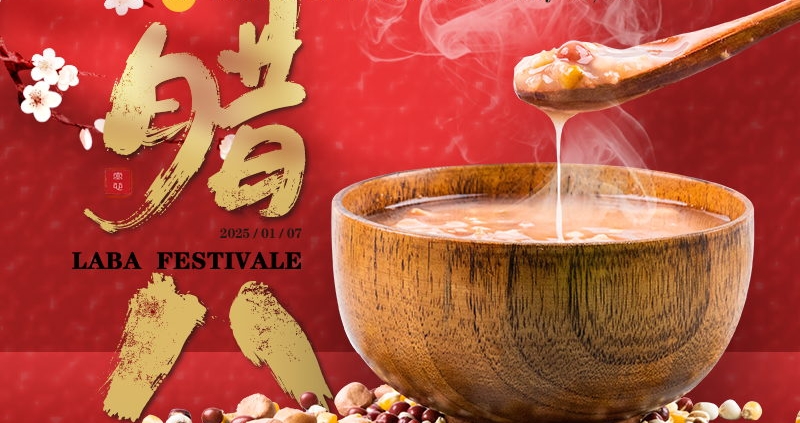
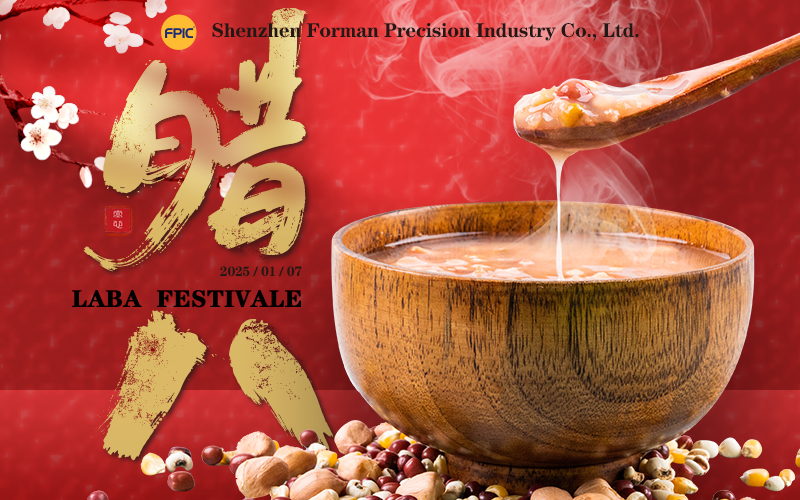
The most well-known feature of the Laba Festival is the Laba porridge (腊八粥), a special dish made from a variety of grains, beans, nuts, and dried fruits. The ingredients symbolize wealth, health, and good fortune. Traditionally, this porridge was offered to ancestors and gods, but today, it has become a popular food enjoyed by people across China, as it is believed to bring warmth and blessings for the upcoming year.

Chinese Laba Festival

How People Celebrate Laba Festival in the North and South of China

While the Laba Festival is celebrated across China, the customs vary somewhat between the north and south of the country.

Northern China:

In northern China, the Laba Festival is often marked by the making and sharing of Laba porridge. Families will cook large pots of porridge, mixing rice, red beans, peanuts, lotus seeds, dried dates, and other ingredients. This porridge is not only delicious but is believed to nourish the body and ensure good health for the year ahead.

In some regions, people also visit the temples to offer sacrifices to gods, hoping for good luck and a successful harvest. In Beijing, the famous Laba garlic (pickled garlic served with vinegar) is often prepared for consumption during the Laba Festival. This practice dates back to ancient times and is believed to ward off illness in the coming year.

Southern China:

In southern China, the customs surrounding the Laba Festival are often more centered around family and social gatherings. While Laba porridge is still common, other traditions such as making dumplings or offering sacrifices to ancestors are also widely practiced.

In addition, the southern regions often focus on the idea of family reunion and spiritual reflection, with people visiting relatives, lighting incense, and offering prayers for a prosperous new year. In some places, people also eat Laba tofu or Laba cake, made from rice flour, symbolizing wealth and longevity.

Our Company’s Laba Festival Celebration

At Shenzhen Forman Precision Industry Co., LTD, we also celebrate the Laba Festival in a meaningful way by sharing the tradition of Laba porridge with our employees. We have prepared a warm and delicious pot of Eight-Treasure Laba Porridge (八宝粥) for all our team members. The ingredients of this porridge represent our company’s values: health, prosperity, and harmony. This small gesture embodies our commitment to taking care of our employees and nurturing a positive and supportive company culture.

Laba porridge, made with a variety of nourishing ingredients, is not just food—it’s a symbol of warmth and care, and we believe it’s a wonderful way to show appreciation for our team. As we look forward to the Spring Festival, we hope that this tradition will bring a sense of joy and unity to all our employees, helping them to feel valued and connected with one another.

Laba Festival: A Time for Reflection and Gratitude

The Laba Festival reminds us of the importance of family, community, and tradition. It’s a time to reflect on the past year, offer thanks for the blessings we have received, and look ahead to the new year with hope and excitement. Just as the Laba porridge provides nourishment for the body, the festival nourishes the spirit, bringing people together and reinforcing the bonds that hold families and communities together.

As we celebrate this beautiful tradition at Shenzhen Forman Precision Industry Co., LTD, we extend our warmest wishes to all our employees, customers, and partners. May the Laba Festival bring you health, prosperity, and happiness as we move into the new year together.


References:

  • “Laba Festival: A Brief History and How it’s Celebrated.” China Culture, link.
  • “Laba Festival: Traditions and Customs.” Travel China Guide, link.
Double Ninth Festival

The Double Ninth Festival, also known as Chongyang Festival, is a traditional Chinese holiday with over 2,000 years of history. It falls on the ninth day of the ninth month of the lunar calendar. The number nine is considered a yang number in Chinese culture, and with two nines together, this festival is named Chongyang, meaning “Double Yang.”

Origin of the Double Ninth Festival:

The origins of the Double Ninth Festival date back to the Han dynasty. It was initially celebrated as a day to ward off disasters and offer sacrifices to ancestors. People believed that climbing to high places on this day could avoid bad luck and ensure health and safety for their families. Thus, climbing mountains became a significant activity. Additionally, other customs include drinking chrysanthemum wine, wearing dogwood leaves, and admiring chrysanthemums.

Double Ninth Festival

Traditional Customs of the Double Ninth Festival:

  1. Climbing High: It is believed that climbing high on the Double Ninth Festival can ward off misfortune and bring blessings, so people often hike to mountains or elevated spots to enjoy the autumn scenery.
  2. Chrysanthemum Viewing: Chrysanthemums are closely associated with the Double Ninth Festival. Ancient Chinese believed chrysanthemums could prolong life, making them an essential part of the festival.
  3. Drinking Chrysanthemum Wine: Chrysanthemum wine is believed to have medicinal properties, clearing toxins and protecting against disease. It is thought to bring good health and fortune.
  4. Wearing Dogwood: Wearing or carrying dogwood leaves is another way to ward off bad luck during the festival.
  5. Respect for the Elderly: Over time, the festival has evolved into Seniors’ Day, a day to show care and appreciation for the elderly.

Our Company’s Celebration:

At our company, we value tradition and the well-being of our employees. In honor of the Double Ninth Festival, we have prepared special gifts for all employees, including herbal health drinks and festive snacks. This reflects our commitment to employee care and appreciation for their hard work and dedication.

This festival is also an opportunity to express gratitude to our mentors and leaders at work. Just as new employees learn essential professional knowledge and skills from their seniors, this day is a reminder of the invaluable guidance and support we receive. Their experience and wisdom play a crucial role in our progress and success.

Building a Supportive Culture:

By celebrating the Double Ninth Festival together, we aim to foster a caring and supportive environment where everyone feels valued and appreciated. As we honor tradition and show respect to those who have helped us grow, we also look forward to a bright future, where all employees continue to contribute their best to the company’s success.

We invite everyone to join us in the spirit of unity, respect, and gratitude. Together, we will continue to create a culture that reflects our company’s humanistic values and mutual support.

Best wishes to all for a prosperous and healthy future!

Teacher’s Day

September 10th marks Teacher’s Day in China, a special occasion to honor and express gratitude to teachers for their guidance, wisdom, and dedication. On this day, students celebrate their teachers by holding various activities to show their appreciation. At FPIC, we recognize that this tradition of gratitude extends beyond the classroom and into the workplace, where we also have many mentors, leaders, and colleagues who guide us toward growth and success.


In our professional journey, there are countless opportunities to learn from experienced leaders and colleagues who share their valuable knowledge and expertise with us. For new employees, this guidance is especially crucial, as they receive essential professional skills and practical knowledge from their senior peers. It is through these teachings that we develop not only our skills but also our confidence and ability to contribute effectively to the company’s success.

Teacher’s Day

This Teacher’s Day, we take the opportunity to thank all the mentors in our workplace who have played a significant role in helping us learn, improve, and succeed. Whether it’s through direct instruction, leading by example, or providing consistent support, these individuals have shaped our careers and made us better professionals.


At FPIC, we value this culture of learning and mentorship. We believe that learning from others is the foundation of personal and professional development, and we encourage a work environment where knowledge-sharing and mutual respect are at the core of everything we do.


Let us extend our heartfelt gratitude to all those who have been our guides, teachers, and mentors in the workplace and in life. On this Teacher’s Day, we celebrate not only the traditional teachers but also the everyday leaders who inspire and elevate us to greater heights.


Thank you to all who teach, mentor, and support us. Your guidance makes a world of difference.


Happy Teacher’s Day to everyone!


Warm regards,

FPIC Team

Li Qiu

Today marks the arrival of Li Qiu, one of the 24 solar terms in the traditional Chinese lunar calendar. Li Qiu (立秋), which literally translates to “the beginning of autumn,” is a significant day in Chinese culture that has been observed for thousands of years. Traditionally, it is seen as the transition point from the heat of summer to the cooler, more temperate days of autumn.

Li Qiu

Understanding Li Qiu

Li Qiu usually falls around August 7th or 8th each year, depending on the solar calendar. It signals the start of autumn, but in many parts of China, the summer heat often lingers, leading to a period commonly referred to as “Autumn Tiger” (秋老虎), where temperatures can still be quite high.


In ancient China, Li Qiu was a day of great significance, often marked by rituals and celebrations. It was a time for farmers to begin preparing for the harvest season, and in some regions, people would weigh themselves and eat special foods to ward off the lingering heat and humidity. This day is also associated with hopes for a bountiful harvest and the transition from the hard work of summer to the more reflective and restful period of autumn.


FPIC’s Commitment to Employee Well-Being

At FPIC, we honor these cultural traditions while also prioritizing the health and well-being of our employees. Despite the start of autumn, the weather can remain hot and uncomfortable. To help everyone stay cool and refreshed, we have prepared Green Bean Soup and Cooling Herbal Tea for all staff members. These traditional Chinese remedies are well-known for their ability to reduce body heat, replenish fluids, and provide relief from the intense temperatures.


Green Bean Soup (绿豆汤) is a popular summer drink in China, valued for its cooling properties. It’s believed to help clear heat, detoxify the body, and prevent heatstroke. Cooling Herbal Tea (解暑茶) is another traditional beverage that often includes ingredients like chrysanthemum and honeysuckle, known for their ability to alleviate summer heat and provide a soothing effect.


Celebrating Li Qiu at FPIC

As we celebrate Li Qiu together, we reflect on the importance of balancing hard work with care for our personal well-being. This is a time for us to appreciate the changing seasons and to take a moment to care for our bodies as we transition from summer to autumn.


Providing these cooling refreshments is just one of the ways we demonstrate our commitment to creating a caring and considerate work environment. We believe that by recognizing and honoring traditional cultural practices, we can foster a sense of community and shared values among our team members.


At FPIC, we recognize the importance of nurturing both the physical and mental well-being of our employees. By celebrating these seasonal changes together and offering thoughtful gestures like cooling refreshments, we aim to create a workplace that values not only productivity but also the happiness and health of our entire team.


We look forward to enjoying this seasonal shift with everyone at FPIC, continuing our journey of growth and success together as we welcome the arrival of autumn with open hearts and a spirit of unity.

father's Day

As Father’s Day approaches, FPIC extends its warmest wishes to all the dedicated fathers among our employees. This special occasion provides us with an opportunity to recognize and celebrate the hard work and devotion of our male employees, who contribute significantly to our company’s success. We express our heartfelt gratitude for your continuous efforts and dedication.

The Origins and History of Father’s Day

Father’s Day is a day of honoring fatherhood and paternal bonds, as well as the influence of fathers in society. The modern Father’s Day was inaugurated in the early 20th century, complementing Mother’s Day. It is believed to have originated in the United States with Sonora Smart Dodd, who wanted to honor her father, a Civil War veteran who raised six children as a single parent. Celebrated on the third Sunday of June in many countries, Father’s Day has become a global event, honoring the contributions of fathers and father figures.

father's Day

Recognizing Our Valued Male Employees

At FPIC, we are proud to have a workforce where male employees constitute more than half of our team. Your hard work, commitment, and innovative spirit are the backbone of our company’s achievements. We want to acknowledge the dual role many of you play, balancing your professional responsibilities with your vital roles as fathers and family men.

Join the FPIC Family

FPIC continues to thrive, thanks to the invaluable contributions of our employees. We welcome more talented individuals to join our team and be a part of our growing family. Whether you are a father, a future father, or someone who supports and mentors others, your efforts are deeply appreciated. We are committed to fostering a supportive and inclusive environment where every employee feels valued and respected.

A Heartfelt Message to All Fathers

On this special day, FPIC extends its deepest appreciation to all fathers. Your hard work and dedication, both at home and in the workplace, do not go unnoticed. Your contributions shape the future, and for that, we are incredibly grateful.

To all the fathers at FPIC, we wish you a very Happy Father’s Day. May your day be filled with joy, love, and appreciation. Thank you for your unwavering commitment and for being a part of the FPIC family.

We look forward to celebrating many more milestones together and continuing to build a successful and nurturing workplace.

Happy Father’s Day from all of us at FPIC!

For any inquiries or more information about joining our team, please contact us at info@fpiconn.com.