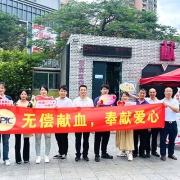
Arbor Day in China: Planting for the Future
What Is Arbor Day?
Arbor Day (植树节) in China is celebrated every year on March 12. It is a national day dedicated to planting trees, protecting forests, and promoting environmental awareness. The holiday encourages individuals, communities, and organizations to take part in tree planting and ecological protection.
For many people, Arbor Day is not only about planting trees—it represents a commitment to sustainability, responsibility, and long-term environmental care.
The Origin of Arbor Day in China
China’s Arbor Day has historical roots dating back to the early 20th century. The modern observance of the holiday was established to promote reforestation and ecological restoration.
The date March 12 was chosen to commemorate Sun Yat-sen, a pioneer of modern China who strongly advocated for forestry development and environmental protection. His vision emphasized that forests play a crucial role in improving the climate, protecting soil, and supporting sustainable development.
Over time, Arbor Day became an important national campaign encouraging citizens to participate in tree planting and environmental protection.

Why Trees Matter
Trees provide essential ecological and social benefits:
- 🌳 Improving air quality by absorbing carbon dioxide
- 🌱 Preventing soil erosion and protecting farmland
- 🌎 Supporting biodiversity and wildlife habitats
- 🌿 Enhancing urban environments and public well-being
In the context of global sustainability, planting trees is one of the simplest yet most powerful actions individuals and organizations can take to protect the environment.
Arbor Day Traditions and Activities
Across China, Arbor Day is marked by a variety of environmental activities.
1. Community Tree Planting
Schools, companies, and local communities organize tree planting events to encourage environmental awareness.
2. Environmental Education
Educational programs help young people understand ecological protection and sustainable living.
3. Urban Greening Projects
Cities often use this opportunity to promote landscaping projects and improve public green spaces.
These activities reinforce the idea that every small action contributes to a greener future.
Environmental Responsibility in Modern Society
Today, Arbor Day has become more than a symbolic celebration. It reflects growing global attention to environmental protection and sustainable development.
Businesses and industries are increasingly recognizing their role in:
- Reducing environmental impact
- Improving resource efficiency
- Supporting ecological initiatives
- Promoting responsible manufacturing
Sustainability is no longer just an environmental concept—it is an important part of responsible corporate development.
Arbor Day and FPIC’s Corporate Culture
At FPIC, the spirit of Arbor Day aligns closely with our company values.
Just as trees require time, care, and stable roots to grow, sustainable companies are built on long-term vision, responsibility, and continuous improvement.
Our corporate culture emphasizes:
- 🌱 Sustainable development in manufacturing and operations
- ⚙️ Continuous improvement in product quality and efficiency
- 🤝 Long-term partnerships with customers worldwide
- 👥 People-centered workplace values
In our daily operations, we strive to optimize production processes, improve resource utilization, and contribute to a more responsible manufacturing environment.
Growing Together for the Future
Planting a tree is a simple act, but its impact can last for decades. Arbor Day reminds us that the choices we make today shape the world of tomorrow.
As we continue to innovate and grow, FPIC remains committed to building a company that values sustainability, responsibility, and long-term progress—just like nurturing a forest that grows stronger over time.
🌳 Happy Arbor Day! Let’s grow a greener future together.
References / Notes
-
National Forestry and Grassland Administration of China – Arbor Day background
-
Encyclopaedia Britannica – Arbor Day and global tree-planting traditions
-
United Nations Environment Programme – Forest and climate initiatives
-
This article is written based on publicly available historical and environmental information for educational purposes.