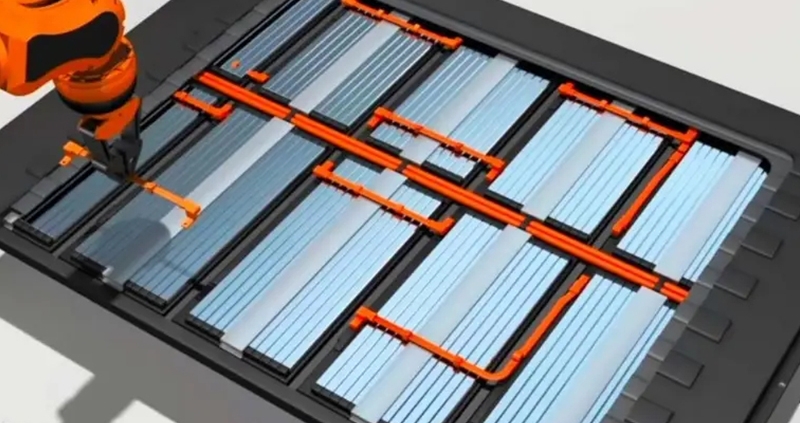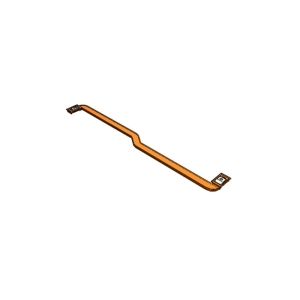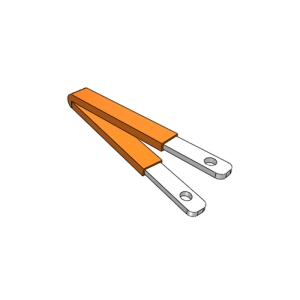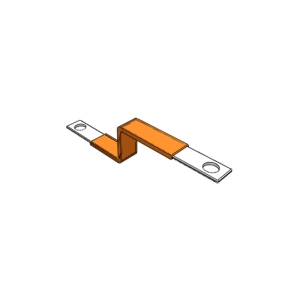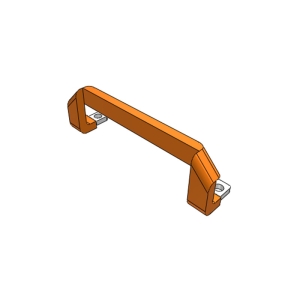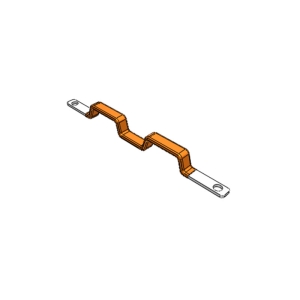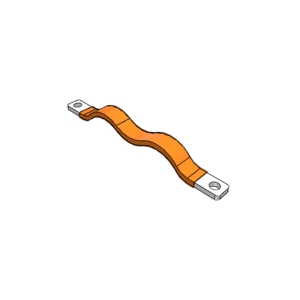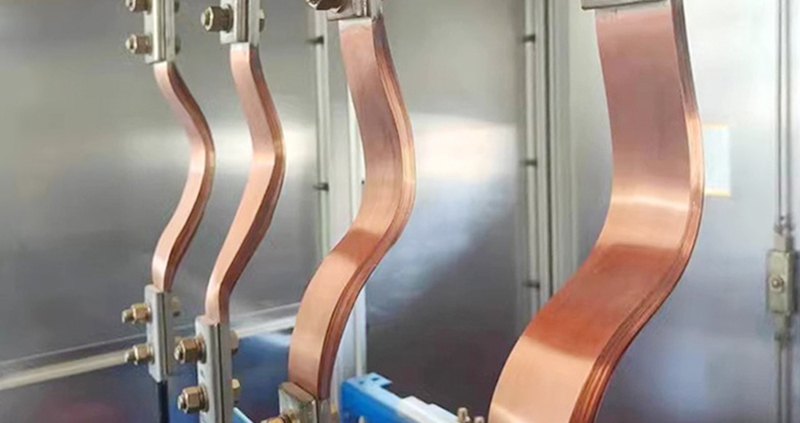
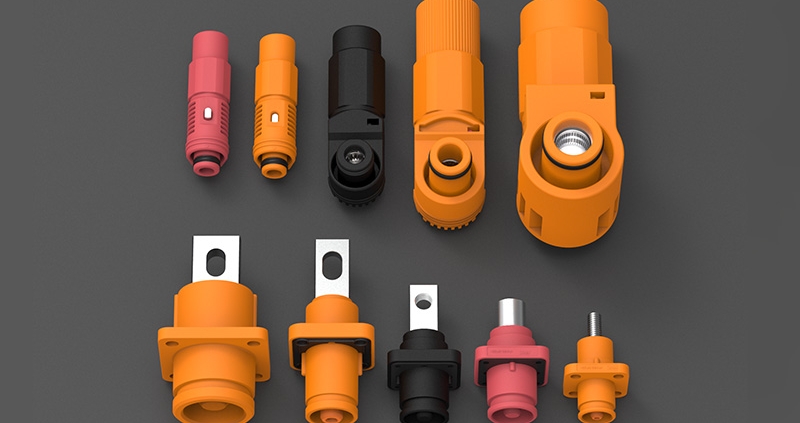
terminals

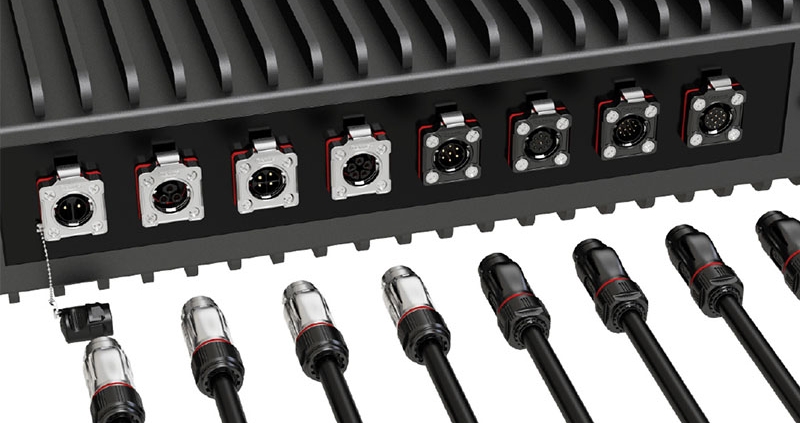
Electrical terminals play a critical role in every interconnect system. Whether used in automotive electronics, industrial equipment, new energy systems, or consumer devices, the quality of a terminal directly affects conductivity, mechanical stability, and long-term reliability.

With 23 years of precision manufacturing experience, FPIC provides a full range of customized terminals, including press-fit terminals, composite terminals, crimp terminals, and special terminals designed for complex applications. Our comprehensive R&D and automated production capabilities allow us to support both rapid prototyping and high-volume mass production for global customers.


Why Terminals Matter in Modern Electronics

As devices become more compact and performance-driven, terminals must deliver:

  • Stable electrical conductivity

  • Mechanical strength under vibration

  • Heat resistance and corrosion resistance

  • Precise tolerances for automated assembly

  • Long-term durability over thousands of cycles

High-quality terminals ensure secure connections and reduce failure rates in demanding environments such as automotive, industrial automation, robotics, and energy storage systems.

FPIC’s terminal solutions are engineered to meet these requirements under strict automotive-grade standards.

terminals


1. Press-Fit Terminals

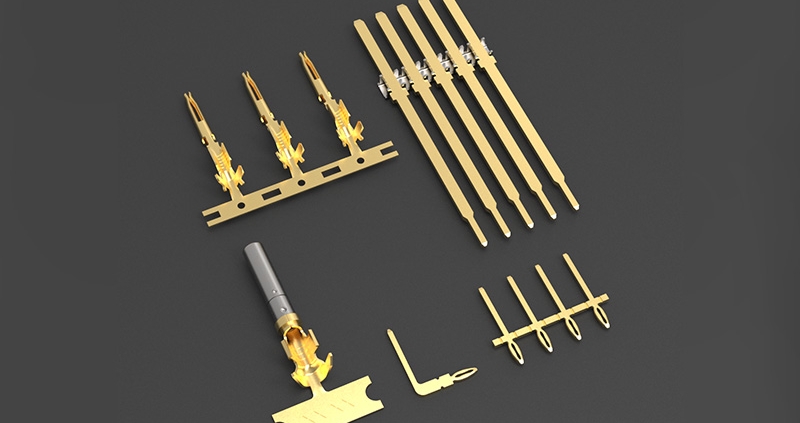
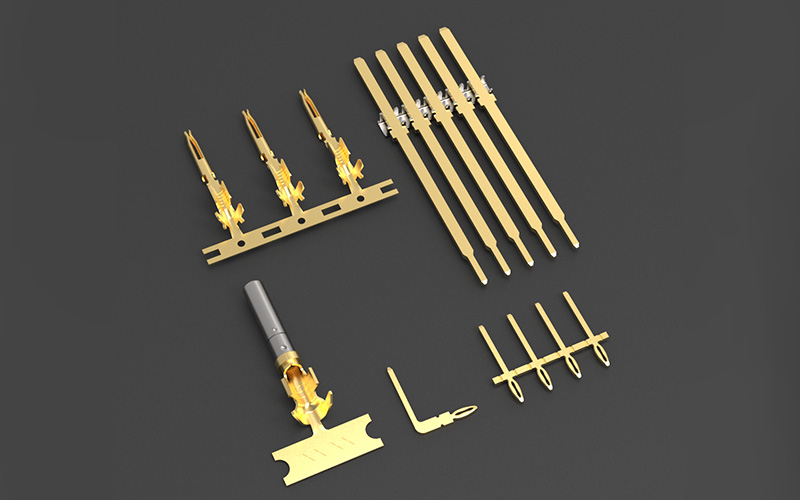
Press-fit terminals are designed for solderless PCB insertion, providing secure mechanical retention and excellent conductivity. They allow for:

  • Heat-free PCB assembly

  • Reduced production defects

  • Strong insertion force retention

  • High current-carrying capability

FPIC offers fully customized geometries, plating options, and materials. Our terminals comply with automotive cleanliness and dimensional requirements suitable for high-reliability applications such as car electronics, control units, and power modules.


2. Composite Terminals

Composite terminals integrate multiple metal structures into a single component—ideal for customers requiring complex performance characteristics.

Advantages include:

  • Engineered multi-layer designs

  • Improved structural strength

  • Optimized current paths

  • High precision for automated assembly

FPIC utilizes advanced stamping, welding, and component integration processes to deliver composite terminals tailored to unique product requirements.


3. Crimp Terminals

Crimp terminals remain one of the most widely used terminal types, providing secure wire-to-terminal contact through controlled deformation.

FPIC’s crimp terminals offer:

  • Reliable pull-out force

  • Consistent crimp height tolerances

  • Compatibility with automatic crimping equipment

  • High-speed mass production

These terminals are ideal for wire harnesses, automotive connectors, industrial control systems, and many other wiring applications.


4. Customized Terminal Solutions

FPIC specializes in developing fully customized terminals based on customer drawings, electrical requirements, and end-use applications.

Customization includes:

  • Unique shapes and locking structures

  • Plating materials and thickness (e.g., gold, tin, silver)

  • High-temperature and high-voltage performance

  • Multi-step forming and progressive stamping

  • Surface treatments and secondary machining

All terminal projects follow a zero-risk development process, covering simulation, prototyping, validation, and mass-production readiness.


FPIC’s Manufacturing Strengths

Automated Production

Our stamping and terminal assembly lines are fully automated, ensuring:

  • High precision forming

  • Consistent quality

  • Lower defect rates

  • High throughput capacity

Automotive-Grade Quality

FPIC meets global standards, ensuring long-term reliability:

  • IATF 16949 certified

  • VDA 19.1 / ISO 16232 cleanliness compliant

  • Terminal plating reliability tested for corrosion, wear, and conductivity

Trusted by Global Brands

FPIC is a Tier-2 supplier to major automotive manufacturers such as:
BMW, VW, Porsche, Renault, Ford, and many others.

This reflects our ability to deliver stable quality, fast response, and scalable production capacity.


Applications of FPIC Terminals

Our terminals are used across:

  • Automotive control modules

  • Energy storage systems

  • Industrial machinery

  • Robotics & automation

  • Communication devices

  • Consumer electronics

  • Medical equipment

Every terminal is engineered to provide stable performance even in harsh or high-demand environments.


Conclusion

Terminals may be small components, but they are essential for the reliability of any electrical system. With advanced engineering, automated production, and strict quality controls, FPIC delivers terminal solutions that meet the evolving needs of global industries.

Whether you need press-fit, composite, crimp, or fully customized terminals, FPIC provides end-to-end support from concept to mass production.

📩 Contact FPIC: info@fpiconn.com
🔗 https://fpiconn.com

Fluid Connectors

Introduction

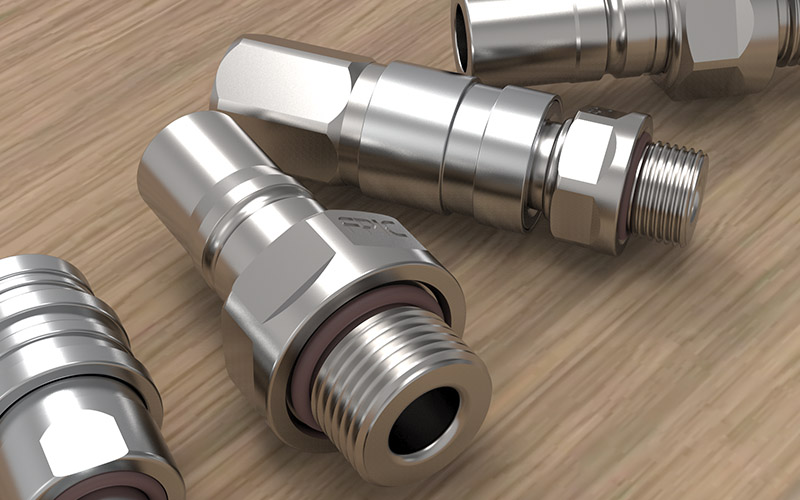
Selecting the right fluid connector is crucial for ensuring efficient, safe, and leak-free fluid transfer in industrial applications. Whether used in automotive, aerospace, medical, or industrial automation, the wrong connector can lead to system failures, leaks, and costly downtime.

At Shenzhen Forman Precision Industry Co., LTD (Forman), we specialize in high-performance fluid connectors designed to meet demanding industry requirements. In this guide, we’ll explore the key factors to consider when choosing a fluid connector to ensure optimal performance and reliability.


1. Understand Your Application Needs

Before selecting a fluid connector, it’s important to analyze your specific application requirements, including:

✔️ Type of Fluid – Is the system handling water, oil, chemicals, hydraulic fluid, or gas? The material and sealing must be compatible with the fluid.
✔️ Operating Pressure & Temperature – Choose a connector that can withstand high or low pressures and extreme temperatures.
✔️ Environmental Conditions – Will the connector be exposed to corrosion, moisture, dust, or vibration?
✔️ Connection & Disconnection Frequency – If frequent changes are required, a quick-connect push-pull mechanism can improve efficiency.

By understanding your specific use case, you can ensure your fluid connector meets performance, safety, and durability standards.


2. Consider the Material & Durability

The material of a fluid connector affects its strength, resistance, and longevity. Common options include:

? Stainless SteelHighly corrosion-resistant, ideal for harsh environments, chemical exposure, and high temperatures.
? Aluminum – Lightweight and durable, often used in aerospace and automotive applications.
? Brass – Good for general industrial applications, offering a balance of durability and cost-effectiveness.
? Plastic & Composite Materials – Suitable for low-pressure applications, lightweight, and resistant to chemicals.

At Forman, our stainless steel connectors are built for maximum durability and corrosion resistance, ensuring long service life in demanding environments.


3. Choose the Right Locking & Connection Type

Different applications require different locking mechanisms to ensure secure and reliable fluid transfer. The most common types include:

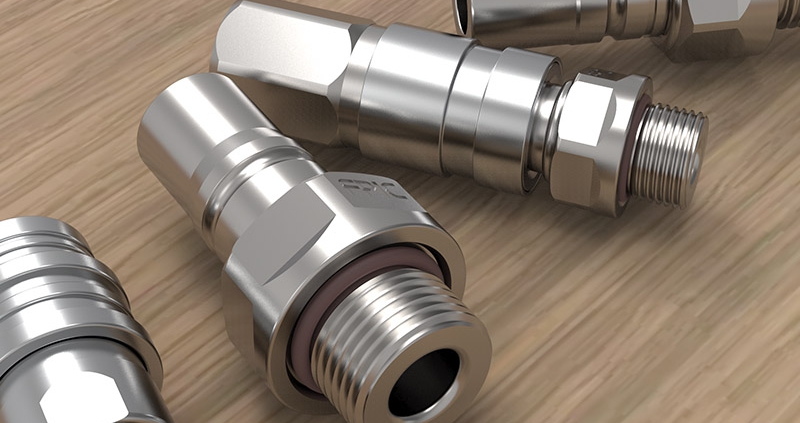
✔️ Push-Pull Self-Locking Connectors – Quick, one-handed connection and disconnection, perfect for frequent use and fast assembly.
✔️ Threaded Connectors – Secure, high-pressure connections that require tightening but provide strong sealing.
✔️ Bayonet Coupling – Twist-lock connectors that ensure vibration resistance in high-movement applications.
✔️ Snap-On & Quick-Release Couplings – Designed for fast maintenance and tool-free assembly.

For industrial automation, medical devices, and fluid cooling systems, push-pull locking connectors offer ease of use, safety, and efficiency.


4. Ensure Leak-Proof & High-Sealing Performance

A leak-proof seal is essential for fluid efficiency, safety, and system reliability. The right sealing material should match your application’s fluid type and operating conditions.

? O-Ring & Gasket Seals – Prevent leaks and are available in various materials (NBR, EPDM, PTFE, Viton) depending on fluid compatibility.
? Metal-to-Metal Sealing – Common in high-pressure hydraulic and gas systems, providing excellent durability.
? Multi-Layer Seals – Used for extreme environments where temperature or pressure fluctuations are significant.

At Forman, our fluid connectors feature advanced sealing technology to prevent leaks even under high pressure and temperature fluctuations.


5. Verify Industry Standards & Certifications

When selecting a fluid connector, ensure it meets industry standards to guarantee quality, performance, and safety compliance. Key certifications include:

VDA 19.1 & ISO 16232-10 – Ensuring technical cleanliness for automotive and industrial applications.
IATF 16949 – Quality management standard for automotive manufacturing.
ISO 9001 – General quality assurance for consistent manufacturing.
IP67/IP68 Waterproof Ratings – Protection against dust and water ingress.

At Forman, we manufacture fully compliant fluid connectors to meet the highest industry standards for cleanliness, durability, and safety.

Fluid Connectors


6. Select the Right Connector Size & Flow Capacity

Fluid connectors must match the flow rate and system size to avoid pressure loss or restricted flow.

✔️ Hose & Port Compatibility – Ensure that the connector size matches the hose diameter and system fittings.
✔️ Flow Rate Requirements – Larger connectors allow higher fluid flow, while smaller ones are optimized for precision fluid transfer.
✔️ Pressure Drop Considerations – Selecting the correct connector bore size prevents energy loss and system inefficiency.

Forman provides customized fluid connectors to ensure perfect compatibility with your system specifications.


7. Assess Ease of Installation & Maintenance

A well-designed fluid connector should offer:

? Tool-Free Installation – Push-pull connectors allow quick, one-handed operation.
? Clear IdentificationColor-coded or labeled ports prevent connection errors.
? Durable & Low-Maintenance Design – High-quality materials reduce wear and tear, minimizing downtime.

At Forman, we design fluid connectors for quick installation, reducing labor time and improving overall efficiency.


Why Choose Forman’s Fluid Connectors?

At Forman, we provide precision-engineered fluid connectors designed for leak-proof, durable, and efficient performance in industrial applications. Our solutions offer:

✔️ High-quality stainless steel & aluminum construction for durability.
✔️ Advanced sealing technology for leak-proof connections.
✔️ Push-pull quick-locking mechanisms for ease of use.
✔️ Custom solutions to meet industry-specific requirements.
✔️ Certified manufacturing (ISO 9001, IATF 16949, VDA 19.1) ensuring global compliance.

? Looking for the perfect fluid connector for your system? Forman has the solution! ?

? Contact us today! info@fpiconn.com
? Explore our products: [Fluid Connectors]


Conclusion

Choosing the right fluid connector ensures efficient, leak-free, and long-lasting fluid transfer in industrial applications. By considering fluid compatibility, pressure requirements, locking mechanisms, sealing technology, and industry standards, you can select a connector that enhances performance and reliability.

At Forman, we are committed to delivering high-quality fluid connector solutions that meet the highest performance, cleanliness, and safety standards.

? Upgrade your fluid transfer systems today with Forman’s premium fluid connectors!

? Get in touch with us! info@fpiconn.com
? Learn more about our solutions: [Customization Solutions]

FPIC circular connectors

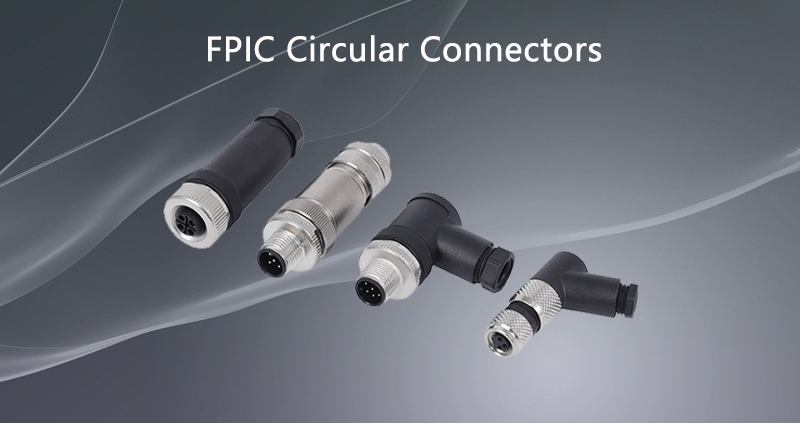
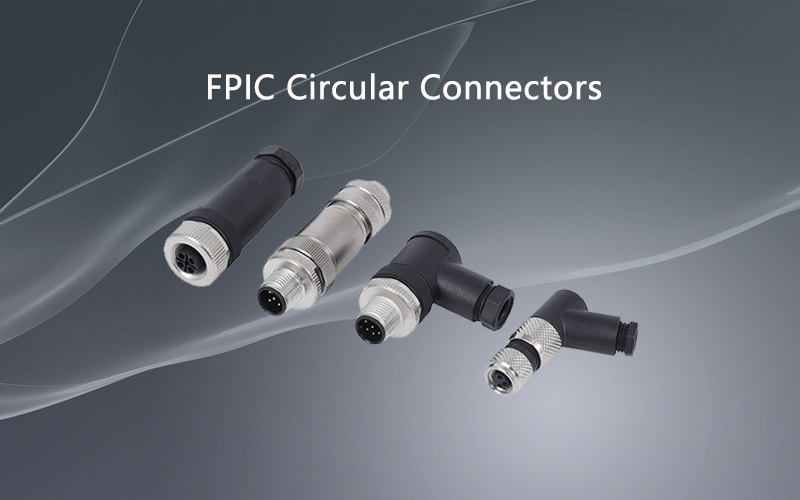
In the world of industrial connectivity, M12 connectors are synonymous with reliability and efficiency. At Shenzhen Forman Precision Industry Co., Ltd., we understand the critical role these connectors play in a myriad of applications. Whether you’re dealing with factory automation, transportation, or harsh environmental conditions, selecting the right M12 connector is paramount. This guide will walk you through the essential considerations to ensure you choose the connector that best suits your needs.

FPIC circular connectors

Decoding M12 Connectors

M12 connectors are distinguished by their 12mm locking thread and are engineered to withstand demanding industrial environments. They offer solutions for power, signal, and data transmission with various coding options to prevent mismating and ensure device compatibility. Here’s a quick overview of the M12 coding system:


  •  A-coded: Ideal for sensors, actuators, and DC power.
  •  B-coded: Best suited for fieldbus connections.
  •  D-coded: The choice for industrial Ethernet and Profinet.
  •  X-coded: High-speed data transmission, including Gigabit Ethernet.

Selecting the Perfect Match

Environmental Adaptability

Consider the operating conditions. Will the connector face extreme temperatures, corrosive substances, or constant vibration? Our connectors are designed to thrive under such conditions.


Electrical Compatibility

Match the connector’s pin count and configuration with your application’s voltage and current demands. We offer a range of options to fit various electrical requirements.


Data Integrity

For applications involving data, the integrity and speed of transmission are crucial. Our D-coded and X-coded connectors are designed to meet the demands of high-speed Ethernet.


Space Efficiency

Our M12 connectors are crafted to maximize space without compromising on performance. Ensure there’s adequate room for installation and future maintenance.


Quality Assurance

Shenzhen Forman Precision Industry Co., Ltd. is committed to providing top-quality connectors that meet stringent industry standards. Our products are a testament to our dedication to excellence.


Connect with Confidence

Choosing the right M12 connector doesn’t have to be complex. With our expertise and comprehensive range of connectors, Shenzhen Forman Precision Industry Co., Ltd. is here to assist you in making an informed decision. Contact us today to discuss your requirements, and let us help you find the connector that powers your application to success.

Automotive connectors play a crucial role in modern vehicles, linking electrical and electronic systems to ensure smooth operation. From basic wiring to advanced vehicle control systems, the reliability of automotive connectors directly impacts a vehicle’s performance and safety. At Shenzhen Forman Precision Industry Co., Ltd., a leading manufacturer of automotive connector solutions with IATF 16949 certification, we understand the importance of delivering top-tier products to our clients. Below, we outline the 10 key features of reliable automotive connectors to help you make informed decisions.

Automotive Connectors


1. Durability in Harsh Environments

One of the most important features of a reliable automotive connector is its ability to withstand harsh environmental conditions. Connectors must perform consistently in:

  • Extreme temperatures (-40°C to 125°C or higher).
  • High vibration environments.
  • Exposure to moisture, dust, oil, and other contaminants.

Waterproof and weatherproof connectors, like IP-rated sealed connectors, are vital for applications exposed to external elements.


2. High Electrical Conductivity

A reliable automotive connector ensures minimal resistance and efficient transmission of power or signals. The use of high-quality materials, such as copper or copper alloys with protective coatings, enhances conductivity and reduces energy loss.


3. Resistance to Corrosion

Connectors are often exposed to corrosive environments, including road salt, moisture, and chemicals. Reliable automotive connectors are designed with anti-corrosion plating, such as tin, nickel, or gold, to protect terminals and extend their lifespan.


4. Secure and Stable Connections

A well-designed connector provides a secure and stable connection to prevent accidental disconnections caused by vibrations or movement. Features such as locking mechanisms (e.g., ramp locking or latch systems) are essential for keeping the connector in place, even under challenging conditions.


5. Compact and Lightweight Design

With the increasing complexity of modern vehicles, space optimization is critical. Reliable automotive connectors are compact yet robust, allowing them to fit seamlessly into tight spaces without compromising performance. Lightweight materials also contribute to overall vehicle efficiency, especially in electric vehicles (EVs).


6. High Voltage and Current Handling

As vehicles, particularly EVs and hybrids, rely on high-voltage systems, connectors must handle increased power loads. Reliable connectors are engineered to safely transmit high currents while minimizing heat buildup, ensuring consistent performance in power-hungry systems.


7. Compatibility with Modern Vehicle Systems

Automotive connectors must meet the evolving needs of the industry, including:

  • Support for advanced driver-assistance systems (ADAS).
  • High-speed data transmission for infotainment and IoT features.
  • Compliance with EV-specific powertrain and charging systems.

At Forman Precision, we specialize in customizable solutions that integrate seamlessly with the latest vehicle technologies.


8. Easy Installation and Maintenance

Time efficiency is crucial for assembly and repairs. Automotive connectors should feature intuitive designs, such as plug-and-play compatibility or pre-terminated wiring, to simplify installation and reduce downtime.


9. High-Quality Manufacturing Standards

Reliable connectors are manufactured to meet stringent industry standards, ensuring consistency and safety. Look for suppliers with certifications like IATF 16949, which demonstrates adherence to automotive quality management systems. At Forman, we guarantee precision and quality in every product we deliver.


10. Customization for Specific Applications

Every vehicle model has unique requirements, and reliable connectors often need to be tailored to specific applications. Whether it’s a high-voltage connector for EVs, a sealed connector for off-road vehicles, or a specialized connector for infotainment systems, customization is a key feature of dependable connectors.


Why Choose Shenzhen Forman for Automotive Connectors?

At Shenzhen Forman Precision Industry Co., Ltd., we offer comprehensive solutions for all your automotive connector needs, including:

  • Custom designs to match your specific requirements.
  • Compliance with IATF 16949 quality standards.
  • A wide range of products, including waterproof connectors, high-voltage connectors, and wire harness solutions.
  • Advanced manufacturing technology for reliable and durable connectors.

Our connectors are built to meet the demands of modern vehicles, ensuring superior performance and safety.


Applications of Automotive Connectors

Reliable automotive connectors are essential in numerous systems, including:

  • Powertrain and engine management systems.
  • ADAS and autonomous driving technologies.
  • Infotainment and IoT integration.
  • Battery management systems for EVs.
  • Safety features like airbags and ABS.

Partner with Us for Reliable Connector Solutions

If you’re looking for high-quality, reliable automotive connectors, Shenzhen Forman Precision Industry Co., Ltd. is your trusted partner. With years of experience and industry-leading expertise, we deliver solutions that exceed customer expectations.

For inquiries or assistance, contact us at info@fpiconn.com.


References

  1. Marinello, F., & Bariani, P. (2019). Wiring harness manufacturing: A survey on technologies and applications. Journal of Manufacturing Systems, 53, 168-186.
  2. ISO/TS 16949: Quality Management Systems – Particular requirements for the application of ISO 9001 for automotive production and relevant service part organizations. International Organization for Standardization (ISO), 2016.
  3. Sharma, S., & Bhardwaj, A. (2021). The future of electric vehicle components: Automotive connectors and their importance. International Journal of Automotive Studies, 12(3), 45-55.
  4. Mouser Electronics. (2022). An introduction to automotive connectors and their applications. Retrieved from: www.mouser.com
M8 Electrical Connectors

M8 electrical connectors have become a cornerstone in numerous industrial, automation, and control applications. These compact, reliable, and durable connectors are specifically designed for signal and power transmission in rugged environments. Choosing the right M8 connector can make or break the efficiency and reliability of your system. In this article, we’ll guide you through the essentials of M8 electrical connectors, their features, applications, and top picks to help you make an informed choice.


What Are M8 Electrical Connectors?

M8 electrical connectors are compact circular connectors featuring an 8mm locking thread diameter. They are widely used in industrial automation, factory equipment, sensors, and actuators. M8 connectors typically serve signal and data transmission needs, making them ideal for low-power applications.

Their durable construction and IP-rated sealing ensure protection against dust, water, and harsh environmental factors, making them perfect for demanding applications.


Applications of M8 Electrical Connectors

The versatility and reliability of M8 connectors make them indispensable in the following industries:

  1. Industrial Automation
    M8 connectors are commonly used in sensors, actuators, and machine vision systems for seamless data and power transmission.
  2. Robotics
    In robotics, M8 connectors ensure high-speed signal transmission and compact connectivity to meet the space constraints of robotic systems.
  3. Transportation
    M8 connectors are ideal for transportation systems due to their rugged design, ensuring reliable connections in vibration-prone environments.
  4. Process Control
    M8 connectors facilitate communication between control units and sensors, ensuring smooth operation in process industries like oil, gas, and chemicals.
  5. Lighting Solutions
    Compact M8 connectors are also used in LED lighting systems for secure power connections.

Key Features of M8 Electrical Connectors

  • Compact Design: Small footprint, perfect for tight spaces.
  • High Reliability: Gold-plated contacts for robust signal and power transmission.
  • IP Ratings: IP65/IP67 waterproofing to protect against water and dust.
  • Versatility: Wide range of configurations, including 3-pin, 4-pin, 5-pin, and more.
  • Easy Installation: Screw-lock mechanisms for secure connections.
  • Temperature Resistance: Operates in extreme temperatures, suitable for harsh environments.

Top Picks for M8 Electrical Connectors

1. Straight M8 Male/Female Connectors

Straight M8 connectors are a staple for industrial environments. They are perfect for connecting sensors and actuators to machine controllers.

2. Right-Angle M8 Connectors

Right-angle connectors are ideal for tight spaces where a straight connector might not fit. They maintain secure connections without compromising on space.

3. M8 Shielded Connectors

Shielded M8 connectors protect against electromagnetic interference, making them perfect for data-heavy applications such as industrial Ethernet.

4. M8 Field-Attachable Connectors

Field-attachable connectors allow users to customize cable lengths, making them a flexible solution for dynamic projects.

5. Pre-Molded M8 Connectors

Pre-molded M8 connectors offer quick plug-and-play installation, reducing assembly time and ensuring reliable performance.


Choosing the Right M8 Connector for Your Application

When selecting an M8 connector, consider the following factors:

  • Application Requirements: Determine if the connector is for power, data, or signal transmission.
  • Pin Configuration: Choose the appropriate pin configuration based on your circuit requirements.
  • Cable Length and Type: Ensure the cable suits your operational environment and length requirements.
  • IP Rating: Select connectors with adequate protection against environmental hazards.
  • Material: Ensure the connectors have durable housings, such as metal or high-quality plastic, for longevity.

Why Choose Shenzhen Forman Precision Industry Co., Ltd for M8 Electrical Connectors?

At Shenzhen Forman Precision Industry Co., Ltd, we pride ourselves on delivering high-quality, customized M8 electrical connector solutions. With over 20 years of experience in the connector and wiring harness industry, we offer:

  • Tailored designs to meet specific project requirements.
  • End-to-end solutions, including product design, mold manufacturing, and automated assembly.
  • Products tested to meet international standards like IP65/IP67, ensuring durability and reliability.
  • Competitive pricing and fast delivery timelines.

We are committed to providing zero-risk product development, ensuring our connectors exceed your expectations.


Conclusion

M8 electrical connectors are an essential component for reliable and efficient industrial and automation applications. Whether you need a connector for signal transmission, power supply, or data exchange, selecting the right M8 connector is crucial. At Shenzhen Forman Precision Industry Co., Ltd, we offer high-quality and customizable solutions for all your connector needs.

For inquiries or to explore our range of M8 connectors, feel free to contact us today. Let us help you find the perfect solution for your project! Send inquiry to info@fpiconn.com.


References

  • Bobbio, A., et al. (2021). Industrial applications of circular connectors. Automation Journal, 78(5), 342-359.
  • Smith, R., & Collins, J. (2020). Compact connectors for industrial automation: A technical guide. Journal of Industrial Electronics and Applications, 45(2), 128-141.
Copper busbar coatings

Copper busbars are a critical component of electrical and power distribution systems, widely used in industries such as automotive, renewable energy, telecommunications, and industrial automation. While copper is highly conductive and durable, it is also susceptible to corrosion in certain environments. To enhance its performance and longevity, a variety of coating options are applied to copper busbars. Choosing the right coating is vital for ensuring optimal performance and meeting application-specific requirements.

At Shenzhen Forman Precision Industry Co., Ltd, we specialize in manufacturing and customizing copper busbars with a range of coating options to suit diverse industrial needs. In this comprehensive guide, we’ll explore different coating options for copper busbars, their benefits, and factors to consider when selecting the best coating for your application.


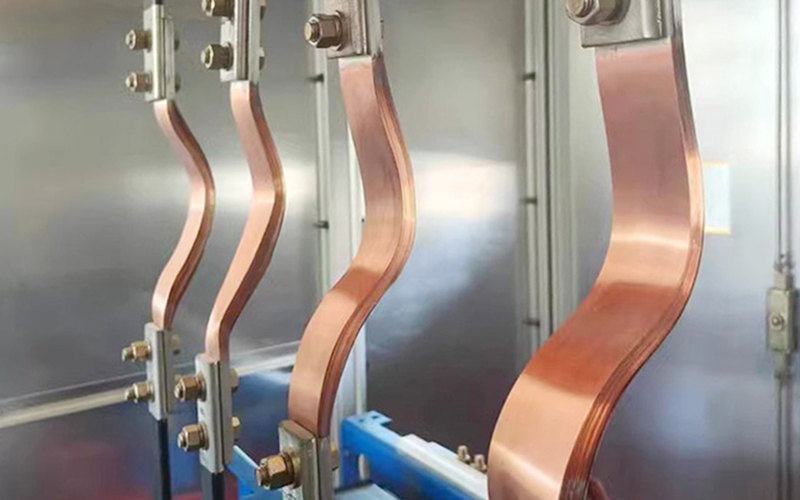
Busbar Flexible Connector copper foil soft connection  Copper Foil Flexible ConnectorCopper Busbar Copper Strip Flexible Busbar Soft Copper Connectors

1. Why Do Copper Busbars Need Coatings?

While copper offers excellent electrical conductivity and thermal performance, it is vulnerable to corrosion and oxidation when exposed to harsh environments, such as high humidity, extreme temperatures, or chemical exposure. Applying coatings to copper busbars provides:

  • Corrosion Resistance: Prevents surface degradation due to environmental exposure.
  • Enhanced Durability: Protects against mechanical wear and extends the lifespan of the busbar.
  • Improved Safety: Reduces electrical arcing and other safety risks in high-voltage applications.
  • Customizable Aesthetics: Coatings can provide a polished, professional appearance.

2. Common Coating Options for Copper Busbars

2.1. Tin Plating

Tin plating is one of the most common coatings for copper busbars due to its excellent corrosion resistance and affordability.

  • Key Benefits:
    • Protects against oxidation and rust.
    • Ensures long-term electrical contact stability.
    • Ideal for applications in high-humidity environments.
  • Best Applications: Tin-plated copper busbars are widely used in automotive, energy storage, and electrical panels.

2.2. Nickel Plating

Nickel plating provides a higher level of hardness and wear resistance compared to tin. It also offers moderate corrosion protection and an aesthetically appealing finish.

  • Key Benefits:
    • High resistance to wear and abrasion.
    • Provides a bright, reflective surface finish.
    • Suitable for high-temperature environments.
  • Best Applications: Used in industrial equipment, aerospace systems, and high-temperature applications.

2.3. Silver Plating

Silver plating is known for its exceptional electrical conductivity and anti-corrosion properties. This premium coating is often used for demanding applications requiring superior performance.

  • Key Benefits:
    • Highest conductivity among common coatings.
    • Excellent thermal and electrical stability.
    • Provides high corrosion resistance, even in extreme environments.
  • Best Applications: Silver-plated copper busbars are common in renewable energy, power distribution, and critical automotive systems.

2.4. Epoxy Powder Coating

Epoxy powder coating is a non-metallic option that provides a durable and insulating surface for copper busbars.

  • Key Benefits:
    • Superior resistance to chemicals, UV rays, and physical impact.
    • Provides electrical insulation, preventing electrical arcing.
    • Available in various colors for easy identification.
  • Best Applications: Used in outdoor installations, renewable energy projects, and power grids.

2.5. Gold Plating

Gold plating is an advanced coating option that offers unparalleled conductivity and corrosion resistance, often reserved for high-performance applications.

  • Key Benefits:
    • Extremely high corrosion resistance.
    • Exceptional conductivity for critical electrical connections.
    • Long-term durability with minimal maintenance.
  • Best Applications: Gold-plated copper busbars are used in high-frequency and mission-critical systems, such as telecommunications and aerospace industries.

2.6. Oxide Coating

Oxide coating, also known as black oxide coating, is a cost-effective surface treatment that provides moderate corrosion resistance and improves surface appearance.

  • Key Benefits:
    • Prevents surface oxidation.
    • Improves solderability and electrical contact.
    • Cost-effective for general use.
  • Best Applications: Oxide-coated busbars are often used in general industrial and commercial applications.

3. Factors to Consider When Selecting a Coating for Copper Busbars

When choosing the right coating for your copper busbars, consider the following factors:

  • Environmental Conditions: Determine the level of humidity, temperature, and chemical exposure the busbars will face.
  • Electrical Requirements: Applications requiring higher conductivity or insulation will influence your coating choice.
  • Mechanical Durability: Choose coatings that can withstand abrasion and physical impact in your application.
  • Cost Constraints: Balance performance needs with budget limitations.
  • Regulatory Compliance: Ensure coatings meet industry-specific regulations and standards, such as RoHS or UL certifications.

4. Advantages of Shenzhen Forman Precision Industry Co., Ltd

At Shenzhen Forman Precision Industry Co., Ltd, we take pride in offering high-quality, customized copper busbars with a variety of coating options to meet diverse industry demands. Here’s why we stand out:

  • Custom Solutions: We design and manufacture busbars with coatings tailored to your specific needs.
  • Advanced Manufacturing: Our state-of-the-art equipment ensures precision and consistency in every product.
  • High Standards: All our products comply with ISO9001, IATF16949, and other global certifications.
  • Competitive Pricing: We provide cost-effective solutions without compromising quality.
  • After-Sales Support: Our team is committed to providing ongoing technical support and assistance.

5. Conclusion

Choosing the right coating for your copper busbars is essential for enhancing performance, durability, and safety in electrical systems. By understanding the benefits of different coating options such as tin, nickel, silver, or epoxy powder, you can make an informed decision based on your application’s unique requirements.

Partner with Shenzhen Forman Precision Industry Co., Ltd for premium copper busbar solutions designed to exceed expectations. With a commitment to innovation and customer satisfaction, we provide tailored products and services to meet your needs.

For more information or inquiries, contact us at info@fpiconn.com today!


References

  1. Copper Busbar Coating Options Explained – Electrical Engineering Journal.
  2. Improving Busbar Performance with Surface Treatments – Power & Energy Insights.
Copper Busbar Supplier

Copper busbars are essential components in a variety of industries, including automotive, energy, industrial equipment, and telecommunications. Their reliability, conductivity, and durability make them critical for power distribution and electrical systems. However, finding the right supplier for copper busbars can be challenging. At Shenzhen Forman Precision Industry Co., Ltd, we understand the importance of selecting the perfect supplier to meet your needs. Here are 10 key considerations to guide you through the decision-making process:

Copper Busbar Supplier


1. Material Quality

The quality of copper used in busbars directly impacts their electrical conductivity and performance. Ensure that the supplier provides high-purity copper (e.g., 99.9% pure) to guarantee minimal energy loss and optimal efficiency. Shenzhen Forman Precision Industry Co., Ltd uses only premium materials to ensure long-lasting, high-performance copper busbars.


2. Customization Capabilities

Every project has unique requirements. A reliable supplier should offer customization options for dimensions, shapes, coatings, and other specifications. At Shenzhen Forman, we specialize in designing and manufacturing custom copper busbars tailored to your exact needs, ensuring seamless integration into your applications.


3. Advanced Manufacturing Techniques

Modern manufacturing processes like CNC machining, stamping, and automated bending ensure precise and consistent production. Suppliers who invest in advanced equipment and technology can deliver high-quality products at competitive costs. Our state-of-the-art facilities at Shenzhen Forman enable us to provide precision manufacturing for even the most complex busbar designs.


4. Compliance with Industry Standards

Ensure that the supplier adheres to global industry standards, such as ISO, RoHS, and UL certifications. This guarantees product reliability, safety, and environmental compliance. Shenzhen Forman Precision Industry Co., Ltd operates under strict quality control systems and complies with major certifications to meet global market demands.


5. Thermal and Electrical Performance

Copper busbars must maintain excellent conductivity and thermal management under various conditions. Evaluate the supplier’s ability to design busbars that can handle specific voltage, current, and heat requirements without compromising performance.


6. Surface Treatment Options

Surface treatments such as tin plating, nickel plating, or powder coating protect busbars from corrosion and enhance durability. Make sure your supplier offers multiple finishing options to suit different environments. Shenzhen Forman provides a wide range of coating solutions, ensuring your busbars meet both aesthetic and functional requirements.


7. Delivery Time and Scalability

A reliable supplier should meet deadlines and scale production to accommodate your growing needs. Shenzhen Forman offers flexible manufacturing capacities and efficient delivery systems, ensuring your projects stay on schedule.


8. Cost-Effectiveness

While quality is paramount, affordability is also a critical factor. Look for suppliers offering competitive pricing without compromising on performance. With Shenzhen Forman’s streamlined manufacturing processes and bulk production capabilities, we provide cost-effective solutions that don’t sacrifice quality.


9. Expertise in Diverse Applications

Choose a supplier with experience across various industries, such as automotive, renewable energy, and industrial automation. Shenzhen Forman Precision Industry Co., Ltd has decades of experience serving diverse markets, making us a trusted partner for your copper busbar needs.


10. After-Sales Support

Strong after-sales service ensures you get the technical support and guidance you need for installation, troubleshooting, and maintenance. Shenzhen Forman prioritizes customer satisfaction with comprehensive after-sales support and a dedicated team of experts.


Why Choose Shenzhen Forman Precision Industry Co., Ltd?

At Shenzhen Forman Precision Industry Co., Ltd, we combine decades of industry expertise with cutting-edge manufacturing capabilities to deliver copper busbars that exceed expectations. From raw material selection to design, development, and delivery, we are committed to providing high-quality, reliable, and cost-effective solutions for our global customers.


Conclusion
Choosing the right copper busbar supplier is critical to ensuring the efficiency and durability of your electrical systems. By considering factors like material quality, customization, compliance, and support, you can make an informed decision. Trust Shenzhen Forman Precision Industry Co., Ltd to be your partner in success, delivering world-class copper busbars and comprehensive services to power your projects.

For inquiries and custom solutions, contact us today at info@fpiconn.com.

Heat Sink Supplier

Introduction:

Choosing the right heat sink supplier is crucial for ensuring optimal thermal management and performance in your electronic devices. With numerous suppliers offering a variety of heatsink solutions, selecting the best partner for your specific requirements can be challenging. In this article, we’ll discuss key factors to consider when choosing a heat sink supplier to meet your needs effectively.

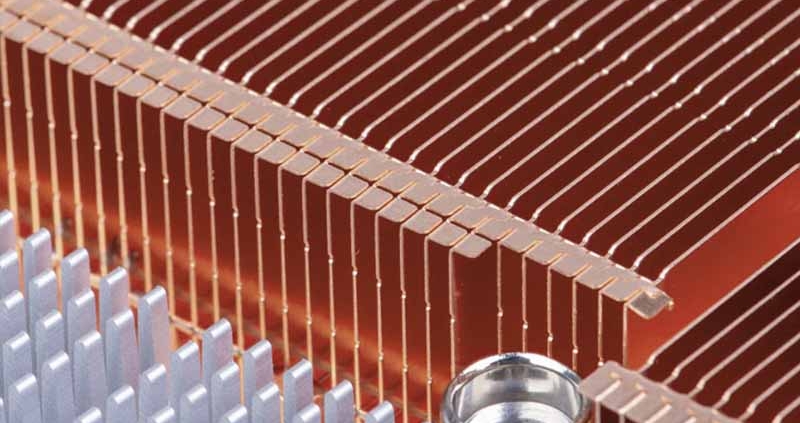
stamping fin heat sink

A001-0001-C0B2

Aluminum Cooler

A001-0002-C0B2

Expertise and Experience:

Look for a heat sink supplier with extensive expertise and experience in thermal management solutions. A supplier with a proven track record of delivering high-quality heatsinks across diverse industries is more likely to understand your unique requirements and provide tailored solutions.


Customization Capabilities:

Evaluate the supplier’s customization capabilities to ensure they can meet your specific design and performance specifications. A reputable supplier should offer flexible customization options, including customized fin profiles, materials, and surface treatments, to address your unique thermal management challenges.


Quality and Reliability:

Quality and reliability are paramount when selecting a heat sink supplier. Choose a supplier that adheres to stringent quality control standards and employs rigorous testing procedures to ensure the durability, performance, and consistency of their heatsinks. Look for certifications such as ISO 9001 and ISO 14001 to verify the supplier’s commitment to quality.


Technical Support:

Consider the level of technical support and expertise offered by the supplier. A reliable supplier should provide comprehensive technical assistance, including thermal analysis, design optimization, and engineering support, to help you select the most suitable heatsink solution for your application.


Production Capacity and Lead Times:

Assess the supplier’s production capacity and lead times to ensure they can meet your project timelines and volume requirements. Choose a supplier with sufficient manufacturing capabilities and a responsive supply chain to deliver heatsinks promptly and efficiently, minimizing downtime and delays.


Cost-effectiveness:

While cost is an important consideration, prioritize value over price when selecting a heat sink supplier. Evaluate the overall cost-effectiveness of the heatsink solutions, taking into account factors such as performance, reliability, customization options, and long-term support services, to ensure maximum return on investment.


Conclusion:

Selecting the right heat sink supplier is crucial for achieving optimal thermal management and performance in your electronic devices. By considering factors such as expertise, customization capabilities, quality, technical support, production capacity, and cost-effectiveness, you can choose a reliable partner that meets your specific needs and delivers high-quality heatsink solutions tailored to your requirements.

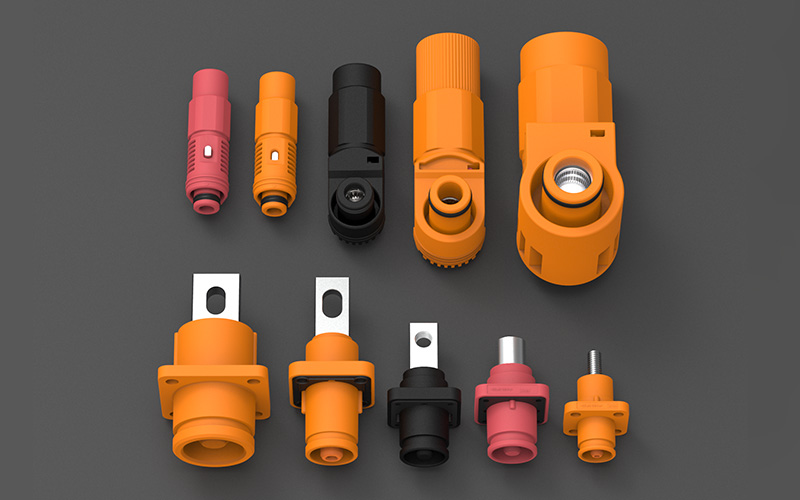
automotive connectors

Automotive connectors play a pivotal role in the functionality and reliability of modern vehicles. Choosing the right connector is crucial for seamless operation and long-term performance. Here’s a comprehensive guide on how to make the optimal choice for your automotive connector needs.

automotive connectors

  1. Identify Application Requirements:

Voltage and Current Ratings: Understand the power requirements of your automotive application. Different connectors are designed for various voltage and current levels.

Environmental Conditions: Consider the operating environment—temperature extremes, exposure to moisture, and potential chemical exposure. Choose connectors with appropriate IP ratings for protection against dust and water.

  1. Connector Type:

EV Charger Connectors: For electric vehicles, select connectors designed to handle high-power charging efficiently.

High-Voltage Connectors: Ensure connectors are rated for the high voltages associated with electric powertrains and battery systems.

PCB Headers and Receptacles: Look for precision and compatibility with automotive electronics, such as ECUs and sensors.

  1. Consider Material and Durability:

Material Compatibility: Choose materials that resist corrosion and wear. For example, connectors with gold or tin plating offer enhanced durability.

Mechanical Durability: Assess the connector’s durability in terms of insertion and withdrawal cycles, especially in applications where frequent connection and disconnection occur.

  1. Customization Options:

Tailored Solutions: Opt for manufacturers that offer customization to meet specific design and functionality requirements.

Adaptability: Ensure the connectors can adapt to the unique demands of your automotive system.

  1. Quality and Certification:

Certifications: Check for certifications such as TUV, CE, UL, and compliance with industry standards like ISO 9001, ISO 14001 and IATF 16949. These certifications ensure the connector meets quality and safety benchmarks.

Supplier Reputation: Choose connectors from reputable suppliers with a proven track record in the automotive industry.

  1. Ease of Installation and Maintenance:

Plug-and-Play Features: Look for connectors with user-friendly designs that facilitate easy installation and maintenance.

Accessibility: Consider connectors that are easily accessible for troubleshooting and repairs.

  1. Future-Proofing:

Compatibility: Choose connectors that align with current industry standards. This ensures compatibility with emerging technologies and future upgrades.

Innovation: Explore connectors from manufacturers at the forefront of connector technology to benefit from the latest innovations.

  1. Cost Considerations:

Total Cost of Ownership: Assess the total cost of ownership, considering factors like initial costs, maintenance, and potential downtime.

Value for Money: Balance cost considerations with the long-term benefits and reliability of the chosen connector.

By carefully evaluating these factors, you can confidently choose the right automotive connector that aligns with your application’s needs, ensuring efficiency, reliability, and longevity.