Chinese New Year’s Eve

Introduction

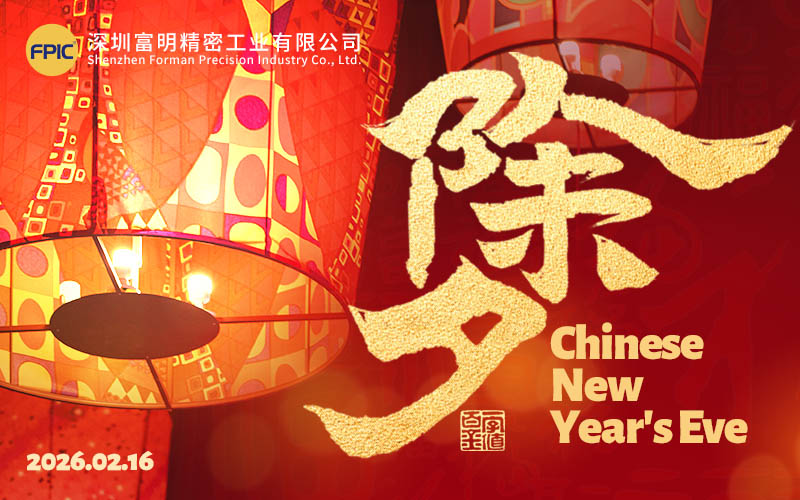
Chinese New Year’s Eve, known as Chuxi (除夕), is one of the most important days in traditional Chinese culture. It marks the final night of the lunar year and serves as the emotional and ceremonial beginning of the Spring Festival.

For Western audiences, Chuxi can be compared to New Year’s Eve celebrations around the world—but with deeper emphasis on family reunion, ancestral respect, and symbolic traditions that have been passed down for thousands of years.


The Meaning and Origin of “Chuxi”

The term “Chuxi” literally means “removing the old night.” It signifies:

  • Saying farewell to the old year

  • Welcoming a new beginning

  • Transition and renewal

Historically, this day was associated with ancient agricultural societies marking the end of a yearly cycle. Over time, it became closely linked to the Lunar New Year and developed rich cultural traditions.

A well-known legend connected to New Year’s Eve is the story of “Nian”, a mythical beast believed to appear at the end of the year. According to folklore, people discovered that loud noises, fire, and the color red could scare the creature away. This legend explains the origins of fireworks, firecrackers, and red decorations that remain central to the celebration today.

Chinese New Year’s Eve


The Reunion Dinner: Heart of the Celebration

The most important tradition of Chuxi is the family reunion dinner.

Regardless of distance, millions of people travel home to share this meal with their families. It is considered the most meaningful dinner of the year.

Common symbolic dishes include:

  • Fish (鱼) – Symbolizing abundance, as the word sounds like “surplus” in Chinese.

  • Dumplings – Especially in northern China, representing wealth.

  • Rice cakes (年糕) – Representing progress and growth year after year.

Every dish carries a symbolic wish for prosperity, harmony, and success.


Other Key Traditions

1. Staying Up Late (Shousui)

Families traditionally stay awake past midnight to welcome the new year. This practice symbolizes longevity and respect for elders.

2. Giving Red Envelopes

Red envelopes containing money are given to children and younger family members as blessings for good fortune and protection.

3. Decorating with Red

Homes are decorated with red lanterns, couplets, and paper cuttings. Red represents happiness, success, and protection against misfortune.

4. Fireworks and Firecrackers

Originally rooted in legend, fireworks today symbolize driving away bad luck and welcoming a prosperous year ahead.


Cultural Values Behind the Celebration

Chinese New Year’s Eve reflects key cultural values:

  • Family unity

  • Gratitude toward ancestors

  • Respect for elders

  • Hope for prosperity

  • Renewal and reflection

Unlike Western New Year celebrations that often focus on parties or countdown events, Chuxi centers strongly on family connection and tradition.


Modern Significance

Even in modern cities, where lifestyles have changed dramatically, Chuxi remains a powerful cultural anchor. It represents:

  • Emotional return home

  • Reflection on the past year

  • Optimism for the future

For global audiences, understanding Chuxi helps reveal the deep importance of family and continuity in Chinese society.


Conclusion

Chinese New Year’s Eve is more than a celebration—it is a moment of reunion, gratitude, and renewal. Rooted in ancient legends and agricultural cycles, it continues to shape modern life and cultural identity.

As the old year ends and a new one begins, Chuxi reminds us that every ending holds the promise of a new beginning.


References / Notes

  1. Encyclopaedia Britannica – Chinese New Year traditions

  2. China Intangible Cultural Heritage Network – Spring Festival customs

  3. China National Museum – Folklore of “Nian” and traditional practices

  4. This article is originally written based on publicly available historical and cultural sources for international readers.

Valentine’s Day

Introduction

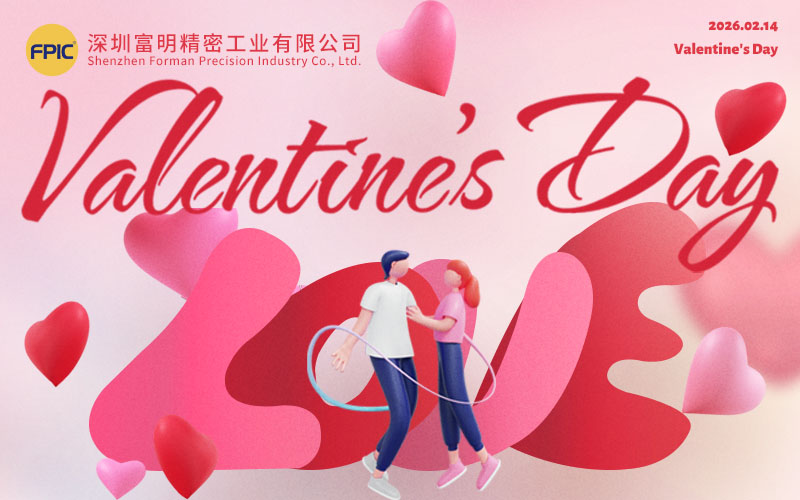
Valentine’s Day, celebrated annually on February 14, is widely recognized as a day dedicated to love and affection. While it is often associated with romantic relationships, the holiday has historical roots that extend back centuries and has evolved into a broader celebration of appreciation, friendship, and meaningful connection.

For international audiences, understanding the origins and customs of Valentine’s Day offers insight into how cultural traditions adapt and endure across time.


The Historical Origins of Valentine’s Day

The history of Valentine’s Day is often linked to Saint Valentine, a Christian priest who lived during the Roman Empire. According to one popular legend, Emperor Claudius II banned marriages for young men, believing single soldiers performed better in battle. Valentine defied this order and secretly performed marriage ceremonies, eventually becoming a symbol of devotion and commitment.

Another theory connects the holiday to the ancient Roman festival Lupercalia, a mid-February celebration associated with fertility and the coming of spring. Over time, Christian traditions replaced earlier pagan rituals, and February 14 became associated with Saint Valentine.

By the Middle Ages, the day had gained romantic significance in Europe, partly due to the belief that birds began their mating season in mid-February. This association strengthened the connection between the date and romantic love.

Valentine’s Day


How Valentine’s Day Is Celebrated

Although customs vary by country, several traditions are commonly observed worldwide:

1. Exchanging Cards

The practice of sending “valentines” began with handwritten notes and later developed into printed greeting cards. Today, millions of cards are exchanged annually.

2. Giving Flowers

Red roses are especially popular, symbolizing deep love and passion. Other flowers may represent friendship or admiration.

3. Sharing Chocolates and Gifts

Chocolate became associated with Valentine’s Day in the 19th century. Small gifts such as jewelry or personalized items are also common.

4. Romantic Dinners

Many couples celebrate with a special meal, either at home or at a restaurant.


Valentine’s Day Around the World

Different countries celebrate Valentine’s Day in unique ways:

  • In Japan, women traditionally give chocolates to men on February 14, and men reciprocate one month later on “White Day.”

  • In South Korea, the tradition of White Day is also observed.

  • In some European countries, Valentine’s Day includes exchanging flowers and small tokens of affection among friends and family.

These variations show how a historical tradition can evolve while maintaining its central theme: expressing appreciation and affection.


Beyond Romance: A Modern Perspective

In contemporary society, Valentine’s Day has expanded beyond romantic love. Many people now use the day to express gratitude toward friends, family members, and even colleagues.

At its core, Valentine’s Day emphasizes:

  • Appreciation

  • Communication

  • Emotional connection

  • Thoughtful gestures

These universal values resonate across cultures and generations.


Conclusion

Valentine’s Day is more than a commercial holiday—it is a tradition shaped by history, legend, and evolving cultural practices. From ancient Rome to modern global celebrations, it continues to serve as a reminder of the importance of love, respect, and human connection.


References / Notes

  1. Encyclopaedia Britannica – History of Valentine’s Day

  2. History.com – Origins and Traditions of Valentine’s Day

  3. This article is originally written based on publicly available historical and cultural information for educational purposes.
Little New Year

Introduction

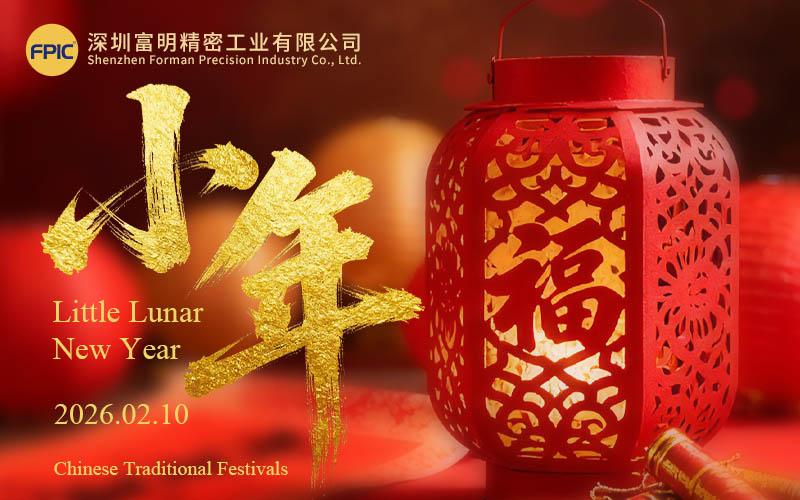
Before the Chinese New Year officially begins, there is an important traditional celebration known as the Little New Year (Xiao Nian). Though less known internationally, it plays a meaningful role in Chinese culture as a symbolic starting point of the Spring Festival season.

For Western readers, the Little New Year offers insight into how Chinese families prepare spiritually and practically for the most important holiday of the year.


When Is the Little New Year?

Unlike the fixed date of February 14 for Valentine’s Day, the Little New Year follows the lunar calendar and usually falls about one week before the Lunar New Year.

Traditionally:

  • In northern China, it is celebrated on the 23rd day of the twelfth lunar month.

  • In southern China, it is observed on the 24th day.

This regional difference reflects historical and agricultural variations across China.


The Origin: Worship of the Kitchen God

The most significant tradition of the Little New Year is the worship of the Kitchen God (灶王爷, Zao Wang Ye).

According to folklore:

  • The Kitchen God observes each household throughout the year.

  • On the Little New Year, he ascends to heaven to report the family’s behavior to the Jade Emperor.

To ensure a favorable report, families traditionally offer:

  • Sweets (often sticky candies)

  • Incense and symbolic offerings

The sweetness symbolizes “sweetening” the Kitchen God’s report before he leaves for heaven.

This custom reflects deep cultural values of moral conduct, family harmony, and self-reflection.


Cleaning and Preparation

Another key tradition is thorough house cleaning, often called “sweeping away the dust.”

Symbolically, this represents:

  • Removing bad luck from the previous year

  • Making space for good fortune

  • Preparing for renewal and new beginnings

In many ways, this is similar to “spring cleaning” traditions in Western cultures, though it carries stronger spiritual symbolism.


Regional Customs and Food Traditions

Different regions celebrate the Little New Year in unique ways:

Northern China

  • Eating dumplings

  • Offering sugar melons or sticky candies to the Kitchen God

Southern China

  • Preparing rice cakes (nian gao)

  • Making festive dishes in advance of the New Year

Although the foods vary, the theme remains the same: preparation, unity, and hope for prosperity.


Cultural Meaning and Values

The Little New Year emphasizes:

  • Reflection on the past year

  • Responsibility within the household

  • Preparation for renewal

  • Gratitude and discipline

It marks the emotional transition from ordinary daily life into the festive atmosphere of the Spring Festival.

For many families, it is the moment when the “New Year feeling” truly begins.


Why the Little New Year Matters Today

Even in modern urban life, the Little New Year remains significant. It reminds people to:

  • Pause and reflect

  • Strengthen family bonds

  • Prepare thoughtfully for new opportunities

For international audiences, this tradition highlights a broader cultural principle in Chinese society: renewal begins with preparation.


Conclusion

The Little New Year may be smaller in scale than the Spring Festival, but its meaning is profound. Rooted in folklore and moral reflection, it represents the importance of preparation, responsibility, and hope for a better year ahead.

Understanding the Little New Year helps the world better appreciate the depth and continuity of Chinese cultural traditions.


References / Notes

  1. Encyclopaedia Britannica – Chinese New Year and Lunar Traditions

  2. China Intangible Cultural Heritage Network – Folk customs of Xiao Nian

  3. China National Museum – Traditional beliefs related to the Kitchen God

  4. This article is originally written based on publicly available cultural and historical knowledge for international readers.

Holiday Schedule

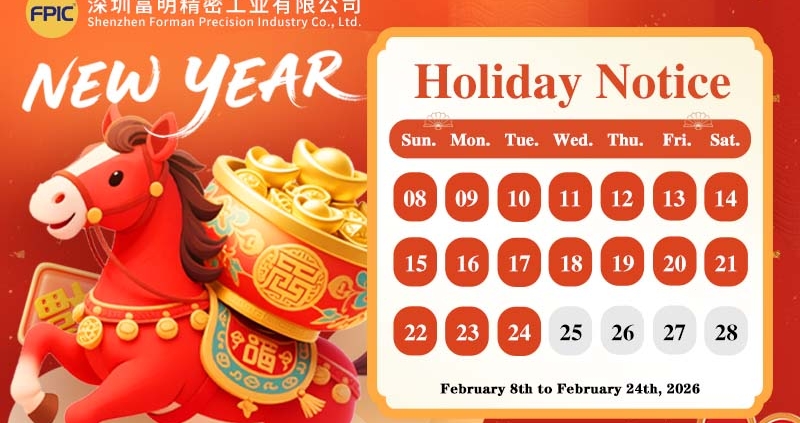
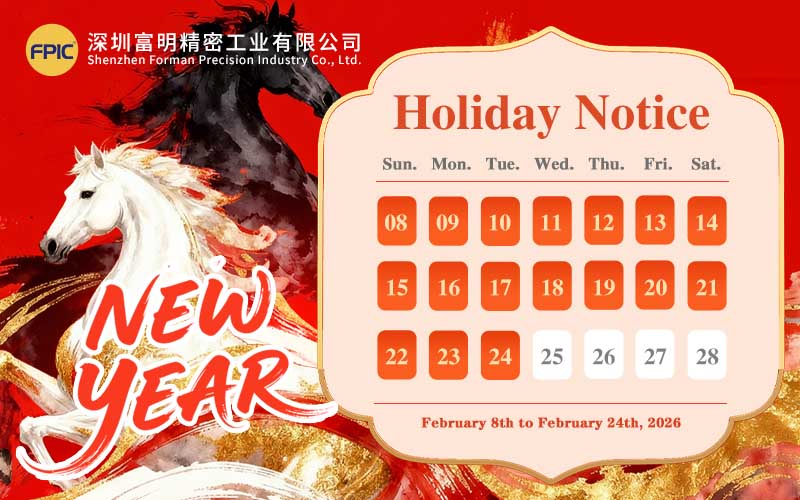
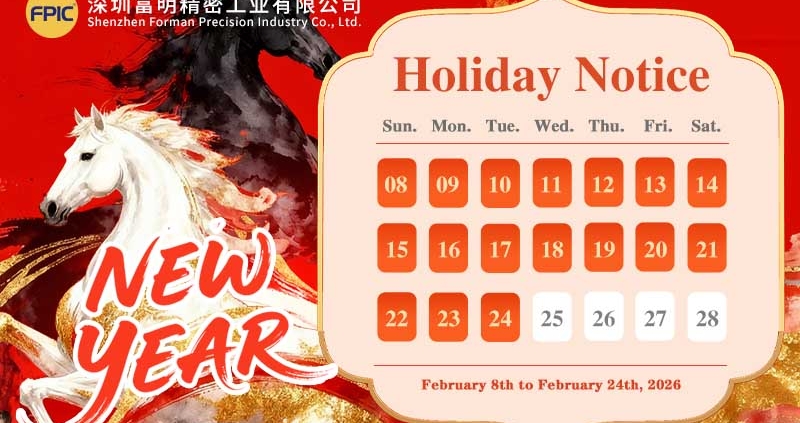
In celebration of the Chinese Spring Festival, FPIC will observe a holiday break from:

📅 February 8 to February 24

During this period, our offices and production facilities will be closed.

If you have any inquiries or urgent matters during the holiday, please feel free to contact us by email:

📩 [email protected]

We will review all messages and respond as soon as possible after we resume work.

Spring Festival Holiday Notice


Service During the Holiday

As the Spring Festival holiday is relatively long, there may be delays in response or service during this time. We sincerely appreciate your understanding and patience.

Once we return to work, our team will prioritize all inquiries and provide timely support at the earliest opportunity.


Warm Wishes for the New Year

The Spring Festival is a time for reunion, gratitude, and new beginnings. FPIC would like to take this opportunity to thank you for your continued trust and support.

We wish you:

  • A joyful Spring Festival

  • Happiness and harmony with your family

  • Health, success, and prosperity in the year ahead

May the New Year bring new opportunities and steady progress for us all.

Spring Festival Holiday Notice

Introduction: Welcoming the Year of the Horse

As the Chinese New Year approaches, people around the world prepare to welcome the Year of the Horse, one of the twelve animals in the traditional Chinese zodiac. Known for its symbolism of energy, progress, independence, and perseverance, the Horse occupies a special place in Chinese culture.

For international audiences, understanding the Year of the Horse offers valuable insight into how Chinese traditions connect time, nature, personality, and collective celebration.


The Origin of the Chinese Zodiac and the Horse

The Chinese zodiac (Shengxiao) is a 12-year cycle, with each year represented by an animal. According to legend, the order of the animals was determined by a mythical race organized by the Jade Emperor.

The Horse ranks seventh in the zodiac cycle and has historically been associated with:

  • Transportation and communication

  • Military strength and endurance

  • Agricultural labor and productivity

In ancient China, horses were essential to national stability and expansion, making them symbols of power and reliability.

Spring Festival Holiday Notice


Symbolism of the Horse in Chinese Culture

In traditional Chinese philosophy, the Horse represents:

  • Vitality and forward momentum

  • Freedom and independence

  • Loyalty and perseverance

  • Success achieved through effort

The Horse is also closely associated with the Fire element in certain zodiac interpretations, reinforcing its energetic and dynamic character.

These qualities make the Year of the Horse widely viewed as a time suitable for action, growth, and new ventures.


What Is the Spring Festival?

The Spring Festival, commonly known as Chinese New Year, marks the beginning of the lunar calendar. It is the most important traditional festival in China and is deeply rooted in family, gratitude, and renewal.

The celebration typically lasts 15 days, starting from New Year’s Eve and ending with the Lantern Festival.


How the Spring Festival Is Celebrated

1. Family Reunion and New Year’s Eve Dinner

Families gather for a reunion dinner on New Year’s Eve, symbolizing unity and completeness. Dishes are carefully chosen for their auspicious meanings.


2. Cleaning and Decorating

Homes are thoroughly cleaned before the New Year to sweep away bad luck. Red decorations, lanterns, and couplets are displayed to invite good fortune.


3. Red Envelopes (Hongbao)

Red envelopes containing money are traditionally given to children and younger family members as a symbol of blessings and protection.


4. Fireworks and Festivities

Fireworks and firecrackers are set off to drive away negative energy and welcome the New Year with joy and excitement.


5. Visiting Relatives and Friends

During the festival period, people visit relatives and friends to exchange greetings and good wishes.


Special Meanings of the Year of the Horse

In a Horse year, traditional beliefs emphasize:

  • Courage to move forward

  • Diligence and persistence

  • Breaking limitations and embracing change

Many people consider it a favorable year to:

  • Start new projects

  • Expand careers or businesses

  • Travel and explore new opportunities


Auspicious Sayings for the Year of the Horse

Here are common lucky expressions related to the Horse, often used in greetings:

  • “马到成功” (Mǎ dào chéng gōng)Instant success

  • “一马当先” (Yī mǎ dāng xiān)Taking the lead

  • “龙马精神” (Lóng mǎ jīng shén)Vigor and vitality

  • “马年大吉” (Mǎ nián dà jí)Great fortune in the Year of the Horse

These phrases reflect optimism, ambition, and confidence for the year ahead.


Why the Year of the Horse Matters Today

Even in modern society, the Spring Festival and zodiac traditions remain deeply relevant. They emphasize:

  • Respect for heritage

  • Strong family bonds

  • Positive outlook toward the future

For global audiences, the Year of the Horse represents a culture that values resilience, progress, and shared celebration.


Conclusion

The Year of the Horse Spring Festival is more than a celebration—it is a cultural expression of movement, determination, and renewal. By understanding its origins and traditions, international readers gain a deeper appreciation of Chinese values that continue to shape daily life and business culture today.


References / Notes

  1. UNESCOChinese New Year and Traditional Festivals
    https://ich.unesco.org

  2. Encyclopaedia BritannicaChinese Zodiac and Lunar Calendar
    https://www.britannica.com

  3. China National Museum – Historical symbolism of animals in Chinese culture

  4. This article is originally written for international readers based on publicly available cultural and historical knowledge.

2025 Lixia

Lixia, meaning “Beginning of Summer,” is one of the 24 Solar Terms in the traditional Chinese calendar. It marks the official start of summer and signals the transition from spring’s growth to the vigorous development of early summer.

Rather than indicating extreme heat, Lixia represents the moment when nature enters a phase of rapid expansion, vitality, and maturity.


When Does Lixia Occur?

Lixia usually falls on May 5th or 6th each year, when the sun reaches 45° of celestial longitude. It is the first solar term of summer, followed by Xiaoman (Grain Full) and Mangzhong (Grain in Ear).


Why Is It Called “Beginning of Summer”?

The name Lixia (立夏) literally means “establishing summer.”
Ancient Chinese scholars used the word “Li” (立) to indicate the formal beginning of a season.

According to Yueling Qishierhou Jiejie (《月令七十二候集解》):

“Lixia is the solar term of the fourth lunar month. ‘Li’ signifies establishment, as in spring. ‘Xia’ means ‘growth.’ At this time, all things grow large and flourish.”

This explanation emphasizes that Lixia marks a period when plants, animals, and natural forces begin to expand rapidly, laying the foundation for the peak of summer.


Natural Phenomena During Lixia

Classical literature vividly describes the seasonal changes of early summer.

The Book of Rites · Monthly Ordinances (《礼记·月令》) records:

“Frogs begin to croak, earthworms emerge, creeping gourds grow, and bitter herbs flourish.”

These observations reflect the three phenological stages (三候) of Lixia:

  • Frogs and insects become active and vocal near fields and ponds
  • Earthworms surface to breathe as soil temperatures rise
  • Wild plants and herbs grow rapidly along rural paths

Together, these signs depict the lively ecological scene at the beginning of Mengxia (early summer).


Weather Characteristics of Lixia

Lixia is closely associated with noticeable climate changes:

  • Rising temperatures
  • Longer daylight hours
  • Increased rainfall in many regions
  • Rapid plant growth and stronger biological activity

Although heat waves are not yet dominant, Lixia signals that summer warmth has firmly arrived.

2025 Lixia


What People Traditionally Do During Lixia

1. Seasonal Health Adjustment

In traditional Chinese medicine, Lixia is associated with heart health and emotional balance. People are encouraged to:

  • Maintain a light diet
  • Avoid excessive heat or fatigue
  • Adjust daily routines to longer daylight hours

2. Preparing for Agricultural Growth

Historically, Lixia was a crucial time for farmers to:

  • Manage irrigation
  • Monitor crop growth
  • Control pests and weeds

It marked the beginning of intensive fieldwork leading toward summer harvests.


3. Cultural Awareness of Seasonal Change

Lixia reminds people to:

  • Gradually shift clothing styles
  • Adapt to warmer temperatures
  • Respect the rhythm of natural growth

These practices reflect the traditional philosophy of living in harmony with nature.


Cultural Significance of Lixia

Lixia symbolizes energy, vitality, and expansion. It represents a stage when life accelerates and nature moves toward abundance.

As part of the 24 Solar Terms, Lixia demonstrates how ancient Chinese society closely observed environmental patterns and integrated them into daily life, agriculture, and health practices.


Conclusion

Lixia, the Beginning of Summer, is more than a seasonal marker—it is a reminder of growth, preparation, and balance. By observing the natural signs described in classical texts, people learned to align their actions with the rhythms of the environment.

Today, Lixia continues to enrich our understanding of seasonal change and the enduring wisdom behind the 24 Solar Terms.

References

  1. 《月令七十二候集解》 (Yueling Qishierhou Jiejie) – Traditional explanation of the 24 Solar Terms
  2. 《礼记·月令》 (Book of Rites · Monthly Ordinances) – Classical record of seasonal phenomena
  3. UNESCOThe Twenty-Four Solar Terms: Knowledge and Practices in China. Source: https://ich.unesco.org
  4. China Meteorological Administration (CMA)Introduction to the 24 Solar Terms. Source: https://www.cma.gov.cn
Liqiu (Beginning of Autumn)

Liqiu, meaning “Beginning of Autumn,” is one of the 24 Solar Terms in the traditional Chinese calendar. It marks the official transition from summer to autumn, reflecting ancient China’s deep understanding of seasonal cycles, climate change, and agricultural rhythms.

While Liqiu does not immediately bring cool weather, it signals a shift in nature’s energy and reminds people to prepare for the gradual changes ahead.


When Does Liqiu Occur?

Liqiu usually falls on August 7th or 8th each year, when the sun reaches 135° of celestial longitude. It is the first solar term of autumn, followed by Chushu (End of Heat) and Bailu (White Dew).

Despite its name, temperatures often remain high during Liqiu, especially in southern regions of China.


Why Is It Called “Beginning of Autumn”?

The word Liqiu (立秋) literally means “establishing autumn.”
Rather than indicating an immediate change in temperature, it represents a seasonal turning point in the traditional calendar.

Ancient observers noticed that:

  • Daylight hours begin to shorten

  • The sun’s angle gradually lowers

  • Crops enter a key maturation stage

These natural signals led to Liqiu being recognized as the start of autumn in agricultural planning.

Liqiu (Beginning of Autumn)


Weather Characteristics of Liqiu

Liqiu is closely linked to subtle but important climate changes:

  • High temperatures may continue, often called “Autumn Tiger” (late summer heat)

  • Increased temperature difference between day and night

  • Gradual decrease in humidity in some regions

  • Early signs of seasonal wind pattern changes

As a result, Liqiu is seen as a transition phase, not an abrupt seasonal shift.


What People Traditionally Do During Liqiu

Liqiu is associated with several customs and practical activities aimed at adjusting to seasonal change.

1. Adjusting Diet and Health Practices

Traditional Chinese medicine emphasizes maintaining balance during Liqiu. People are advised to:

  • Avoid excessive cold foods

  • Focus on light, nourishing meals

  • Support digestion and lung health

This helps the body adapt to the upcoming cooler and drier climate.


2. “Welcoming Autumn” Traditions

In some regions, people observe simple customs to symbolically welcome autumn, such as:

  • Enjoying seasonal fruits

  • Sharing meals with family

  • Expressing gratitude for the summer harvest

These practices reflect a respect for nature’s rhythm and abundance.


3. Agricultural Preparation

Historically, Liqiu was an important agricultural marker:

  • Farmers inspected crop maturity

  • Prepared tools for harvesting

  • Adjusted irrigation plans

It signaled that the peak growing season was ending and harvest planning should begin.


4. Seasonal Clothing Adjustments

Although the weather remains warm, Liqiu reminds people to prepare for:

  • Cooler mornings and evenings

  • Gradual wardrobe changes

  • Avoiding sudden exposure to cold after sweating

This was especially important before modern climate control.


Cultural Significance of Liqiu

Liqiu represents balance and transition in Chinese philosophy. It emphasizes adapting gradually rather than reacting suddenly—whether in agriculture, health, or daily life.

As one of the most well-known solar terms, Liqiu continues to influence modern lifestyle habits, seasonal awareness, and cultural expression.


Conclusion

Liqiu, or the Beginning of Autumn, marks more than a calendar change—it reflects a philosophy of preparation, balance, and respect for natural cycles. Even today, it encourages people to slow down, observe seasonal signals, and make thoughtful adjustments to daily routines.

Understanding Liqiu enriches our appreciation of the 24 Solar Terms and their lasting relevance in both traditional culture and modern life.

References

  1. UNESCOThe Twenty-Four Solar Terms: Knowledge and Practices in China. Source: https://ich.unesco.org

  2. China Meteorological Administration (CMA)Introduction to the 24 Solar Terms. Source: https://www.cma.gov.cn

  3. Encyclopaedia BritannicaChinese Calendar and Solar Terms. Source: https://www.britannica.com

  4. China National Commission for UNESCOTraditional Seasonal Knowledge in China

Lidong Begining of Winter

Lidong, meaning “Beginning of Winter,” is one of the 24 Solar Terms in the traditional Chinese calendar. It marks the official transition from autumn to winter and reflects the ancient understanding of seasonal change, climate patterns, and lifestyle adjustments.

Rather than signaling the coldest days, Lidong represents a turning point—a time to slow down, store energy, and prepare for the colder months ahead.


When Does Lidong Occur?

Lidong usually falls on November 7th or 8th each year, when the sun reaches 225° of celestial longitude. It is the first solar term of winter, followed by Xiaoxue (Minor Snow) and Daxue (Major Snow).

In traditional Chinese philosophy, Lidong marks the beginning of yin energy dominance, encouraging rest, conservation, and nourishment.


Why Is It Called “Beginning of Winter”?

The word Lidong (立冬) literally means “establishing winter.”
It does not mean winter weather suddenly arrives, but rather that nature enters a new seasonal phase.

Ancient Chinese scholars observed that:

  • Daylight hours become shorter

  • Temperatures gradually decline

  • Plants stop growing and begin dormancy

Lidong was therefore seen as the moment when winter officially “stands in place.”

Lidong Begining of Winter


Weather Characteristics of Lidong

Lidong is closely related to noticeable climate changes:

  • Gradual temperature drop

  • Increased cold air activity

  • Frost in northern regions

  • Cool and dry weather in southern China

While snow is not guaranteed during Lidong, the season signals that colder and harsher conditions are approaching.


Traditional Customs and Folk Practices

Although Lidong is not a major festival, it has several meaningful traditions:

1. Winter Nourishment (补冬)

One of the most well-known customs is “nourishing the body for winter.”
People traditionally eat warm, energy-rich foods such as:

  • Dumplings (especially in northern China)

  • Lamb, beef, and chicken soups

  • Root vegetables and grains

This practice aligns with traditional Chinese medicine, which emphasizes strengthening the body before deep winter.


2. Seasonal Clothing Change

Lidong reminds people to switch to warmer clothing, protecting against cold winds and sudden temperature drops.


3. Agricultural Preparation

Historically, farmers used Lidong as a signal to:

  • Complete autumn harvests

  • Store grains and tools

  • Prepare livestock shelters

It marked a pause in farming activity and the start of winter planning.


Cultural Significance of Lidong

Lidong reflects the traditional Chinese philosophy of living in harmony with nature. Rather than resisting seasonal change, people adjusted their diet, behavior, and daily routines to align with natural rhythms.

Even in modern times, Lidong continues to influence lifestyle choices, reminding people to prioritize health, rest, and balance as winter approaches.


Conclusion

Lidong, or the Beginning of Winter, represents more than a calendar marker—it symbolizes preparation, conservation, and renewal. Rooted in centuries of observation and wisdom, this solar term continues to guide how people respond to seasonal transitions.

Understanding Lidong helps us appreciate how traditional culture connects climate, health, and daily life into a unified system.


META Description (≤155 characters)

Lidong (Beginning of Winter) marks the start of winter in China’s 24 solar terms, reflecting seasonal changes, traditional customs, and climate awareness.


References

  1. UNESCOThe Twenty-Four Solar Terms: Knowledge and Practices in China.  Source: https://ich.unesco.org

  2. China Meteorological Administration (CMA)Introduction to the 24 Solar Terms. Source: https://www.cma.gov.cn

  3. Encyclopaedia BritannicaChinese Calendar and Solar Terms. Source: https://www.britannica.com

New Year Holiday Notice

Dear Valued Customers, Partners, and Colleagues,

As the New Year approaches, we would like to take this opportunity to thank you for your continued trust and support.

Please be informed that our New Year holiday will be from January 1st to January 3rd. During this period, normal operations will resume on the next working day.

Happy New Year!
May the coming year bring you good health, happiness, and continued success. We look forward to working with you in the year ahead and achieving new milestones together.

New Year Holiday Notice

For urgent matters during the holiday, please feel free to contact us via email [email protected].

Thank you for your understanding.

Warm regards,
FPIC Team

2025 Merry Christmas

As Christmas 2025 approaches, we would like to extend our warmest holiday greetings to all our customers, partners, and friends around the world who celebrate this meaningful festival. We wish you a joyful Christmas and a prosperous, healthy New Year.

The Origin and Meaning of Christmas

Christmas is one of the most important traditional holidays in many countries, especially across Europe, the Americas, and other regions worldwide. It originated as a celebration of the birth of Jesus Christ and has evolved over centuries into a festival symbolizing peace, hope, gratitude, and togetherness. Today, Christmas is widely celebrated not only as a religious occasion, but also as a cultural holiday that brings families and communities together.

2025 Merry Christmas

Cultural Respect and Global Connection

At our company, we deeply respect the diverse cultures and traditions of our global customers. As international communication and cooperation continue to grow, Christmas has also become increasingly popular in China. More people now enjoy the festive atmosphere—decorations, lights, seasonal gatherings, and moments of joy shared with colleagues, friends, and family.

This cultural exchange reflects openness, understanding, and mutual respect—values that align closely with our company’s spirit.

Holiday Wishes to Our Global Family

On this special occasion, we would like to express our sincere appreciation and best wishes to:

  • Our valued customers across all Christmas-celebrating countries

  • Our dedicated employees, whose commitment drives our success

  • Our trusted suppliers and partners, who support us every step of the way

  • And to all your families, who share in your hard work and achievements

May this holiday season bring you warmth, happiness, and memorable moments with loved ones.

Looking Ahead to the New Year

As we step into the New Year, we look forward to continuing our cooperation and exploring new opportunities together. Should you have any new projects, customization needs, or technical inquiries, please feel free to contact us at any time.

📧 Email: [email protected]

Thank you for your trust and partnership.
Wishing you a Merry Christmas, a Happy New Year, and continued success in 2026.