Tag Archive for: 24 solar terms

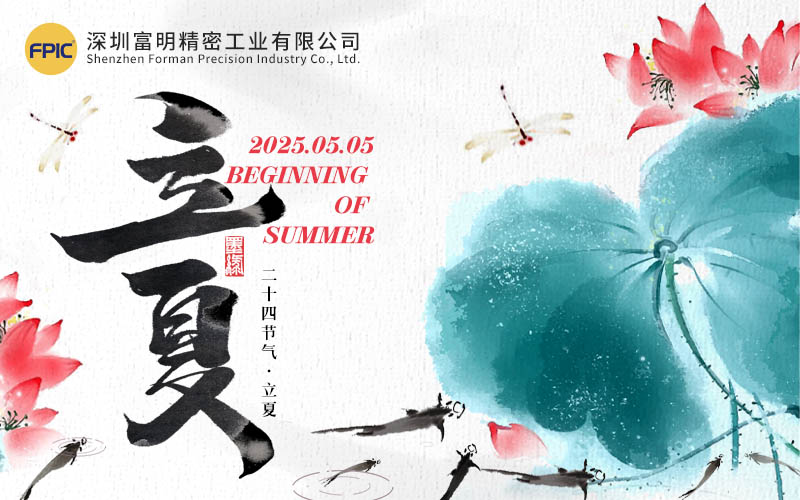
2025 Lixia

Lixia, meaning “Beginning of Summer,” is one of the 24 Solar Terms in the traditional Chinese calendar. It marks the official start of summer and signals the transition from spring’s growth to the vigorous development of early summer.

Rather than indicating extreme heat, Lixia represents the moment when nature enters a phase of rapid expansion, vitality, and maturity.


When Does Lixia Occur?

Lixia usually falls on May 5th or 6th each year, when the sun reaches 45° of celestial longitude. It is the first solar term of summer, followed by Xiaoman (Grain Full) and Mangzhong (Grain in Ear).


Why Is It Called “Beginning of Summer”?

The name Lixia (立夏) literally means “establishing summer.”
Ancient Chinese scholars used the word “Li” (立) to indicate the formal beginning of a season.

According to Yueling Qishierhou Jiejie (《月令七十二候集解》):

“Lixia is the solar term of the fourth lunar month. ‘Li’ signifies establishment, as in spring. ‘Xia’ means ‘growth.’ At this time, all things grow large and flourish.”

This explanation emphasizes that Lixia marks a period when plants, animals, and natural forces begin to expand rapidly, laying the foundation for the peak of summer.


Natural Phenomena During Lixia

Classical literature vividly describes the seasonal changes of early summer.

The Book of Rites · Monthly Ordinances (《礼记·月令》) records:

“Frogs begin to croak, earthworms emerge, creeping gourds grow, and bitter herbs flourish.”

These observations reflect the three phenological stages (三候) of Lixia:

  • Frogs and insects become active and vocal near fields and ponds
  • Earthworms surface to breathe as soil temperatures rise
  • Wild plants and herbs grow rapidly along rural paths

Together, these signs depict the lively ecological scene at the beginning of Mengxia (early summer).


Weather Characteristics of Lixia

Lixia is closely associated with noticeable climate changes:

  • Rising temperatures
  • Longer daylight hours
  • Increased rainfall in many regions
  • Rapid plant growth and stronger biological activity

Although heat waves are not yet dominant, Lixia signals that summer warmth has firmly arrived.

2025 Lixia


What People Traditionally Do During Lixia

1. Seasonal Health Adjustment

In traditional Chinese medicine, Lixia is associated with heart health and emotional balance. People are encouraged to:

  • Maintain a light diet
  • Avoid excessive heat or fatigue
  • Adjust daily routines to longer daylight hours

2. Preparing for Agricultural Growth

Historically, Lixia was a crucial time for farmers to:

  • Manage irrigation
  • Monitor crop growth
  • Control pests and weeds

It marked the beginning of intensive fieldwork leading toward summer harvests.


3. Cultural Awareness of Seasonal Change

Lixia reminds people to:

  • Gradually shift clothing styles
  • Adapt to warmer temperatures
  • Respect the rhythm of natural growth

These practices reflect the traditional philosophy of living in harmony with nature.


Cultural Significance of Lixia

Lixia symbolizes energy, vitality, and expansion. It represents a stage when life accelerates and nature moves toward abundance.

As part of the 24 Solar Terms, Lixia demonstrates how ancient Chinese society closely observed environmental patterns and integrated them into daily life, agriculture, and health practices.


Conclusion

Lixia, the Beginning of Summer, is more than a seasonal marker—it is a reminder of growth, preparation, and balance. By observing the natural signs described in classical texts, people learned to align their actions with the rhythms of the environment.

Today, Lixia continues to enrich our understanding of seasonal change and the enduring wisdom behind the 24 Solar Terms.

References

  1. 《月令七十二候集解》 (Yueling Qishierhou Jiejie) – Traditional explanation of the 24 Solar Terms
  2. 《礼记·月令》 (Book of Rites · Monthly Ordinances) – Classical record of seasonal phenomena
  3. UNESCOThe Twenty-Four Solar Terms: Knowledge and Practices in China. Source: https://ich.unesco.org
  4. China Meteorological Administration (CMA)Introduction to the 24 Solar Terms. Source: https://www.cma.gov.cn
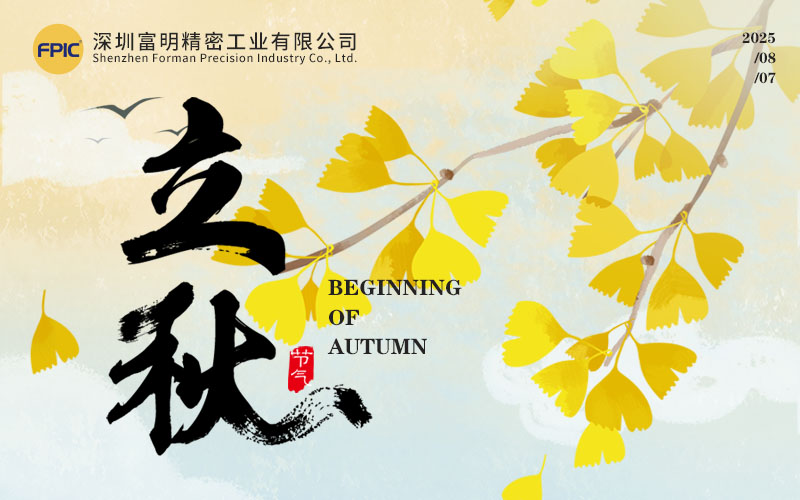
Liqiu (Beginning of Autumn)

Liqiu, meaning “Beginning of Autumn,” is one of the 24 Solar Terms in the traditional Chinese calendar. It marks the official transition from summer to autumn, reflecting ancient China’s deep understanding of seasonal cycles, climate change, and agricultural rhythms.

While Liqiu does not immediately bring cool weather, it signals a shift in nature’s energy and reminds people to prepare for the gradual changes ahead.


When Does Liqiu Occur?

Liqiu usually falls on August 7th or 8th each year, when the sun reaches 135° of celestial longitude. It is the first solar term of autumn, followed by Chushu (End of Heat) and Bailu (White Dew).

Despite its name, temperatures often remain high during Liqiu, especially in southern regions of China.


Why Is It Called “Beginning of Autumn”?

The word Liqiu (立秋) literally means “establishing autumn.”
Rather than indicating an immediate change in temperature, it represents a seasonal turning point in the traditional calendar.

Ancient observers noticed that:

  • Daylight hours begin to shorten

  • The sun’s angle gradually lowers

  • Crops enter a key maturation stage

These natural signals led to Liqiu being recognized as the start of autumn in agricultural planning.

Liqiu (Beginning of Autumn)


Weather Characteristics of Liqiu

Liqiu is closely linked to subtle but important climate changes:

  • High temperatures may continue, often called “Autumn Tiger” (late summer heat)

  • Increased temperature difference between day and night

  • Gradual decrease in humidity in some regions

  • Early signs of seasonal wind pattern changes

As a result, Liqiu is seen as a transition phase, not an abrupt seasonal shift.


What People Traditionally Do During Liqiu

Liqiu is associated with several customs and practical activities aimed at adjusting to seasonal change.

1. Adjusting Diet and Health Practices

Traditional Chinese medicine emphasizes maintaining balance during Liqiu. People are advised to:

  • Avoid excessive cold foods

  • Focus on light, nourishing meals

  • Support digestion and lung health

This helps the body adapt to the upcoming cooler and drier climate.


2. “Welcoming Autumn” Traditions

In some regions, people observe simple customs to symbolically welcome autumn, such as:

  • Enjoying seasonal fruits

  • Sharing meals with family

  • Expressing gratitude for the summer harvest

These practices reflect a respect for nature’s rhythm and abundance.


3. Agricultural Preparation

Historically, Liqiu was an important agricultural marker:

  • Farmers inspected crop maturity

  • Prepared tools for harvesting

  • Adjusted irrigation plans

It signaled that the peak growing season was ending and harvest planning should begin.


4. Seasonal Clothing Adjustments

Although the weather remains warm, Liqiu reminds people to prepare for:

  • Cooler mornings and evenings

  • Gradual wardrobe changes

  • Avoiding sudden exposure to cold after sweating

This was especially important before modern climate control.


Cultural Significance of Liqiu

Liqiu represents balance and transition in Chinese philosophy. It emphasizes adapting gradually rather than reacting suddenly—whether in agriculture, health, or daily life.

As one of the most well-known solar terms, Liqiu continues to influence modern lifestyle habits, seasonal awareness, and cultural expression.


Conclusion

Liqiu, or the Beginning of Autumn, marks more than a calendar change—it reflects a philosophy of preparation, balance, and respect for natural cycles. Even today, it encourages people to slow down, observe seasonal signals, and make thoughtful adjustments to daily routines.

Understanding Liqiu enriches our appreciation of the 24 Solar Terms and their lasting relevance in both traditional culture and modern life.

References

  1. UNESCOThe Twenty-Four Solar Terms: Knowledge and Practices in China. Source: https://ich.unesco.org

  2. China Meteorological Administration (CMA)Introduction to the 24 Solar Terms. Source: https://www.cma.gov.cn

  3. Encyclopaedia BritannicaChinese Calendar and Solar Terms. Source: https://www.britannica.com

  4. China National Commission for UNESCOTraditional Seasonal Knowledge in China

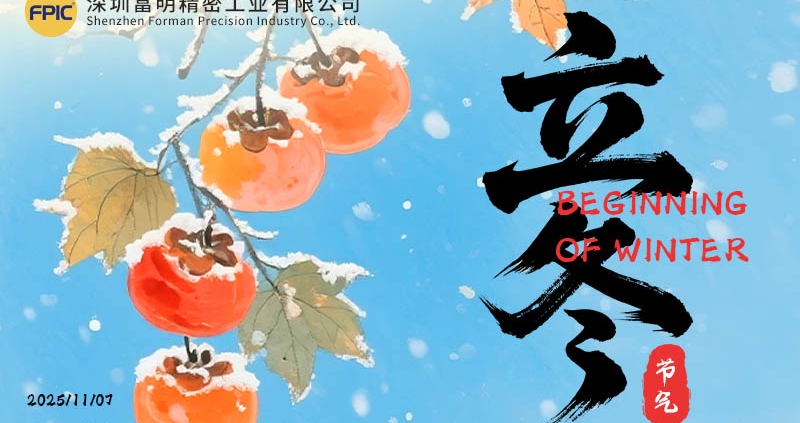
Lidong Begining of Winter

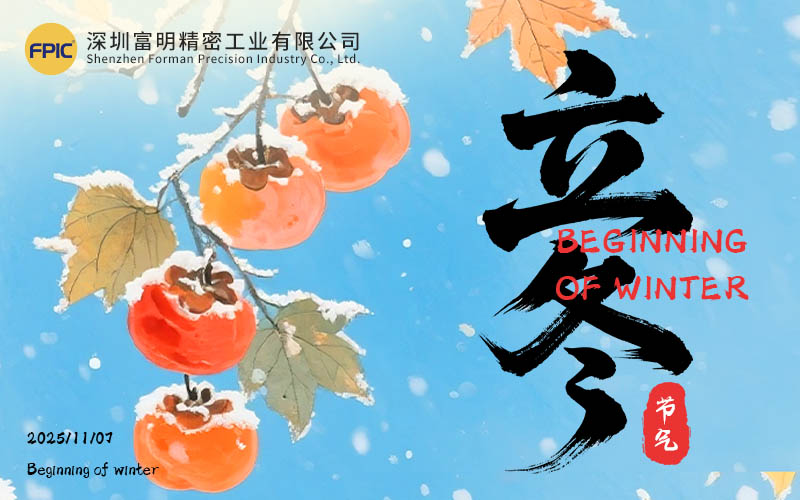
Lidong, meaning “Beginning of Winter,” is one of the 24 Solar Terms in the traditional Chinese calendar. It marks the official transition from autumn to winter and reflects the ancient understanding of seasonal change, climate patterns, and lifestyle adjustments.

Rather than signaling the coldest days, Lidong represents a turning point—a time to slow down, store energy, and prepare for the colder months ahead.


When Does Lidong Occur?

Lidong usually falls on November 7th or 8th each year, when the sun reaches 225° of celestial longitude. It is the first solar term of winter, followed by Xiaoxue (Minor Snow) and Daxue (Major Snow).

In traditional Chinese philosophy, Lidong marks the beginning of yin energy dominance, encouraging rest, conservation, and nourishment.


Why Is It Called “Beginning of Winter”?

The word Lidong (立冬) literally means “establishing winter.”
It does not mean winter weather suddenly arrives, but rather that nature enters a new seasonal phase.

Ancient Chinese scholars observed that:

  • Daylight hours become shorter

  • Temperatures gradually decline

  • Plants stop growing and begin dormancy

Lidong was therefore seen as the moment when winter officially “stands in place.”

Lidong Begining of Winter


Weather Characteristics of Lidong

Lidong is closely related to noticeable climate changes:

  • Gradual temperature drop

  • Increased cold air activity

  • Frost in northern regions

  • Cool and dry weather in southern China

While snow is not guaranteed during Lidong, the season signals that colder and harsher conditions are approaching.


Traditional Customs and Folk Practices

Although Lidong is not a major festival, it has several meaningful traditions:

1. Winter Nourishment (补冬)

One of the most well-known customs is “nourishing the body for winter.”
People traditionally eat warm, energy-rich foods such as:

  • Dumplings (especially in northern China)

  • Lamb, beef, and chicken soups

  • Root vegetables and grains

This practice aligns with traditional Chinese medicine, which emphasizes strengthening the body before deep winter.


2. Seasonal Clothing Change

Lidong reminds people to switch to warmer clothing, protecting against cold winds and sudden temperature drops.


3. Agricultural Preparation

Historically, farmers used Lidong as a signal to:

  • Complete autumn harvests

  • Store grains and tools

  • Prepare livestock shelters

It marked a pause in farming activity and the start of winter planning.


Cultural Significance of Lidong

Lidong reflects the traditional Chinese philosophy of living in harmony with nature. Rather than resisting seasonal change, people adjusted their diet, behavior, and daily routines to align with natural rhythms.

Even in modern times, Lidong continues to influence lifestyle choices, reminding people to prioritize health, rest, and balance as winter approaches.


Conclusion

Lidong, or the Beginning of Winter, represents more than a calendar marker—it symbolizes preparation, conservation, and renewal. Rooted in centuries of observation and wisdom, this solar term continues to guide how people respond to seasonal transitions.

Understanding Lidong helps us appreciate how traditional culture connects climate, health, and daily life into a unified system.


META Description (≤155 characters)

Lidong (Beginning of Winter) marks the start of winter in China’s 24 solar terms, reflecting seasonal changes, traditional customs, and climate awareness.


References

  1. UNESCOThe Twenty-Four Solar Terms: Knowledge and Practices in China.  Source: https://ich.unesco.org

  2. China Meteorological Administration (CMA)Introduction to the 24 Solar Terms. Source: https://www.cma.gov.cn

  3. Encyclopaedia BritannicaChinese Calendar and Solar Terms. Source: https://www.britannica.com

2025 Lichun

Introduction: Lichun (立春), also known as the “Beginning of Spring,” is one of the 24 solar terms in the traditional Chinese lunar calendar. It usually falls around February 3rd to 5th, marking the start of the Chinese spring season. This solar term is not only an important agricultural marker but also a cultural celebration that signifies new beginnings, growth, and vitality. The concept of Lichun has deep cultural roots in China, but it is also widely acknowledged across several East Asian countries such as Japan, Korea, and Vietnam, with each having their own ways of celebrating it.

The Significance of Lichun

Lichun is the first of the 24 solar terms and signifies the end of the harsh winter and the beginning of warmer days. It holds immense importance in traditional Chinese culture, both agriculturally and socially.

  • Agricultural Importance: Lichun indicates the start of the farming season when seeds are sown, and the Earth begins its cycle of growth. It is considered an auspicious time for planting and starting new endeavors.
  • Cultural and Spiritual Significance: Lichun is also associated with renewal, vitality, and good fortune. It is a time for people to refresh their minds and spirits as they prepare for the growth and prosperity that the coming spring promises.2025 Lichun

Traditional Celebrations and Customs During Lichun

While Lichun itself is not as widely celebrated as the Chinese New Year, it still holds significant cultural importance, with many people in China engaging in various customs and traditions to mark the occasion.

  1. Eating Spring Pancakes: In some regions, people eat spring pancakes (春饼), which are made of thin wheat flour. This tradition symbolizes the arrival of spring and the renewal of nature. These pancakes are often filled with vegetables, meats, or other fresh ingredients to represent the vibrancy of the season.
  2. Plowing the Fields: Traditionally, Lichun marks the beginning of agricultural activity. People living in rural areas participate in symbolic rituals like plowing the fields to invite a prosperous and fruitful year. In ancient times, the Emperor would hold a ritual plowing ceremony to bless the land, ensuring a bountiful harvest.
  3. Celebrating with Family: Like many traditional festivals, Lichun is also an opportunity for families to gather, share meals, and celebrate new beginnings. The holiday promotes unity, family bonding, and hopes for a prosperous year.
  4. Tuning the Body: As spring represents vitality, there are also health-related customs associated with Lichun. People practice spring health exercises like tai chi or go for walks in nature to rejuvenate themselves and welcome the season with good health.
  5. “Opening the Spring” Celebrations: In certain parts of China, particularly in Nanjing and Suzhou, special ceremonies are held to “open” the spring season, inviting good fortune and health for the coming year.
  6. Spring Cleaning: Lichun also encourages people to clean their homes to prepare for the new season. The idea behind spring cleaning is to clear away the “old” to make room for new opportunities, symbolizing the beginning of something fresh.

Lichun in Modern-Day China

While some of the more traditional activities are still observed in rural areas, many people in modern cities have adopted a more subdued way of celebrating Lichun. Urban dwellers may not plow the fields or have large family gatherings, but they still appreciate the significance of the term as it marks the beginning of new possibilities.

In the context of modern life, Lichun is seen as an opportunity to reflect on personal growth and to make new plans for the year ahead. It is a time for renewal in all aspects of life—whether through work, health, or relationships. It is a gentle reminder to set new goals and strive toward self-improvement.

Lichun Across East Asia

Although Lichun originated in China, it is also observed in other East Asian countries, including Japan, Korea, and Vietnam. The celebration in these countries may differ slightly, but the core themes of renewal, growth, and vitality are shared.

  • In Japan, Lichun is often marked by the traditional celebration known as “Setsubun,” which occurs just before the start of spring. It involves rituals to drive away evil spirits and invite good fortune.
  • In Korea, the start of spring is marked by “Gyeongchun,” where farmers begin preparing their fields for planting.
  • In Vietnam, Lichun is celebrated as part of Tet, the Vietnamese Lunar New Year, which includes various customs and rituals to honor ancestors and welcome the new year.

Conclusion

Lichun is an ancient tradition that connects people to the rhythms of nature and the Earth. It marks a time of renewal, growth, and new opportunities. As one of the most important solar terms in the Chinese calendar, Lichun not only serves as a reminder of the importance of agriculture but also as a spiritual and cultural celebration of the changing seasons.

As we celebrate this traditional festival, we at FPIC are also reminded of the renewal and growth in our work, constantly innovating and evolving to serve our customers better.

We hope this article gives you a deeper understanding of Lichun, its significance, and the cultural importance it holds in both China and across East Asia.

If you have any inquiries about our automotive connectors, energy storage solutions, or any other products, please feel free to reach out to us at [email protected].


References:

  1. Jiang, Y., & Sun, Y. (2020). Traditional Festivals in China: History and Meaning. Chinese Cultural Heritage Journal, 22(4), 44-58.
  2. Zhang, L., & Cheng, H. (2019). The Influence of Solar Terms on Chinese Agricultural Culture. Journal of Traditional Chinese Culture, 17(6), 102-115.
Li Qiu

Today marks the arrival of Li Qiu, one of the 24 solar terms in the traditional Chinese lunar calendar. Li Qiu (立秋), which literally translates to “the beginning of autumn,” is a significant day in Chinese culture that has been observed for thousands of years. Traditionally, it is seen as the transition point from the heat of summer to the cooler, more temperate days of autumn.

Li Qiu

Understanding Li Qiu

Li Qiu usually falls around August 7th or 8th each year, depending on the solar calendar. It signals the start of autumn, but in many parts of China, the summer heat often lingers, leading to a period commonly referred to as “Autumn Tiger” (秋老虎), where temperatures can still be quite high.


In ancient China, Li Qiu was a day of great significance, often marked by rituals and celebrations. It was a time for farmers to begin preparing for the harvest season, and in some regions, people would weigh themselves and eat special foods to ward off the lingering heat and humidity. This day is also associated with hopes for a bountiful harvest and the transition from the hard work of summer to the more reflective and restful period of autumn.


FPIC’s Commitment to Employee Well-Being

At FPIC, we honor these cultural traditions while also prioritizing the health and well-being of our employees. Despite the start of autumn, the weather can remain hot and uncomfortable. To help everyone stay cool and refreshed, we have prepared Green Bean Soup and Cooling Herbal Tea for all staff members. These traditional Chinese remedies are well-known for their ability to reduce body heat, replenish fluids, and provide relief from the intense temperatures.


Green Bean Soup (绿豆汤) is a popular summer drink in China, valued for its cooling properties. It’s believed to help clear heat, detoxify the body, and prevent heatstroke. Cooling Herbal Tea (解暑茶) is another traditional beverage that often includes ingredients like chrysanthemum and honeysuckle, known for their ability to alleviate summer heat and provide a soothing effect.


Celebrating Li Qiu at FPIC

As we celebrate Li Qiu together, we reflect on the importance of balancing hard work with care for our personal well-being. This is a time for us to appreciate the changing seasons and to take a moment to care for our bodies as we transition from summer to autumn.


Providing these cooling refreshments is just one of the ways we demonstrate our commitment to creating a caring and considerate work environment. We believe that by recognizing and honoring traditional cultural practices, we can foster a sense of community and shared values among our team members.


At FPIC, we recognize the importance of nurturing both the physical and mental well-being of our employees. By celebrating these seasonal changes together and offering thoughtful gestures like cooling refreshments, we aim to create a workplace that values not only productivity but also the happiness and health of our entire team.


We look forward to enjoying this seasonal shift with everyone at FPIC, continuing our journey of growth and success together as we welcome the arrival of autumn with open hearts and a spirit of unity.

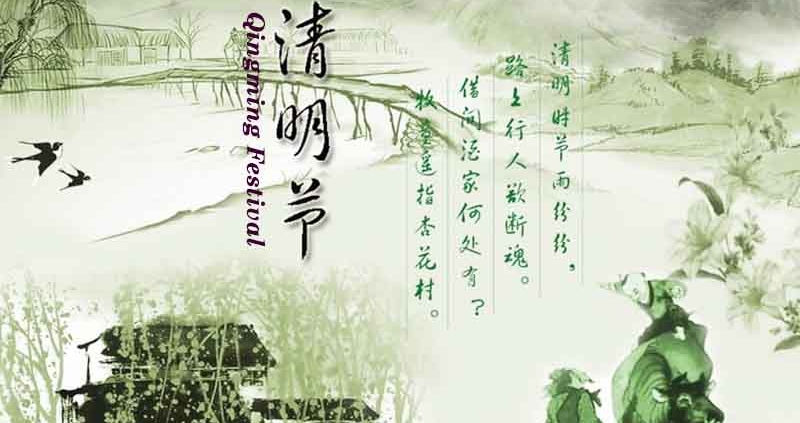
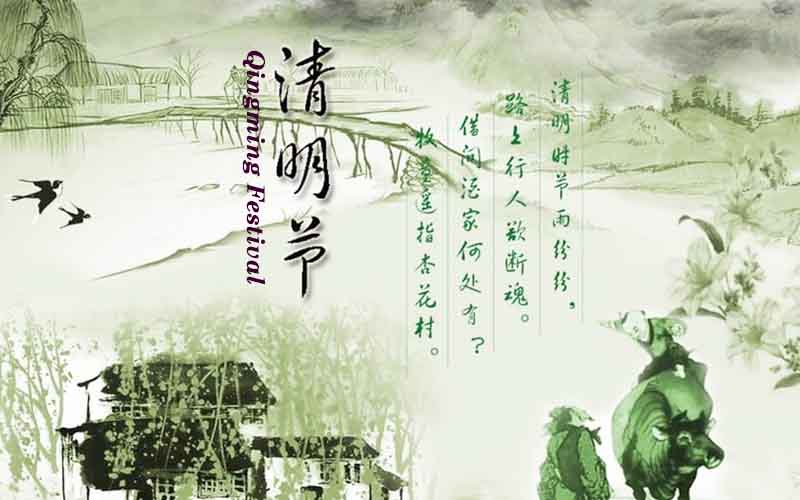
qingming festival

Dear Valued Customers,


As the Qingming Festival approaches, we would like to inform you that Shenzhen Forman Precision Industry Co., LTD will observe the traditional Chinese holiday.


Holiday Schedule: Our offices will be closed from Thursday, April 4th, 2024, to Saturday, April 6th, 2024.

qingming festival

During this time, all company operations, including production and shipping, will be on hold. We will resume normal operations on Sunday, April 7th, 2024.


For any urgent inquiries or assistance during the holiday period, please feel free to reach out to us via email at [email protected]. We will endeavor to respond to your queries at the earliest opportunity after the holiday.


We appreciate your support and understanding for Shenzhen Forman Precision Industry Co., LTD. Wishing you and your loved ones a peaceful Qingming Festival and a splendid spring season.


Best regards,


Customer Service Team

Shenzhen Forman Precision Industry Co., LTD


Please feel free to adjust the content as per your specific requirements. I hope this notice meets your needs. Wishing you a peaceful Qingming Festival!

tomb sweeping day

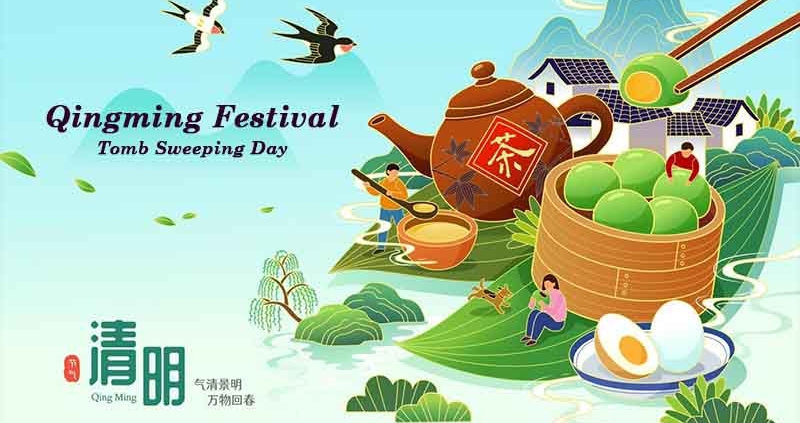
At Shenzhen Forman Precision Industry Co., Ltd (FPIC), we not only strive for excellence in connecting the world with our innovative products but also deeply value our cultural heritage. As the Qingming Festival, also known as Tomb-Sweeping Day, approaches, we take a moment to reflect on this significant traditional Chinese festival and its profound meaning.


The Origin of Qingming Festival

The Qingming Festival, observed on the 4th or 5th of April each year, is a time-honored Chinese tradition dating back over 2,500 years. It originated from the Spring and Autumn Period and has since evolved into a day of remembrance and honor. The festival is rooted in the values of filial piety and respect for ancestors, where families visit the graves of their forebears to clean the tombstones, offer flowers, and make ritual offerings.

tomb sweeping day

A Celebration of Life and Nature

Qingming is not only about paying respects to the past; it’s also a celebration of life and the beauty of nature. It coincides with the awakening of spring, symbolizing renewal and hope. Families take this opportunity to enjoy the outdoors, fly kites, and appreciate the blooming flowers, embracing the warmth and vitality of the season.


Our Commitment to Culture and Care

At FPIC, established in 2003, we resonate with the spirit of Qingming. Our dedication to research, development, manufacturing, and sales of a diverse array of connectors and components, including energy storage, automotive, solar, and industrial machinery connectors, mirrors our commitment to nurturing relationships and honoring connections—be it with our esteemed clients or our valued employees.


As we observe this festival, we extend our heartfelt thoughts to all our customers and staff. We recognize that just like the intricate networks created by our connectors, our bonds with each other form the backbone of our success and continuity.


Embracing Qingming with FPIC

We invite you to join us in embracing the Qingming Festival’s rich traditions and its message of unity and care. Let us together cherish the memories of those who came before us and foster the connections that propel us forward.


Shenzhen Forman Precision Industry Co., Ltd is proud to be a part of a community that honors its past while innovating for the future. We wish everyone a meaningful Qingming Festival filled with love, reflection, and togetherness.